Lackawanna, New York · Private group transportation

Lackawanna Charter Bus Rental

A Basilica visit, a Southtowns wedding, an early airport departure: bring your people together with a bus rental planned around the day you actually have.

Charter Buses USA helps arrange private charter buses, minibuses, and group shuttles for travel to, from, and around Lackawanna, NY. Tell us where passengers will board, what they are bringing, and when they need to arrive. We will review vehicle options and pricing for your itinerary.

Reservations: (877) 909-4004

Local transfers · Day trips · Multi-stop events · Longer journeys

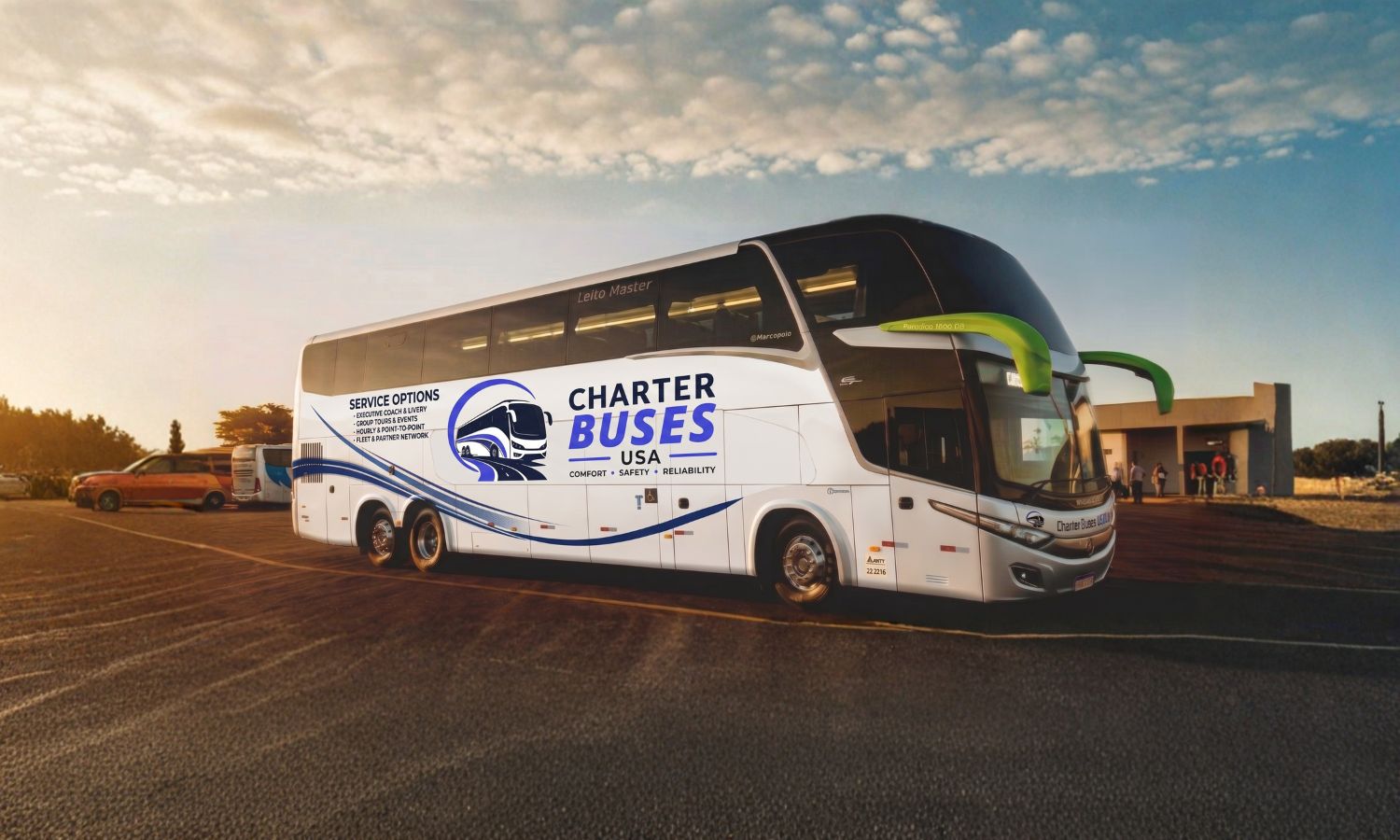
Charter Buses USA branded coach
Start with your departure

Your group. One clear plan.

Share the travel date, Lackawanna pickup address, passenger count, destination, and return time. Include suitcases, equipment, and boarding requirements so the vehicle fits the passengers as well as the route.

A visit with its own rhythm

Let the Basilica visit set the pace

For a parish pilgrimage or heritage outing, the most useful starting point is the time your group is expected inside.

Our Lady of Victory National Shrine & Basilica
767 Ridge Road, Lackawanna

Our Lady of Victory is a distinctive reason to bring a group to Lackawanna. Its official visitor information welcomes organized tours and pilgrimages, with arrangements coordinated around worship and other services. Contact the shrine about your date before treating a tour, Mass, or guided visit as confirmed. A transportation reservation does not reserve the attraction.

Build backward from the welcome

Once the shrine confirms your program, work backward through restroom time, unloading, boarding at the origin, and the drive. A group may arrive at the property together but need several minutes before everyone is ready to meet a guide. Tell us whether passengers include children, older adults, or travelers who need a more gradual boarding process.

A parish collecting travelers at its own church may have one simple departure. A visiting group staying at several hotels needs a different plan: named hotel pickups, a final headcount after the last collection, and one person who can update the shrine if the group is delayed. Share the tour leader's schedule alongside the bus itinerary so the two plans agree.

Keep the visit comfortable between activities

If your program includes prayer, the Father Baker Museum, lunch, or another stop, identify which activities are arranged with the shrine and which are separate reservations. Decide whether lunch happens before or after the visit. A restaurant booking with a fixed seating time can become the day's tightest deadline, especially when the group leaves the Basilica at different walking speeds.

Ask the shrine to identify a suitable coach unloading point and where the vehicle may wait. Its visitor information describes parking access from South Park Avenue, but a general parking description is not confirmation that a particular bus can stage wherever the organizer chooses. Provide the agreed entrance to the reservation team.

Useful detail to send: “Our guide will meet the group after everyone has unloaded. We need time for a headcount and a comfortable walk to the entrance.” That instruction is more helpful than giving only the tour's starting time.

Check official Basilica tours and pilgrimage information. For retreats and parish outings beyond this visit, see our church group transportation service.

Near the Lackawanna–Buffalo boundary

A garden visit needs more than a seat count

The Buffalo and Erie County Botanical Gardens, at 2655 South Park Avenue in Buffalo, can anchor a nearby outing for students, garden clubs, community organizations, and visiting families.

Reserve the experience first

The Gardens lists school programs and group visits through its own booking channels. Choose the program, check the reservation requirements, and confirm attendance with the attraction. Then send the visit's starting time and expected finish when requesting transportation. Program fees, admission, and a guide should be treated as separate arrangements unless they are expressly included in your written proposal.

For a class trip from Lackawanna, the bus manifest should include students, teachers, aides, and every adult who will ride. Keep the attraction's group count consistent with the transportation count. If staff will arrive independently, record that difference so nobody mistakes an empty seat for a missing passenger at departure.

Plan the transitions as carefully as the learning activity. Decide where lunches will be kept, whether bags must stay on the bus, and when passengers can retrieve them. Ask the venue about eating areas and storage before relying on either. If a teacher needs educational materials during the visit, keep those materials accessible without unloading the entire luggage compartment.

Give each adult a clear assignment

Designate the person who checks in with the attraction, the adults who supervise the group, and the person who communicates with the driver. A single person trying to do all three jobs can leave the rest of the group uncertain about where to wait. Use the same group divisions and headcount method when returning to the vehicle.

Older travelers and mixed-age groups may benefit from fewer transitions and a longer visit. A nearby destination does not automatically make a packed schedule comfortable. Share walking and boarding needs early, and ask about the assigned vehicle's steps, handrails, storage, and relevant accommodations.

Begin where people gather

Three departures. Three different transportation jobs.

A Lackawanna bus rental may cover only a short distance and still involve several moving parts. Identify which departure pattern describes your group before deciding how many vehicles to request.

One shared meeting point

Everyone starts together

A church outing, family day trip, or team departure can begin at one authorized gathering location. Confirm that passengers may leave cars there for the full trip and that the bus can enter, load, and leave without blocking ordinary access. Send the meeting location and the actual bus loading point if they are different.

Publish a passenger ready time separately from the bus departure time. The gap gives the organizer space to check names, load bags, and resolve a missing traveler before the vehicle is expected to move.

Several hotel or group stops

Passengers join along the way

A wedding or visiting delegation may start with travelers spread across Lackawanna, South Buffalo, and the surrounding Southtowns. List each pickup with its own passenger count. A bus that collects twelve guests first and twenty later must be sized for the largest combined load, including any staff riding between stops.

Keep the order practical. Adding a low-volume stop can lengthen the ride for everyone already aboard. Compare that option with a shared hotel collection or a separate small vehicle when the itinerary justifies it.

Repeated trips on one route

The same seats work in waves

For a workplace or event shuttle, the question is how many people need to move within each arrival window. Record loading, travel, unloading, and the empty return as one complete cycle. A vehicle cannot begin its next collection while it is still waiting at the destination.

For example, if ninety guests must leave together and an available shuttle has thirty confirmed passenger seats, one departure carries thirty guests. Moving everyone requires more vehicles or separate waves that fit the event's timing.

Choose the space your trip uses

Which bus fits your Lackawanna group?

Start with people and luggage, then compare comfort, trip length, and how often passengers will board. The most useful vehicle is the one that fits the entire assignment.

Full-size coaches commonly serve groups of roughly 40–56 passengers, while minibus configurations often fall around 18–35. These are planning ranges, not a promise of availability or a specification for your reservation. Confirm the actual seat count, layout, and required features in the vehicle offer.

Vehicle categories to discuss when requesting a quote
VehicleWhen it earns its placeQuestion for your itinerary
Full-size charter busA strong starting point for a large parish group, school outing, team, or longer journey. Luggage bays and available onboard conveniences can be useful when passengers spend more of the day traveling.Will the quoted coach hold everyone plus overnight bags, instruments, or sports equipment? Specify an onboard restroom if the group requires one.
Mini busWorth comparing for a smaller wedding group, local attraction visit, or private event. It can provide one shared departure without selecting a larger coach solely because that is the most familiar category.Does the luggage space match the trip? A group that fits comfortably on a short outing may need a different configuration for airport travel.
Shuttle busUseful when passengers travel in repeated waves between hotels, parking, an event, or a workplace. Boarding flow and frequency become central to the plan.How many seated passengers can move per cycle, and how much time does each complete loop take?
Sprinter vanA possible fit for a small visiting party, leadership group, wedding party, or airport collection. Interior layouts and cargo space vary considerably.How many checked bags accompany the passengers, and does that specific van have room for both?
Executive coachConsider this category when the onboard setting matters for hosting clients, speakers, or a leadership team. Define the desired seating and working environment.Which presentation, connectivity, charging, or seating features are confirmed, and which are only general possibilities?
School busCan suit selected short local movements where the group and trip requirements align with the vehicle. Schools and organizations should apply their own transportation approval process.Is the proposed seating suitable for the riders' ages, and are storage, comfort, and required equipment appropriate for this journey?
Party busAn option for a celebration where the cabin experience is part of the outing. Compare the approved interior, passenger capacity, stops, and service window.What food, drink, decoration, and onboard conduct rules apply? Confirm them before distributing party plans.

From the first pickup to the last goodnight

A wedding shuttle guests can understand

Give friends and family one clear set of transportation instructions, whether the celebration stays in Lackawanna or connects a local ceremony with a reception elsewhere in the Southtowns.

Before the ceremony

Ask guests whether they will use the shuttle and where they will board. A hotel room count is not the same as a passenger count: some guests drive, some share rooms, and others stay elsewhere. Build the vehicle request from expected riders at each pickup, then set a date for the final update.

For a ceremony at Our Lady of Victory, coordinate the guest arrival plan with the parish or wedding contact. Include time for unloading and walking to the entrance. If the wedding party needs separate transportation for photographs, identify those movements separately so the guest bus is not assigned two overlapping jobs.

Write departure instructions in ordinary language: hotel name, exact meeting point, when to be ready, and whom to call if something changes. Tell guests whether the listed time is the gathering time or the actual departure. That small distinction can prevent an avoidable rush.

After the reception

Decide whether your guests need one final return, an earlier departure as well, or several timed waves. An early return may serve families or guests ready to leave before the celebration ends. The final departure should leave enough time for the remaining guests to gather and board.

Estimate how many people want each return. If most of the guest list stays until the end, an earlier lightly used trip does not reduce the seats needed for the final wave. A minibus making loops works only when those loops fit the distances, guest demand, and vehicle service window.

Ask the reception venue where the bus may wait and whether that location changes during the evening. Give the planner a contact for transportation updates, and name someone other than the couple to handle last-minute guest questions.

One easy handoff for your planner

Send a single schedule that combines the hotel collections, ceremony arrival, reception transfer, and return departures. Include the number of passengers on every movement. Your planner can then compare the transportation schedule with the ceremony and reception agenda before guest instructions are published.

Explore wedding charter bus transportation and the guide to early and late wedding return shuttles.

Buffalo Niagara International Airport · BUF

Turn several arrivals into one organized departure

For travelers flying in for a Lackawanna wedding, meeting, tour, or family visit, airport transportation starts with knowing when the people and their bags will actually be ready.

Landing is only the first milestone

Send the airport, airline, flight number, date, and scheduled arrival for each group of passengers. State how many checked bags and oversized items they expect. The reservation team can review whether the arrivals work as one collection or whether separate transfers would serve the group better.

Passengers arriving on different flights may need a meeting arrangement inside the terminal before the vehicle is called forward. Designate a trip leader who can confirm that the group has collected its belongings. Do not send everyone to a guessed curb location; use the pickup instructions confirmed for the assigned transportation.

Buffalo Niagara International Airport publishes a commercial ground transportation program with bus permit information. The operating arrangement and terminal access need to fit current airport procedures. A bus shown on a vehicle page is not, by itself, confirmation of a specific airport pickup arrangement.

Connect the airport to the rest of the visit

List every hotel or event drop-off in order, with passenger numbers for each. If the group goes straight to a meeting or attraction before checking in, disclose that plan because the luggage may need to remain aboard. The vehicle's availability during the event should be part of the quoted service.

For the return flight, work backward from the airport arrival time your group needs, allowing for hotel boarding, baggage loading, the drive, and reasonable contingency. Share different flight departures early. One transfer may suit similar schedules; widely separated flights may justify more than one run.

See our airport charter bus service and hotel shuttle options for related travel arrangements.

People arriving ready for the day

Workplace transportation starts at the right entrance

A recurring employee shuttle and a one-day client visit may use similar vehicles, but they need different operating plans.

For a Lackawanna business, begin with the reporting location and time. The street address may lead to the main office while riders need a staff entrance or an approved worksite gate.

For a shift-based route

List the pickup points, riders expected at each, working days, and the time employees must report. Include any security check, walk from the unloading area, or sign-in process between leaving the bus and starting work. A scheduled arrival at the property boundary may be too late for the actual shift.

Plan the return demand separately. Overtime, different finishing times, and partial-week schedules can change who needs a ride home. Give employees a simple process for reporting that they will not use a scheduled trip, and identify the person authorized to request a transportation change.

When launching a new route, compare expected use with observed ridership after service begins. Ask for pricing that clearly describes operating days, service hours, vehicles, and the handling of approved changes. Our employee shuttle pilot guide offers a useful framework for reviewing an initial route.

For clients, training, or visiting teams

Build the itinerary around appointments and host contacts. A visiting group may need hotel pickup, a Lackawanna site visit, lunch, and a later meeting in Buffalo. Confirm the authorized entrance and on-site escort before including access to a controlled property in the schedule.

If attendees will present or work while traveling, specify the features that matter and keep essential materials available offline. Connectivity depends on the vehicle equipment and coverage; a moving bus should not be the only place an important presentation can be accessed.

For an off-site training session, add the trainer and event staff to the passenger count if they ride. Explain whether the bus stays available between sessions or returns at a stated release time. Those are different assignments and should be quoted accordingly.

Bring the group home together

Plan the return before the event begins

A team heading to a competition and a group of fans leaving Lackawanna for a Bills game share one need: a clear place and time to reunite after the event.

Bills games in Orchard Park

Request the entire outing, including any planned pregame activity and the postgame wait. The Bills' published Bus & Limo Lot rules require advance parking permits and prohibit departure until one hour after a game ends. Confirm the current rules for your date before promising passengers an immediate return.

Review permitted items and the event's rules separately from the bus operator's policies. Permission to bring something onto a charter vehicle does not mean it may be taken into a stadium or used in a parking area. Assign one organizer to communicate the approved parking plan, meeting location, and departure expectations.

Official Buffalo Bills parking and bus information

Teams and tournaments

Count coaches, trainers, managers, and accompanying staff along with players. Describe bags, equipment cases, and anything oversized. Then identify the time the team needs to be ready at the venue, allowing for unloading, check-in, and preparation after arrival.

For tournaments, share the earliest required arrival and the latest plausible finish. If the final schedule depends on results, ask how waiting or an approved change would affect the reservation. A flexible competition schedule still needs a defined transportation arrangement.

Concerts and private celebrations

A Lackawanna group traveling to Buffalo for a concert or dinner benefits from an agreed reunion point that remains usable when the crowd leaves. Confirm it with the venue or event organizer. Avoid directing guests to a vague location such as “outside the main doors.”

Family reunions and birthday outings may include several stops. Give each stop a purpose and expected duration, and make the final return address explicit. Everyone should know whether the bus returns to the original meeting point or serves additional drop-offs.

A starting point for your own schedule

Three ways to shape a day around Lackawanna

These are illustrative planning outlines, not scheduled tours, reserved experiences, or guaranteed journey times. Attraction appointments, meals, access, transportation availability, and the group's preferred pace determine the final itinerary.

Gardens + Basilica

A nearby culture and garden day

For garden clubs, visiting families, and community groups.

Morning
Gather at an authorized Lackawanna pickup point, complete the passenger count, and travel to a reserved Botanical Gardens visit. Keep the first meeting instructions simple, especially if guests have not traveled together before.
Midday
Allow an unhurried lunch at a separately reserved location. Confirm coach access and how long group service is expected to take. A meal should have its own realistic space in the day.
Afternoon
Arrive for a confirmed Basilica visit, then return to the original pickup point or another agreed destination. An afternoon shrine appointment can help give each activity a distinct place in the schedule.

Adjust first: the visit order and time spent walking. A smaller number of comfortable activities can be more enjoyable than adding another attraction.

Hotel + ceremony + reception

A wedding day in clear stages

For guests staying at one or more hotels.

Guest collection
Collect the stated riders at each hotel and arrive before the ceremony's guest seating deadline. Account for the final pickup as well as the first.
Celebration
Transfer guests to the reception when scheduled. Treat wedding-party photographs as a separate movement if they overlap with guest transportation.
Goodnight
Operate the agreed early and final return departures, or a confirmed loop schedule. Put the destination hotel on each departure instruction so guests board the correct vehicle.

Adjust first: seats needed in the busiest return wave. An evenly spaced timetable may not match when guests actually want to leave.

Team + equipment + competition

A focused sports departure

For a Lackawanna team traveling to a regional event.

Before boarding
Load the confirmed equipment, keep needed items accessible, and check the complete traveling roster. Make room for staff as well as players.
At the venue
Arrive for check-in and preparation, with the drop-off entrance confirmed by the host. Identify where the vehicle will wait or when it will return.
After play
Complete the equipment check and passenger count before departure. Include an agreed meal stop if the day requires one.

Adjust first: the return plan if the competition runs late. Ask about the arrangement while requesting the quote.

The details between the destinations

Make the curb-to-coach part of the trip easier

The itinerary becomes useful when it explains how passengers reach the bus, where the vehicle waits, and what happens if conditions change.

Turn a street address into a loading plan

For a pickup near Ridge Road or South Park Avenue, identify the exact property entrance and the side of the building where passengers will gather. Ask the property manager whether the proposed vehicle can use that space. Loading permission, turning space, overhead clearance, and room to leave are separate questions.

A bus should not be expected to stop wherever a passenger can stand. Share restrictions that the host already knows about, such as a narrow driveway, an entrance used by deliveries, or a loading area that must stay clear at certain times. The operating carrier should review the route and vehicle access.

If guests are leaving cars at the pickup property, confirm permission for the full duration, including an overnight stay when relevant. Tell passengers which spaces to use and keep the bus loading area open. An address without these instructions can produce a crowded meeting point before the journey begins.

Separate unloading from waiting

The best place to drop passengers may not be a place where a coach can remain. Ask each venue about both tasks. If the bus must leave after unloading, the itinerary should include the approved waiting arrangement and the process for calling the vehicle back.

Give the trip leader a precise pickup point for the return, even when it matches the arrival location. For larger groups, share a simple description or an approved site map before people disperse. Avoid publishing an unofficial pin that puts passengers on the opposite side of a busy road.

Read our charter bus parking planning guide when preparing questions for a hotel, attraction, or event host.

Give weather a place in the schedule

For a winter outing, decide where the group can wait indoors until boarding begins. Ask the pickup property about snow clearance and keep the boarding area usable. Allow time for coats, bags, and a slower walk to the vehicle instead of assuming a summer loading pace.

Check the forecast and 511NY road conditions close to departure. Road restrictions, construction, and weather may affect the route selected by the carrier. Confirm who will communicate with guests if the pickup location or schedule changes.

For summer events, shaded or indoor gathering space can also help. Keep travelers informed about when to assemble so they are not waiting outside for an unnecessarily long period.

Match boarding to the passengers

Tell us about mobility devices, boarding assistance requirements, and any essential vehicle features during the quote request. Ask how the proposed configuration affects seating and storage. Confirm the arrangement for your travelers before they receive a final departure plan.

For long trips, discuss planned breaks and any required onboard restroom. For school groups, verify the vehicle and equipment against the organization's requirements. Keep aisles clear, follow the driver's instructions, and make sure group leaders know how passenger counts will be checked.

Use FMCSA's passenger safety resources to research the operating carrier and prepare safety questions before booking.

A quote for the trip you described

What will your Lackawanna bus rental cost?

The answer depends on the vehicle, date, route, service time, and availability. A short transfer, an evening wedding shuttle, and a full-day outing use different amounts of transportation service.

Send the whole itinerary for pricing, including waiting and the final return. Distance between the first and last address alone cannot describe the work involved.

What changes the quote

The service window

Loading, hotel collections, time at the destination, repeat shuttle cycles, and the return all affect the assignment. Ask whether the vehicle remains with the group or provides separate transfers. A long gap between journeys should not be assumed to make vehicle time free.

The vehicle and load

Category, available capacity, luggage space, and required features influence which vehicles can serve the trip. Choosing fewer seats will not necessarily lower the price if the smaller vehicle cannot carry the group's bags or complete the required schedule.

The date and operating route

Requested dates and local supply affect availability. The operating route may include positioning to Lackawanna, travel among pickup points, movements to permitted parking, and the final return. Provide exact addresses so those movements can be reviewed.

Expenses beyond the vehicle

Clarify how tolls, parking, permits, airport or venue charges, and any driver lodging are handled. Ask about gratuity, additional service, and approved itinerary changes where relevant. Attraction admissions and meals should have their own budget unless the written offer expressly includes them.

Compare equal assignments

Put competing quotes beside the same route, dates, service hours, passenger total, and required features. Check the total amount and the terms governing changes, payment, and cancellation. A lower headline amount can reflect fewer hours, different vehicle specifications, or expenses handled separately.

For a group collecting individual contributions, work from the confirmed transportation total and expected paying passengers. Keep optional attraction or meal costs separate so participants understand what their contribution covers. Recalculate if attendance changes substantially.

Reduce complexity where it helps

A shared pickup can be easier to operate than several scattered collections. A realistic event release time can reduce uncertainty about waiting. If your date is flexible, ask whether alternatives change availability or pricing. Each decision should still support the event and the passengers.

Keep a short list of essential features and a separate list of preferences. That helps the reservation team compare suitable options without treating every nice-to-have as a fixed requirement.

Our quote comparison guide and guide to quote inclusions can help you review an offer.

Keep the origin clear as the trip grows

Starting in Lackawanna, going farther together

A local departure can be the beginning of a city outing, a Niagara Falls visit, or a longer regional program. Build the request around the group's actual starting point and the experiences that matter most.

Buffalo for an event or city visit

If the day centers on a Buffalo meeting, attraction, or evening event, collect the group in Lackawanna and give each destination a confirmed arrival arrangement. Include any dinner or hotel stop that falls before the return. A city outing is easier to communicate when passengers receive one schedule covering the whole evening.

Use our Buffalo charter bus rental page for the destination's wider planning considerations while keeping the Lackawanna pickup address in your quote request.

Niagara Falls as the main destination

Choose the activities the group most wants to experience before adding more stops. Share confirmed admissions or tour appointments, allow time for walking and meals, and identify the return meeting point. A Niagara Falls visit should have enough space in the day for passengers to enjoy being there.

Our Niagara Falls, NY transportation guide addresses that destination in detail. Check official Niagara Falls State Park information for current visitor planning. Specify the New York side when that is the intended itinerary.

A regional or overnight journey

A tournament, retreat, or multi-day visit needs a daily outline. List the first pickup, each night's accommodation, activities requiring the vehicle, and the final return. Include luggage and any equipment that stays aboard between stops. Ask about driver lodging and the operating schedule during quoting.

Review our Western New York charter bus service for regional coordination or the New York State transportation page for a broader route.

Keep optional stops optional until confirmed. If your group is still choosing between destinations, send the alternatives as separate options. A quote for one route does not automatically cover a different route simply because the passenger count stays the same.

Before you reserve

Lackawanna bus rental questions, answered

These answers explain the planning process. Your written quote and reservation agreement describe the vehicle, service, inclusions, and terms for your particular trip.

Have a question about a specific route? Call (877) 909-4004 with the date, pickup address, and group size.

Is this a private bus rental or a ticketed bus service?

This page is for private group transportation arranged around a submitted itinerary. The organizer requests a vehicle or vehicles for the group, with agreed pickup points and service times. It is not a published timetable for buying individual seats between Lackawanna and another city. Tell us the total traveling party and the journey you want to arrange, including whether you need one-way transportation or a return.

Does a Lackawanna charter bus rental include a driver?

Yes. The charter arrangement includes a professional driver supplied by the operating carrier for the confirmed service. It is not a self-drive bus rental. Include the whole day's schedule when requesting a quote, because driving, waiting, and later return movements affect the operating plan. Passengers and organizers should follow the driver's instructions, and any proposed route changes need to go through the designated transportation contact.

What should a group of about 25 people request?

A minibus can be a useful category to compare for roughly twenty-five passengers, particularly for a local outing with light luggage. It is still necessary to confirm that the offered vehicle has enough passenger seats and storage. If the group brings flight luggage, sports equipment, or items for an overnight stay, another configuration may be more practical. Include everyone who rides, including guides, chaperones, and staff.

Can you arrange transportation to Our Lady of Victory Basilica?

You can request a charter itinerary that includes the Basilica in Lackawanna. Coordinate the visit, tour, ceremony, or worship arrangements directly with the shrine, then provide the confirmed timing to the reservation team. Also ask the shrine about coach unloading and waiting. The bus reservation covers the transportation described in the agreement; it should not be treated as confirmation of a guided tour or a particular shrine activity.

Can one bus collect wedding guests from several hotels?

Several hotel pickups can be considered when the route, boarding time, and combined passenger load fit the schedule. Provide hotel names and addresses, expected riders at each, and the ceremony arrival deadline. A single bus may become full before its final stop, or the collection route may take too long. Comparing one shared pickup, several vehicles, or different departure waves can reveal a better fit for the guest list.

Can an airport transfer go straight to our event?

Yes, that routing can be requested. Tell us that passengers will arrive with luggage and attend an event before reaching their hotel. Confirm where belongings will be stored during the event and whether the same vehicle remains available afterward. Include the flight details, event address, arrival deadline, later hotel destination, and expected release time. Those details describe a different assignment from a direct airport-to-hotel transfer.

Can I get a quote before the final headcount is ready?

Send your best current estimate and identify what is likely to change. It helps to provide an expected count and a realistic upper limit, along with the date you expect to finalize attendance. The team can review options against that information. A preliminary quote does not automatically reserve additional seats or hold every vehicle category. Ask how a later increase or decrease in passengers would be handled.

Who arranges bus parking at our destination?

Clarify that responsibility during quoting. The organizer or venue may need to secure a permit or confirm an authorized waiting area, while the operating carrier needs workable access instructions. Ask who will obtain any required pass and how its cost is handled. Do not assume a venue's general parking lot accepts coaches, or that buying event tickets also reserves transportation parking. Record the agreed arrangement in the final itinerary.

What information does a school or youth group need to provide?

Provide the passenger count by group, adult supervision plan, required arrival and return times, destination contact, and any vehicle requirements set by the organization. Include belongings such as lunches, backpacks, instruments, or sports gear. The school or sponsoring organization should complete its own transportation approval process. Ask about the proposed vehicle's seating and required equipment before confirming, and establish a consistent headcount procedure for each transition.

What if a passenger needs a particular boarding arrangement?

Raise the requirement when requesting transportation, before a vehicle is selected. Explain the relevant boarding needs, mobility device information, and any necessary vehicle features so a suitable configuration can be reviewed. The exact arrangement may affect passenger seating and storage. Confirm the details in writing and coordinate accessible arrival arrangements with each venue as well. A suitable bus and a usable destination entrance both matter to the passenger's experience.

Are Wi-Fi, charging outlets, and a restroom guaranteed?

Features vary by vehicle. State which amenities are essential and ask for them to be confirmed for the offered transportation. Do not assume that every coach, minibus, or shuttle has the same equipment. Connectivity can also depend on coverage along the route. For longer journeys, discuss planned comfort stops even when a restroom is included, and keep essential travel information available without relying on onboard internet access.

Can the bus stay with us throughout a long event day?

You can request extended service, but the entire operating window must be reviewed for feasibility. Include the first pickup, waiting periods, every transfer, and the final return. The operating carrier must account for applicable driver duty and rest requirements. Some schedules may need a different service structure, revised timing, or additional driver arrangements. An open period during an event should not automatically be treated as unrestricted availability later that night.

How early should we book, and can you check last-minute availability?

Request options when your date and basic itinerary are known, especially if you need several buses, specific features, or service on a busy event weekend. Last-minute availability can be checked, but the preferred category or service time may be unavailable. When the trip is close, send complete details together and remain reachable for questions. Ask what must be completed before a quote becomes a confirmed reservation.

What happens if our event, passenger count, or travel date changes?

Contact the reservation team as soon as a change becomes likely. A new date, larger group, later finish, or different destination can affect vehicle availability and pricing. Review the reservation's change, cancellation, and payment terms before booking, including how weather-related event changes are handled. Venue cancellation does not automatically mean transportation cancellation has the same terms. Ask for any approved revision to be reflected in the written itinerary.

Put your next group departure in motion

Tell us about your Lackawanna trip

Start with what you know. A date, a gathering place, and a realistic passenger count are enough to begin a useful conversation about the transportation your group needs.

Whether you are welcoming visitors to the Basilica, organizing a school outing, moving wedding guests, or bringing a team home from a competition, send the day as one connected plan. Include what happens between the headline destinations so the quote reflects the way your group will travel.

Mark any details that remain open. If you are waiting on a venue appointment, a final tournament schedule, or hotel responses, explain when that information is expected. It is easier to compare appropriate options when confirmed arrangements and estimates are clearly identified.

Speak with reservations: (877) 909-4004

Vehicle availability, exact features, access arrangements, and service terms are confirmed for the specific reservation.

Prepare for the next conversation

If this is your first private charter, our first-time rental guide explains the main booking questions. Before departure, use the pre-trip checklist to review passenger instructions, the final schedule, and the contact details your group needs.

Keep one current itinerary and share it with the people coordinating the trip. That gives passengers, hosts, and transportation contacts a common reference from the first pickup through the final return.