
Charter Bus Rental FAQs for First-Time Renters: Everything You Need to Know

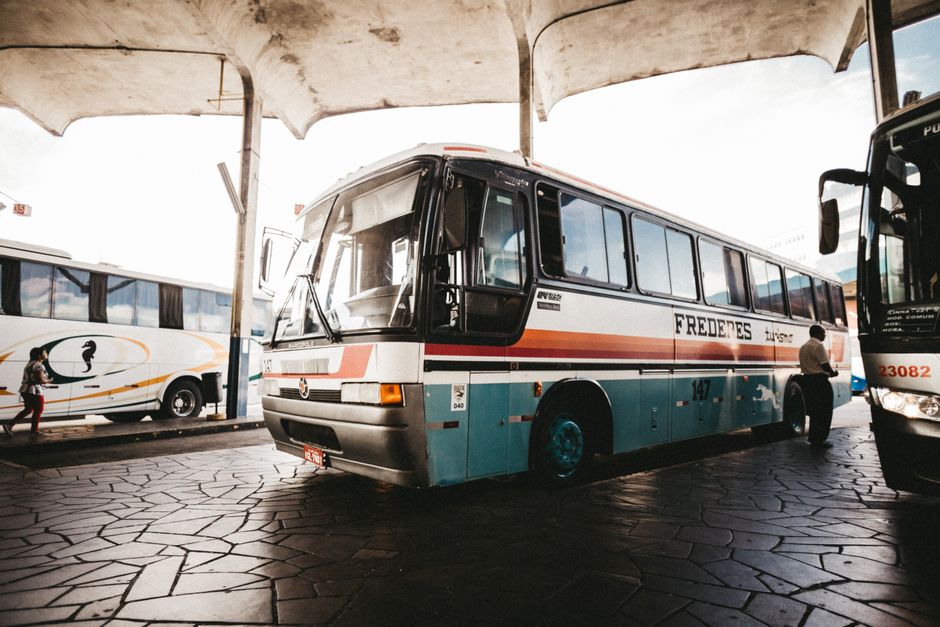
Booking a charter bus for the first time can feel overwhelming. You’re juggling questions about pricing, contracts, safety, and logistics, all while trying to plan a trip for a group of people who are counting on you to get it right. If you’ve typed “charter bus rental” into a search bar and come up with more questions than answers, you’re in the right place.
This guide answers the most common charter bus rental questions that first-time renters ask, from how far in advance to book to what happens if your trip runs long. By the end, you’ll understand exactly what to expect, what to ask, and how to avoid the mistakes that trip up so many new renters.
What Is a Charter Bus Rental, Exactly?
A charter bus rental is a private vehicle you book exclusively for your group, complete with a professional driver, for a set period of time or route. Unlike public transit or scheduled bus lines, a charter bus goes where you tell it to go, on your schedule. You’re not sharing the vehicle with strangers, and the itinerary is entirely yours to design.
Charter buses typically seat between 20 and 56 passengers, depending on the vehicle size, and companies also offer smaller minibuses and larger motorcoaches to match different group sizes. Understanding this basic charter bus rental setup is the foundation for everything else in this guide.
How Far in Advance Should I Book a Charter Bus?
Most transportation companies recommend booking at least 2 to 4 weeks ahead for routine trips, but popular dates fill up much faster. Wedding season weekends, prom nights, graduation weekends, and major holidays can book out 2 to 3 months in advance.
If you’re planning something during a peak travel window, earlier is always better. For a deeper look at seasonal demand patterns, check out this breakdown of the best time of year to book a charter bus, which explains when prices spike and when you’ll find the most availability.
That said, don’t panic if you’re planning last-minute. Buses do become available due to cancellations, and some companies specialize in quick turnarounds. If you’re in a time crunch, this guide on last-minute charter bus booking tips walks through how to secure a bus fast without overpaying.
How Much Does a Charter Bus Rental Cost?
This is the number one question first-time renters ask, and unfortunately there’s no single flat rate. Charter bus pricing depends on several variables:
- Trip distance: Longer trips cost more due to fuel, driver hours, and mileage fees.
- Bus size: A 56-passenger motorcoach costs more than a 20-passenger minibus.
- Trip duration: Multi-day trips involve driver lodging and overnight fees.
- Season and demand: Weekends, holidays, and prom/wedding season all drive prices up.
- Amenities: Wi-Fi, restrooms, reclining seats, and entertainment systems affect cost.
As a rough guideline, hourly rates often range from $100 to $200 per hour for smaller trips, while full-day rentals can run anywhere from $1,000 to $2,500 or more depending on the coach type and distance. For a detailed walkthrough of how to estimate your own trip cost, this charter bus rental cost calculator guide breaks down the math step by step.
Are There Hidden Fees I Should Watch For?
Yes, and this trips up a lot of first-time renters. Common extra charges include fuel surcharges, tolls, parking fees, gratuity, cleaning fees, and overtime charges if your trip runs past the contracted hours. Always ask for a full, itemized quote before signing anything. This guide on hidden fees in charter bus rentals lists exactly what to look for so nothing surprises you on the final invoice.
What Information Do I Need to Provide to Get a Quote?
Before you can get an accurate charter bus rental quote, most companies will ask for:
- Pickup and drop-off locations (exact addresses if possible)
- Date and time of departure
- Expected return date and time
- Number of passengers
- Purpose of the trip (wedding, corporate event, school trip, tour, etc.)
- Any special stops or multi-city itinerary details
The more specific you can be upfront, the more accurate your quote will be. Vague requests lead to vague estimates, and vague estimates lead to unpleasant surprises later.
How Do I Choose the Right Size Bus for My Group?
Bus sizing is one of the most common points of confusion for new renters. Here’s a general breakdown:
- Minibus (18-25 passengers): Good for small teams, family reunions, or airport shuttle groups.
- Mid-size coach (30-40 passengers): Common for school groups, wedding parties, and corporate outings.
- Full-size motorcoach (46-56 passengers): Best for large weddings, conventions, or long-distance group travel.
A good rule of thumb is to book for 5 to 10 more passengers than your confirmed headcount to allow for last-minute additions and luggage space. If you’re unsure, a reputable charter company will help you match group size to the right vehicle rather than upselling you on something bigger than you need.
What’s the Difference Between a Charter Bus and a Minibus or Shuttle?
These terms get used interchangeably, but there are real differences. A charter bus (or motorcoach) is a large, full-size vehicle typically used for longer trips, often with amenities like reclining seats, overhead storage, restrooms, and sometimes Wi-Fi. A minibus is smaller, generally used for shorter trips or smaller groups, and usually lacks some of the comfort features of a full coach. Shuttles are often used for point-to-point transport, like airport runs or hotel-to-venue transfers, and prioritize efficiency over amenities.
If you’re specifically planning airport pickups or drop-offs, this guide to charter bus rental for airport transfers covers the logistics unique to that kind of trip.
Is My Charter Bus Rental Insured?
Yes, legitimate charter bus companies carry commercial liability insurance, and it’s one of the most important things to verify before booking. Insurance protects passengers in the event of an accident and confirms the company is operating legally.
Ask any company you’re considering for proof of insurance and their DOT (Department of Transportation) number, which you can verify through the Federal Motor Carrier Safety Administration’s database. For a full explanation of what’s covered and what isn’t, this article on charter bus rental insurance breaks down the policy types renters should understand before they sign a contract.
What Happens If There’s an Accident or Breakdown?
Reputable charter companies have contingency plans, including backup vehicles and 24/7 roadside support. Before booking, ask what happens if the bus breaks down mid-trip. A trustworthy company should have a clear answer, not a vague shrug. According to the Federal Motor Carrier Safety Administration guidelines referenced by most reputable carriers, companies operating interstate charter service must meet strict safety and maintenance standards, so don’t hesitate to ask about a carrier’s safety record.
Are Charter Bus Drivers Regulated?
Yes. Charter bus drivers are subject to federal hours-of-service rules that limit how many consecutive hours they can drive without rest, similar to regulations for commercial truck drivers. These rules exist to prevent driver fatigue and keep passengers safe.
If your itinerary involves a very long day or overnight travel, your trip may require two drivers or scheduled rest breaks. This is worth discussing with your provider early, since it affects both cost and timing. For a full breakdown of these regulations, see this guide on charter bus driver rules and hours of service.
What Amenities Should I Expect on a Charter Bus?
Amenities vary widely between companies and coach classes, but common features include:
- Reclining, cushioned seats with seatbelts
- Air conditioning and heating
- Onboard restroom
- Overhead reading lights and storage bins
- Wi-Fi (not always guaranteed, so ask)
- Power outlets or USB charging ports
- PA system for announcements
- Entertainment systems (TVs, DVD players) on some coaches
If comfort and amenities matter for your trip, especially longer ones, it’s worth comparing options directly. This comparison of luxury charter bus vs standard charter bus options explains what you actually get for the price difference.
Can I Bring Luggage, and How Much Storage Is Available?
Most full-size charter buses have undercarriage storage bays that can hold anywhere from one to two large suitcases per passenger, plus overhead bins for smaller items. If your group is traveling with a lot of gear (sports equipment, instruments, oversized bags), mention this when booking so the company can confirm the bus has adequate storage or recommend a larger vehicle.
What Payment and Deposit Terms Should I Expect?
Most charter bus companies require a deposit to secure your booking, typically ranging from 20% to 50% of the total cost, with the remaining balance due before or on the day of the trip. Be cautious of companies asking for full payment far in advance with no contract or confirmation in writing.
Always get a written contract that specifies:
- Total cost and payment schedule
- Cancellation and refund policy
- Pickup/drop-off times and locations
- Bus size and amenities promised
- Overtime rate if the trip runs long
A legitimate company will never hesitate to put these details in writing. If they resist, treat that as a red flag.
What’s the Cancellation Policy Usually Like?
Cancellation policies vary, but many companies offer full refunds if you cancel 2 to 4 weeks before the trip, with partial refunds or credits closer to the date. Some non-refundable deposits are standard, especially during peak booking seasons. Read this section of your contract carefully, and don’t be afraid to ask questions before signing.
How Do I Know If a Charter Bus Company Is Legitimate and Safe?
This is one of the most important charter bus rental FAQs, and it deserves careful attention. Before booking, verify:
- DOT number: Every legal interstate carrier has one; ask for it and look it up.
- Insurance coverage: Request proof of active commercial liability insurance.
- Online reviews: Check independent review sites, not just testimonials on the company’s own website.
- Vehicle age and maintenance records: Ask when the fleet was last inspected.
- Written contract: Avoid any company unwilling to provide one.
The Consumer Reports organization and similar consumer advocacy groups regularly recommend verifying a transportation company’s licensing before paying any deposit, and that advice applies directly to charter bus rentals.
Can I Decorate or Bring Food and Drinks on Board?
Policies vary by company, but many charter buses allow light decorating for events like bachelor/bachelorette parties, birthdays, or weddings, as long as nothing damages the seats or interior. Food is usually allowed, though some companies restrict alcohol or require it to stay sealed until the destination due to liability concerns.
If you’re planning a celebratory trip with decorations, music, and drinks involved, this guide to charter bus rental for bachelor and bachelorette parties covers exactly what’s typically allowed and what to clear with your provider first.
What If My Group Includes Passengers Who Need Accessibility Accommodations?
Many charter companies offer ADA-compliant buses equipped with wheelchair lifts, securement systems, and accessible seating. If anyone in your group needs these accommodations, mention it when requesting your quote, since not every bus in a company’s fleet will have this equipment. For a full explanation of what these accessible coaches include, this guide on ADA accessible charter buses covers what to expect and what questions to ask.
Diesel or Electric: Does It Matter Which Bus I Book?
For most first-time renters, this won’t be a deciding factor, but it’s becoming more relevant as companies expand their electric fleets. Electric charter buses tend to be quieter and produce zero direct emissions, though they may have range limitations for very long trips. Diesel coaches remain the standard for long-distance and cross-country travel due to range and refueling speed. If sustainability matters to your organization or group, this comparison of electric charter buses vs diesel charter buses can help you decide which fits your itinerary.
What Types of Trips Are Charter Buses Used For?
New renters are sometimes surprised by how versatile charter bus rentals are. Common use cases include:
- Weddings: Shuttling guests between venues and hotels
- Corporate events: Conventions, conferences, and offsite meetings, as covered in this convention transportation planning guide
- Employee shuttles: Daily commuter routes for large employers, detailed in this employee shuttle services guide
- City tours and sightseeing: Groups exploring multiple attractions in one day, as explained in this city tours planning guide
- Cross-country trips: Multi-day travel across state lines, covered in this cross-country trips guide
- Weekend getaways: Short group trips to nearby destinations
- National park visits: Group tours through scenic and remote areas
- Cruise port transfers: Getting large groups to and from departure ports
- Holiday travel: Family and group trips during high-demand seasons
Whatever your occasion, there’s likely a charter option built specifically for it. It helps to browse a guide focused on your specific trip type since pricing, timing, and logistics differ significantly between, say, a bachelorette party and a corporate shuttle contract.
How Do I Save Money on My First Charter Bus Rental?
Cost is often the biggest concern for first-time renters, and there are legitimate ways to bring the price down without sacrificing safety or comfort:
- Book during off-peak seasons or weekdays when possible
- Compare quotes from at least 3 different companies
- Ask about off-hour departure discounts
- Choose the right-sized bus rather than oversizing just for peace of mind
- Avoid unnecessary amenities if budget is the top priority
- Book early to lock in lower rates before demand increases
For a deeper breakdown of pricing strategies, this smart renter’s guide to saving money walks through more than a dozen proven tactics. It’s also worth reviewing a cost calculator guide before requesting quotes, so you know what a fair price actually looks like for your trip distance, group size, and duration.
What Hidden Fees Should I Watch Out For?
One of the most common complaints from first-time renters is being surprised by charges that weren’t clearly explained upfront. Common hidden fees include:
- Fuel surcharges added after the quote
- Overtime charges if the trip runs longer than scheduled
- Parking or toll fees passed on to the renter
- Cleaning fees, especially after events involving food or drinks
- Gratuity that isn’t included in the original quote
- Cancellation or rebooking fees
The best defense against hidden fees is asking for an itemized quote in writing before you sign anything. A reputable company will be transparent about every line item. For a full breakdown of what to look for, this hidden fees guide covers the most common surprise charges and how to avoid them entirely.
Is Charter Bus Rental Insurance Necessary?
Yes, and this is one area where first-time renters should never cut corners. Reputable charter companies carry commercial liability insurance that covers passengers in the event of an accident, but the coverage details vary by company and by state. Before booking, ask for proof of insurance and confirm the coverage limits meet or exceed your state’s minimum requirements for passenger vehicles.
Depending on your trip, you may also want to consider additional trip insurance, especially for large events like weddings or multi-day cross-country trips where cancellations could be costly. A licensed and insured operator should be able to provide documentation almost immediately upon request. If a company hesitates or can’t produce this paperwork, treat that as a major red flag. For a complete explanation of what coverage should look like, this insurance guide for renters breaks down exactly what to ask for and why it matters.
What If I Need to Book on Short Notice?
Life happens, and sometimes a charter bus rental can’t be planned months in advance. If you’re booking within a week or two of your trip, you can still secure a reliable bus, but your options may be more limited and prices may run higher due to reduced availability.
To improve your odds of a smooth last-minute booking:
- Call multiple companies directly instead of only submitting online quote requests
- Be flexible on bus size or amenities if it means securing a vehicle faster
- Ask specifically about any buses that were freed up due to a cancellation
- Confirm insurance and licensing quickly since there’s less time for due diligence
For step-by-step advice on navigating this exact situation, check out this guide on last-minute charter bus booking, which covers how to move fast without overpaying out of desperation.
What Are the Rules for Bus Drivers and Hours of Service?
Charter bus drivers are governed by federal hours-of-service regulations designed to prevent fatigue-related accidents. In general, drivers are limited in how many consecutive hours they can operate a vehicle before requiring a mandatory rest period. This is one of the reasons long trips sometimes require a second driver or an overnight stop, particularly for cross-country itineraries.
As a first-time renter, understanding these rules helps set realistic expectations for your itinerary. If your trip involves long stretches of driving, ask the company directly how they plan to handle driver rest requirements. A trustworthy operator will already have this built into your itinerary rather than treating it as an afterthought. This guide to driver rules and hours of service explains exactly what regulations apply and why they exist.
Are Charter Buses Accessible for Passengers With Disabilities?
Most reputable charter companies offer ADA-accessible buses equipped with wheelchair lifts, securement areas, and accessible restrooms upon request. However, not every bus in a company’s fleet will have these features, so it’s important to specify accessibility needs when requesting a quote rather than assuming it will be available.
If you or someone in your group requires accommodations, ask specifically about lift capacity, seating configuration, and whether the driver has experience assisting passengers with mobility devices. For more detail on what to expect, this ADA accessible charter bus guide outlines the standard features and how to request them properly.
Should I Choose an Electric or Diesel Charter Bus?
Most fleets across the country still run primarily on diesel, but electric charter buses are becoming more common, especially for shorter regional trips and city tours. Electric buses tend to run quieter and produce zero tailpipe emissions, which appeals to environmentally conscious groups or corporate clients with sustainability goals.
That said, electric buses currently have more limited range and charging infrastructure, which makes them less practical for long cross-country trips. Diesel buses remain the more flexible option for extended, multi-state itineraries. If sustainability is a priority for your group, ask providers directly whether an electric option is available in your region. This electric vs diesel comparison guide breaks down the pros and cons of each in more detail.
What’s the Difference Between a Luxury and Standard Charter Bus?
Standard charter buses typically include comfortable reclining seats, air conditioning, overhead storage, and a restroom. Luxury charter buses step things up with amenities like leather seating, onboard entertainment systems, mood lighting, tables, and sometimes even onboard restrooms with more privacy or additional legroom.
For most trips, a standard bus is more than sufficient and keeps costs lower. Luxury buses make more sense for special occasions like weddings, VIP corporate events, or milestone celebrations where the experience itself is part of the value. If you’re unsure which tier makes sense for your trip and budget, this luxury versus standard comparison guide can help you decide.
Frequently Asked Questions
How far in advance should I book a charter bus?
For most trips, booking 4 to 8 weeks in advance is a safe window. Popular travel seasons, weddings, and large events may require booking even earlier, sometimes 3 to 6 months ahead, to guarantee availability and better pricing.
Can I bring my own food and drinks on a charter bus?
In most cases, yes, though policies vary by company. Some prohibit alcohol unless a permit is arranged in advance, and others may charge a cleaning fee if food or drinks create a mess. Always confirm the specific policy with your provider before the trip.
What happens if the bus breaks down during the trip?
Reputable companies maintain backup vehicles and 24/7 roadside support specifically for this scenario. Before booking, ask what the company’s breakdown protocol looks like and how quickly they can send a replacement bus if needed.
Do I need to tip the driver?
Gratuity is not always included in the quoted price, so it’s worth asking upfront. If it isn’t included, a tip in the range of 15 to 20 percent of the total rental cost is a common and appreciated gesture for good service.
Is a deposit required to book a charter bus?
Most companies require a deposit, typically ranging from 10 to 50 percent of the total cost, to secure your date. The remaining balance is usually due closer to the trip date, though exact terms vary by provider.
Final Thoughts
Booking your first charter bus rental doesn’t have to be intimidating once you know what questions to ask and what red flags to avoid. Focus on verifying licensing and insurance, get itemized quotes in writing, choose the right bus size and amenities for your trip type, and book with enough lead time to secure the best pricing. Whether you’re planning a bachelorette weekend, a corporate shuttle program, or a cross-country adventure, the right preparation turns a potentially stressful logistics challenge into a smooth, enjoyable part of the overall trip. For additional guidance on organizations like the American Bus Association, which sets industry safety standards, visit buses.org to learn more about vetted, accredited operators nationwide.