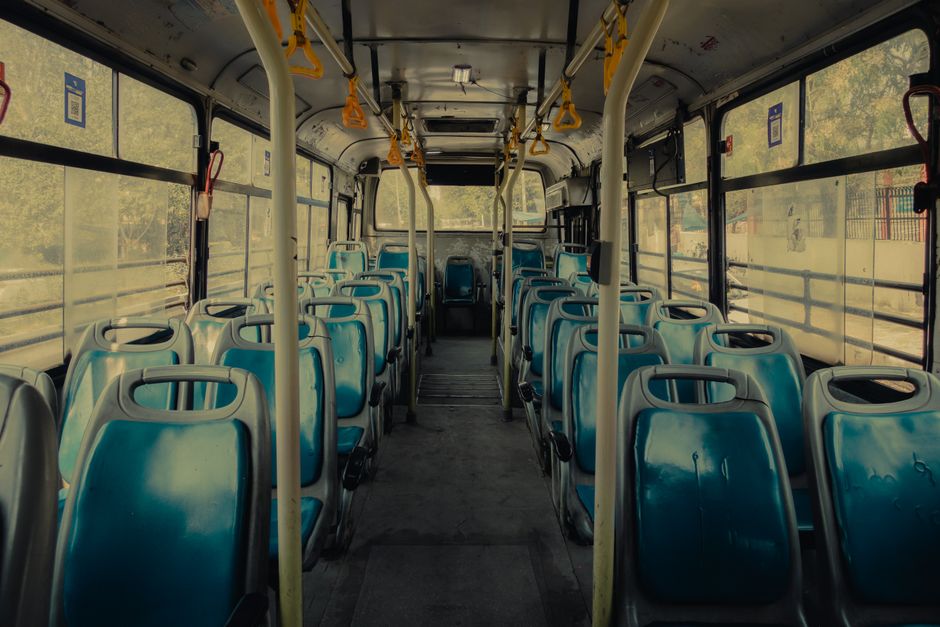
Best Charter Bus for Kids: A Parent and Group Leader’s Guide


Planning a trip with a busload of kids is a different animal than booking transportation for adults. You’re not just thinking about seats and legroom, you’re thinking about seatbelts, bathroom breaks, chaperone ratios, and what happens if someone gets carsick twenty minutes from the destination. Finding the best charter bus for kids means balancing safety, comfort, and practicality in a way that keeps everyone calm, including the adults in charge.
Whether you’re organizing a school field trip, a youth sports tournament, a church group outing, or a family reunion with a dozen cousins under age twelve, the right bus can make or break the experience. In this guide, you’ll learn exactly what to look for in a charter bus for children, which amenities matter most, how to handle safety and supervision, and how to avoid the common mistakes that turn a fun trip into a logistical headache.
Why Choosing the Right Charter Bus for Kids Matters
Adults can tolerate a cramped seat or a bus without a working restroom for a couple of hours. Kids generally cannot, at least not without complaints, wiggling, or worse. A bus that isn’t well-suited for younger passengers can lead to restlessness, safety concerns, and a stressful ride for chaperones and drivers alike.
Beyond comfort, there are real safety considerations. Children require closer supervision, sometimes have specific seating or restraint needs, and are more sensitive to temperature, motion, and noise than adults. As a result, the vehicle you choose needs to support the adults doing the supervising, not work against them.
In addition, group leaders are often responsible to parents, school administrators, or camp directors who expect a certain standard of care. Choosing a reputable charter bus company with the right kid-friendly features isn’t just about convenience, it’s about accountability.
Key Features to Look for in the Best Charter Bus for Kids
Not every charter bus is built the same way, and not every bus that works well for a corporate retreat will work well for a group of second graders. Here are the features that matter most when kids are the passengers.
Seatbelts and Child Safety Compliance
Federal regulations require most newer charter buses to have three-point seatbelts, similar to what you’d find in a car. This is a significant safety upgrade over older motorcoaches, which sometimes only had lap belts. When booking, ask specifically:
- Does the bus have three-point seatbelts at every seat?
- Is the bus a model year that complies with current federal seatbelt standards?
- Are there any child booster seat or car seat requirements for very young children?
Many charter companies will confirm this information upfront, but it’s worth asking directly rather than assuming. If you’re transporting toddlers or preschool-age children, check state laws regarding car seats on buses, since requirements vary and some states exempt buses from the same rules that apply to personal vehicles.
Restroom Access
For any trip longer than an hour, an onboard restroom is not a luxury, it’s a necessity. Kids often need more frequent bathroom breaks than adults, and having one on the bus reduces the number of unscheduled stops, keeps the group on schedule, and avoids the awkwardness of pulling into a gas station with thirty children in tow.
Climate Control
Kids run hot or cold more easily than adults, especially on buses packed with excited, fidgety passengers. A reliable air conditioning and heating system keeps everyone comfortable regardless of the season. Ask about the bus’s climate control zones, particularly for larger vehicles where temperature can vary from the front to the back.
Entertainment and Distraction Options
A long ride with bored kids is a recipe for chaos. Many modern charter buses come equipped with:
- Onboard Wi-Fi
- Power outlets or USB charging ports
- Overhead TV screens for movies
- Bluetooth audio systems
These amenities aren’t strictly necessary, but they go a long way toward keeping younger passengers entertained and calm during the ride, especially on longer trips like summer camp transportation or multi-hour field trips.
Storage Space
Kids travel with a lot of stuff, backpacks, lunch boxes, sports equipment, extra layers of clothing, and sometimes small suitcases for overnight trips. Look for a bus with generous overhead bins and, for longer trips, underneath cargo storage so the aisles stay clear and safe.
Visibility for Chaperones
Buses with a slightly elevated seating design or a layout that allows chaperones to see most of the cabin from a few strategic seats make supervision much easier. Some charter companies can also recommend seating charts that place chaperones at intervals throughout the bus rather than clustering adults at the front.
Types of Charter Buses Suitable for Kids’ Trips
Charter bus fleets typically include a range of vehicle sizes and styles. Matching the vehicle type to your group size and trip type is one of the most important planning decisions you’ll make.
Full-Size Motorcoaches
These are the large, 45 to 56-passenger buses most people picture when they think of a charter bus. They’re ideal for school field trips, sports team travel, and large youth group outings. Full-size motorcoaches typically include onboard restrooms, ample storage, and comfortable reclining seats, making them a strong choice for trips over an hour.
Mini Charter Buses
For smaller groups, such as a single classroom or a small club, a mini charter bus (typically 20 to 35 passengers) offers a more manageable option. These buses are easier to maneuver in tight parking situations, like school pickup loops, and are often more cost-effective for smaller headcounts. If you’re trying to figure out the right vehicle size for a smaller group, this guide to choosing the right bus for small groups breaks down the options in more detail.
School Buses vs. Charter Buses
It’s worth noting the difference here, since some organizers assume a yellow school bus is the default option. Traditional school buses are designed for short, local routes and typically lack amenities like restrooms, reclining seats, or climate zones suited for long rides. Charter buses, on the other hand, are built for comfort over distance and are usually the better choice for field trips, tournaments, or any excursion that goes beyond a short local drive.
Safety Considerations Specific to Kids’ Charter Bus Trips
Safety is always the top priority when children are involved, and it goes beyond just seatbelts. Here’s what experienced group leaders and school administrators pay close attention to.
Driver Experience and Background Checks
Ask the charter company about their driver vetting process. Reputable companies conduct background checks, drug testing, and require a valid commercial driver’s license (CDL) with a passenger endorsement. Experience matters too, drivers who regularly transport school groups or youth organizations tend to be more comfortable managing the noise and movement that comes with younger passengers.
Chaperone-to-Child Ratios
Most schools and youth organizations have their own policy on chaperone ratios (commonly somewhere between 1 chaperone per 8 to 15 kids, depending on age group). Make sure the bus layout and seating plan support this ratio, spreading adults throughout the bus rather than seating them all together.
Emergency Procedures
Before departure, confirm that the driver and chaperones understand emergency exit locations, first aid kit placement, and the protocol if a child becomes ill or has an allergic reaction mid-trip. It helps to do a quick safety briefing with kids before pulling away from the curb, pointing out emergency exits and reviewing basic bus etiquette.
Head Counts and Check-In Systems
Simple as it sounds, an organized head count system before departure and at every stop is one of the most effective ways to prevent a child from being left behind. Many group leaders use a buddy system or numbered seating chart specifically to make head counts faster and more reliable.
Planning the Trip: What to Do Before You Book
Booking the bus is only one part of the puzzle. Thoughtful planning before the trip reduces stress on travel day and helps everything run smoothly.
Determine Group Size and Age Range Early
The age range of your group affects everything from restroom break frequency to entertainment choices to seating arrangements. A bus full of teenagers has very different needs than a bus full of kindergarteners.
Confirm Pickup and Drop-Off Logistics
School parking lots, camp entrances, and venue drop-off zones can be tight, especially with large motorcoaches. Confirm ahead of time where the bus will park, whether it can access the specific entrance you need, and how loading and unloading will be supervised. This pickup and drop-off planning guide is a useful resource for mapping this out in advance.
Plan for Multiple Stops if Needed
Some trips require more than one stop, for example, picking up kids from two different schools or dropping a subgroup off at a hotel before continuing to an event. Most charter companies can accommodate this, but it needs to be arranged ahead of time. Learn more about how this works in our article on whether a charter bus can make multiple stops.
Build in Time for the Unexpected
Kids move slower than adults, get distracted, and occasionally need an extra bathroom stop. Build buffer time into your schedule rather than planning down to the minute. A 20 to 30 minute cushion can prevent a lot of unnecessary stress for both drivers and chaperones.
Prepare a Pre-Departure Checklist
Before wheels start rolling, confirm headcounts, collect any medical or allergy information, distribute name tags or wristbands for younger kids, and make sure every chaperone knows their assigned section of the bus. A detailed pre-departure checklist can help make sure nothing falls through the cracks.
Best Charter Bus Options by Trip Type
Different kid-focused trips have different transportation needs. Here’s how to think about it based on the type of outing you’re planning.
School Field Trips
For museum visits, science centers, or historical sites, comfort and reliable timing matter most since you’re often working within a school’s tight daily schedule. A mini or full-size charter bus with onboard restrooms and good visibility for chaperones works well here. If you’re specifically planning a museum outing, check out our museum trip planning guide for additional tips on timing and group management.
Amusement and Theme Park Trips
These trips tend to involve excited kids, long days, and a lot of walking, which means the ride there and back needs to be as relaxing as possible. Reclining seats, climate control, and onboard entertainment help kids wind down on the way home after a full day on their feet. Our theme park charter bus guide covers specific considerations like parking logistics and group re-entry after the park closes.
Summer Camp Transportation
Camp trips often involve overnight bags, longer distances, and a wider age range of campers. Storage space and restroom access become especially important here. Our summer camp transportation guide walks through how to coordinate pickup locations, luggage, and camper check-in procedures.
Sports Tournaments and Competitions
Youth sports teams often need buses that can handle equipment storage in addition to passengers. A full-size motorcoach with generous underneath cargo space is usually the better fit, especially for tournaments requiring overnight travel.
Church and Youth Group Outings
These trips vary widely in size and distance, from a short retreat to a multi-day mission trip. Because these groups often mix age ranges, from young kids to teen volunteers, flexible seating and a driver experienced with mixed-age groups are valuable.
How Group Size Affects Your Charter Bus Choice
The number of kids attending directly impacts which bus size makes sense, and getting this wrong is one of the most common planning mistakes.
- Under 20 kids: A mini charter bus or large passenger van is often sufficient and more cost-effective.
- 20 to 40 kids: A mid-size charter bus balances comfort and cost well for this range. For more specifics, see our guide on charter bus rental for 40 people.
- 40 to 60 kids: A full-size motorcoach is typically necessary. Our planning guide for 60-person groups covers logistics for larger school and camp groups.
- 60+ kids: Multiple buses are usually required, both for capacity reasons and to keep chaperone ratios manageable. Our guide to choosing buses for large groups can help you decide how to split up a very large group.
It’s tempting to book the exact number of seats needed for your headcount, but leaving a little breathing room, especially with squirmy kids and bulky backpacks, tends to make the ride more comfortable for everyone.
Budgeting for a Kids’ Charter Bus Trip
Cost is often the deciding factor for schools and nonprofit youth organizations working with tight budgets. Here’s what typically affects pricing.
Distance and Trip Duration
Longer trips or multi-day rentals cost more, both because of driver hours and fuel. Round-trip same-day rentals are generally the most budget-friendly option for local field trips.
Bus Size
Larger buses cost more to rent than smaller ones, but splitting a large group across two smaller buses can sometimes cost more overall than booking one larger vehicle. It’s worth requesting quotes for a few different configurations before deciding.
Seasonal Demand
Spring is peak field trip season, and early summer is peak season for camp transportation. Booking early, ideally 4 to 8 weeks ahead for a standard trip, helps secure better rates and availability.
Deposit and Cancellation Terms
School trips sometimes get rescheduled due to weather or attendance issues, so it’s smart to understand the charter company’s policy before signing a contract. Review our deposit and cancellation policy guide so there are no surprises if plans change.
Questions to Ask a Charter Bus Company Before Booking a Kids’ Trip
Not all charter companies specialize in youth transportation, so it helps to ask pointed questions during the quote process.
- Do your buses have three-point seatbelts at every seat?
- What is your driver vetting and background check process?
- Is there an onboard restroom, and is it in good working condition?
- Can the bus accommodate our specific pickup and drop-off locations?
- What is your policy for a delayed pickup or drop-off due to a school schedule change?
- Do you have experience transporting school or youth groups specifically?
- What happens if a child becomes sick or needs medical attention during the trip?
- What is included in your quoted price (fuel, driver gratuity, tolls, parking)?
A charter company that answers these questions clearly and confidently is generally a good sign that they understand the unique needs of transporting children.
Common Mistakes to Avoid
Even experienced group leaders make planning mistakes. Here are a few of the most common ones and how to avoid them.
Underestimating Bathroom Needs
Even a short trip can feel long to a child who did not use the restroom before boarding. Even if the bus has an onboard restroom, build in a pre-departure bathroom break as a non-negotiable part of your routine, and plan a mid-trip stop for any ride over two hours. Group leaders who skip this step often find themselves dealing with an unhappy, uncomfortable group of kids halfway through the trip.
Booking a Bus That Is Too Small (or Too Large)
Guessing at headcount is a common and costly mistake. Too few seats means some kids end up doubled up or sitting apart from their assigned chaperone. Too much extra space can tempt kids to move around more than they should. Take an accurate headcount, add a small buffer for last-minute additions, and talk to your charter company about the best bus size for your group. Our guides on choosing the right bus for large groups and choosing the right bus for small groups can help you match the vehicle to your exact numbers.
Forgetting to Confirm Car Seat and Booster Requirements
Many parents and even some group leaders assume charter buses are automatically exempt from car seat laws. While this is often true for large buses, it is not universal, and it is not something you want to discover the morning of the trip. Confirm the rules in writing well ahead of time so families know exactly what to bring, if anything.
Not Assigning Seats or Chaperone Groups in Advance
Leaving seating up to chance on the day of the trip almost always leads to confusion, arguments, and delays. Assign seats and chaperone groups ahead of time and share the plan with parents and staff before departure day so everyone knows where they belong the moment they step on the bus.
Overlooking the Return Trip
It is easy to focus all your planning energy on the trip out and forget that tired, cranky kids need just as much structure on the way home. Pack the return trip with a calmer activity list, plan for an earlier bathroom break if needed, and have a plan for handing off any lost items or unclaimed belongings before everyone disperses.
Making the Trip Fun Without Losing Control
A well-run kids’ charter bus trip does not have to feel like a strict march from point A to point B. Structure and fun are not opposites. In fact, the more predictable and organized the trip feels, the more freedom you can safely give kids to enjoy themselves. Consider a simple rewards system, like a sticker chart for good bus behavior that leads to a small prize at the destination. Let older kids help pick a portion of the music playlist or vote on a game. Small moments of choice and ownership go a long way toward keeping a group of children happy and cooperative for the entire ride.
If your trip involves a full day out, such as a theme park visit or a museum trip, remember that the bus ride itself is part of the experience for kids. A comfortable, well-planned ride sets the tone for the rest of the day, while a chaotic one can leave everyone frazzled before you even arrive.
Frequently Asked Questions
What age is appropriate for a charter bus trip?
There is no strict minimum age for charter bus travel, but most group leaders find that charter buses work well for children as young as preschool age, provided there is adequate adult supervision and the seating and safety needs of younger riders are addressed ahead of time. For infants and toddlers who may require car seats, confirm state law and company policy before booking.
Do charter buses have seatbelts for every seat?
Most modern charter buses built for group and school transportation are equipped with three-point seatbelts at every seat, but this can vary by vehicle and company. Always confirm seatbelt availability directly with the charter provider rather than assuming, especially if you are booking an older or budget vehicle.
How many chaperones do we need for a kids’ charter bus trip?
A common guideline is one adult chaperone for every 8 to 10 children, though younger age groups or children with additional needs may require a lower ratio. Many schools and youth organizations have their own required ratios, so check with your organization’s policy in addition to the charter company’s recommendations.
Can we bring car seats or booster seats onto a charter bus?
In many states, large charter buses are exempt from car seat and booster seat laws that apply to standard vehicles, but this is not true everywhere. Confirm the specific requirements for your state and route with the charter company before the trip so parents know what, if anything, to provide.
What should we do if a child gets motion sick on the bus?
Pack a small kit with motion sickness bags, wipes, and a change of clothes, and seat kids who are prone to motion sickness toward the front of the bus near a window with a clear view forward. Encourage them to avoid reading or looking at screens for extended periods, and let the driver know ahead of time so a bathroom or rest stop can be planned if needed.
Final Thoughts
Choosing the best charter bus for kids comes down to preparation, clear communication, and a genuine focus on safety at every step. From selecting a reputable charter company and confirming safety features, to setting expectations, assigning seats, and packing the right onboard supplies, every detail plays a part in creating a smooth and enjoyable trip. Whether you are a parent organizing a small group outing or a teacher coordinating a school-wide field trip, taking the time to plan thoughtfully pays off in a calmer ride, happier kids, and a lot less stress for the adults in charge. With the right charter bus and the right plan in place, your group can spend less time worrying about logistics and more time enjoying the adventure ahead.