What a Charter Bus Road Trip Taught Us About Traveling Together


Somewhere around hour six of a charter bus road trip through three states, someone in the back started teaching the front row how to play a card game with rules that seemed to change every round. Nobody complained about the delay at the last rest stop. Nobody was scrolling through a phone trying to tune everyone out. For a group of forty-some people who barely knew each other at departure, that moment said more about travel than any guidebook ever could.
A charter bus road trip has a strange way of compressing a group’s personality into a few hundred square feet and a few hundred miles. You learn who shares snacks without being asked. You learn who needs the aisle seat and who needs quiet. You learn, fast, whether your group can actually travel together or whether you’ve just been sharing a destination and calling it a trip. This article breaks down what we learned about traveling together on a long charter bus ride, and how those lessons apply whether you’re planning a family reunion, a school trip, a corporate outing, or a weekend getaway with friends.
The Difference Between a Road Trip and a Charter Bus Road Trip
Most people think of road trips in terms of cars: two or three people, a driver who has to stay alert, and a playlist that gets negotiated at every gas station. A charter bus road trip changes the entire equation. Nobody drives. Nobody navigates. The group isn’t split across five vehicles hoping everyone hits the same exit at the same time.
Instead, everyone moves as one unit. That single change, riding together instead of driving separately, ends up reshaping how a group interacts for the entire trip. There’s no convoy to keep track of, no separate car falling behind at a gas station, no arguments over who has to drive the overnight leg. The group simply exists together, for better or worse, for the whole ride.
That’s the part nobody warns you about. A charter bus road trip doesn’t just get you from point A to point B. It puts you in a shared space with your travel companions for hours at a stretch, with nowhere else to go and nothing else to do but actually be present with each other. As it turns out, that’s exactly the kind of pressure that reveals how well a group really travels together.
Lesson 1: Shared Space Forces Real Communication
In a car, you can avoid a conversation by turning up the radio. On a plane, you can put in headphones and never speak to the person next to you. But on a charter bus, especially one filled with people who are supposed to be traveling together as a group, isolation is harder to pull off. Someone will ask what time the next stop is. Someone will ask if you want to trade seats. Someone will start a conversation about the last time they took a long-distance trip.
Over the course of our trip, this constant low-level interaction did something unexpected. It built familiarity faster than a typical group outing would. By the second rest stop, people who started as strangers were sharing directions to the best coffee at a particular truck stop. By the halfway point, an entire row had planned a mini scavenger hunt for the second half of the drive.
Here’s the practical takeaway: if you want a group to bond, you have to give them the conditions to actually talk to each other. A charter bus, by its nature, does that. Compare it to driving separately in multiple cars, where communication is limited to group texts and the occasional walkie-talkie app, and the difference becomes obvious. Shared physical space still beats digital coordination when it comes to building real connection.
Why This Matters for Trip Planners
If you’re organizing a group trip, whether it’s a class trip, a sports team travel day, or a family reunion, don’t underestimate how much the mode of transportation shapes the emotional tone of the trip before you even arrive. Groups that travel together in one vehicle tend to arrive more cohesive than groups that show up in scattered cars, tired from navigating and irritated from traffic disagreements.
Lesson 2: Planning Together Beats Planning For Others
One of the biggest mistakes group trip organizers make is treating planning as something done to the group rather than with the group. On our charter bus road trip, the itinerary wasn’t handed down from a single organizer with no input from anyone else. Instead, there was a group chat weeks in advance where people voted on stops, suggested playlists, and flagged dietary needs for the food stops.
That small shift, from planning for people to planning with people, changed how everyone showed up. Passengers who had a say in the route felt ownership over the trip. They weren’t just along for the ride; they had helped build it. That ownership translated into patience when things didn’t go exactly as scheduled, and enthusiasm when a stop turned out better than expected.
Setting Group Expectations Before You Board
Before the wheels ever left the parking lot, our group set a few basic expectations:
- Quiet hours after a certain time for people trying to sleep
- An agreed-upon system for choosing music or in-bus entertainment
- A clear understanding of bathroom break frequency and duration
- A shared document listing food allergies and preferences for meal stops
None of this sounds glamorous. But these small logistical agreements prevented dozens of tiny frustrations from building into real conflict. Traveling together works best when the group agrees on the boring details early, so nobody has to negotiate them in real time while tired and hungry at mile marker 210.
Splitting Costs Without Splitting Friendships
Money is one of the fastest ways to turn a fun group trip into a tense one. Our group used a simple, transparent method: total cost divided evenly, with an online payment tracker everyone could see. Nobody had to wonder if they were paying more than their fair share, and the organizer wasn’t stuck chasing people down for money after the trip.
If you’re planning something similar, it’s worth reading a full breakdown on how to split a charter bus rental cost fairly among friends before you start collecting payments. Getting this right at the outset avoids awkward conversations later and keeps the focus on the trip instead of the invoice.
Lesson 3: The Itinerary Matters Less Than the Mindset
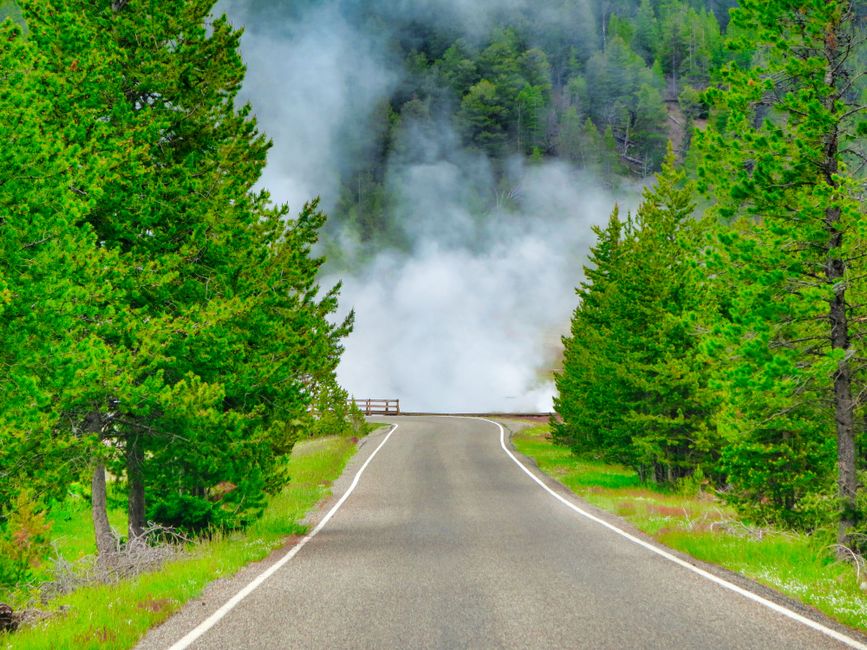
We had a route planned out with specific stops, timed breaks, and a rough schedule for arrival. About four hours in, a scenic overlook that wasn’t on the original plan caught everyone’s attention through the windows. The driver, familiar with the area, pulled off for twenty minutes so people could stretch their legs and take photos.
That unplanned stop ended up being the highlight several passengers mentioned when the trip was over. Not the destination. Not the planned attractions. A random overlook that nobody had scheduled.
This taught us something important about traveling together: the itinerary is a framework, not a contract. Groups that hold too tightly to a rigid schedule often miss the moments that make a trip memorable. Groups that build in flexibility, even just twenty or thirty minutes of buffer time, end up with better stories and less stress.
Scenic Routes vs. Straight Shots
There’s a real difference between choosing the fastest route and choosing the best route. On long charter bus road trips, especially ones through regions with dramatic landscapes, the scenic route often adds only a modest amount of time while dramatically improving the experience. If you’re planning a trip through mountain terrain, it’s worth checking out a guide to the best scenic routes for charter bus groups in Colorado, which lays out how to balance travel time with views worth stopping for.
The same logic applies almost anywhere. A slightly longer route that passes through interesting small towns, scenic overlooks, or historic sites usually beats a highway-only route that prioritizes speed over experience. Groups traveling together should decide together whether they’d rather save forty-five minutes or gain a better story.
Lesson 4: Small Comforts Make a Big Difference
Long-distance group travel lives or dies on small details. A charter bus road trip highlighted just how much comfort affects group mood, and by extension, how well people get along.
Here’s what stood out:
- Temperature control: A bus that’s too hot or too cold creates irritability fast. Groups should communicate with the driver or coordinator about comfort settings early.
- Bathroom access: Buses with onboard restrooms dramatically reduce stop frequency and keep the schedule on track.
- Charging outlets: Dead phones lead to bored, restless passengers. Buses with power outlets kept people entertained and connected.
- Legroom and seat width: On trips longer than three or four hours, seat comfort has an outsized effect on group patience.
- Snack and water availability: Low blood sugar turns minor disagreements into major ones. Keeping snacks accessible kept the mood level.
None of these are dramatic revelations on their own. But together, they add up to the difference between a group that arrives energized and a group that arrives exhausted and short-tempered. When you’re traveling together for hours, comfort isn’t a luxury, it’s part of the social infrastructure that keeps everyone civil.
Lesson 5: Group Dynamics Reveal Themselves on the Road
Every group has roles, even if nobody assigns them formally. Our charter bus trip made those roles obvious within the first hour.
The Planner, The Wanderer, and Everyone In Between
There was the planner, who had memorized the itinerary and reminded everyone of stop times. There was the wanderer, who wanted to explore every rest stop fully and occasionally needed a gentle nudge to get back on the bus. There was the connector, who made sure nobody sat alone and introduced people across friend groups. There was the quiet observer, who preferred a window seat and a book but still contributed when asked.
None of these roles are good or bad. They’re simply how people naturally show up in group settings. Recognizing them early made the trip smoother because people stopped expecting everyone to behave the same way. The planner learned to relax the schedule slightly. The wanderer learned to respect departure times. The group, as a whole, learned to accommodate different travel styles instead of forcing one approach on everyone.
This lesson applies well beyond charter bus trips. Any group activity, from a work retreat to a multi-family vacation, benefits from acknowledging that people process shared experiences differently. Traveling together works best when the group makes room for those differences instead of expecting uniformity.
Lesson 6: Traveling Together Builds Trust Faster Than Traveling Alone
There’s a psychological effect that shows up on long shared journeys: trust builds faster when people go through something together, even something as simple as a long bus ride. Minor shared discomforts, a late departure, a missed exit, a long line at a rest stop, tend to create small bonding moments rather than resentment, as long as the group handles them with humor and patience.
By the end of our trip, people who had exchanged maybe ten words with each other at the start were coordinating dinner plans and trading contact information. That kind of rapid trust-building rarely happens when people travel separately and simply meet up at the destination. Something about the shared vulnerability of being stuck together, literally, for hours, accelerates the process of getting to know one another.
Group trip organizers, especially those planning trips for teams, clubs, or organizations, should think about this deliberately. If part of the goal of the trip is relationship-building (a common goal for youth groups, sports teams, or corporate retreats), then travel time isn’t wasted time. It’s some of the most valuable time on the entire itinerary.
Why Charter Buses Are Built for This Kind of Travel
It’s worth stepping back to explain why a charter bus, specifically, produces these results better than other transportation options. The format itself encourages the kind of togetherness this article has been describing.
Comparing to Flying or Driving Separately
Flying scatters a group across a terminal, security lines, and separate boarding groups. Even if everyone books the same flight, the shared experience mostly disappears once you’re at the gate. Driving separately splits the group into isolated vehicles, and coordination becomes a logistical headache involving multiple GPS routes and gas station meetups.
A charter bus avoids both problems. Everyone boards together, travels together, and arrives together. There’s also a financial angle worth considering. For larger groups, it’s often significantly more affordable than flying, especially once you factor in baggage fees, airport transportation, and the value of everyone’s time spent navigating security. A detailed comparison is available in this breakdown of whether renting a charter bus is cheaper than buying plane tickets, which is worth reviewing before booking either option for a group trip.
Booking Smart: Timing and Pricing
Charter bus pricing isn’t fixed the way airline pricing often feels. There’s room to negotiate, and timing matters quite a bit. Groups that book too close to their travel date sometimes pay a premium, while groups that plan further ahead often get better rates and more vehicle options. If you’re organizing a trip and want to keep costs reasonable, it helps to understand how to negotiate a better charter bus price before you sign a contract.
Booking strategy matters just as much as itinerary planning. A group that overpays for transportation often has less flexibility for activities, meals, or lodging once they arrive. Getting the transportation cost right early frees up budget for the experiences that actually make the trip memorable.
How to Apply These Lessons to Your Own Group Trip
Whether you’re planning a school trip, a family reunion, a bachelorette weekend, or a corporate event, the lessons from our charter bus road trip translate directly. Here’s how to put them into practice.
Before the Trip
- Involve the group in planning decisions, even small ones like meal stops or entertainment choices
- Set clear expectations around quiet time, phone use, and shared space etiquette
- Agree on a transparent cost-splitting method before collecting any payments
- Choose a bus with the comfort features your specific trip length requires (restrooms, outlets, legroom)
- Build in buffer time for unplanned stops instead of scheduling every minute
During the Trip
- Encourage mixing and mingling instead of letting friend groups isolate into separate sections
- Respect the different travel personalities in your group, planners, wanderers, and quiet observers alike
- Treat minor delays or hiccups as shared experiences rather than problems to complain about
- Use travel time intentionally if relationship-building is a goal of the trip
After the Trip
- Ask for feedback on what worked and what didn’t, so future trips improve
- Share photos and memories from the road, not just the destination
- Note logistical lessons learned for the next group trip you plan
These lessons apply broadly, but they’re especially useful for specific trip types. If you’re planning a trip to a national park with a large group, for example, the same principles around flexibility and shared planning apply directly, and it helps to review a full guide on how to plan a group trip to a national park for destination-specific tips. The transportation lessons stay the same regardless of where the bus is headed.
What Research Says About Group Travel and Bonding
The idea that shared experiences build relationships faster than isolated ones isn’t just anecdotal. Behavioral researchers have long noted that shared novel experiences, especially ones involving mild challenges or unpredictability, tend to strengthen social bonds more effectively than routine, low-stakes interactions. A long charter bus road trip checks both boxes: it’s novel enough to be memorable and unpredictable enough to require cooperation.
Safety is part of this equation too. Charter buses operate under federal safety regulations enforced by the Federal Motor Carrier Safety Administration, which means professional drivers, vehicle inspections, and hours-of-service rules are all built into the experience. That regulatory structure matters because it removes a layer of stress that exists in group car caravans, where safety depends entirely on individual drivers staying alert over long distances.
When the group doesn’t have to worry about navigation, driver fatigue, or getting separated in traffic, more mental and emotional energy is available for actually connecting with fellow travelers. That’s a big part of why the format itself, not just the destination, shapes how well people travel together.
Common Mistakes That Undermine Group Travel
Not every charter bus trip runs smoothly, and it’s worth naming a few mistakes that can undo the benefits described above.
- Over-scheduling: Packing the itinerary so tightly that there’s no room for spontaneous stops or rest removes the flexibility that makes group trips enjoyable.
- Ignoring seating dynamics: Letting friend groups clump together the entire trip can prevent the broader group bonding that makes charter bus travel special.
- Skipping the logistics conversation: Failing to agree on quiet hours, cost splitting, or bathroom break frequency ahead of time leads to friction mid-trip.
- Choosing the cheapest bus without checking comfort features: A bargain bus without restrooms or working climate control can turn a manageable trip into a miserable one.
- Booking too late: Waiting until the last minute limits vehicle options and can drive up costs, especially during peak travel seasons.
Avoiding these mistakes isn’t complicated, but it does require intentional planning rather than assuming things will work themselves out once everyone’s on the road.
When a Charter Bus Road Trip Makes the Most Sense
Not every trip calls for a charter bus, but certain situations make it the clear best choice for groups trying to travel together well.
- Large groups headed to the same event: Sports games, concerts, and festivals are natural fits, since everyone needs to arrive and leave at the same time anyway.
- Multi-generational family trips: When grandparents, parents, and kids are all traveling together, a bus removes the burden of coordinating multiple drivers and vehicles.
- Corporate retreats and team trips: Shared travel time doubles as informal team-building, often more effectively than a scheduled icebreaker activity.
- School and youth group trips: Supervision is simpler when the entire group stays together in one vehicle rather than splitting across cars or vans.
- Destination trips with scenic value: Routes through mountains, coastlines, or national parks benefit from a vehicle that lets everyone enjoy the view without anyone having to focus on driving.
If your group fits any of these categories, the logistics of a charter bus tend to pay off both practically and socially, which is really the heart of what this whole experience taught us.
FAQ: Charter Bus Road Trips and Group Travel
How long can a charter bus road trip comfortably last?
Most groups comfortably manage charter bus road trips of six to ten hours in a single day, especially with a bus that includes onboard restrooms, climate control, and comfortable seating. For longer multi-day trips, building in overnight stops and rest breaks every few hours keeps the group in good spirits and prevents fatigue from affecting the overall experience.
What size group works best for a charter bus trip?
Charter buses typically accommodate anywhere from 20 to 56 passengers depending on the vehicle size, which makes them a good fit for mid-size to large groups. Smaller groups sometimes use minibuses or vans for similar benefits on a smaller scale, but the core lessons about shared space and group planning still apply regardless of size.
How do you keep a large group entertained on a long bus ride?
A mix of planned activities, like trivia or group games, and unstructured downtime tends to work best. Giving people the freedom to choose between socializing, resting, or enjoying quiet time respects the different travel personalities within any group, while a few structured moments help keep energy up during longer stretches.
Is it cheaper to rent a charter bus or have everyone drive separately?
It depends on group size and distance, but for groups of 20 or more traveling a significant distance, a charter bus often works out cheaper per person once you factor in gas, tolls, parking, and vehicle wear across multiple cars. It also removes the coordination headaches that come with a multi-vehicle caravan.
What should organizers do before booking a charter bus for a group trip?
Confirm group size, set a realistic budget, agree on a cost-splitting method, and communicate with the bus company about specific comfort needs like restrooms, accessibility requirements, or luggage space. Booking with enough lead time also tends to result in better pricing and more vehicle options.
Final Thoughts
A charter bus road trip is never really just about the miles covered. It’s about what happens between the departure point and the destination: the conversations that start over shared snacks, the small compromises about music and rest stops, the unplanned overlook that becomes everyone’s favorite memory. Traveling together, in the literal sense of sharing one vehicle and one journey, does something that traveling separately simply can’t replicate.
If you’re planning a group trip of your own, whether it’s a reunion, a school outing, a sports trip, or a weekend getaway, take these lessons seriously. Plan with your group, not just for them. Build in flexibility. Pay attention to comfort. And trust that the ride itself, not just the destination, might end up being the part everyone remembers most.