
Experience & Lifestyle Blogs: The Secret to Shareable Content and Social Traffic

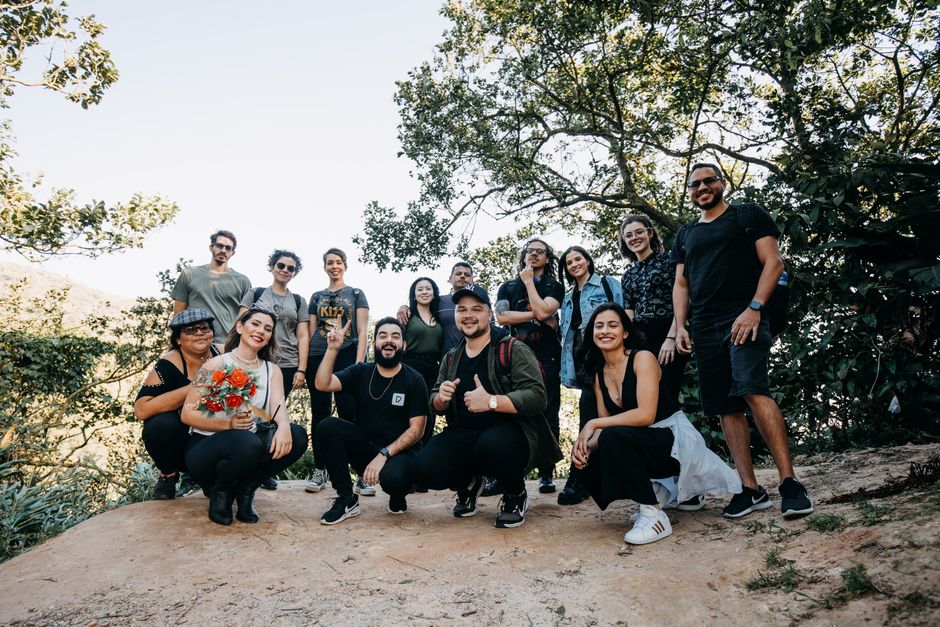
Some blog posts get read once and forgotten. Others get shared hundreds of times, pop up in three different group chats, and end up screenshotted into someone’s travel planning folder. The difference almost always comes down to one thing: experience. Posts built around real experiences and lifestyle moments consistently outperform generic content when it comes to social shares, referral traffic, and repeat visitors.
If you run a blog, manage content for a brand, or simply want to understand why some travel and lifestyle articles blow up on social media while others sit quietly with a handful of views, this guide breaks it down. You will learn what experience and lifestyle blogs actually are, why they generate so much social traffic, what separates the shareable ones from the forgettable ones, and how to build this kind of content strategy for your own site.
What Are Experience & Lifestyle Blogs, and Why Do They Matter?
Experience and lifestyle blogs focus on moments rather than facts. Instead of listing the top ten restaurants in a city, an experience blog walks you through what it actually feels like to eat street tacos at 11 p.m. with a group of friends after a concert. Instead of explaining how national parks work, a lifestyle post describes the exact feeling of watching a sunrise from a mountain overlook with twenty other people on a group trip.
This distinction matters because readers do not share information as often as they share feelings. A well-written experience and lifestyle blog taps into nostalgia, aspiration, humor, or connection, and those emotional triggers are exactly what drive people to hit the share button. As a result, this content category has become one of the most reliable sources of organic social traffic for travel companies, hospitality brands, and personal bloggers alike.
In addition, experience-driven content tends to have a longer shelf life than news-style posts. A well-crafted piece about a group weekend trip or a shared cultural experience can keep getting discovered and reshared for years because the emotional appeal does not expire the way breaking news does.
The Rise of Shareable Content and Social Traffic
Search engines still matter enormously, but social platforms have changed how people discover new blogs. Pinterest boards, Instagram carousels, Facebook groups, and even niche subreddits now function as discovery engines that can send more traffic to a single post than a page-one Google ranking. Understanding this shift is critical for anyone trying to grow blog traffic in a competitive niche like travel or lifestyle content.
Platforms reward content that keeps people engaged and that people want to pass along to friends. That is precisely what experience and lifestyle blogs do well. A post about a unique group activity, a hidden local spot, or a once-in-a-lifetime trip idea gives readers a reason to tag a friend or share it to a group planning chat, which is exactly the kind of behavior that fuels viral-style growth.
Why Social Traffic Behaves Differently Than Search Traffic
Search traffic tends to be intent-driven. Someone types a specific question into Google because they already know what they want. Social traffic, however, is often driven by curiosity and emotion. A person scrolling through Instagram is not actively looking for a blog post, but a compelling headline or photo can stop the scroll and pull them in.
This means experience and lifestyle content needs to work harder on the emotional hook while still delivering enough substance to satisfy readers once they arrive on the page. Blogs that master both sides, the emotional pull and the practical payoff, tend to see the strongest combination of social shares and return visits.
Why Experience & Lifestyle Blogs Get Shared More Than Traditional Content
Not every blog post is built to be shared. Understanding the psychology behind sharing behavior helps explain why lifestyle and experience content consistently outperforms more traditional formats.
Emotional Connection Drives Action
People share content that makes them feel something, whether that is joy, nostalgia, humor, or awe. A blog post describing a group of coworkers laughing their way through a scavenger hunt in a new city creates a stronger emotional response than a dry list of team-building activities. That emotional response is what turns a passive reader into someone who actively shares the post.
Visual Storytelling Sells the Experience
Experience and lifestyle blogs rely heavily on strong imagery, whether that is professional photography, candid group photos, or short video clips. A photo of a packed charter bus pulling up to a stadium before a big game tells a story instantly, in a way that paragraphs of text cannot match on their own. Visuals give readers something immediate to react to and share, especially on image-first platforms.
Relatability and Aspiration Working Together
The best lifestyle content strikes a balance between feeling relatable and feeling aspirational. Readers need to see themselves in the story, but they also need to feel like the experience is slightly out of the ordinary. A post about a weekend group trip that feels both achievable and exciting checks both boxes, which is why it tends to outperform content that is either too mundane or too unattainable.
Key Elements of a Shareable Experience & Lifestyle Blog Post
Creating this kind of content is not about luck. There are specific, repeatable elements that show up again and again in posts that generate strong social traffic.
Authentic Storytelling Over Generic Advice
Readers can tell the difference between a post written from genuine experience and one written purely to fill a content calendar. Authentic storytelling includes specific details, like the exact restaurant a group stopped at after a game or the funny mishap that happened on a road trip. These small, honest details make a post feel real, which increases both trust and shareability.
High-Quality, Original Visuals
Stock photos have their place, but original photos and videos consistently perform better for experience-based content. A blog about a group visiting a stadium feels far more compelling with real crowd shots and candid group photos than with a generic stock image of an empty arena. If original visuals are not available, choosing high-quality, relevant images that closely match the story still helps.
Practical Takeaways Readers Can Use
Emotion gets the click and the share, but practical value is what keeps readers on the page and coming back. A great experience and lifestyle post blends storytelling with usable information, such as tips for planning a similar trip, recommendations for group activities, or logistics advice. This combination is part of why guides like state-specific travel inspiration content tend to perform well; they mix real inspiration with actionable planning details.
Headlines That Promise a Feeling, Not Just a Fact
Compare a headline like “10 Group Travel Tips” to “The Group Trip That Turned Strangers Into Lifelong Friends.” The second headline promises an emotional payoff, which naturally performs better in social feeds where users decide in a split second whether to click.
Types of Experience & Lifestyle Content That Go Viral
Certain formats and topics within the experience and lifestyle niche tend to consistently generate strong social engagement. Understanding these categories can help shape a more effective content strategy.
Travel and Group Trip Experiences
Travel content remains one of the strongest performers in the lifestyle space, especially when it focuses on group dynamics rather than solo travel. People love reading about shared experiences, whether that is a family reunion road trip, a bachelorette weekend, or a company outing. Posts that highlight unique regional experiences, like the ones found in guides covering unique group experiences specific to a state or region, tend to perform especially well because they combine local flavor with a sense of discovery.
Food and Local Culture
Food-focused lifestyle content taps into a nearly universal interest. Posts about food tours, hidden local eateries, or group dining experiences generate strong engagement because they are visually rich and easy to relate to. Adding a group or social angle, such as a story about a group splitting a massive dessert or trying a local specialty together, boosts shareability even further.
Event and Entertainment Experiences
Concerts, sporting events, and festivals are natural fits for experience-driven content. The energy of a crowd, the anticipation before a game, and the shared excitement of a group all translate well into blog storytelling. This is part of why content like a guide to group fan experiences at major stadiums resonates so strongly with readers who want both the emotional buildup and the practical details of planning a trip around a big event.
Behind-the-Scenes and Day-in-the-Life Content
Readers are curious about what happens behind the curtain, whether that is a look at how a tour group’s day is planned, what happens on a long charter bus ride, or the small moments that do not usually make it into a highlight reel. This type of content builds trust and often performs well because it feels unpolished and genuine compared to more curated posts.
How Group Travel Fits Into the Experience & Lifestyle Blog Niche
Group travel sits at a natural intersection of experience and lifestyle content. It combines the emotional appeal of shared memories with practical, searchable information about planning, logistics, and destinations. This makes it one of the most fertile areas for shareable blog content.
Think about the last time a friend sent you a travel article. It was probably not a dry list of flight booking tips. It was more likely a story about an unforgettable weekend trip, a roundup of unique regional experiences, or a guide built around a specific shared activity, like attending a game together as a group. This is exactly why destination-specific and experience-specific content tends to travel further on social media than generic travel advice.
Regional and State-Specific Angles
Localizing content adds authenticity and searchability at the same time. A post focused on experiences unique to a specific state or region gives readers something they cannot get from a generic “top travel tips” article. It also naturally appeals to local Facebook groups, regional subreddits, and community pages, which are prime channels for social sharing.
Event-Based and Seasonal Travel Content
Tying experience content to specific events, like major sports seasons, festivals, or holidays, creates a natural spike in relevance and shareability. Readers planning a trip around a specific event are more likely to share a helpful, experience-rich guide with the friends or family members joining them.
Building Your Own Experience & Lifestyle Blog for Social Traffic
If you want to build a blog that consistently drives social traffic through experience and lifestyle content, a clear strategy matters more than posting frequency alone.
Choosing Your Niche Within the Broader Category
“Lifestyle” is an enormous umbrella, so narrowing your focus helps you build a loyal, engaged audience faster. You might focus specifically on group travel, weekend getaways, food-centered experiences, or event-based trips. A defined niche also makes it easier to build internal topic clusters, similar to how a group travel blog might connect state-specific guides, stadium experience guides, and regional deep dives into one cohesive content ecosystem.
Choosing the Right Platforms and Formats
Different platforms favor different formats. Pinterest rewards vertical images and clear, benefit-driven titles. Instagram favors short-form video and carousel posts that tell a mini-story. Facebook groups respond well to personal, conversational writing paired with a link back to a full blog post. Understanding where your specific audience spends time helps you tailor content formats accordingly, rather than posting the same content everywhere and hoping something sticks.
Balancing SEO With Social Optimization
It is a mistake to treat SEO and social shareability as separate goals. The strongest experience and lifestyle posts are built to do both at once. That means using a clear focus keyword and structured headings for search engines, while also writing an emotionally compelling introduction and choosing a strong featured image for social sharing. Every post should be able to answer two questions: will this rank, and will this get shared?
Building a Content Calendar Around Real Experiences
Some of the best experience content comes from documenting real trips, events, or activities rather than inventing hypothetical scenarios. Planning your content calendar around actual upcoming trips, seasonal events, or recurring group activities ensures a steady supply of authentic material. This approach also makes it easier to capture original photos and firsthand details that make posts feel genuine.
Turning Blog Readers into Social Sharers
Traffic is only half the equation. The real goal of an experience and lifestyle blog is turning readers into active sharers who extend your reach far beyond your existing audience.
Shareability Triggers to Build Into Every Post
- Relatable moments: Include small, specific details readers recognize from their own lives, like the chaos of coordinating a large group or the excitement of finally arriving at a long-anticipated destination.
- Surprising or lesser-known information: Readers love sharing content that makes them look knowledgeable, so include at least one detail that feels like an insider tip.
- Strong visuals near the top of the post: The first image often determines whether someone scrolls further or shares the post before even finishing it.
- Clear structure: Headings, bullet points, and short paragraphs make content easier to skim and share on mobile devices, where most social traffic originates.
Calls to Action That Encourage Sharing
Simply asking readers to share a post can feel forced, but framing the request around the experience itself works better. Instead of a generic “share this post” button, try language like “tag the friend you would bring on this trip” or “send this to your group chat before your next getaway.” These small adjustments align the call to action with the emotional context of the content, which increases the likelihood of a genuine share.
Measuring Success: Social Traffic Metrics That Matter
It is easy to focus only on pageviews, but a handful of other metrics tell a more complete story about how well your experience and lifestyle content is performing.
Referral Traffic by Platform
Tracking which platforms send the most traffic helps you understand where your content resonates most and where to invest additional effort. A blog might discover that Pinterest drives steady long-term traffic while Instagram drives short bursts tied to specific posts.
Average Time on Page and Scroll Depth
High social traffic with low time on page often signals a mismatch between the promise of the headline and the actual content. Strong experience and lifestyle posts tend to hold attention because readers are genuinely engaged in the story, not just clicking out of curiosity.
Share Counts and Engagement Rate
Raw pageviews do not tell you whether content is actually being passed along. Tracking shares, comments, and saves gives a clearer picture of which posts are resonating deeply enough that readers want others to see them too.
Return Visitor Rate
Experience and lifestyle blogs that build a loyal following often see a healthy percentage of return visitors. This suggests that readers are not just discovering content once through social media but actively coming back for more, which is a strong signal of long-term brand and audience loyalty.
Common Mistakes to Avoid
Even well-intentioned experience and lifestyle blogs can fall short of their social traffic potential. Avoiding these common mistakes can make a significant difference.
Overpolishing Content Until It Feels Fake
Excessive editing and overly staged photography can strip the authenticity out of experience-based content. Readers are drawn to genuine moments, so a slightly imperfect but honest photo often outperforms a heavily edited, generic-looking stock image.
Ignoring Mobile Readability
Since most social traffic arrives via mobile devices, long unbroken paragraphs and tiny text can quickly drive readers away. Short paragraphs, clear subheadings, and easy-to-tap links are essential for keeping mobile visitors engaged long enough to read and share.
Failing to Localize or Personalize Content
Generic, one-size-fits-all lifestyle content struggles to compete with more specific, localized posts. Readers respond far more strongly to content that speaks directly to their region, interests, or specific type of group trip, rather than broad, vague advice that could apply to anyone.
Neglecting the Follow-Up
Many blogs post a single piece of experience-driven content and then move on, missing the opportunity to build a series. Readers who loved one group travel story are often eager for more, so building interconnected content, similar to linking a stadium fan experience guide with a broader regional travel guide, keeps readers engaged across multiple posts instead of just one.
Frequently Asked Questions About Experience & Lifestyle Blogs
What makes experience and lifestyle blogs different from regular blog content?
Experience and lifestyle blogs focus on storytelling and emotional connection rather than pure information delivery. While a traditional blog post might explain how to do something, an experience and lifestyle post shows readers what it feels like to live through a specific moment, which is a major reason this content style generates stronger social shares.
Why do experience and lifestyle blogs get more social traffic than other niches?
These blogs tap into emotional triggers like nostalgia, aspiration, and relatability, which are the same psychological drivers behind most social sharing behavior. People are far more likely to share a post that makes them feel something or reminds them of a friend than one that simply presents facts.
How long should an experience and lifestyle blog post be?
There is no single perfect length, but longer, well-structured posts of around 1,500 to 2,500 words often perform best for SEO, while the strongest social hooks usually appear within the first few sentences and the first image. The key is balancing enough depth for search engines with a fast, engaging opening for social readers.
What type of images work best for shareable lifestyle content?
Original, candid photos generally outperform generic stock images because they feel more authentic. If original photography is not available, choosing high-quality images that closely match the specific experience being described, rather than generic or unrelated visuals, still improves engagement significantly.
How can group travel content specifically benefit from this blogging style?
Group travel is naturally suited to experience and lifestyle blogging because it combines shared emotional moments with practical planning details. Posts centered on group activities, regional experiences, or event-based trips tend to be shared widely because readers often want to include the friends or family members joining them on the trip.
Final Thoughts
Experience and lifestyle blogs succeed because they respect a simple truth about how people actually behave online: readers do not share information for its own sake, they share feelings, memories, and stories they want others to be part of. By combining authentic storytelling, strong visuals, and genuinely useful planning details, this type of content consistently earns the kind of organic social traffic that generic posts struggle to achieve.
Whether you are building a personal blog, growing a brand’s content strategy, or simply trying to understand why certain travel and group experience posts spread so widely, the formula stays consistent. Focus on real moments, structure your content for both search engines and social scrollers, and never underestimate the power of a well-told story about a shared experience.