Best College Football Road Trip Routes for Die-Hard Fans

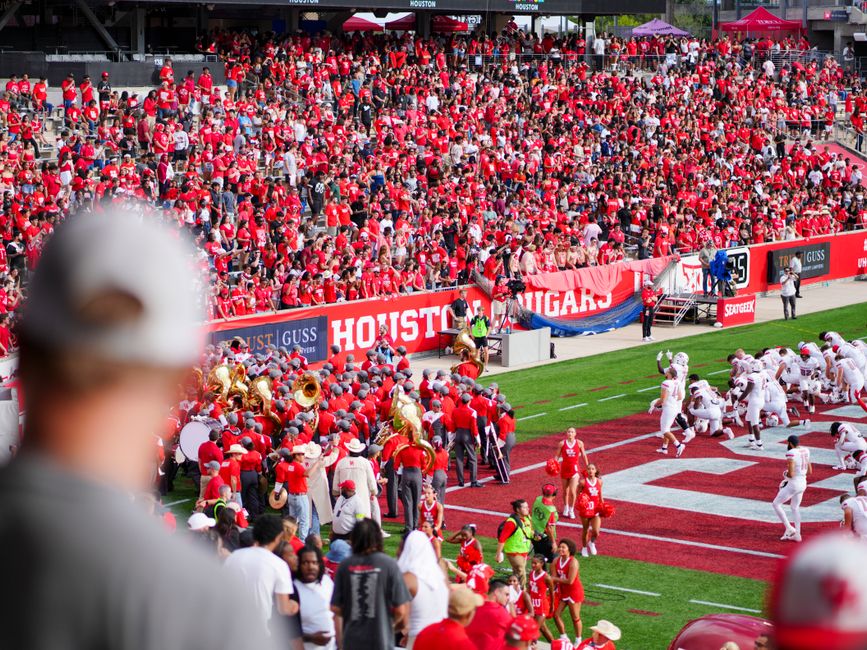
There’s a reason fall Saturdays feel different in America. Stadiums fill with 80,000 screaming fans, tailgates turn parking lots into small festivals, and rivalries decades in the making play out on the field. If you’ve ever dreamed of chasing that energy across state lines, planning one of the best college football road trip routes is the way to do it right.
This guide breaks down the top college football road trip routes by conference, explains how to pick the right route for your group, and covers the logistics that actually make or break a multi-stadium trip. Whether you’re a small group of friends piling into a car or a large alumni group booking a charter bus, you’ll find a route and a plan that fits.
What Makes a Great College Football Road Trip Route
Not every stretch of highway between two stadiums makes for a good trip. The best college football road trip routes share a few common traits that separate a memorable weekend from a long, boring drive.
- Reasonable drive times. The strongest routes keep legs between three and six hours, so you’re not spending more time in transit than in the stands.
- Rivalry and tradition. Games with history, whether it’s Alabama-Auburn or Ohio State-Michigan, add drama you can’t get from a random matchup.
- Tailgate culture. Some campuses are built for pregame parties with acres of grass lots, while others are tighter and more urban.
- Food and lodging along the way. A good route passes through towns with decent hotels, barbecue joints, and gas stations that aren’t running on fumes themselves.
- Scheduling flexibility. Home game schedules rotate every year, so the best routes work whether you’re catching games in September or November.
With those factors in mind, here are the standout college football road trip routes worth planning a fall weekend, or a full week, around.
Best SEC Road Trip Routes
The Southeastern Conference produces some of the loudest stadiums and fiercest rivalries in the sport, and its geography happens to line up well for road trips. Southern hospitality, legendary barbecue, and packed student sections make SEC country a top pick for football road trippers.
The Deep South Loop: Alabama, Auburn, and Ole Miss
This classic route runs through Tuscaloosa, Auburn, and Oxford, Mississippi, three campuses known for over-the-top tailgating. Bryant-Denny Stadium in Tuscaloosa holds over 100,000 fans, and the walk down the Walk of Champions before kickoff is worth the trip on its own. Drive about two and a half hours southeast to Auburn for Toomer’s Corner and the eagle flight pregame tradition, then head northwest roughly four hours to Oxford for the Grove, arguably the most famous tailgate setting in college football.
The Tennessee Valley Swing
Knoxville, Nashville, and Lexington make for a route packed with music, bourbon, and football. Neyland Stadium sits right on the Tennessee River, and the Vol Navy tailgating tradition, where fans dock boats along the shore before kickoff, is unlike anything else in the sport. From Knoxville it’s about three hours to Nashville, home to Vanderbilt, and another three hours to Lexington for Kentucky. If you’re building a trip through this corridor, our guide on must-visit group destinations in Tennessee is a useful companion for planning stops beyond the stadium.
The Deep South Coastal Route
Georgia, Florida, and South Carolina anchor this route, which mixes big-time programs with beach town detours. Athens, Georgia, offers one of the best game-day atmospheres in the country between the hedges at Sanford Stadium. From there it’s roughly a five-hour drive to Gainesville for a Florida Gators game at The Swamp, one of the loudest stadiums in the country when the Gators take the field under the lights. From Gainesville, continue north for about three and a half hours to Columbia, South Carolina, to catch the Gamecocks at Williams-Brice Stadium, famous for its thunderous 2001 entrance. Cap the trip with a two-hour drive to Clemson, where Death Valley and the run down the hill through Howard’s Rock create one of the most cinematic pregame moments in the sport. This route works especially well in late October and November, when the Gulf Coast humidity finally breaks and beach detours in the Panhandle or along the South Carolina coast make for a nice change of pace between games.
The Midwest Big Ten Corridor
Fans who love brisk fall weather, packed student sections, and stadiums that hold six figures of screaming fans should look at the Big Ten. A classic route starts in Ann Arbor, Michigan, home to the Big House, the largest stadium in the country. From there it’s about three and a half hours to Columbus, Ohio, where Ohio State’s Buckeyes play in front of over 100,000 fans at Ohio Stadium, and the Skull Session pep band tradition before kickoff is not to be missed. Continue roughly two and a half hours south to Bloomington or push further to South Bend for Notre Dame, where the golden dome and the Grotto give the whole visit a different kind of atmosphere than the typical tailgate lot. If your group is coming from further west, State College, Pennsylvania, and its blackout games at Beaver Stadium are worth building an entire weekend around, even though the drive from the rest of the Big Ten footprint runs closer to five or six hours.
The Texas and Big 12 Loop
Texas football culture runs deep, and a loop through the state hits several stadiums without ever leaving state lines. Start in Austin for a Texas Longhorns game at Darrell K Royal-Texas Memorial Stadium, then drive about an hour and a half north to Waco for Baylor’s McLane Stadium, a newer facility right on the Brazos River. From there it’s roughly an hour and a half to Fort Worth for TCU, and another half hour to Arlington if a Big 12 championship or bowl game happens to be on the schedule at AT&T Stadium. Groups traveling with a large party should check out our guide on top group travel destinations in Texas for ideas on where to stop for meals, shopping, or sightseeing between games. Texas road trips tend to be hot even into October, so pack accordingly and plan tailgate activities around shade and hydration.
The Pacific Coast Route
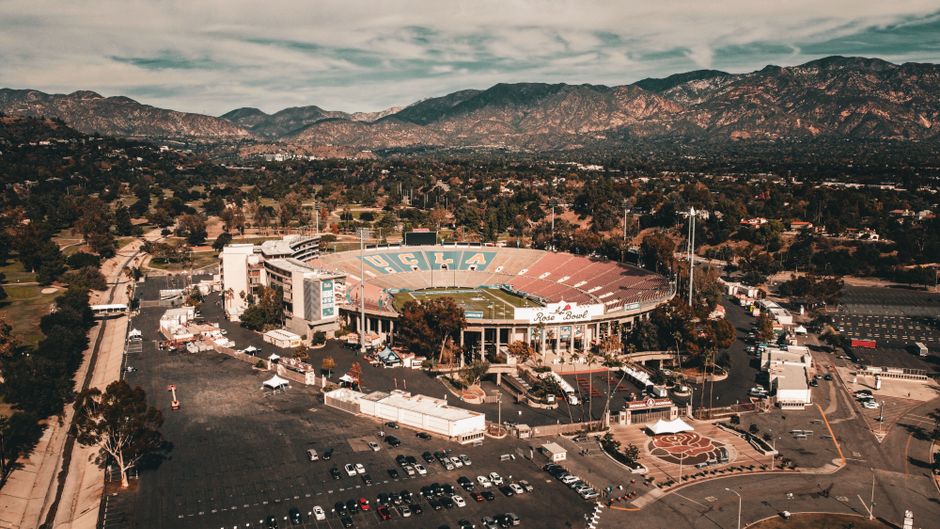
The West Coast offers a completely different flavor of college football road trip, one that mixes ocean views with stadium hopping. Begin in Seattle for a Washington Huskies game at Husky Stadium, which sits on Lake Washington and offers one of the most scenic settings in the sport. Head south about three hours to Eugene, Oregon, for the Ducks at Autzen Stadium, known for being one of the loudest venues per capacity in the country. From there, it’s a longer haul, around six hours, down to Berkeley or Stanford in the Bay Area, but the drive along Interstate 5 through the Cascades and into Northern California is scenic enough to make the miles feel worthwhile. Extend the trip another six hours south to Los Angeles for USC or UCLA, and you’ve covered nearly the entire Pacific Coast football map in one extended trip. This route works best as a multi-day journey with overnight stops, since the distances between campuses are considerably longer than in the Southeast or Midwest.
The Carolinas and ACC Trail
For fans who want a shorter, tighter loop, the Carolinas offer a compact but rewarding option. Start in Chapel Hill for North Carolina, then drive about 25 minutes to Durham for Duke, followed by a short hop to Raleigh for NC State. All three campuses sit within a half hour of each other, making this an ideal weekend trip for groups that don’t want to spend all their time on the road. From the Raleigh-Durham area, it’s about three hours west to Charlotte, which serves as a good jumping-off point for a game in Clemson or a detour into the mountains of western North Carolina for fall foliage between games.
Planning Your College Football Road Trip
Picking a route is the fun part, but a great road trip lives or dies on the details. A few planning basics will save your group time, money, and headaches once the season kicks off.
Best Time of Season to Go
Early season games in late August and September often come with brutal heat, especially in the South and Texas, while late-season matchups in November bring colder temperatures but sharper rivalry intensity and higher playoff stakes. Mid-October tends to hit a sweet spot in most regions, with milder weather, full-throttle team performances, and the added bonus of fall foliage on routes through the Appalachians or the upper Midwest. If your group is chasing a specific rivalry game, though, the calendar decision is usually made for you, so build the rest of the trip around that fixed date.
Booking Tickets and Lodging in Advance
Tickets for marquee rivalry games and ranked matchups sell out months in advance, and hotel rates in college towns can triple during home game weekends. Booking three to six months ahead is realistic for popular programs like Alabama, Ohio State, or Texas. Smaller markets like Auburn, Athens, or Eugene still fill up fast on rivalry weekends but tend to have a bit more flexibility. Look at hotels 20 to 30 minutes outside the main campus area if pricing gets steep, since many college towns are small enough that a short drive still gets you to the stadium with plenty of time before kickoff.
Budgeting for Gas, Food, and Game-Day Extras
Between tickets, parking, tailgate supplies, gas, and food, a multi-stop road trip adds up quickly for a group. Fuel costs alone can vary a lot depending on the vehicle and the route, and if your group is comparing options like renting a passenger van versus booking a coach, it’s worth reading our breakdown of charter bus vs rental vans to see which setup actually saves money once everyone’s expenses are factored in. Parking passes near major stadiums often run anywhere from 20 to 100 dollars depending on proximity and demand, so building that into the budget ahead of time avoids surprises on game day.
Why More Fan Groups Are Choosing Charter Buses for Football Road Trips
Once a group grows past four or five people, splitting into multiple cars starts to complicate everything from meal stops to parking to simply staying together through unfamiliar cities. A lot of alumni associations, student groups, and fan clubs have shifted toward booking a single charter bus for the entire route instead. It keeps the group together, cuts down on the number of vehicles trying to navigate stadium traffic, and lets everyone relax, nap, or watch pregame coverage instead of white-knuckling it through construction zones on I-75 or I-40.
A charter bus also simplifies the logistics that tend to eat up planning time. Instead of coordinating five separate hotel check-ins or worrying about who’s driving the overnight leg between Seattle and the Bay Area, one driver handles the road while the group handles the tailgate cooler. If your trip involves multiple games across several days, our guide to long-distance charter bus travel covers how to structure rest stops, meal breaks, and overnight legs so the trip doesn’t feel like a grind. And for groups worried about keeping everyone entertained during the longer stretches, especially on West Coast or Texas loops where drive times can stretch past four or five hours, it’s worth checking out the options covered in our guide to charter bus entertainment options.
Cost is often the deciding factor, and it’s usually more favorable than people expect once you add up gas, tolls, parking for multiple vehicles, and the value of everyone’s time. Our charter bus rental cost calculator guide walks through how pricing typically breaks down for multi-day trips, which makes it easier to compare against renting several vans or driving a caravan of personal cars.
Tips for a Smooth Multi-Stadium Trip
A few extra habits separate a smooth road trip from a stressful one, especially when the itinerary includes back-to-back game days in different cities.
- Build in buffer time. College town traffic on game day is unpredictable, and what looks like a three-hour drive on a map can easily stretch to four or five hours once you factor in stadium exit traffic from the previous game and gameday congestion at the next stop.
- Confirm parking and drop-off logistics ahead of time. Many stadiums have designated lots for buses and large groups that are separate from general parking, and getting that sorted in advance saves a lot of confusion when you roll into town a few hours before kickoff.
- Pack a flexible tailgate kit. A collapsible table, a cooler, and a portable grill can travel well in a bus’s luggage bay and let your group tailgate at every stop without buying duplicate gear in each city.
- Check weather for each stop separately. A trip that starts in the humid Deep South and ends in the cooler Appalachian foothills, or one that runs from the Pacific Northwest down into Southern California, can involve wildly different conditions from one game to the next.
- Keep a shared document with tickets, confirmation numbers, and hotel addresses. When a group is moving through three or four cities in under a week, having everything centralized keeps the trip from unraveling if someone loses a printed ticket or forgets a reservation time.
Frequently Asked Questions
How many college football stadiums can you realistically visit in one road trip?
Most groups can comfortably hit three to five stadiums in a single trip if the schools are within the same regional footprint, like the SEC’s Deep South corridor or the tight cluster of ACC schools in the Carolinas. Trips that span coast to coast, like a full Pacific Coast run, usually work better broken into two or three separate trips rather than one marathon itinerary.
What’s the best month for a college football road trip?
October is generally considered the sweet spot across most regions, offering cooler temperatures than early season games, full-strength competitive matchups, and in many areas, the start of fall foliage. That said, late-season rivalry weekends in November carry their own appeal if postseason implications are on the line.
Is it cheaper to drive separately or book a charter bus for a group football trip?
Once a group grows beyond four or five people, a charter bus is often more cost-effective when you factor in gas, tolls, parking for multiple vehicles, and the time saved by not coordinating separate arrivals. Smaller groups of two or three people may still find individual driving more economical, especially for short single-stadium trips.
Do I need to buy tickets before planning the route, or can I plan the route first?
It’s smarter to lock in tickets for at least the marquee games first, since those tend to sell out months ahead, and then build the driving route and lodging plan around those confirmed dates. Trying to plan the route first and hoping tickets are available later often leads to disappointment for high-demand rivalry games.
What should a large group budget per person for a multi-stadium football road trip?
Costs vary widely by region and number of stops, but a realistic range for a three to four game trip, including tickets, lodging, food, and transportation, typically falls between 400 and 900 dollars per person. Trips involving premium matchups like Alabama versus Georgia or Ohio State versus Michigan can push toward the higher end once ticket demand drives prices up.
Final Thoughts
College football road trips reward the fans willing to put in the planning, whether that means chasing the Grove’s tailgate spread in Oxford, soaking in the Vol Navy on the Tennessee River, or working through a full weekend of stadiums packed tight in the Carolinas. The routes above are a starting point, not a rulebook, and the best trips usually end up blending a few regions together based on the schedule, the rivalries your group cares about most, and how many days you actually have to spend on the road. Whatever route you choose, the combination of good company, loud stadiums, and a few well-timed stops along the way is what turns a simple drive between campuses into the kind of trip fans talk about for years.