
ADA Accessible Charter Buses: What to Expect

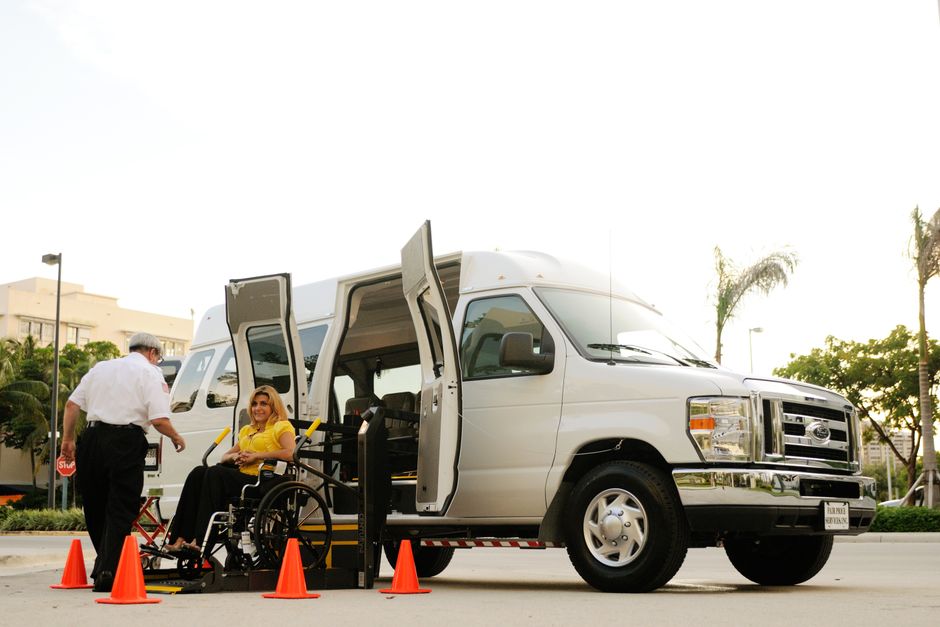
Planning group travel for someone who uses a wheelchair, has limited mobility, or needs other accommodations can feel overwhelming if you don’t know what questions to ask. That’s where ADA accessible charter buses come in. These specially equipped vehicles allow every member of your group to travel together comfortably, safely, and with dignity, regardless of physical ability.
In this guide, we’ll walk through exactly what ADA accessible charter buses offer, how they differ from standard motorcoaches, what federal law requires, and what questions you should ask before booking. Whether you’re organizing a school trip, a wedding, a corporate event, or a family reunion, understanding your options will help you plan a smoother, stress-free journey for everyone involved.
What Makes a Charter Bus ADA Accessible?
An ADA accessible charter bus is a motorcoach that has been modified or manufactured to comply with the Americans with Disabilities Act, a federal civil rights law that prohibits discrimination against individuals with disabilities. In the context of transportation, this means the vehicle includes features that allow passengers with mobility, visual, hearing, or cognitive disabilities to board, ride, and exit safely.
Common features found on ADA accessible charter buses include:
- Wheelchair lifts or low-floor ramps for boarding
- Securement systems that lock wheelchairs and scooters in place during transit
- Widened aisles and doorways to accommodate mobility devices
- Priority seating areas near the entrance
- Accessible restrooms on larger coaches, where available
- Visual and audio announcements for stops or route changes
- Grab bars, handrails, and non-slip flooring
Not every charter bus in a company’s fleet will have these features built in, which is why it’s important to confirm accessibility details before you book. Reputable operators will be upfront about what’s available, but asking directly avoids surprises on travel day.
Why ADA Accessibility Matters for Group Travel
Group travel should never mean leaving someone behind because a vehicle can’t accommodate their needs. Beyond being a legal requirement for many public and commercial transportation providers, accessibility is simply good planning. When you book an ADA accessible charter bus, you’re ensuring that:
- Every passenger can board and exit safely without unnecessary strain
- Wheelchairs and scooters are properly secured, reducing injury risk during transit
- Families, coworkers, or classmates can ride together instead of splitting into separate vehicles
- Your event or trip complies with applicable accessibility laws, especially for schools, nonprofits, and government-affiliated groups
According to the ADA National Network, transportation providers who offer service to the public are generally required to ensure equal access for individuals with disabilities. While the specifics can vary depending on whether a company is a public entity or a private operator, most reputable charter bus companies choose to exceed minimum requirements because it simply makes sense for their business and their passengers. Accessibility isn’t just a checkbox, it’s a reflection of how seriously a company takes customer service for every rider.
How to Confirm a Charter Bus Is Truly ADA Accessible
Not all “accessible” claims are created equal. Some companies advertise accessibility broadly but only have one or two vehicles in their fleet actually equipped for wheelchair users. Before you finalize a booking, it helps to ask specific questions rather than relying on general marketing language. Here’s what to ask:
- Does the bus have a lift or ramp, and what is the weight capacity? Standard ramps typically support several hundred pounds, but power wheelchairs and larger mobility scooters can be heavier than expected.
- How many wheelchair securement positions are available? If you’re traveling with more than one wheelchair user, you’ll want to confirm the bus can accommodate everyone in your group.
- Is the securement system compliant with current safety standards? Ask whether the tie-down system meets recognized safety benchmarks for transit vehicles.
- What is the door and aisle width? This matters for larger power chairs or scooters that may not fit through narrower openings.
- Are the restrooms accessible, if the bus has one? Not all onboard restrooms are wheelchair accessible, even on larger coaches.
- Will a trained staff member assist with boarding? Drivers and attendants should be familiar with operating the lift or ramp and properly securing mobility devices.
If a company can’t answer these questions clearly, that’s a red flag. A provider that regularly serves passengers with disabilities should be able to walk you through their equipment and procedures without hesitation.
Booking an ADA Accessible Charter Bus: Step-by-Step
Booking an accessible charter bus doesn’t have to be complicated, but it does require a little more upfront communication than a standard reservation. Here’s a general process to follow:
1. Share Your Accessibility Needs Early
As soon as you know your group will include passengers who use wheelchairs, scooters, or other mobility aids, mention this when you first request quotes. The earlier a company knows, the easier it is for them to match you with the right vehicle.
2. Ask for Fleet Details
Request specifics about the exact bus model that will be assigned to your trip, not just general fleet information. Bus companies often operate a mix of vehicle types, and accessibility features can vary significantly between them.
3. Confirm the Number of Accessible Seats and Securement Positions
If your group has multiple passengers who need accessible seating, verify that the bus can accommodate everyone simultaneously. Some vehicles only have one or two securement spots.
4. Discuss Boarding Logistics
Ask about boarding time. Passengers using lifts or ramps may need a few extra minutes, which is worth factoring into your overall schedule, especially for tightly timed events like weddings, school field trips, or conferences.
5. Review the Contract for Accessibility Commitments
Make sure any accessibility features discussed verbally are also reflected in your written contract or booking confirmation. This protects you if there’s ever a discrepancy between what was promised and what shows up on travel day.
For a broader overview of what to cover when booking any charter bus, our guide on questions to ask before renting a charter bus is a helpful companion resource, especially for groups coordinating complex logistics.
What Accessible Charter Buses Typically Cost
A common concern among group organizers is whether ADA accessible charter buses cost more than standard vehicles. In most cases, the answer is no, at least not directly. Accessible buses are generally priced the same way as comparable non-accessible vehicles, based on factors like trip distance, rental duration, vehicle size, and demand.
That said, there are a few cost-related nuances worth knowing:
- Limited availability can affect pricing. Because not every bus in a fleet is wheelchair accessible, demand for those specific vehicles can be higher, especially during peak travel seasons like spring field trip season or fall wedding season.
- Advance booking pays off. Reserving early not only secures the accessible vehicle you need but can also help you lock in better rates before prices increase closer to your travel date.
- Larger accessible coaches may cost more simply due to size. A full-size accessible motorcoach will typically cost more per mile than a smaller shuttle bus, regardless of accessibility features.
If you’re budgeting for a trip, our complete guide to charter bus pricing per mile breaks down the variables that influence cost, which can help you estimate expenses even before you request accessibility-specific quotes.
Common Situations Where ADA Accessible Buses Are Essential
While accessibility matters for every trip, certain situations make it especially critical to book the right vehicle from the start:
School Field Trips
Schools are legally required to provide equal access to educational activities, which extends to transportation. If even one student in a class uses a wheelchair, the transportation arranged for the entire group must accommodate them.
Corporate Events and Conferences
Businesses transporting employees or clients to conferences, retreats, or offsite meetings need to ensure no one is excluded due to mobility needs, both as a legal safeguard and as a matter of workplace culture.
Weddings and Family Celebrations
Grandparents, relatives, or guests with mobility limitations shouldn’t have to sit out shuttle service to and from a venue. Accessible charter buses allow everyone to travel together and arrive at the same time.
Senior Group Travel
Senior centers, retirement communities, and tour groups catering to older adults often have a higher percentage of passengers who use mobility aids, making accessible vehicles a near-necessity rather than an optional upgrade.
Medical and Rehabilitation-Related Travel
Group trips organized by rehabilitation centers, hospitals, or advocacy organizations frequently involve passengers with a range of mobility needs, requiring vehicles with multiple securement positions and trained staff.
Tips for a Smooth Accessible Charter Bus Experience
Once you’ve booked the right vehicle, a little extra planning goes a long way toward making the actual travel day stress-free for everyone involved.
- Arrive early. Boarding with mobility devices takes a bit more time, so building in a buffer prevents a rushed, stressful start to the trip.
- Communicate with the driver. Let the driver know ahead of time how many passengers will need the lift or ramp so they can plan boarding order efficiently.
- Bring any necessary documentation. If your mobility device has specific handling instructions or your event requires proof of accessibility accommodations, keep that information handy.
- Double-check securement before departure. A quick visual confirmation that wheelchairs and scooters are properly locked in place adds peace of mind for passengers and caregivers alike.
- Plan for rest stops thoughtfully. If your trip includes stops, confirm that rest areas or venues along the route are also accessible.
Traveling with a mixed-ability group sometimes means comparing vehicle types beyond just accessibility features. If you’re also weighing comfort upgrades for a longer trip, our comparison of luxury versus standard charter buses can help you decide whether extra amenities are worth the investment for your specific group.
Frequently Asked Questions
Are all charter buses required to be ADA accessible?
Not necessarily. Requirements can depend on whether the operator is a public entity, a private company offering service to the general public, or a private charter arranged for a specific closed group. Many reputable charter companies voluntarily maintain accessible vehicles in their fleet regardless of strict legal classification, simply to serve a wider range of customers.
How much notice do I need to give to book an accessible charter bus?
While some companies can accommodate accessible bookings with short notice, it’s best to reserve at least two to three weeks in advance, especially during busy travel seasons. Accessible vehicles are often a smaller portion of a company’s total fleet, so availability can be limited.
Can a charter bus accommodate more than one wheelchair user?
Many accessible charter buses have multiple securement positions, but the exact number varies by vehicle. If your group includes several passengers who use wheelchairs or scooters, confirm the specific capacity with the operator before booking.
What happens if my mobility device doesn’t fit the ramp or lift specifications?
This is exactly why it’s important to share device dimensions and weight with the charter company ahead of time. Most operators can advise whether their equipment will accommodate your specific device or help you find an alternative solution.
Do accessible charter buses cost more to rent?
Generally, no. Pricing is typically based on distance, duration, and vehicle size rather than accessibility features themselves. However, limited availability of accessible vehicles during peak seasons can sometimes affect pricing or availability, so early booking is recommended.
Final Thoughts
Booking an ADA accessible charter bus doesn’t have to be complicated, but it does require a bit more attention to detail than a standard reservation. Asking the right questions, confirming equipment specifics, and giving yourself enough lead time can make the difference between a smooth trip and a last-minute scramble. Most importantly, prioritizing accessibility ensures that every member of your group, regardless of mobility needs, can travel together comfortably and safely. Whether you’re planning a school trip, a corporate event, a family celebration, or a senior group outing, taking the time to choose the right accessible vehicle is one of the simplest ways to make sure no one gets left behind.