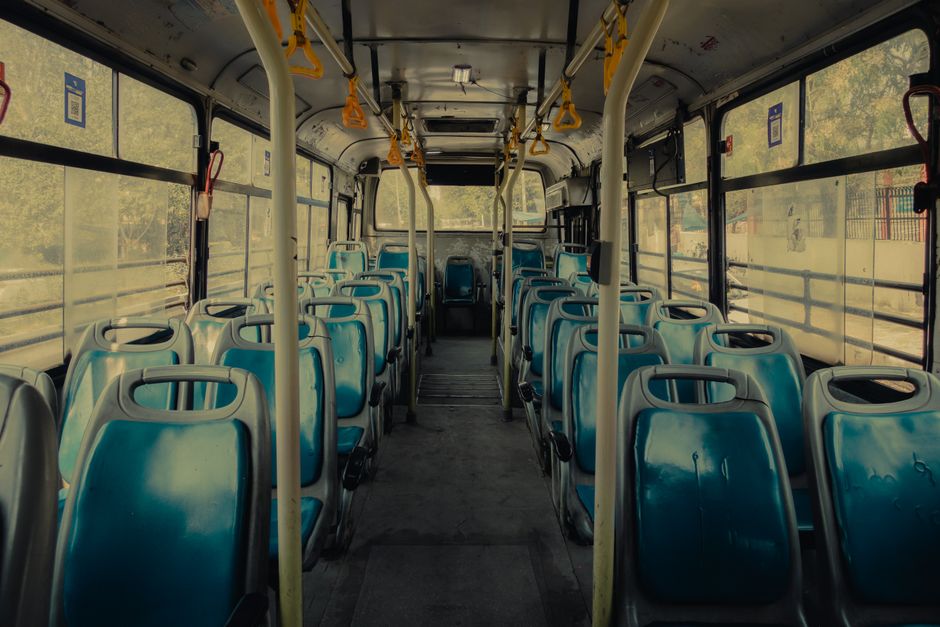
Can Charter Buses Travel Overnight? What You Need to Know Before Booking


If you’re planning a long-distance group trip, one question probably keeps coming up during your planning calls: can charter buses travel overnight? The short answer is yes, charter buses can and regularly do travel overnight, but there’s more to it than simply telling a driver to keep going after dark. Federal regulations, driver rest requirements, route planning, and passenger comfort all play a role in how overnight trips actually work.
In this guide, we’ll break down exactly how overnight charter bus travel works, what rules govern driver hours, what amenities make overnight rides bearable (or even enjoyable), and how to plan a trip that gets your group to its destination safely and on time. Whether you’re organizing a school trip, a sports team road trip, a wedding shuttle, or a cross-country group tour, understanding the realities of overnight charter bus travel will help you book smarter and avoid surprises.
Yes, Charter Buses Can Travel Overnight
Charter buses are built for long-haul travel, and overnight trips are a normal part of the charter bus industry. Companies run overnight routes for concert tours, sports teams, church groups, college trips, and corporate events every single day. In fact, many groups prefer overnight travel because it saves a full day of the trip that would otherwise be lost to driving.
However, overnight charter bus travel is not a free-for-all. It’s governed by strict federal safety regulations designed to prevent driver fatigue, which is one of the leading causes of commercial vehicle accidents. Reputable charter bus companies plan overnight routes carefully, factoring in mandatory rest breaks, driver swaps, and realistic arrival windows.
So while the answer to
For related reading, see our guide on Charter Bus Travel Checklist Before Departure: The Complete Pre-Trip Guide.
overnight charter bus travel is straightforward is yes, the real question every group leader should be asking is how the trip will be executed. The difference between a smooth overnight ride and an exhausting, unsafe one almost always comes down to the operator’s compliance with federal driving regulations, the quality of the vehicle, and how well the trip is planned in advance.
Federal Hours-of-Service Rules for Overnight Charter Bus Drivers
The Federal Motor Carrier Safety Administration (FMCSA) regulates how long commercial bus drivers can be behind the wheel, and these rules apply just as strictly to overnight trips as they do to daytime routes. Charter bus companies that operate legally and safely must follow what’s known as the Hours-of-Service (HOS) regulations.
Under current FMCSA rules, a charter bus driver is generally allowed to drive a maximum of 10 hours after having 8 consecutive hours off duty, and cannot drive after being on duty for 15 hours following that same rest period. Drivers are also limited to 60 hours on duty over 7 consecutive days, or 70 hours over 8 consecutive days, depending on the carrier’s operating schedule. These limits exist for one reason: fatigue kills. A drowsy driver behind the wheel of a 40,000-pound vehicle at 2 a.m. is a serious hazard, and the regulations are designed to prevent that scenario entirely.
For overnight trips, this means a single driver cannot simply drive straight through the night without stopping. If your trip requires more driving hours than one driver can legally provide, the charter bus company has two options: build in mandatory rest breaks at approved stops, or assign a second driver to split the route. Both approaches are common, and both are perfectly safe when done correctly. What’s not safe, and what you should never accept as a customer, is a company that promises a rushed overnight trip with no clear plan for driver rest.
When you’re requesting quotes, always ask the charter bus company directly how they plan to handle HOS compliance for your specific route and timeline. A reputable provider will be able to explain exactly how many hours the driver (or drivers) will be on the road, where rest stops are planned, and whether a relief driver will be brought in. If a company is vague or dismissive about this question, that’s a red flag worth taking seriously.
Single-Driver vs. Team-Driver Overnight Trips
Not every overnight charter bus trip requires two drivers. Whether your trip needs a single driver or a driver team depends primarily on the total distance and the number of hours of continuous driving required.
When a Single Driver Is Enough
Shorter overnight routes, generally those that fit within the legal 10-hour driving window with an 8-hour rest break built in, can often be handled by a single driver. For example, a trip departing at 11 p.m. and arriving by mid-morning might allow the driver to complete the drive within the allowed hours, especially if the company schedules a longer break at a rest stop partway through.
When Team Drivers Are Necessary
Longer overnight routes, especially those covering 500 miles or more in a single night, typically require two drivers who alternate behind the wheel. This is common on cross-country trips, multi-state sports tournaments, and tours that need to cover significant distance while passengers sleep. Team-driver setups allow the bus to keep moving (aside from short breaks) while ensuring that no individual driver exceeds their legal hours. If you’re planning a long-distance overnight trip, it’s worth reading our long-distance charter bus travel tips for additional guidance on what to expect over extended mileage.
When requesting a quote for an overnight trip, always clarify whether the company is planning to use one driver or two. This affects not only safety and legality but also pricing, since team-driver trips generally cost more due to the added labor.
What Makes Overnight Charter Bus Travel Comfortable
Driving through the night is only half the equation. The other half is making sure passengers can actually rest, relax, or sleep along the way. Overnight travel is a very different experience from a daytime charter, and the right amenities make a huge difference in how your group feels when they arrive.
Reclining Seats and Legroom
Most modern charter buses used for overnight travel are equipped with reclining seats, and many premium coaches offer extra legroom or even seats that recline further than standard motorcoach seating. If your group will be sleeping on board, ask specifically about seat recline angle and legroom when comparing vehicles. Not all charter buses are created equal, and a bus designed for short city transfers may not have the same seating comfort as one built for cross-country travel.
Onboard Restrooms
An onboard restroom is essential for any overnight trip. Passengers should not have to wait for a scheduled stop to use the bathroom, especially during a long overnight stretch. Nearly all full-size charter buses include an onboard restroom, but it’s still worth confirming this detail before booking, particularly if you’re chartering a smaller vehicle. Our guide on whether charter buses have bathrooms covers this topic in more detail.
Climate Control and Lighting
A comfortable temperature is critical for sleep. Charter buses are equipped with climate control systems that allow drivers to adjust the interior temperature, and many buses offer dimmable or zoned lighting so passengers who want to sleep aren’t disturbed by overhead reading lights used by others.
Wi-Fi, Power Outlets, and Entertainment
Not everyone sleeps on an overnight trip, and that’s fine. Many charter buses come equipped with Wi-Fi and individual power outlets or USB ports, allowing passengers to stream entertainment, catch up on work, or stay connected with family. If connectivity matters to your group, check out our breakdown of Wi-Fi and power outlet availability on charter buses before you book, since not all vehicles are equipped the same way.
Quiet Hours and Group Etiquette
Since overnight trips involve a mix of sleeping and awake passengers, it helps to establish informal quiet hours as a group. Encouraging headphone use, dimming personal device screens, and keeping conversations at a low volume after a certain hour can make a significant difference in overall passenger comfort.
Planning an Overnight Charter Bus Trip: Step-by-Step
Booking an overnight charter bus trip involves a few extra considerations compared to a standard daytime rental. Here’s how to approach the planning process.
1. Map Out Realistic Timing
Start by calculating the total driving distance and comparing it against legal HOS limits. If your trip requires more than 10 hours of continuous driving, plan for either a driver swap or built-in rest stops, and adjust your expected arrival time accordingly. Building in buffer time is always smarter than assuming a best-case scenario.
2. Confirm Driver Staffing With the Company
Ask directly whether your trip will require one driver or two, and confirm that the company has a plan for compliant rest breaks. This should be documented in your contract or quote, not left as a verbal assumption.
3. Choose the Right Vehicle
Not every charter bus is ideal for overnight travel. Prioritize vehicles with reclining seats, onboard restrooms, climate control, and, ideally, Wi-Fi and power outlets. If your group is on the smaller side, our guide to the best charter bus options for small groups can help you find a comfortable fit without paying for unnecessary capacity.
4. Plan Rest Stops Strategically
Work with the charter company to identify rest stop locations along the route. Ideally, these stops should include clean restroom facilities, food options (even if just vending machines at 3 a.m.), and enough space for passengers to stretch their legs safely.
5. Communicate the Schedule to Your Group
Overnight trips can be disorienting, especially for first-time riders. Send a clear itinerary ahead of time that includes departure time, expected rest stops, arrival time, and any instructions about what to bring for sleeping comfort. If many of your travelers haven’t taken an overnight charter before, our tips for first-time charter bus passengers is a great resource to share with the group in advance.
6. Pack Smart for an Overnight Ride
Encourage passengers to bring a travel pillow, blanket or light jacket, eye mask, earplugs or headphones, and any personal medications. A well-prepared passenger sleeps better and arrives in a much better mood. For a full breakdown of what to bring, our charter bus packing list for group travel covers everything from comfort items to practical essentials.
Pros and Cons of Overnight Charter Bus Travel
Overnight travel isn’t automatically the right choice for every group. Weighing the advantages and drawbacks can help you decide whether it fits your trip.
Advantages
- Time savings: Traveling overnight means your group doesn’t lose a full day to driving, which is especially valuable for short trips or tight schedules.
- Cost efficiency: Overnight travel can eliminate the need for an extra hotel night, since passengers sleep on the bus instead of in a room.
- Arrival timing: Groups can arrive at their destination early in the morning, giving them a full day to enjoy the event, competition, or activity they traveled for.
- Continuous group bonding: Many groups, especially sports teams and school trips, find that overnight travel creates a shared experience that adds to the trip itself.
Drawbacks
- Sleep quality varies: Even with reclining seats, sleeping on a moving vehicle isn’t as restful as a hotel bed for everyone.
- Higher driver costs: Longer overnight routes requiring two drivers will increase the overall rental cost.
- Limited stop flexibility: Rest stops overnight are more limited than daytime stops, since many businesses are closed.
- Adjustment period: Passengers may need a short recovery period after arrival before diving into planned activities.
For many groups, the time and cost savings outweigh the minor comfort trade-offs, particularly for one-night trips of 300 to 600 miles. For extremely long multi-day journeys, some groups choose to break up overnight driving with a hotel stay partway through, which is worth discussing with your charter provider during planning.
Safety Considerations for Overnight Charter Bus Travel
Safety should always be the top priority when evaluating an overnight charter bus provider. Because nighttime driving carries inherently higher risks, such as reduced visibility, wildlife crossings, and driver fatigue, it’s essential to choose a company with a strong safety record.
Check the Company’s Safety Rating
Every interstate charter bus company is required to register with the FMCSA and maintain a safety rating. Before booking, you can look up a company’s safety history using the FMCSA’s Safety and Fitness Electronic Records (SAFER) system. A provider with a poor safety record or a history of violations should be avoided, regardless of price.
Ask About Driver Experience
Overnight and long-distance routes should be assigned to experienced drivers who are familiar with nighttime driving conditions. Don’t hesitate to ask a charter company about their driver training, minimum experience requirements, and how they monitor for fatigue during long trips.
Vehicle Maintenance and Inspection
Overnight trips put additional strain on a vehicle, especially if a bus is driving through varying temperatures, weather conditions, or terrain. Ask when the vehicle was last inspected and what kind of maintenance schedule the company follows. Well-maintained buses are less likely to experience mechanical issues at inconvenient times, like 1 a.m. on a rural highway.
For a deeper look at how charter bus companies maintain safety standards across all types of trips, our article on whether charter buses are safe breaks down everything from driver regulations to vehicle standards industry-wide.
Weather and Route Contingencies
Nighttime weather, particularly fog, ice, or heavy rain, can significantly affect travel time and safety. Ask your charter provider how they handle route changes or delays due to weather, and build some flexibility into your schedule in case conditions require the driver to slow down or reroute.
Tips for Passengers Riding Overnight
Even with the best-planned trip, a little personal preparation goes a long way toward making an overnight charter bus ride comfortable.
Dress Comfortably
Wear loose, breathable clothing and bring an extra layer, since temperatures on a bus can fluctuate. Slip-on shoes make it easier to get comfortable or move around during rest stops.
Bring Sleep Essentials
A neck pillow, small blanket, eye mask, and earplugs or noise-canceling headphones can make a significant difference in sleep quality. Motion sickness medication is also worth packing if you’re prone to it, since nighttime drowsiness can sometimes intensify motion sensitivity.
Stay Hydrated, But Be Mindful
Drink water throughout the trip, but be mindful of timing so you’re not making frequent trips to the restroom right when you’re trying to fall asleep. Avoid excessive caffeine close to bedtime if you’re hoping to rest during the ride.
Keep Essentials Within Reach
Keep your phone, charger, ID, medications, and any snacks in a small bag near your seat rather than in the luggage compartment below. You don’t want to be digging through stowed luggage at a rest stop in the middle of the night.
Respect Fellow Passengers
Overnight trips work best when everyone is considerate of others trying to sleep. Keep phone volume low, use headphones, and avoid overhead lights once quiet hours begin.
Cost Considerations for Overnight Charter Bus Trips
Overnight charter bus rentals are priced similarly to standard charters, but a few factors specifically affect overnight trip costs.
Driver Costs
If your route requires a second driver to comply with HOS regulations, expect the overall cost to increase. Team-driver trips involve paying for two drivers’ time, and sometimes additional lodging if the second driver needs rest between shifts on multi-day trips.
Overnight Layovers
Some longer overnight trips include a scheduled hotel stop for the driver (or drivers) to rest per federal regulations, especially on multi-day journeys. This can add a lodging cost to the overall quote, which should be itemized clearly by the charter company.
Fuel and Mileage
As with any charter bus trip, total mileage plays a major role in pricing. Overnight trips covering long distances will naturally cost more than a short daytime shuttle, regardless of the time of day the driving occurs.
Vehicle Type
Premium coaches with extra amenities, such as leather reclining seats, enhanced Wi-Fi, or additional restroom facilities, may cost more to rent than a standard motorcoach. If comfort is a priority for your overnight trip, it may be worth the additional investment, particularly for groups traveling six or more hours through the night.
Whatever your budget, it’s smart to request itemized quotes from multiple charter bus companies so you can compare not just the bottom-line price, but exactly what’s included, such as driver staffing, amenities, and any layover costs. For a broader look at everything involved in planning an overnight trip from start to finish, our complete guide to overnight charter bus trips walks through additional planning details and cost factors worth considering.
Frequently Asked Questions About Overnight Charter Bus Travel
Can one driver legally drive all night on a charter bus?
Generally, no. Federal Hours-of-Service regulations limit a single driver to a maximum of 10 hours of driving following 8 consecutive hours off duty. For longer overnight routes, charter companies either schedule mandatory rest breaks or assign a second driver to keep the trip moving safely and legally.
Is it safe to sleep on a charter bus overnight?
Yes, sleeping on a charter bus is generally safe when the vehicle is well-maintained and the driver follows legal rest requirements. Choosing a bus with reclining seats, climate control, and a quiet cabin environment will improve comfort and sleep quality significantly.
Do overnight charter bus trips cost more than daytime trips?
Not necessarily. Base mileage and time-based pricing are similar, but overnight trips requiring a second driver or a scheduled layover for driver rest can increase the overall cost. It’s important to request a detailed quote that outlines driver staffing for your specific route.
How many hours can a charter bus travel overnight without stopping?
A single driver can legally drive up to 10 hours after an 8-hour rest period. If your route requires more continuous driving time than that, the charter company will need to schedule a rest stop or bring in a second driver to stay compliant with federal regulations.
What should I bring for an overnight charter bus trip?
Pack a travel pillow, light blanket, eye mask, earplugs or headphones, a phone charger, any necessary medications, and comfortable clothing. Keeping these items in a small carry-on bag near your seat, rather than in the luggage bay, makes the ride much more comfortable.
Final Thoughts
Charter buses absolutely can travel overnight, and for many groups, it’s one of the most practical and cost-effective ways to cover long distances without losing a full day of the trip. The key to a successful overnight charter isn’t just booking a bus and hoping for the best, it’s understanding the federal driving regulations that govern the trip, choosing a reputable company with a strong safety record, selecting a vehicle equipped for overnight comfort, and preparing your group with the right expectations and packing list. When all of these pieces come together, an overnight charter bus trip can be just as smooth, safe, and even enjoyable as a daytime ride, all while saving your group valuable time and money along the way.