Can One Charter Bus Fit 100 People? What You Need to Know

If you’re planning transportation for a wedding, school trip, corporate event, or family reunion with around 100 guests, you’ve probably wondered: can a charter bus fit 100 people on a single vehicle? It’s a fair question, and the answer matters because it affects your budget, your logistics, and how smoothly your event runs. The short answer is no, a single charter bus typically cannot seat 100 people, but there are practical, cost-effective ways to move a group that large without a headache. In this guide, you’ll learn exactly how many passengers a standard charter bus holds, why capacity is limited the way it is, and the best strategies for transporting 100 or more people comfortably and safely.
We’ll walk through vehicle types, seating math, safety regulations, cost comparisons, and real-world planning tips so you can book the right transportation the first time.
Can a Charter Bus Fit 100 People? The Short Answer
No single standard charter bus can comfortably fit 100 people. Most full-size motorcoaches max out between 50 and 61 passengers, depending on the manufacturer, seating configuration, and amenities on board. So, if you’re trying to figure out whether a charter bus can fit 100 people, the honest answer is that you’ll need more than one vehicle, or a specialty option like a double-decker bus, to accommodate a group that size.
This isn’t a limitation created to inconvenience large groups. It comes down to a combination of vehicle length, seating layout, luggage storage, and federal weight and safety regulations that all buses on U.S. highways must follow.
Standard Motorcoach Capacity Explained
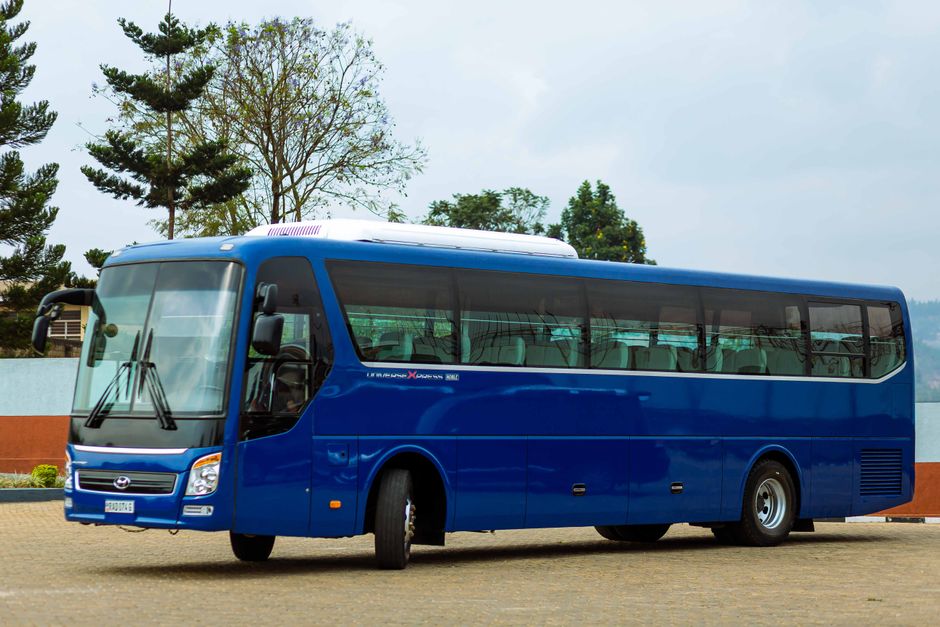
A typical 45-foot motorcoach, the kind most charter bus companies operate, seats between 50 and 57 passengers in standard configuration. Some manufacturers push capacity up to 61 seats by using a tighter seat pitch (less legroom between rows) and removing certain amenities like a restroom or extra luggage racks.
Here’s a general breakdown of typical charter bus sizes and their passenger capacities:
- Mini charter bus: 18 to 30 passengers
- Mid-size charter bus: 30 to 40 passengers
- Standard full-size motorcoach: 44 to 57 passengers
- High-capacity motorcoach: up to 61 passengers
- Double-decker bus: 65 to 80+ passengers, depending on layout
Even the highest-capacity single-level motorcoach tops out well short of 100 seats. As a result, groups of 100 people almost always need either two vehicles or one specialty double-decker bus.
Mini Buses, Shuttles, and Other Vehicle Types
It’s worth noting that smaller vehicles like mini buses, sprinter vans, and shuttle buses hold far fewer passengers, usually somewhere between 10 and 30 people. These are great for small groups but are not practical for moving 100 passengers unless you’re chartering several of them, which quickly becomes more expensive and harder to coordinate than renting one or two full-size motorcoaches.
Why Charter Buses Max Out Around 55 to 61 Passengers
Understanding why buses cap out where they do helps explain why a charter bus fitting 100 people in one vehicle simply isn’t realistic with standard equipment. A few factors are at play here.
Seating Configuration and Legroom
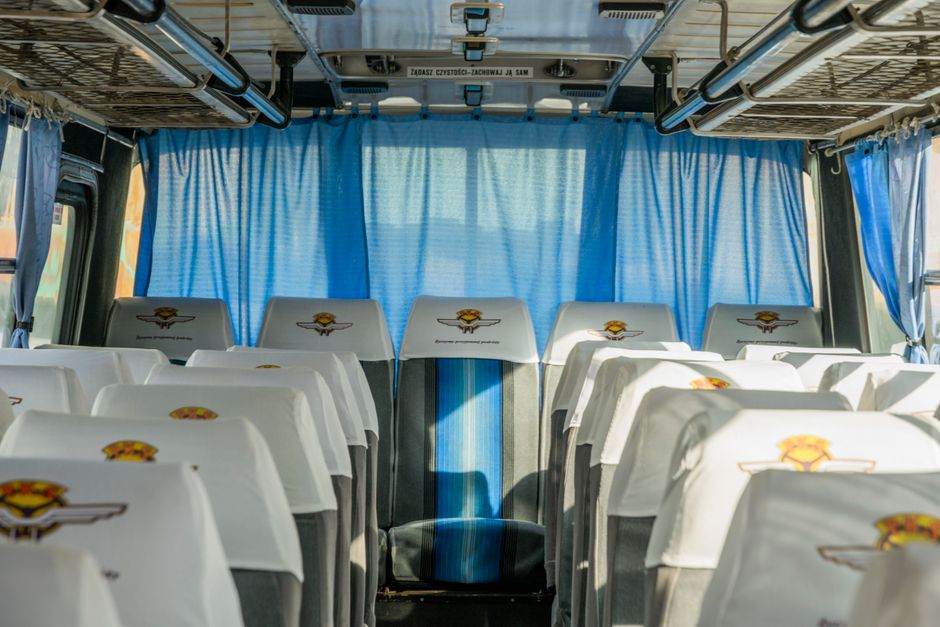
Charter buses are built for comfort on top of capacity. Unlike a city transit bus where passengers stand and ride short distances, charter buses are designed for longer trips where riders sit for hours at a time. That means manufacturers build in reclining seats, extra legroom, and wider aisles, all of which take up space that could otherwise hold more seats.
A bus built purely to maximize headcount, like a stripped-down shuttle, could technically pack in more bodies. However, that tradeoff sacrifices comfort, and most charter bus companies prioritize passenger experience over squeezing in a few extra seats.
Luggage Space and Onboard Amenities
Full-size motorcoaches also dedicate significant space to under-bus luggage bays, onboard restrooms, overhead storage, and sometimes even entertainment systems or Wi-Fi equipment. All of that infrastructure reduces the interior footprint available for seating.
If a group doesn’t need much luggage space, some companies offer higher-density seating configurations that push capacity closer to 60. But even then, you’re nowhere near fitting 100 people on one bus.
Federal and State Safety Regulations
Bus manufacturers and operators must comply with federal safety standards set by the Federal Motor Carrier Safety Administration (FMCSA), which regulates vehicle weight limits, emergency exit requirements, and passenger-to-space ratios. These regulations exist to keep evacuation times reasonable in an emergency and to prevent buses from becoming dangerously overloaded.
Overloading a bus beyond its rated capacity isn’t just uncomfortable, it’s illegal and unsafe. Reputable charter companies will never let you book a single vehicle for more passengers than it’s rated to carry, which is exactly why the 100-person question keeps coming up. Groups need to know their options before they lock in a booking.
How to Transport 100 People: Your Real Options
Now that we’ve established that one standard charter bus can’t fit 100 people, let’s talk about what actually works. Most transportation companies offer a handful of solid solutions depending on your budget, timeline, and group needs.
Renting Two Charter Buses
The most common and often most practical solution is booking two full-size motorcoaches. For example, two buses seating around 50 people each comfortably cover a 100-person group with a little room to spare for last-minute additions.
This approach has several advantages:
- Flexibility to pick up passengers from two different locations if needed
- Backup transportation if one bus experiences a mechanical issue
- More manageable boarding and unloading times at each stop
- Ability to split large groups by department, team, family, or grade level
If your group size sits closer to 100 to 110 people, you might find it useful to review a resource like this complete planning guide for a 60-person charter bus rental, since a common split for 100+ groups is one bus around 55 to 60 passengers paired with a second, slightly smaller bus.
Booking One Large Double-Decker or Higher-Capacity Motorcoach
Some charter companies, particularly in larger metro markets, offer double-decker buses that can seat anywhere from 65 to 80-plus passengers. While still short of the full 100, a double-decker paired with a single standard motorcoach can cover a 100-person group with just two vehicles, one of which offers a unique, memorable riding experience.
Double-deckers work well for:
- City tours and sightseeing groups
- Corporate outings looking for a distinctive experience
- Groups traveling shorter distances where reduced luggage space isn’t an issue
Availability for double-decker buses is more limited than standard motorcoaches, so if this is the route you want to take, book early and confirm availability in your specific region.
Mixing Bus Sizes Based on Group Needs
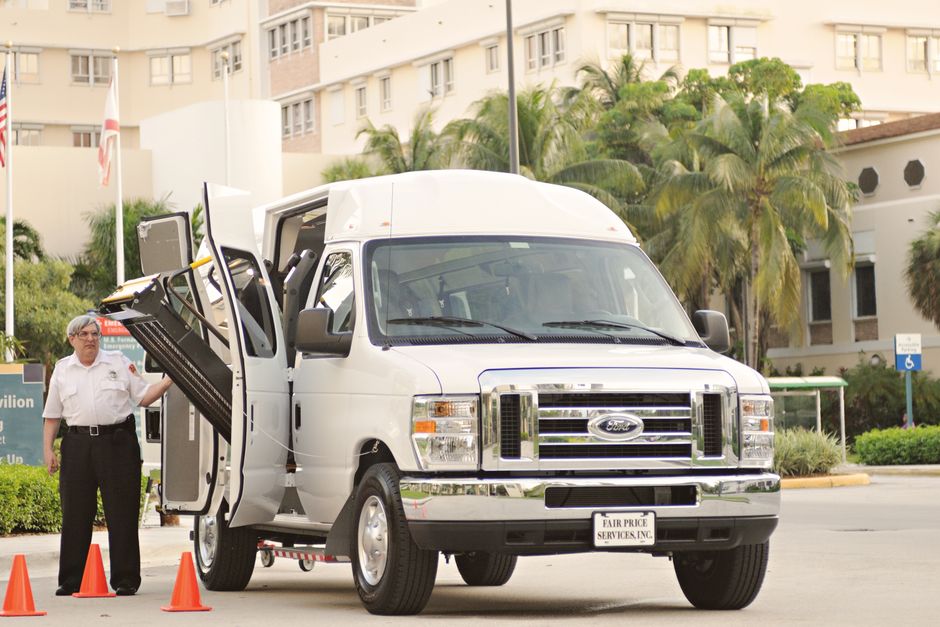
Not every group splits evenly. Maybe you have 100 people, but 15 of them are children who need car seats, or a portion of your group has mobility needs requiring wheelchair-accessible seating. In these cases, mixing vehicle types, like one full-size motorcoach and one mid-size accessible bus, can solve logistical challenges that a single vehicle type can’t.
Talk to your charter bus provider about your group’s specific composition. Experienced dispatchers can help you figure out the right mix of vehicle sizes rather than defaulting to a single vehicle type just to keep things simple. Sometimes the extra coordination is worth the added comfort and accessibility for everyone involved.
Key Factors That Affect How Many Buses You’ll Need
Seating capacity is only part of the equation when you’re planning transportation for 100 people. Several other factors can shift the math, sometimes requiring an additional vehicle even if the passenger count alone seems to fit neatly onto two buses.
Luggage and Storage Space
A charter bus advertised as a “56-passenger coach” is rated that way based on seating alone, not the amount of luggage, equipment, or gear the group is bringing along. If your 100 travelers are headed to a weekend retreat with suitcases, or a sports team with equipment bags, the available underbelly storage can fill up fast.
When storage space runs short, operators sometimes need to reduce the number of seats sold on a bus to make room for bags, effectively lowering the real-world capacity below the advertised maximum. This is especially common for:
- Multi-day trips requiring full luggage per passenger
- Sports teams traveling with equipment bags, coolers, or gear bins
- Musical or theater groups transporting instruments and costumes
- School groups bringing sleeping bags or camping equipment
Always tell your charter bus provider exactly what you’re bringing, not just how many people are traveling. This detail can be the difference between a smooth departure and a scramble to fit everything on board at the last minute.
ADA Accessibility Requirements
If any portion of your 100-person group requires wheelchair access or other mobility accommodations, this needs to be addressed early in the planning process. Not every charter bus is equipped with a wheelchair lift, and accessible buses often have a lower overall passenger capacity because of the space reserved for lifts, ramps, and securement areas.
Federal regulations under the Americans with Disabilities Act require charter bus companies to provide accessible transportation when requested, but availability of ADA-compliant vehicles can be limited, particularly during peak booking seasons. If your group includes passengers who need accessible seating, mention this when you request your first quote, not after buses have already been assigned.
Trip Distance and Comfort Level
A 100-person group heading to a baseball game 20 minutes away has very different comfort needs than a group traveling six hours to a multi-day conference. For short trips, packing buses closer to their maximum rated capacity is usually fine. For longer rides, many organizers choose to book slightly larger buses or add an extra vehicle so passengers have more room to stretch out, sleep, or work along the way.
If your trip involves a long drive, it’s worth reviewing general long-distance charter bus travel tips to understand how seating comfort, rest stops, and driver hours factor into a smooth multi-hour journey for a large group.
Group Type and Event Logistics
The nature of your event can also influence how many buses make sense. A wedding party of 100 guests traveling from a ceremony to a reception venue might prioritize having everyone arrive together in a single grand entrance, which could tip the scale toward one large motorcoach plus a smaller shuttle for overflow. A corporate group attending a multi-day conference, on the other hand, might prefer two buses that can run on separate, staggered schedules to accommodate different arrival times.
Before finalizing your vehicle count, think through:
- Whether the entire group needs to arrive and depart at the same time
- Whether some attendees might need to leave early or arrive late
- Whether the event has multiple pickup or drop-off points
- Whether the group will need transportation between multiple stops throughout the day
If your itinerary includes several destinations rather than a single point A to point B trip, it’s worth reading up on whether a charter bus can make multiple stops, since this can affect both scheduling and how you divide passengers between vehicles.
Cost Considerations for Transporting 100 People
Budget is almost always part of the conversation when a group grows into triple digits. Transporting 100 people is a significant expense no matter how you slice it, but understanding how pricing works can help you make smarter choices about vehicle selection.
Single vs. Multiple Bus Pricing
It might seem like renting two 50-passenger buses would cost roughly the same as one 100-passenger option, but pricing doesn’t always scale in a straight line. Each bus comes with its own driver, fuel costs, and operating fees, so splitting a group across two vehicles is almost always more expensive than a single large bus would be, if such a bus existed for your group size.
That said, most charter companies price by the vehicle and trip specifics rather than a flat per-seat rate, so it’s worth requesting quotes for a few different configurations, such as:
- Two 50-passenger motorcoaches
- One 56-passenger coach paired with a 40-passenger mini coach
- Three smaller buses, if your route or pickup logistics require more flexibility
Comparing actual quotes side by side will give you a clearer picture than assumptions based on seat count alone.
Hidden Costs to Watch For
When budgeting for a 100-person trip, don’t overlook costs beyond the base rental rate. These can include:
- Fuel surcharges, especially for longer trips
- Driver gratuities, which are customary and often expected per vehicle, per day
- Overnight accommodations for drivers on multi-day trips
- Parking or venue fees at your destination, particularly if you need space for two large vehicles
- Cancellation or rescheduling fees if your plans change
Because a two-bus booking involves two contracts (or one contract covering two vehicles, depending on the company), it’s smart to fully understand the provider’s terms before signing. Reviewing a charter bus deposit and cancellation policy guide ahead of time can help you avoid surprise fees if your group’s headcount shifts closer to departure, which is common with events this large.
How to Coordinate Logistics for a 100-Person Trip
Booking the buses is only half the job. Once you know you’re working with two or more vehicles, the real planning challenge becomes making sure everyone ends up in the right place, at the right time, without confusion or delays.
Pickup and Drop-off Planning
With multiple buses involved, pickup and drop-off logistics get more complicated. You’ll need to decide whether both buses will load from the same location at the same time, or whether staggered pickups make more sense to avoid a bottleneck of 100 people trying to board at once.
Large parking lots, event venues, and hotels can usually accommodate two motorcoaches, but it’s worth confirming ahead of time that there’s enough space for both vehicles to pull in, park, and load without blocking traffic or other vehicles. A detailed charter bus pickup and drop-off guide can help you map out logistics like curb space, loading zones, and timing so your departure runs smoothly even with two full-size coaches involved.
Assigning Passengers to Buses
One of the most overlooked steps in planning transportation for 100 people is deciding, in advance, who rides on which bus. Without a plan, you’ll likely end up with one overcrowded bus and one nearly empty one, or families and coworkers split apart in ways that cause frustration.
Simple strategies that work well include:
- Assigning buses by last name, department, or team
- Creating a printed or digital manifest for each vehicle
- Designating a point person for each bus who can do a quick headcount before departure
- Color-coding wristbands, lanyards, or tickets by bus number
These small organizational touches prevent a lot of on-the-spot confusion, especially at a busy pickup location with a lot of moving parts.
Communication Between Drivers
When two buses are traveling together, especially to the same destination, it helps to establish a communication plan between drivers. Many charter companies coordinate this internally, but as the group organizer, you can request that drivers stay in contact regarding:
- Departure timing so both buses leave together or on a coordinated schedule
- Rest stop timing on longer trips so the group doesn’t get split up for extended periods
- Any route changes due to traffic, construction, or weather
- Arrival timing at the destination so both buses can unload in a coordinated way
Ask your charter bus company how driver communication is typically handled during multi-vehicle trips, and don’t hesitate to request a point of contact who can update you directly if something changes en route.
Choosing the Right Charter Bus Company for Large Groups
Not every charter bus provider is equipped to handle a 100-person group with the same level of ease. Some companies specialize in smaller bookings and may not have the fleet size or dispatch experience to coordinate multiple vehicles smoothly. When evaluating providers for a group this size, look for:
- A fleet large enough to offer multiple vehicle options for comparison
- Experience coordinating multi-bus trips for events, schools, or corporate groups
- Clear communication about driver assignments, backup vehicles, and contingency plans
- Transparent pricing that breaks down costs per vehicle
- Positive reviews specifically mentioning large group coordination
For a deeper look at how to evaluate providers and vehicle options when your group is on the larger side, this guide on the best charter bus for large groups walks through how to match vehicle type and provider experience to your group’s specific needs.
Real-World Scenarios: When 100-Person Groups Need Multiple Buses
Seeing how other organizers have handled 100-person transportation needs can make the planning process feel less abstract. Here are a few common scenarios where two-bus solutions come into play.
School Trips and Summer Camps
Schools and camps frequently move large groups of students to and from destinations, and 100-person groups are common for field trips, championship games, or the start and end of a camp session. Coordinating two buses with clear passenger manifests and chaperone assignments per vehicle is standard practice. If you’re planning transportation for a large group of campers or students, a guide focused on charter bus rental for summer camps covers many of the same multi-bus coordination strategies discussed here, tailored specifically to that setting.
Graduation Ceremonies
Graduating classes of 100 or more students, plus staff and sometimes family members, often need transportation from a school to a ceremony venue. Because timing is critical for these events, two coordinated buses arriving together is usually far more practical than trying to squeeze everyone into a single oversized vehicle. For more specifics on this scenario, see this guide to charter bus rental for graduation ceremonies.
Corporate Retreats and Conferences
Companies hosting retreats or sending large teams to conferences often deal with the exact 100-person dilemma described throughout this article. Two vehicles allow for staggered schedules, since not every employee always needs to arrive or leave at the same time. If this sounds like your situation, a resource on charter bus rental for company retreats offers additional planning tips specific to corporate travel logistics.
University Events
Large student organizations, athletic departments, and university-sponsored trips frequently involve groups well over the standard single-bus capacity. Coordinating two vehicles for these trips is common practice on college campuses, and a dedicated look at charter bus rental for university events covers scheduling and budgeting considerations unique to campus groups.
Tips for a Smooth Group Travel Experience
Whether you end up booking two standard motorcoaches, a mix of vehicle sizes, or a double-decker paired with a standard coach, a few best practices can make the day run far more smoothly for a group of 100 travelers:
- Confirm your final headcount early. Vehicle assignments and seating charts are much easier to finalize when your numbers are locked in well before departure day.
- Build in buffer time. Loading and unloading 100 people takes longer than loading 30. Add extra time to your schedule so the group isn’t rushed.
- Assign a lead coordinator per bus. Having one person responsible for headcounts, questions, and communication on each vehicle keeps things organized.
- Share the itinerary with both drivers. Make sure both vehicles are working from the same schedule, especially if there are multiple stops involved.
- Prepare for the unexpected. Have a backup plan in case one bus experiences a delay or mechanical issue, including a way to contact the charter company directly.
Reviewing a general charter bus travel checklist before departure can also help you catch small details, like paperwork, payment confirmations, and passenger instructions, that are easy to overlook when you’re managing a group this large.
Frequently Asked Questions
Is there a single charter bus that seats 100 people?
No. Standard charter buses typically max out around 56 seats, and even larger motorcoaches rarely exceed 61 to 63 seats. To transport 100 people, you’ll almost always need two vehicles, whether that’s two standard motorcoaches, a mix of bus sizes, or a double-decker paired with a standard coach.
Is it cheaper to book one giant bus or two smaller ones?
Since no single charter bus realistically seats 100 people, this usually isn’t a choice you’ll face. However, when comparing different two-bus configurations, pricing can vary based on vehicle size, distance, and trip length, so it’s worth requesting quotes for a few different vehicle combinations before booking.
How far in advance should I book buses for a 100-person group?
For groups this large, booking at least four to six weeks ahead is recommended, and even earlier during peak travel seasons like spring break, summer, or graduation season. Multi-bus bookings require more coordination on the provider’s end, so early booking gives you a better chance of securing the exact vehicle types you need.
Can two different charter bus companies be used for one trip?
It’s possible, but not usually recommended. Using two vehicles from the same company makes coordination, billing, and communication far simpler, especially if drivers need to stay in contact regarding timing or route changes.
What happens if my group size changes closer to the trip date?
Most charter companies allow some flexibility for headcount changes, but it’s important to communicate updates as early as possible. Significant changes, especially reductions, may affect pricing or vehicle assignments, so review your provider’s policies on adjustments and cancellations before your final payment is due.
Final Thoughts
So, can one charter bus fit 100 people? In almost every real-world case, the answer is no, but that doesn’t mean transporting a group of that size has to be complicated. With the right combination of vehicles, whether that’s two standard motorcoaches, a double-decker paired with a smaller coach, or a mixed fleet tailored to your group’s specific needs, moving 100 people safely and comfortably is entirely achievable.
The key is planning ahead. Get an accurate headcount, understand your luggage and accessibility needs, request quotes for multiple vehicle configurations, and work with a charter bus company experienced in coordinating multi-vehicle trips. With those pieces in place, your 100-person group can travel together, arrive on time, and enjoy the trip without the transportation logistics becoming a headache.