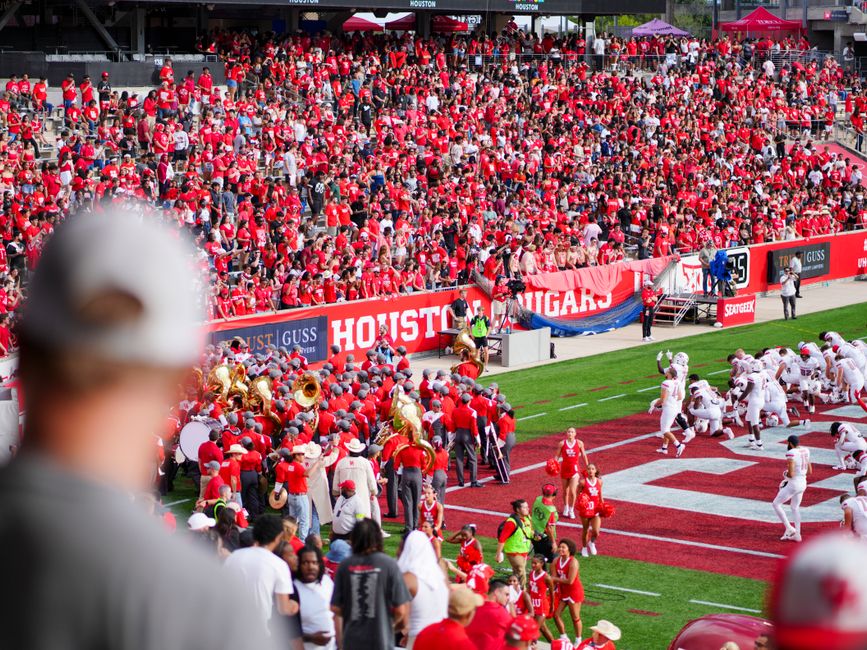
Charter Bus Rental for University Events: The Complete Planning Guide

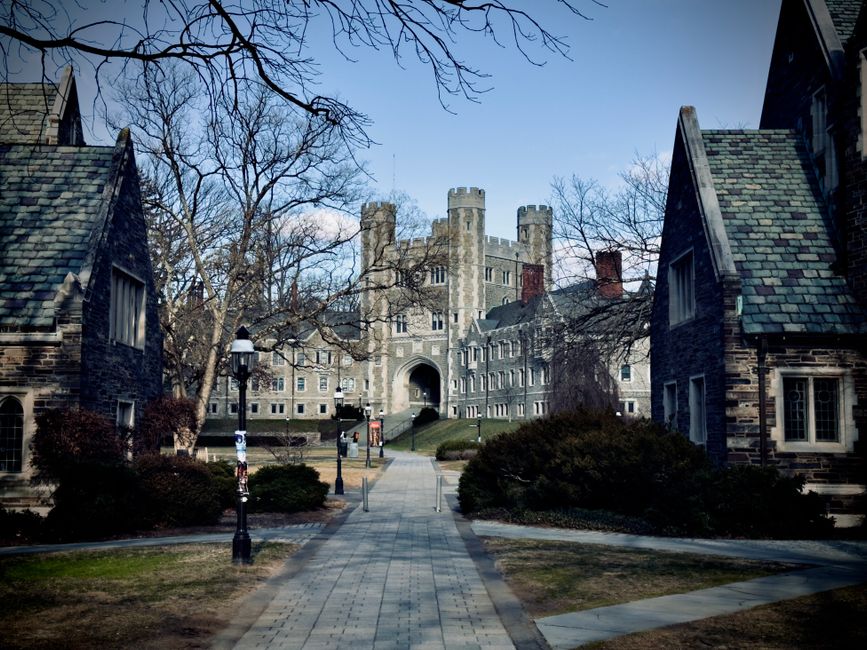
Moving hundreds or thousands of students, faculty, and guests across campus, to a stadium, or to an off-site conference center is a logistical challenge that most universities face several times a year. A charter bus rental for university events solves that challenge by consolidating dozens of individual cars into a handful of coordinated, professionally driven vehicles. Whether you’re organizing freshman orientation, a homecoming weekend, an athletics road trip, or a graduation ceremony, group transportation keeps everyone on schedule and reduces the campus parking headaches that plague every academic institution.
In this guide, you’ll learn exactly when a charter bus rental for university events makes sense, how to choose the right bus size and amenities, what it typically costs, how to stay compliant with university procurement and insurance policies, and how to avoid the most common planning mistakes. By the end, you’ll have a practical framework you can hand off to student affairs staff, event coordinators, or student organization leaders.
Why Universities Rely on Charter Bus Rentals
College campuses generate constant movement. Students commute between residence halls and classroom buildings, athletic teams travel to conference matchups, and administrators shuttle prospective families around campus during admissions season. Individual driving isn’t practical at this scale, and ride-share apps become prohibitively expensive and unreliable once a group grows past a dozen people.
Charter buses solve several problems at once:
- Centralized logistics: One departure point, one arrival time, and a single point of contact instead of dozens of scattered vehicles.
- Cost efficiency: Splitting a bus rental across 40-50 riders is almost always cheaper per person than mileage reimbursement, parking fees, or rideshare surges.
- Liability reduction: Professional drivers with commercial licenses reduce the university’s exposure compared to students driving personal vehicles or rental cars to an event.
- Predictability: A scheduled charter arrives and departs on a fixed timeline, which matters enormously for events with strict start times like commencement or a kickoff.
As a result, transportation offices at large universities frequently keep standing relationships with regional charter companies, booking buses months in advance for recurring events like athletics or admissions tours.
Types of University Events That Need Charter Bus Transportation
Not every campus event requires a bus, but a surprising number do once you start counting attendees, distance, and the number of trips required. Here are the categories where charter bus rental for university events comes up most often.
Orientation and Welcome Week
New student orientation typically involves moving hundreds of incoming freshmen between check-in locations, dorms, dining halls, and off-campus activities like a welcome picnic or a local attraction visit. Buses running on a continuous loop schedule keep the day moving without overwhelming campus parking or forcing students to walk long distances with luggage.
Athletics and Team Travel
Varsity and club sports teams are some of the heaviest users of charter transportation on any campus. Away games, tournaments, and conference championships often require overnight travel, and coaches need a bus equipped for both the players and their equipment. If your athletic department hasn’t formalized its transportation process yet, our guide to charter bus rental for sports teams breaks down everything from roster-based bus sizing to equipment storage considerations.
Admissions Tours and Prospective Student Visits
Open houses and accepted-student days bring visiting families onto campus in waves, and many admissions offices coordinate group shuttles from off-campus hotels or parking lots to the main quad. Some universities also send buses out to host regional recruiting events or campus preview days at partner high schools. If your office is planning multi-stop visits for prospective students, our charter bus rental for college tours guide covers route planning, scheduling, and group management in detail.
Academic Conferences and Symposiums
When a university hosts a regional or national academic conference, attendees frequently need transportation between the conference hotel, the main event venue, and evening social functions. Faculty traveling to present research at off-site conferences also benefit from group charters rather than individual mileage claims, especially for department-wide trips.
Greek Life and Formal Events
Fraternity and sorority formals, philanthropy events, and Greek Week activities often involve transporting dozens of members to off-site venues like hotels, event halls, or lake houses. A chartered bus keeps everyone together, eliminates designated-driver concerns, and adds a layer of safety that risk management offices appreciate.
Commencement and Graduation Weekend
Graduation weekend can flood a campus with more visitors than it sees all year. Universities often run shuttle buses between remote parking lots, hotels, and the ceremony venue to manage traffic and accessibility. Buses are also useful for moving graduating seniors between multiple ceremony locations if the university holds separate college-level and university-wide events.
Field Trips, Labs, and Study Abroad Departures
Departments in the sciences, humanities, and fine arts frequently schedule off-campus field trips, whether that’s a geology class visiting a quarry or an art history class touring a museum. Study abroad programs also use charter buses to move student groups to airports or departure points in a coordinated, supervised way.
Alumni Weekend and Homecoming
Homecoming weekend brings alumni back to campus in large numbers, and many universities offer shuttle service between hotels, parking areas, tailgates, and the stadium. Reunion classes sometimes charter their own buses for group outings as part of milestone reunion programming.
Career Fairs and Employer Visits
Some universities partner with regional employers to run job fair shuttles, moving students from campus to an off-site convention center or hosting employer site visits where students tour a company’s facility as a group.
How to Choose the Right Charter Bus for a University Event
Once you know a bus is the right call, the next question is which bus. University events vary enormously in size and format, so matching the vehicle to the trip matters more than people expect.
Bus Size and Passenger Capacity
Charter buses generally range from 20-passenger minibuses to full-size 56-passenger motorcoaches. Consider:
- Small groups (15-25 people): A minibus works well for a single lab section, a small club, or a departmental trip.
- Mid-size groups (25-45 people): A mid-size coach fits most academic conference delegations, sports teams with support staff, or a Greek chapter formal.
- Large groups (45-56+ people): Full-size motorcoaches suit orientation shuttles, commencement transportation, or large-scale admissions events.
If you’re regularly booking for groups in the 20-60 person range, it’s worth reviewing our size-specific breakdowns, including charter bus rental for 20 people, charter bus rental for 40 people, and charter bus rental for 60 people, to see how vehicle options and pricing shift at each headcount.
Amenities That Matter for Campus Events
Not every trip needs a luxury coach, but certain amenities make a real difference depending on the event:
- Reclining seats and legroom for long-distance athletic travel or overnight trips
- Onboard restrooms for trips over an hour, especially for large groups without frequent stops
- Wi-Fi and power outlets for students who need to study, or staff who need to work during transit
- Luggage bays for move-in day, study abroad departures, or overnight tournament travel
- PA systems for tour guides on admissions trips or coaches giving pre-game instructions
- Wheelchair-accessible boarding for compliance with accessibility requirements
For a full rundown of what’s typically bundled into a rental versus what costs extra, take a look at our post on what is included in a charter bus rental.
Safety Ratings and Driver Qualifications
University risk management offices almost always require proof of insurance, a valid U.S. Department of Transportation (DOT) number, and confirmation that drivers are properly licensed and background-checked. Ask any charter provider for their safety rating through the FMCSA Safety Measurement System before signing a contract. This is especially important for trips involving minors, such as high school recruiting visits or youth programs hosted on campus.
Budgeting for a University Charter Bus Rental
Pricing for charter buses depends on several variables, and understanding them helps you build a realistic budget for departmental or student organization funding requests.
Key Cost Factors
- Trip distance: Local shuttles within a few miles cost far less than a three-hour trip to a conference or away game.
- Trip duration: Hourly minimums typically apply, and full-day charters cost more than a quick round-trip shuttle.
- Number of buses needed: Larger events may require multiple buses running simultaneous loops, which multiplies the base cost but often reduces per-person price.
- Seasonal demand: Fall move-in, homecoming, and spring commencement fall during peak charter season, so booking early avoids premium pricing.
- Overnight travel: Multi-day athletic or academic trips may require driver lodging and additional per-diem costs.
Typical Price Ranges
As a general benchmark, local minibus rentals often start around $500-$900 for a half-day, while full-size motorcoaches for regional trips can range from $1,200 to $2,500 or more per day depending on distance and duration. Multi-day athletic travel or conference trips with overnight stays can run several thousand dollars once driver accommodations and extended mileage are factored in. Always request an itemized quote so your budget accounts for fuel surcharges, gratuity, and parking or toll fees.
Funding Sources on Campus
Most universities pull charter bus funding from one of these sources:
- Student activity fees allocated to student government or club budgets
- Athletic department operating budgets for team travel
- Admissions and enrollment marketing budgets for recruiting events
- Departmental or grant funding for academic field trips and conferences
- Alumni relations budgets for homecoming and reunion shuttles
Getting quotes from at least two or three licensed operators before submitting a purchase request will help your finance office compare pricing and confirm you’re getting a fair rate.
Planning Timeline: When to Book
Universities that book charters at the last minute usually pay a premium or get stuck with a smaller vehicle than they wanted. A general planning timeline looks like this:
3+ Months Out
Lock in dates for predictable annual events like commencement, homecoming, and orientation. These dates are set on the academic calendar well in advance, so there’s no reason to wait.
6-8 Weeks Out
Finalize headcount estimates, request formal quotes from two or three charter companies, and confirm pickup and drop-off locations with campus facilities or the host venue.
2-4 Weeks Out
Sign the contract, submit insurance certificates to your risk management office, and distribute departure information to riders, including boarding times and any ID or check-in requirements.
1 Week Out
Confirm final headcounts with the bus company, share driver contact information with the trip leader, and print or send digital rosters for check-in at boarding.
Coordinating Large Student Groups
Transportation logistics for university events usually involve more moving parts than a typical corporate outing, mainly because student groups can be harder to organize and track. A few practices make a measurable difference.
Use a Roster and Check-In System
Whether you’re managing an athletic roster or a club’s membership list, checking riders in against a printed or digital roster prevents no-shows from holding up departure and helps you account for everyone at the return trip.
Assign Trip Leaders for Every Bus
Every bus should have a designated staff member, coach, or student leader responsible for headcounts, communicating schedule changes, and serving as the point of contact for the driver.
Set Clear Boarding Windows
Give students a specific boarding time, not just a departure time. Building in a 10-15 minute buffer for boarding keeps the schedule on track without frustrating punctual riders.
Communicate Behavior Expectations
Especially for Greek life events, athletic trips, or off-campus outings involving alcohol-free travel policies, distribute a short code of conduct before departure so expectations are clear to everyone on board.
Plan for Return Trip Logistics
Late-night events, tournaments running long, or conference sessions ending early can all disrupt a return schedule. Confirm with your charter company how flexible their return time can be, and have a communication plan in case the schedule shifts.
Compliance, Insurance, and Procurement Considerations
Universities operate under more institutional oversight than most private organizations booking group travel, and that shows up in procurement policy.
Certificate of Insurance
Most university risk management offices require the charter company to provide a certificate of insurance naming the university as an additional insured party before the trip is approved. Request this early since it can take a few business days to process.
Preferred Vendor Lists
Many universities maintain a preferred or approved vendor list for transportation providers. Check with procurement or your business office before booking independently, since using an unapproved vendor can complicate reimbursement or violate purchasing policy.
Title IX and Accessibility Requirements
If your event includes attendees with disabilities, confirm ADA-compliant boarding is available on the vehicle you’re booking. This is a common oversight that creates last-minute scrambling if not addressed during the initial booking conversation.
Minor Travel Policies
Recruiting events, camps, or programs involving high school students traveling on university-chartered buses often require additional background check documentation for drivers and chaperones. Loop in your legal or compliance office early if minors will be riding.
Common Mistakes to Avoid
University event planners tend to make a handful of predictable mistakes when booking transportation for the first time. Here are the most frequent ones, along with quick fixes.
- Underestimating headcount: Always add a buffer of 5-10% to your estimated attendance so you’re not scrambling to add a second bus at the last minute.
- Booking too late: Popular travel dates like graduation weekend and conference season fill up fast. Book as early as your calendar allows.
- Ignoring luggage or equipment needs: Athletic equipment, move-in belongings, and conference materials all need cargo space, so confirm this during booking, not on the day of travel.
- Skipping the insurance paperwork: Missing certificates of insurance can delay or cancel approval from your risk management office.
- Not confirming accessibility: Assuming a bus is wheelchair-accessible without confirming it in writing can create a serious problem on event day.
For a broader look at pitfalls that apply to almost any group trip, our post on 15 charter bus rental mistakes to avoid is worth a read before you finalize any contract.
Sample Scenario: Planning Transportation for Homecoming Weekend
To make this concrete, here’s how a mid-size university might approach homecoming weekend transportation:
- Step 1: Estimate attendance across alumni events, tailgates, and the football game, then decide how many shuttle loops are needed between the main parking structure and the stadium.
- Step 2: Request quotes from two or three charter companies for a fleet of three full-size motorcoaches running continuous loops from 9 a.m. to 8 p.m.
- Step 3: Confirm insurance documentation with the university’s risk office and finalize the contract six weeks before the event.
- Step 4: Post shuttle schedules on the alumni relations website and campus event app two weeks prior.
- Step 5: Assign a staff member at each pickup point to manage boarding and answer questions on event day.
This same framework scales down easily for a single-bus club trip or up for a multi-bus commencement operation.
Frequently Asked Questions
How far in advance should a university book a charter bus for an event?
For recurring events like commencement, homecoming, or orientation, book at least 8-12 weeks in advance. For smaller club trips or one-off department outings, 3-4 weeks is usually enough, though popular dates during peak seasons fill up faster.
How much does a charter bus rental for university events typically cost?
Costs vary by distance, duration, and bus size, but local trips often range from $500-$900 for a half-day minibus rental, while full-size motorcoaches for regional trips can run $1,200-$2,500 or more per day. Overnight athletic or conference travel adds driver lodging and extended mileage costs.
Can a university use one preferred charter company for all campus events?
Yes, many universities establish a preferred vendor relationship or contract with one or two charter companies to simplify procurement, secure volume discounts, and standardize insurance documentation across the year.
Do charter buses accommodate students with disabilities?
Most charter companies offer ADA-compliant, wheelchair-accessible vehicles, but availability varies by fleet. Always confirm accessibility needs at the time of booking rather than assuming it’s standard equipment.
What information does a charter company need to provide an accurate quote?
You’ll typically need to share the pickup and drop-off locations, date and time of travel, estimated headcount, round-trip or one-way status, and any special requirements like luggage space or overnight driver accommodations.
Final Thoughts
A well-planned charter bus rental for university events does more than move people from point A to point B. It reduces campus traffic, keeps large groups on schedule, satisfies risk management requirements, and gives students and visitors a smoother experience overall. Whether you’re coordinating a single club trip or managing a full fleet for commencement weekend, the same fundamentals apply: book early, match the bus to the group size, confirm insurance and accessibility details, and assign clear points of contact for every leg of the trip. Get those pieces right, and transportation becomes one less thing your event team has to worry about on the big day.