Charter Bus Rental for National Park Tours: The Complete Group Planning Guide

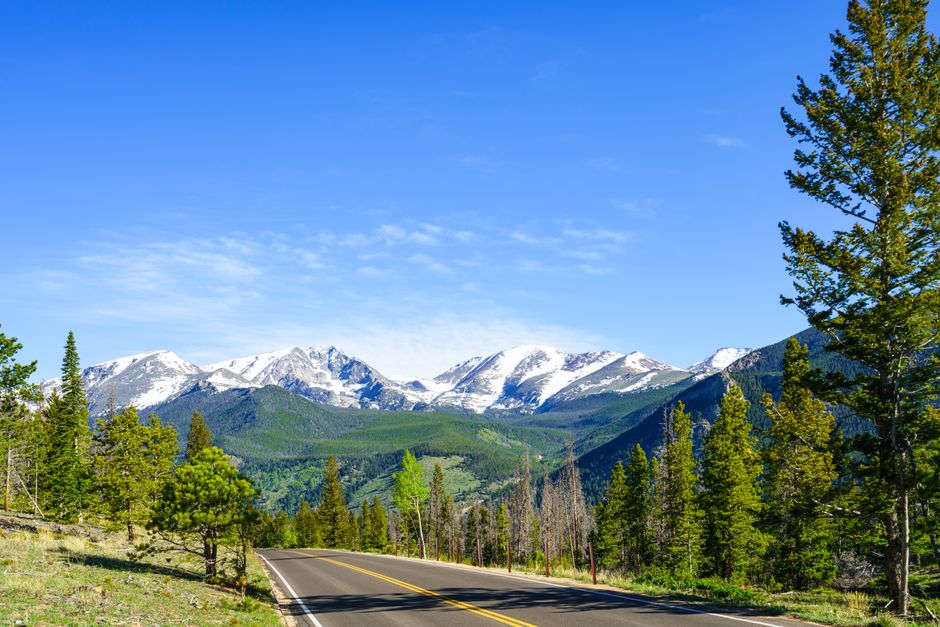
Watching a national park through a car windshield with four other people arguing about who forgot the sunscreen is one kind of trip. Rolling into Yellowstone or the Grand Canyon on a comfortable charter bus, with everyone’s gear stowed below and nobody stressing about parking, is a completely different experience. Charter bus rental for national park tours has become one of the most popular ways for families, school groups, tour operators, and clubs to see America’s most iconic landscapes without the logistical headaches of driving multiple vehicles.
In this guide, we’ll walk through everything you need to know before booking a bus for a park tour: how to pick the right vehicle, what parks are actually bus-friendly, how pricing works, permit rules you can’t ignore, and the mistakes that trip up first-time renters. By the end, you’ll know exactly how to plan a national park charter trip that runs smoothly from the first mile to the last overlook.
Why Charter Buses Make Sense for National Park Trips
National parks were not designed with large tour groups in mind. Parking lots at popular trailheads fill up by 8 a.m. in peak season, roads narrow to one lane in places like Zion Canyon, and shuttle systems already control private vehicle access in several major parks. A charter bus rental solves several of these problems at once.
- Fewer vehicles, less chaos: One bus replaces 5-10 personal cars, which means less time hunting for parking and fewer chances of losing someone in a caravan.
- Built-in group cohesion: Everyone arrives and departs together, which matters a lot for school trips, retirement groups, and tours with a tight schedule.
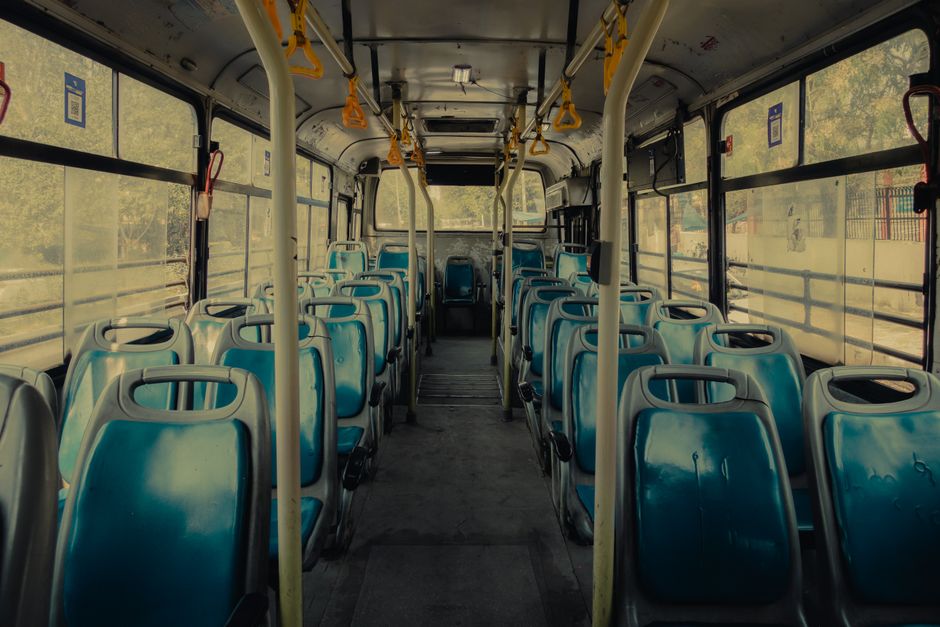
- Comfort over long distances: Many parks are hours from the nearest airport or city. A charter bus with reclining seats, climate control, and restrooms makes the drive part of the trip instead of a chore.
- Local driver knowledge: Experienced charter drivers often know which roads have height or weight restrictions, where turnarounds exist, and how to time arrivals to avoid the worst crowds.
Beyond convenience, there’s an environmental and traffic-management angle too. Parks like Zion and Rocky Mountain have leaned into shuttle-based and low-emission transportation for exactly this reason: fewer cars means less congestion and less strain on fragile park infrastructure. Group travel by bus lines up with that trend.
Choosing the Right Bus for a National Park Tour
Not every charter vehicle is a good fit for park terrain. Before you book, think through group size, road conditions, and how much luggage or gear people will bring.
Motorcoach (45-56 passengers)
Full-size motorcoaches are the standard choice for large tour groups, school trips, and multi-day itineraries. They typically include reclining seats, overhead storage, onboard restrooms, and sometimes Wi-Fi and power outlets. They’re comfortable for long highway stretches between parks, such as the drive between Salt Lake City and Yellowstone.
The tradeoff: full-size coaches can struggle on narrow, winding park roads. Places like Going-to-the-Sun Road in Glacier National Park or parts of the Blue Ridge Parkway have explicit length and width restrictions that rule out standard motorcoaches entirely.
Mini and Mid-Size Buses (20-35 passengers)
Mini coaches and mid-size buses hit a sweet spot for park tours. They carry a solid-sized group, still offer decent legroom and storage, and can navigate tighter mountain roads and smaller parking areas that a full 45-foot coach can’t touch. If your itinerary includes winding switchbacks or older park roads, a mid-size bus is often the safer and more practical option.
Shuttle Buses and Vans
For smaller groups, or for shuttling people from a hotel to a trailhead over a short distance, a shuttle bus or passenger van may be the most economical and maneuverable choice. These work particularly well for day-use trips inside a park where you’re moving between short stops.
If you’re unsure which size fits your group and route, it helps to compare passenger capacity against your actual headcount plus luggage needs. Our comparison of luxury versus standard charter buses breaks down amenities that matter for longer scenic drives, which is useful context when picking between comfort tiers for a park trip.
Which National Parks Are Actually Bus-Friendly?
This is the question that trips up a lot of first-time planners. Some parks welcome large buses with dedicated parking; others restrict coach access almost entirely on certain roads. Research this before you commit to an itinerary, not after.
Parks With Good Bus Access
- Grand Canyon National Park (South Rim): Well set up for tour buses, with designated bus parking near the visitor center and Village area. The South Rim shuttle system also reduces the need to drive within the park itself.
- Yellowstone National Park: Large parking areas exist at major attractions like Old Faithful and Mammoth Hot Springs, though roads can be narrow and slow, especially during wildlife jams.
- Great Smoky Mountains National Park: Popular with tour groups and generally accessible, though Cades Cove Loop Road has vehicle length restrictions worth checking in advance.
- Yosemite National Park (Valley floor): Buses can access Yosemite Valley, though Tioga Road and some higher-elevation routes have seasonal closures and size limits.
Parks With Real Restrictions
- Zion National Park: Private vehicles, including most tour buses, are not allowed on Zion Canyon Scenic Drive during peak season. Visitors use the park’s own shuttle system instead, so your charter bus will typically drop passengers at the visitor center.
- Glacier National Park: Going-to-the-Sun Road has a strict vehicle length limit (21 feet as of recent seasons) and width limit, which rules out standard motorcoaches on that specific route.
- Acadia National Park: Some roads on Mount Desert Island have narrow, winding sections that are difficult for full-size coaches, particularly around Cadillac Mountain in peak season.
The takeaway: always check the specific park’s official transportation and size-restriction pages before finalizing your route, and loop your charter company in early so their dispatch team can flag any roads their buses can’t legally or safely use. The National Park Service website lists current alerts, road closures, and vehicle restrictions for each park, and it’s worth checking again a week before departure since rules change seasonally.
Permits and Reservations You Might Not Know About
National parks increasingly require commercial vehicles, including charter buses, to obtain specific permits or reservations that individual car travelers don’t need to worry about.
- Commercial Use Authorizations (CUAs): Many parks require tour operators bringing groups for a fee-based tour to hold a CUA. If you’re chartering a bus purely for transportation and not running a guided tour, this may not apply, but it’s worth confirming with the park directly.
- Timed entry reservations: Parks like Yosemite, Arches, Glacier, and Rocky Mountain have used timed-entry reservation systems during peak months. A charter bus full of visitors still needs valid reservations for everyone aboard in parks that require them.
- Group camping or lodging permits: If your itinerary includes overnight stays inside the park, group campsites and lodges often book out 6-12 months ahead.
- Entrance fee arrangements: Some parks bill commercial vehicles a per-passenger entrance fee rather than a standard per-vehicle fee. Your charter company or tour operator should factor this into trip cost estimates.
Because these rules shift year to year and season to season, build in a call to the park’s visitor center or commercial services office as a standard step in your planning checklist, not an afterthought.
Best Times of Year to Charter a Bus for Park Tours
Timing affects everything from pricing to road access to how crowded your photos will be.
Peak Season (June through August)
Warm weather, open roads, and full services make summer the most popular window, but it’s also the most expensive and most crowded. Expect higher charter rates, tighter driver availability, and the need to book months in advance. If you’re set on summer travel, our guide on the best time of year to book a charter bus explains how demand cycles affect pricing well beyond just national park season.
Shoulder Season (April-May and September-October)
Shoulder season often delivers the best balance for park tours. Crowds thin out, temperatures are milder in desert parks like the Grand Canyon and Zion, and fall foliage adds a scenic bonus in places like the Smokies and Acadia. Some high-elevation roads may still have seasonal closures early in spring, so double-check road status before locking in a shoulder-season itinerary.
Winter (November through March)
Winter charter rates drop significantly, and snow-covered park scenery has its own appeal, but many interior park roads close seasonally. Yellowstone’s interior roads, for example, close to regular vehicles in winter and switch to snowcoach and snowmobile access only. A winter charter trip works better for parks with year-round accessible sections, such as the Grand Canyon South Rim or Death Valley.
How Much Does a National Park Charter Bus Cost?
Pricing for a national park charter depends on distance, trip length, bus size, and season, but a few patterns hold true across most operators.
- Hourly and daily rates: Many companies charge either an hourly minimum for short trips or a full-day rate for multi-stop park tours. A full-day motorcoach rental commonly runs from a few hundred dollars into the low thousands depending on region and demand.
- Per-mile charges: Long park routes, especially multi-park circuits like a Utah road trip through Zion, Bryce Canyon, Capitol Reef, Arches, and Canyonlands, may include a per-mile rate on top of the base charge. This helps cover fuel and driver time for the extended distances between parks.
- Multi-day trip costs: Overnight charters require additional line items, including driver lodging, meals, and sometimes a second driver to comply with hours-of-service regulations. These costs are typically built into the quote rather than billed separately, but it’s worth asking your operator to break them down.
- Park entrance and parking fees: National parks charge entrance fees per vehicle, and some also charge separate fees for buses based on passenger capacity. Always confirm whether your charter company or your group is responsible for covering these fees, and factor them into your overall trip budget.
- Seasonal demand pricing: Summer remains the most expensive time to book a park-bound charter, since it overlaps with school breaks, peak visitation, and general high demand for motorcoaches nationwide. Booking in shoulder season or securing your bus well in advance can meaningfully reduce cost.
If you want a more precise estimate before requesting quotes, our charter bus rental cost calculator guide walks through how distance, bus size, and trip duration combine to affect your final price. It’s also worth reviewing common hidden fees in charter bus rentals so nothing catches your group off guard once the invoice arrives.
Why Charter Buses Make Sense for National Park Trips
National parks present a unique set of logistical challenges that make group travel by charter bus especially practical compared to caravanning in personal vehicles or renting multiple cars.
Parking Is Limited and Competitive
Popular trailheads, visitor centers, and scenic overlooks in parks like Zion, Yosemite, and the Grand Canyon often fill their parking lots by mid-morning during peak season. A single charter bus consolidates dozens of visitors into one vehicle, dramatically reducing the parking footprint your group leaves behind and increasing the odds you’ll actually find a spot near the trailhead you want.
Mountain and Canyon Roads Demand Experienced Drivers
Many park access roads feature steep grades, sharp switchbacks, and narrow shoulders with no guardrails. Professional charter drivers are trained and licensed specifically for handling large vehicles on this kind of terrain, which takes the pressure off group leaders who might otherwise be nervous navigating unfamiliar mountain roads themselves. To understand how driver scheduling and rest requirements factor into longer, multi-day park routes, see our breakdown of charter bus driver rules and hours of service.
Groups Stay Together and On Schedule
Coordinating multiple personal vehicles across a national park itinerary almost always leads to someone getting lost, running late, or missing a shuttle connection. A single charter keeps everyone on the same timeline, which matters enormously for time-sensitive activities like ranger-led tours, sunrise photography stops, or timed-entry reservations that many parks now require during peak season.
Reduced Environmental Impact
Consolidating a group of 30-50 travelers into one bus instead of eight to twelve personal vehicles meaningfully cuts down on emissions and traffic congestion within park boundaries. Some park gateway communities have started actively encouraging shuttle and charter use for exactly this reason. Groups interested in minimizing their environmental footprint even further might also compare electric charter buses versus diesel charter buses to see which option best fits their route and available charging infrastructure.
Choosing the Right Bus Size for Your Park Group
Not every national park trip calls for a full-size 56-passenger motorcoach. Matching bus size to your group and itinerary keeps costs reasonable and improves comfort on longer drives.
- Mini-buses (20-30 passengers): A good fit for smaller school groups, family reunions, or clubs visiting a single park with limited road access, such as smaller units within the National Park System that have narrower entrance roads.
- Mid-size coaches (30-40 passengers): A versatile option for most single-park day trips and moderate-sized tour groups, offering a balance between capacity and maneuverability on winding park roads.
- Full-size motorcoaches (45-56 passengers): Best suited for large tour groups, school trips, or multi-day circuits hitting several parks, especially when the itinerary sticks to major highways and well-maintained park entrance roads.
Multi-day national park tours also raise the question of comfort versus budget. For long travel days between parks, amenities like reclining seats, onboard restrooms, and extra legroom can make a real difference in how your group feels by the end of the trip. Our comparison of luxury charter buses versus standard charter buses can help you decide whether the upgrade is worth it for your itinerary.
Popular National Park Charter Bus Itineraries
While every group’s route is different, a few national park circuits come up again and again in charter bus planning because they combine iconic scenery with manageable drive times between stops.
Grand Canyon and Southwest Circuit
A common route links the Grand Canyon South Rim with nearby stops like Sedona or the Petrified Forest, and ambitious multi-day itineraries sometimes extend to Zion and Bryce Canyon in Utah. Wide highways make this region relatively bus-friendly, though summer heat requires extra attention to hydration stops and air conditioning checks before departure.
Yellowstone and Grand Teton Loop
Groups touring Yellowstone often pair it with nearby Grand Teton National Park, creating a loop that showcases geothermal features, wildlife viewing, and dramatic mountain scenery within a few driving hours of each other. Seasonal road closures make spring and fall itineraries trickier here, so early booking with flexible dates is wise.
Great Smoky Mountains and Blue Ridge Route
As the most visited national park in the country, the Great Smoky Mountains draws huge charter bus traffic, particularly from school groups and church organizations in the Southeast. Pairing a Smokies visit with a scenic drive along the Blue Ridge Parkway is a popular add-on for groups with an extra day to spare.
Yosemite and Sierra Nevada Tour
Yosemite’s granite cliffs and waterfalls make it a favorite for West Coast school and tour groups, though narrow park roads and seasonal restrictions on oversized vehicles in certain areas mean itineraries need careful advance planning with your charter operator.
Acadia and New England Coastal Route
Acadia National Park pairs naturally with charming coastal towns in Maine, making it a favorite for fall foliage tours. Narrow, winding roads through Bar Harbor call for a charter company experienced in coastal New England routing.
Planning Considerations Unique to National Park Charters
Beyond the basics of booking a bus, national park trips come with a handful of planning quirks that group leaders should account for early in the process.
Vehicle Length and Size Restrictions
Some park roads, tunnels, and scenic byways have posted length or height restrictions that rule out full-size motorcoaches entirely. Zion National Park, for example, restricts oversized vehicles from certain tunnel routes without an escort or fee. Always share your exact bus dimensions with park authorities or check current restrictions before finalizing your route.
Timed Entry and Reservation Systems
An increasing number of national parks have adopted timed-entry reservation systems during peak season to manage crowding. If your park requires this, your group’s entry slot needs to be secured well in advance, and your charter’s arrival time needs to be built around it precisely, since missing a timed-entry window can mean rerouting your entire day.
Shuttle-Only Zones
Some parks, like Zion during peak season, close certain roads to private and charter vehicles entirely and require visitors to use in-park shuttle systems. In these cases, your charter bus will drop your group at a designated shuttle stop or visitor center rather than driving the full route itself. Confirming this ahead of time avoids confusion on arrival day.
Restroom and Rest Stop Planning
Distances between services can be long in and around national parks, especially in the more remote units out west. Build realistic rest stop intervals into your itinerary, and consider a bus with an onboard restroom for longer stretches without services.
Weather and Road Condition Contingencies
Mountain weather can change quickly, and sudden snow, ice, or heavy rain can close roads with little warning even outside of winter. Build a flexible contingency plan into your itinerary and stay in close contact with your driver and charter company about real-time road conditions.
Accessibility Needs
If your group includes travelers with mobility limitations, confirm ahead of time which trails, viewpoints, and visitor centers are wheelchair accessible, and make sure your charter bus itself meets your group’s accessibility requirements. Our guide to ADA accessible charter buses covers what to expect and what to ask your operator before booking.
Working With the Right Charter Bus Company
Not every charter company has experience routing buses through national park terrain, so vetting your operator matters more here than for a typical city-to-city trip.
- Ask about park route experience. A company that has run trips to your destination park before will already know about seasonal closures, size restrictions, and the best drop-off points.
- Confirm insurance coverage. Remote park routes and mountain roads carry different risk profiles than highway travel, so it’s worth understanding your coverage before you go. Our guide to charter bus rental insurance explains what’s typically included and what to double-check.
- Review the driver’s route familiarity. Ask whether the assigned driver has experience with mountain grades and switchbacks, particularly for parks like Zion, Yosemite, or the Smokies where road conditions demand extra skill.
- Get everything in writing. Confirm pickup and drop-off locations, included stops, fuel surcharges, and cancellation policies in your contract. Our list of questions to ask before renting a charter bus is a useful checklist to run through with any operator you’re considering.
Tips for Group Leaders Planning a Park Trip
- Build in buffer time. Trailhead lines, restroom stops, and photo breaks always take longer than expected. Pad your schedule generously, especially on the first day.
- Pack a group first-aid kit and extra water. Remote park areas can be far from the nearest store or medical facility.
- Communicate the itinerary clearly in advance. Send a printed or digital schedule to all travelers before departure so everyone knows meeting times and locations at each stop.
- Designate a headcount system. With large groups moving through crowded visitor centers and trailheads, a simple buddy system or headcount at each reboarding helps avoid leaving anyone behind.
- Check park alerts the morning of departure. Trail closures, wildlife activity, or road construction can change quickly, so a same-day check of official park alerts is worth the five minutes it takes.
For additional trip-planning inspiration and current conditions across the park system, resources like the National Park Foundation offer helpful overviews of individual parks, seasonal highlights, and ranger program schedules that can help shape your group’s itinerary.
Frequently Asked Questions
Can a full-size charter bus drive into every national park?
No. Some parks restrict oversized vehicles on certain roads, tunnels, or during peak-season shuttle-only periods. Always confirm size restrictions and current road policies for your specific park before finalizing your route.
How far in advance should we book a charter bus for a national park trip?
For peak summer travel, booking three to six months ahead is ideal, since availability tightens quickly during the busiest months. Shoulder-season and winter trips have more flexibility, but earlier booking still tends to secure better pricing. Our guide on the best time of year to book a charter bus breaks down seasonal demand in more detail.
Do charter buses have to stop for park entrance fee collection?
Yes, buses typically stop briefly at entrance stations just like any other vehicle, though many parks offer expedited processes for commercial and charter vehicles. Confirm with your operator whether they handle group entrance fees directly or whether your group needs to arrange payment separately.
What happens if a scheduled park road is closed due to weather?
A good charter company will have contingency routes or alternate stops ready and will coordinate directly with your group leader if a closure affects the planned itinerary. This is one more reason to choose an operator with specific park route experience.
Is it cheaper to rent a charter bus than to caravan with personal vehicles?
When you factor in fuel, parking fees, potential rental car costs, and the value of everyone’s time, a single charter bus is often comparable in cost or cheaper overall, especially for groups of 20 or more, while also eliminating the stress of caravan logistics entirely.
Final Thoughts
National park trips reward careful planning, and a charter bus rental removes many of the biggest headaches that come with coordinating a large group across remote, seasonally unpredictable terrain. From dodging overcrowded parking lots to keeping everyone on schedule for timed-entry reservations, the right bus and the right operator can turn a logistically complicated trip into a smooth, memorable group adventure. Start early, ask the right questions, and match your bus size and amenities to your specific itinerary, and your group will be well positioned to spend more time enjoying the scenery and less time worrying about logistics.