
Charter Bus Air Conditioning and Heating Guide: What Every Renter Should Know

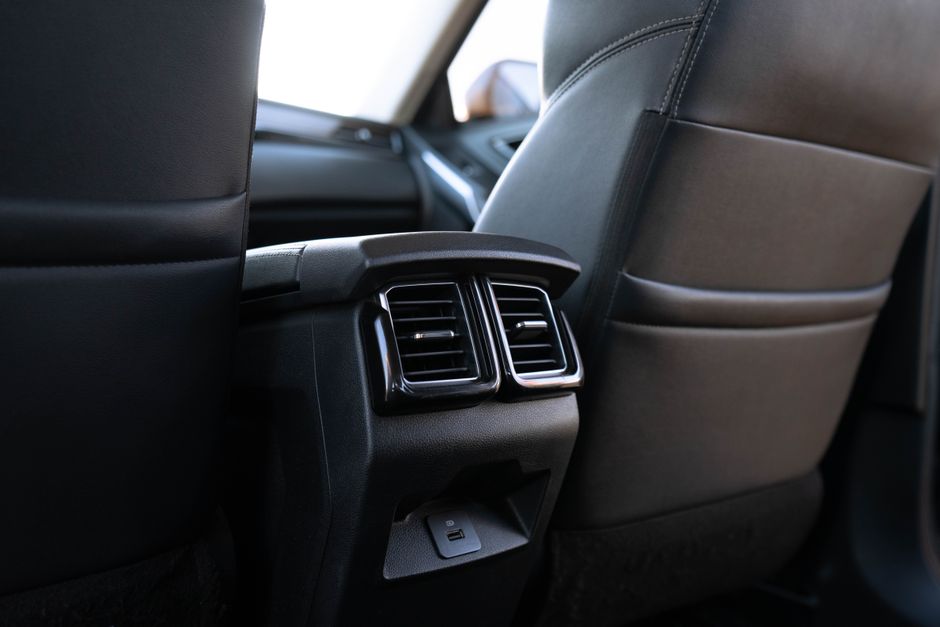
Nobody remembers a charter bus trip because the climate control worked perfectly. But everybody remembers the ride where it didn’t. A bus that turns into a sauna on a summer highway or a freezer on a winter night can ruin a wedding, a school trip, or a corporate event faster than almost anything else. That’s why charter bus air conditioning and heating deserves more attention than most renters give it before they book.
This guide walks through how climate control systems actually work on charter buses, what temperature ranges you can realistically expect, how to spot a bus company that maintains its HVAC systems properly, and what to do if things go wrong mid-trip. Whether you’re planning a summer wedding shuttle or a ski trip in January, you’ll finish this article knowing exactly what questions to ask before you sign a rental contract.
Why Charter Bus Air Conditioning and Heating Matter More Than You Think
A charter bus is essentially a large metal tube with dozens of people generating body heat, sunlight pouring through big windows, and an engine running for hours at a stretch. Without a strong, well-maintained HVAC system, temperatures inside can swing dramatically depending on the weather outside, the number of passengers, and how long the bus sits idling in traffic or at a rest stop.
Unlike a car, where you can crack a window or point a vent at your face, passengers on a charter bus are somewhat at the mercy of the system the driver controls. If that system is weak, unevenly distributed, or broken, there’s no easy fix once you’re rolling down the interstate. Comfort issues also compound other problems. A hot, stuffy bus makes people cranky, increases motion sickness complaints, and can even affect driver alertness if the front cabin isn’t properly cooled or heated either.
How Charter Bus Climate Control Systems Actually Work
Most full-size charter buses use a roof-mounted or rear-mounted HVAC unit that’s considerably larger and more powerful than what you’d find in a passenger car or even a large SUV. These systems are engineered to cool or heat a space that can hold 40 to 56 people, plus the driver, across a cabin that’s often 40 feet long.
The Cooling System
Charter bus air conditioning typically relies on one or more roof-mounted units that pull in air, cool it through a refrigerant-based system, and push it through overhead vents that run the length of the cabin. Larger coaches often have multiple independent AC units so that if one fails, the bus doesn’t lose all cooling capacity at once. Some newer coaches also include zone controls, letting the driver or an attendant adjust cooling levels for the front, middle, and rear sections separately.
The compressor that powers the AC unit is usually driven directly off the bus engine, which means the air conditioning works best when the engine is running at a steady speed. This is part of why buses idle at rest stops on hot days rather than shutting off completely. It’s not wasted fuel out of carelessness, it’s often necessary to keep the cabin cool for passengers waiting to reboard.
The Heating System
Heating usually works off the engine’s coolant loop. As the engine runs and warms up, hot coolant is circulated through heater cores, and fans push warm air through the same vent system used for cooling. This means heating performance is tied to engine temperature, so a bus that’s just started on a cold morning may take 10 to 15 minutes to produce noticeably warm air.
Some coaches supplement this with auxiliary electric heaters or fuel-fired heaters, especially models built for colder climates or ski resort routes. These auxiliary systems can warm the cabin even when the main engine is idling at low RPM, which is useful during long loading times in freezing weather.
What Temperature Can You Expect on a Charter Bus?
Reputable charter bus operators generally aim to keep cabin temperatures somewhere between 68 and 72 degrees Fahrenheit, regardless of the season. That’s the comfort zone most passengers prefer, and it’s a reasonable expectation to have when you book a trip. However, several factors can push the actual temperature outside that range.
- Group size: A full 56-passenger bus generates far more body heat than a bus carrying 20 people, which can make the AC work harder in summer.
- Sun exposure: Buses with large tinted windows on a bright afternoon route will feel warmer near the windows even if the AC is working fine.
- Door-opening frequency: Frequent stops with the door open, such as multi-stop city tours, let hot or cold outside air in repeatedly.
- Engine idle time: Extended idling at low RPM, common in heavy traffic, can slightly reduce AC performance on older buses.
- Bus age and maintenance: Older units with worn compressors or clogged filters simply can’t hit the same output as newer, well-serviced systems.
If you’re planning a trip during extreme weather, whether that’s a July afternoon in Phoenix or a January evening in Minneapolis, it’s worth asking the operator directly what temperature range they typically maintain and how their fleet handles that particular climate.
Seasonal Considerations for Booking
Summer Trips: Beating the Heat
Summer is when air conditioning complaints spike, particularly on trips that involve long stretches of highway driving combined with stops where the bus sits in direct sun. A few practical tips can help:
- Ask if the bus has dual or multiple AC units, which provide backup cooling capacity if one system underperforms.
- Request a bus with tinted or UV-reflective windows if your route involves a lot of daytime sun exposure.
- If your group will board and deboard multiple times, ask the driver to keep the AC running during stops rather than shutting the engine off completely.
- Dress passengers in layers so people can adjust individually if certain seats run warmer than others.
Weddings and outdoor festival transportation in summer months are particularly vulnerable to AC strain because passengers often board already warm from being outside, and they may be dressed in formalwear that doesn’t breathe well. If you’re booking for one of these events, mention the circumstances to your rental company so they can allocate a bus with strong cooling capacity.
Winter Trips: Staying Warm
Cold weather brings its own set of challenges. Heating systems tied to engine coolant need time to warm up, so a bus that’s just pulled out of a cold garage won’t blast warm air immediately. If your pickup is early morning in freezing temperatures, ask the operator whether they pre-warm the bus before passengers board.
Ski trips, holiday travel, and winter corporate shuttles are the most common scenarios where heating becomes a real concern. For guidance on planning around winter weather delays and scheduling, our guide to charter bus rental for holiday travel covers additional considerations beyond just temperature control.
Shoulder Seasons: Spring and Fall Surprises
Spring and fall trips can actually catch renters off guard because temperature swings within a single day can be dramatic. A bus that leaves in the cool morning and returns in the warm afternoon needs a system flexible enough to handle both extremes, sometimes within the same hour. Operators with well-maintained dual-mode systems handle this transition smoothly, but older buses can lag behind rapidly changing outdoor conditions.
Questions to Ask Before Booking
Since you typically can’t test-ride a bus before your trip, the best way to gauge climate control quality is by asking the right questions during the booking process. Consider asking:
- How old is the bus, and when was the HVAC system last serviced?
- Does the bus have single or multiple AC units?
- What’s the typical cabin temperature range you maintain in summer and winter?
- Is there zone control, or does the entire cabin share one temperature setting?
- What happens if the AC or heat fails mid-route? Is there a backup bus or roadside protocol?
- Will the driver keep the engine running at stops to maintain climate control?
A reputable operator should answer these questions confidently and specifically. Vague answers like “it should be fine” or “we haven’t had complaints” should raise a flag. You’re not trying to be difficult by asking these questions; you’re simply gathering the information needed to set realistic expectations for your trip. Operators who maintain their fleets well tend to welcome these questions because they know their equipment can back up their answers.
It’s also worth asking about the bus’s route history. A vehicle that primarily runs short local routes may not have the same tested reliability for climate control over a six-hour highway trip as one that regularly handles longer charters. This ties into broader maintenance patterns, which you can learn more about in our guide to charter bus fuel efficiency, since a well-tuned engine and a well-functioning HVAC system often go hand in hand.
Signs of a Well-Maintained Climate Control System
Even before you ask a single question, there are a few signs that hint at how seriously an operator takes climate control maintenance. If you get the chance to see the bus in person before booking, or if photos are available, look for these details:
- Clean, unobstructed vents: Dusty or discolored vents can indicate infrequent filter changes or general neglect.
- Consistent airflow throughout the cabin: If you notice some seats near a working vent and others near a vent that seems weak or silent, that’s a red flag for uneven distribution.
- No strong musty or moldy odors: A properly maintained AC system shouldn’t smell stale. Persistent odors often point to a system that hasn’t been cleaned or serviced in a while.
- Recent model years or documented refurbishments: Newer buses, or older buses that have been retrofitted with updated HVAC components, tend to perform more reliably.
None of these signs guarantee perfection, but together they paint a picture of how much attention an operator puts into passenger comfort behind the scenes.
What Happens If the AC or Heat Fails Mid-Trip
Even well-maintained systems can occasionally fail, and it helps to know what your options are if this happens during your trip. Most professional operators have a protocol in place, though the details vary by company size and fleet availability.
Immediate Steps Drivers Typically Take
If a driver notices the climate control system malfunctioning, the first step is usually to contact dispatch or the maintenance team to report the issue. Depending on the severity and the length of the remaining trip, the operator might:
- Send a mechanic to meet the bus at a rest stop for an on-the-road fix
- Arrange a swap to a backup vehicle if one is available nearby
- Adjust the route to include more frequent stops for ventilation and breaks
- Offer partial refunds or credits if the issue significantly affected passenger comfort
Smaller operators with limited fleets may have fewer backup options, which is one more reason it’s worth confirming a company’s size and resources before booking, especially for long trips where a breakdown would be more disruptive.
What Renters Can Do in the Moment
If you’re on a bus experiencing climate control issues, communicate with the driver as soon as possible rather than waiting until the end of the trip. Drivers are often willing to make small adjustments, such as opening roof hatches, rotating seating to spread out comfort, or making an unscheduled stop, but they can only help if they know there’s a problem. Groups traveling with an on-site organizer or tour leader should designate that person as the point of contact with the driver to keep communication clear and avoid multiple passengers raising the same concern separately.
How Group Organizers Can Prepare Passengers
For event planners, school trip coordinators, or anyone booking on behalf of a larger group, a little advance communication about climate expectations can prevent a lot of mid-trip frustration. Consider sending a short note to passengers before the trip that includes:
- A reminder to dress in layers, since bus temperatures can vary from the boarding point to the destination
- A note about approximate trip length so passengers can plan bathroom breaks and hydration accordingly
- Contact information for the trip leader in case passengers have in-transit comfort concerns
This kind of preparation is especially useful for trips like bachelor and bachelorette party charters or multi-stop city tour itineraries, where passengers might be boarding and exiting the bus repeatedly throughout the day, each time reintroducing outside air into the cabin.
Climate Control and Bus Type: Does Size Matter?
Bus size and layout can influence how climate control performs. Larger motorcoaches, typically 45 to 56 passenger models, usually have more robust HVAC systems with multiple units because they need to cover more cabin volume. Smaller shuttle buses or minibuses might rely on a single unit, which can struggle more in extreme conditions simply because there’s less redundancy if something goes wrong.
Double-decker buses present a unique challenge since heat rises, meaning the upper deck can run noticeably warmer than the lower deck in summer, while the lower deck may feel cooler and draftier in winter. If you’re booking a double-decker for a specific event, it’s worth asking the operator how they manage temperature balance between decks.
The Role of Onboard Amenities in Perceived Comfort
Temperature isn’t the only factor that shapes how comfortable passengers feel during a trip. Onboard amenities like reclining seats, adequate legroom, and entertainment options can make a bus feel more comfortable overall, even if the temperature isn’t perfectly dialed in. If you’re weighing amenities as part of your decision, our guide to charter bus entertainment options covers what’s typically available and how it can enhance the overall passenger experience alongside solid climate control.
Similarly, storage matters more than people expect when it comes to comfort. Groups packing seasonal layers, blankets, or cooling accessories need enough room to store these items without cluttering the cabin. Our breakdown of charter bus storage compartments can help you plan what to bring and where it will fit.
Frequently Asked Questions
Can I request a specific temperature for my charter bus trip?
Most operators will do their best to accommodate a general preference, such as keeping the cabin cooler for a summer sports trip or warmer for an evening winter event, but keep in mind that climate control on a bus serves an entire group, not individual passengers. It’s reasonable to communicate a preference in advance, but expect a moderate, average-comfort setting rather than a precise personalized temperature.
Do charter buses run the AC or heat while parked?
This depends on the operator’s policies and local idling regulations. Some areas restrict how long a bus engine can idle, which affects how long climate control can run while parked. If your itinerary includes long waiting periods, it’s worth asking the operator how they plan to manage cabin temperature during those stops.
Is it normal for the back of the bus to feel warmer or cooler than the front?
Yes, temperature variation between the front and back of the cabin is common, especially on older buses or those with a single HVAC unit. If you’re sensitive to temperature, consider requesting a seat closer to the middle of the bus, where airflow tends to be more balanced.
What should I wear on a charter bus trip if I’m unsure about the temperature?
Layering is the safest strategy. A light jacket or sweater that can be easily removed or put back on allows you to adjust to changing conditions without needing to rely entirely on the bus’s climate control.
Will bad weather affect the bus’s air conditioning or heating performance?
Extreme outdoor temperatures, whether a heat wave or a deep freeze, can put additional strain on any HVAC system, including well-maintained ones. In these situations, don’t hesitate to speak with the driver if the cabin doesn’t feel comfortable, since minor adjustments like rotating vents or opening a roof hatch can sometimes help more than people realize.
Final Thoughts
Air conditioning and heating might not be the most exciting part of planning a charter bus trip, but they’re one of the details that most directly shapes how passengers remember the ride. A bus that’s too hot, too cold, or unevenly conditioned can turn an otherwise well-planned trip into an uncomfortable slog, while a properly maintained system fades into the background, letting passengers focus on the destination rather than the drive. Whether you’re booking for a corporate outing, a weekend getaway, or a long-haul trip across state lines, taking a few minutes to ask about climate control before you book is a small step that can make a real difference in passenger satisfaction. According to ASHRAE, proper ventilation and temperature regulation play a significant role in passenger comfort and even alertness during transit, which is one more reason this detail deserves attention rather than an afterthought. Ultimately, a little homework on climate control, paired with clear communication with your operator, sets the stage for a smoother, more comfortable journey from start to finish.