Charter Bus Accessibility Features Explained: A Complete Guide for Accessible Group Travel

Planning group transportation gets a lot more complicated when someone in your party uses a wheelchair, has a mobility limitation, or needs other accommodations. Unfortunately, a lot of renters don’t find out whether a bus is actually equipped to handle those needs until it’s too late, and that can turn an exciting trip into a stressful scramble. Understanding charter bus accessibility features before you book is the single best way to avoid that headache.
In this guide, we’ll walk through exactly what accessibility means on a charter bus, from wheelchair lifts and securement systems to accessible restrooms, service animal policies, and the ADA rules that govern motorcoach operators. Whether you’re organizing a school trip, a corporate event, a wedding, or a family reunion that includes guests with disabilities, you’ll come away knowing exactly what to ask for and what to expect.
What Makes a Charter Bus ADA Accessible
Not every charter bus on the road is wheelchair accessible, and that’s actually allowed under federal law in certain circumstances. The Americans with Disabilities Act (ADA) requires that companies offering charter and tour bus services provide accessible transportation to passengers with disabilities, but the exact requirements depend on the size of the company’s fleet and how far in advance the request is made.
Generally speaking, an ADA-accessible charter bus includes several core components:
- A wheelchair lift or low-floor ramp system for boarding
- Interior wheelchair securement stations with tie-down straps and seatbelts
- Widened aisles or a flexible seating configuration to accommodate mobility devices
- Accessible signage, including Braille or raised lettering in some models
- Priority seating near the entrance for passengers with limited mobility
Larger operators, those with a fleet of over a certain number of vehicles, are typically required to have accessible buses available on request. Smaller operators may be allowed to provide accessible transportation through a comparable alternative, such as arranging a separate accessible vehicle or partnering with another company. This is exactly why it’s so important to ask about accessibility upfront rather than assuming every bus in a company’s lineup can accommodate a wheelchair user.
Wheelchair Lifts and Ramps: How They Work
The most visible accessibility feature on a charter bus is the boarding mechanism, and there are two main types you’ll encounter: hydraulic lifts and fold-out ramps.
Hydraulic Wheelchair Lifts
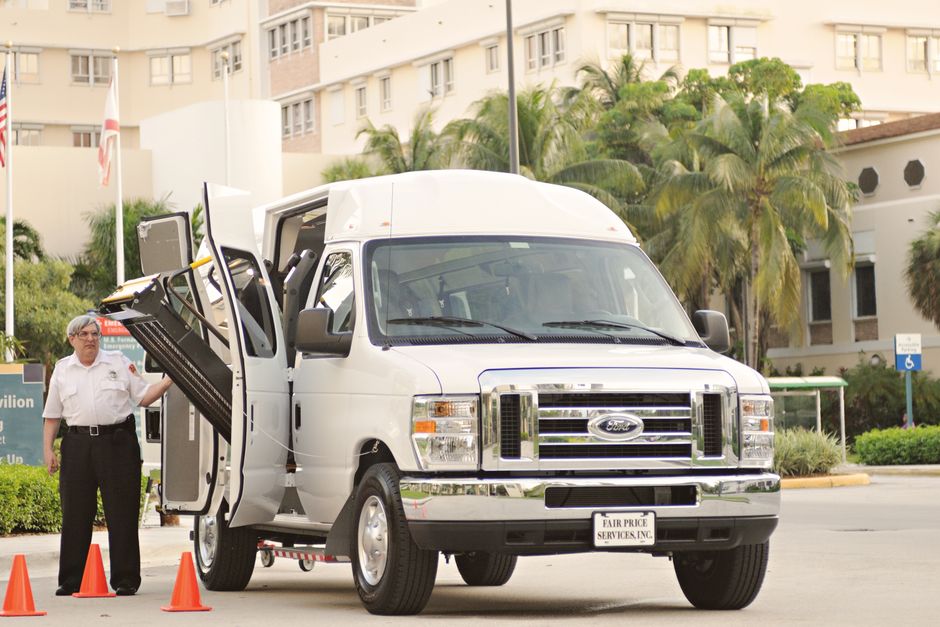
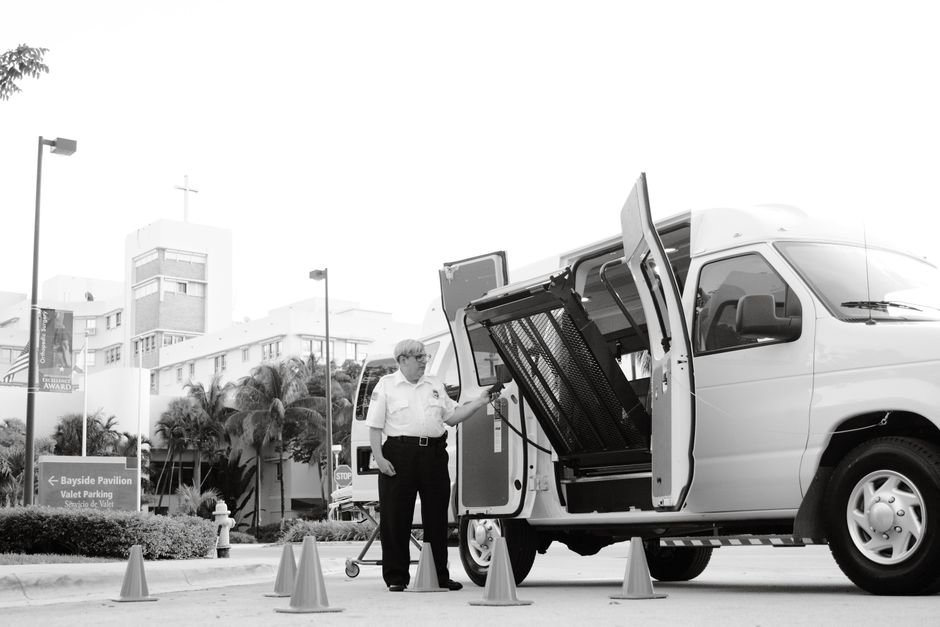
A hydraulic lift is a powered platform, usually located near the front or middle door of the bus, that lowers to ground level so a passenger in a wheelchair or scooter can roll on. Once the passenger is secured on the platform, the driver or an attendant operates a control panel to raise the lift until it’s level with the bus floor. These lifts typically support several hundred pounds, which is enough for most motorized wheelchairs and scooters combined with the passenger’s weight.
Hydraulic lifts take a bit longer to operate than a ramp, generally a minute or two per boarding, so if your group includes multiple wheelchair users, it’s worth building extra time into your schedule.
Fold-Out and Low-Floor Ramps
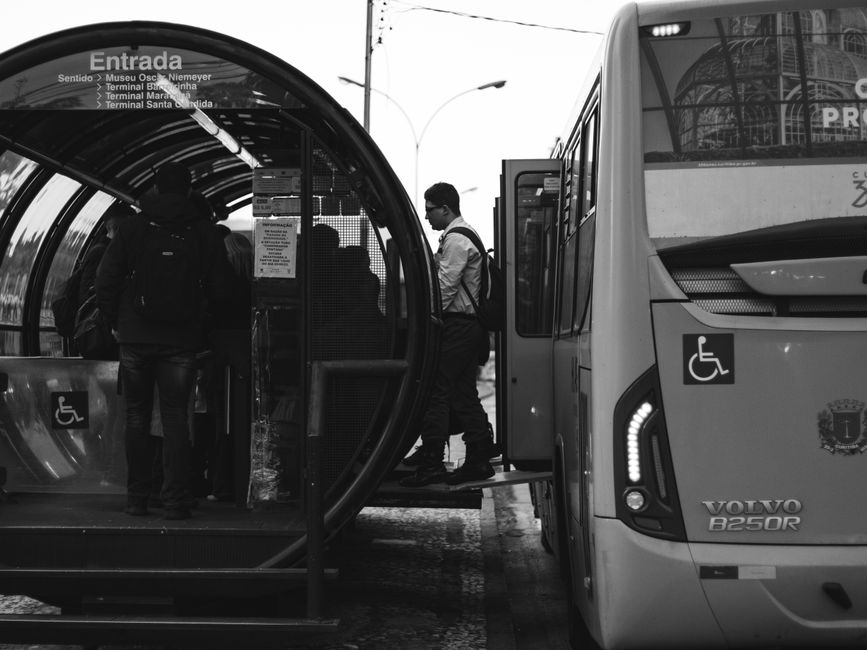
Some newer coaches, particularly those built with a low-floor design, use a manual or automatic ramp instead of a lift. The ramp extends from the doorway to the curb or ground, allowing a wheelchair to roll straight up into the bus without the wait time of a hydraulic system. Ramps are common on shorter shuttle-style buses and mid-size coaches, while full-size 40-foot motorcoaches more often rely on lifts because of the higher floor height.
Either way, the mechanism should be inspected regularly and operated only by trained staff. If you’re booking a bus specifically for a passenger who uses a wheelchair, ask the operator directly whether their vehicle uses a lift or a ramp, and confirm the weight capacity if the passenger uses a heavier power chair.
Interior Accessibility Features
Getting a wheelchair onto the bus is only half the equation. Once inside, several design elements determine whether the ride is actually comfortable and safe.
Wheelchair Securement Systems
Every accessible charter bus should have a dedicated securement area, usually located near the front door for quick boarding and exit. This area includes floor-mounted tie-down straps or a four-point securement system that locks the wheelchair’s frame in place, plus a separate lap and shoulder belt for the passenger. This setup keeps the wheelchair from shifting during braking, turns, or sudden stops, which matters a great deal on longer highway trips.
Drivers and attendants should be trained to secure a wheelchair properly before the bus moves. If you’re booking transportation for a passenger with a mobility device, it’s reasonable to ask the company how their securement stations work and whether the driver has been trained on the specific type of device your passenger uses.
Accessible Seating and Aisle Width
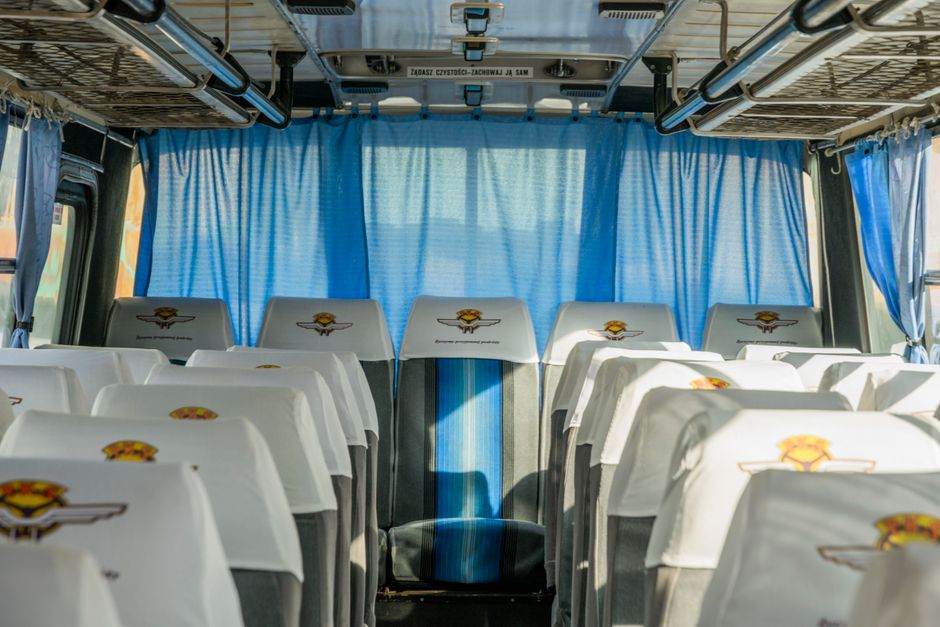
Standard charter buses often have narrow aisles designed to maximize seat count, which can make it difficult for someone using a walker or cane to move through the cabin. Accessible models typically feature wider aisles near the entrance and at least one or two rows with extra legroom or removable armrests, making transfers from a wheelchair to a bus seat easier for ambulatory passengers who can walk short distances but need support.
Priority seating is usually located in the first few rows, close to the door, so passengers with limited mobility don’t have to navigate the length of the bus. If your group includes anyone with a service animal, these front rows also tend to offer the most floor space for the animal to rest comfortably.
Accessible Restrooms
This is one area where expectations and reality sometimes clash. Not every charter bus restroom is wheelchair accessible, even on buses equipped with a lift for boarding. Standard onboard restrooms are often quite small, similar in size to an airplane lavatory, and may not accommodate a wheelchair or a passenger who needs assistance.
If restroom accessibility is a priority for your trip, ask the operator specifically whether the restroom door width, turning radius, and grab bars meet accessible design standards. Some operators offer buses with a slightly larger accessible restroom as a premium option, so it’s worth requesting this feature by name rather than assuming a standard restroom will work for your group.
Wheelchair Lifts, Ramps, and Boarding Equipment
Boarding is often the biggest hurdle for passengers with mobility challenges, which is why lifts and ramps are the centerpiece of most accessible charter bus designs. Understanding how these systems work can help you set realistic expectations for boarding time and logistics on the day of your trip.
Lift Types
Most accessible charter buses use one of two lift styles. The first is a platform lift, which folds out from the side door and lowers to ground level so a wheelchair or scooter can roll directly onto it before being raised into the cabin. The second is an under-floor or baggage-bay lift, which stores flat against the underside of the bus when not in use and deploys through a side panel near the luggage compartments. Both styles are engineered to hold several hundred pounds, but weight limits vary by manufacturer, so it’s worth confirming the rated capacity if a passenger uses a heavier power wheelchair.
Ramp Systems
Some accessible motorcoaches use a fold-out ramp instead of a powered lift, particularly on shorter buses or those built primarily for local shuttle work. Ramps tend to be faster to deploy but require a flatter, more stable surface than lifts, which can be a limitation at curbside pickups or gravel parking areas. If your pickup or drop-off location has an uneven surface, ask your provider whether a lift-equipped vehicle would be more practical than a ramp-equipped one.
Boarding with a lift or ramp typically takes a few extra minutes per passenger, so if your group includes several riders who need this equipment, build extra time into your schedule. Drivers are trained to operate this equipment, but they are not required to physically lift or carry a passenger, so anyone who needs hands-on transfer assistance should travel with a caregiver or aide.
Wheelchair and Mobility Device Securement
Getting a wheelchair onto the bus is only half the equation. Once aboard, the chair needs to be locked in place so it doesn’t shift during braking, turning, or highway driving. Accessible charter buses are equipped with a securement area, usually located near the front of the cabin, that includes floor-mounted tie-down tracks or clamps along with a passenger seatbelt and shoulder harness system designed specifically for wheelchair users.
There are generally two securement approaches in use today. The first is a four-point strap system, where the driver or an attendant manually attaches straps to designated anchor points on the wheelchair frame. The second is a docking system, where the wheelchair locks into a fixed bracket on the floor, similar to how a car seat clicks into a base. Docking systems are faster and more consistent, but not all wheelchairs are compatible with them, so manual strap securement remains the more common option on charter buses.
If a passenger’s wheelchair or scooter has an unusual frame shape, motorized components, or an oxygen tank attachment, let the operator know in advance. This gives the driver time to verify that standard securement points will work or to flag any limitations before the day of travel.
Service Animals on Charter Buses
Federal law protects the right of travelers with disabilities to bring trained service animals aboard public transportation, and charter buses are no exception. Reputable operators will not charge a pet fee for a legitimate service animal and cannot require documentation beyond simply asking whether the animal is a service animal and what task it performs.
That said, it helps to mention a service animal when booking so the reservationist can assign seating with extra floor space, usually in the front row area described earlier. Emotional support animals that are not individually trained to perform a specific task generally do not carry the same legal protections as service animals, so if you’re traveling with one, it’s worth asking the operator about their specific policy rather than assuming it will be treated the same way.
Accessibility for Passengers with Sensory Impairments
Accessibility on a charter bus isn’t only about mobility. Passengers who are deaf, hard of hearing, blind, or low vision benefit from a different set of accommodations, and it’s worth thinking through these needs separately when planning group travel.
Hearing Accessibility
Charter buses don’t typically come equipped with visual alert systems for emergency announcements, so if your group includes passengers who are deaf or hard of hearing, it’s a good idea to coordinate with the driver ahead of time about how important information, like rest stop timing or emergency instructions, will be communicated. Many tour groups solve this by designating a hearing companion to relay spoken announcements, or by asking the driver or tour guide to supplement verbal updates with a printed itinerary or text messages sent to a group chat.
Visual Accessibility
For blind or low vision travelers, the biggest accessibility factor is often the boarding process itself, since narrow aisles and unfamiliar step heights can be disorienting. Priority seating near the door reduces the distance a low vision passenger has to navigate, and drivers can typically offer a verbal walkthrough of the cabin layout, seat location, and restroom placement on request. If your group includes a passenger with a guide dog, the same rules and seating suggestions that apply to other service animals apply here as well.
Accessibility for Passengers with Cognitive or Developmental Disabilities
Not all accessibility needs are physical. Passengers with autism, sensory processing differences, or other cognitive or developmental disabilities may benefit from accommodations like advance notice of the trip schedule, a quieter seating area away from the engine or entertainment speakers, or the ability to bring noise-canceling headphones and other sensory tools on board.
If your group falls into this category, it’s worth discussing seating placement with the operator in advance. Many charter buses have onboard entertainment systems including speakers and screens, and knowing where these are located relative to the quietest seats can help you plan a more comfortable ride for passengers who are sensitive to noise or visual stimulation.
How to Book an Accessible Charter Bus
Booking an accessible charter bus follows the same general process as booking a standard one, but a few extra steps at the start of the conversation can save you a lot of frustration later. The most important rule is to disclose accessibility needs as early as possible, ideally at the same time you request your first quote, rather than after a contract is already signed.
Charter bus companies typically maintain a smaller fleet of ADA-compliant vehicles compared to their standard motorcoaches, so availability can be limited, especially during peak travel seasons like spring break, summer weekends, and the holidays. Booking several weeks or even months ahead of your travel date significantly improves your odds of securing the right vehicle.
Questions to Ask Before You Book
- Does the bus have a wheelchair lift or ramp, and what is its weight capacity?
- How many wheelchair securement positions are available on this specific vehicle?
- Is the onboard restroom wheelchair accessible, or is it a standard compact restroom?
- What is the aisle width, and are there priority seats near the entrance?
- Can the driver assist with boarding, or is a personal attendant required?
- Is there an additional fee for booking an ADA-compliant vehicle?
Getting clear answers to these questions before you sign anything helps you avoid surprises. It’s also worth reviewing the operator’s rental terms closely, since accessibility equipment and accommodations are sometimes addressed in the fine print rather than in the main sales conversation.
Cost Considerations for Accessible Charter Buses
In general, renting an ADA-compliant charter bus does not have to cost significantly more than renting a standard one, but there are a few cost factors worth understanding. Because accessible buses are a smaller portion of most fleets, demand can sometimes push pricing higher, particularly if you’re booking on short notice or during a busy season when only one or two accessible vehicles are available in your area.
Some companies also charge a modest fee for lift or ramp usage, similar to how they might charge for other special equipment. This is exactly the kind of cost that can catch renters off guard, so it’s worth reviewing our guide to hidden fees in charter bus rentals before you finalize your booking. If you’re trying to nail down an accurate budget for your trip, our charter bus rental cost calculator guide can help you factor in accessibility equipment along with the rest of your trip expenses.
Legal Requirements and ADA Compliance for Charter Buses
Charter and tour bus operators in the United States are subject to accessibility requirements under the Americans with Disabilities Act, though the specific rules differ somewhat from those governing fixed-route public transit. Operators with a certain number of vehicles are generally required to provide accessible service upon request, and passengers cannot be charged more simply for requesting an accessible vehicle or for traveling with a wheelchair or service animal.
For a deeper breakdown of how these regulations apply to over-the-road buses specifically, the ADA National Network publishes plain-language guidance that’s a helpful starting point if you want to understand your rights as a passenger. Advocacy organizations like the United Spinal Association also offer resources on traveling with a mobility disability, including tips specific to bus and motorcoach travel.
It’s worth noting that compliance requirements can vary depending on whether a company operates as a private charter service, a scheduled fixed-route carrier, or a paratransit provider, so if you run into a company that seems unfamiliar with these obligations, it may be a sign to look elsewhere. Reviewing a company’s insurance coverage is also worthwhile, since accidents involving securement equipment or boarding assistance can raise liability questions that a well-insured operator should already have addressed.
Tips for Planning an Accessible Group Trip
Beyond the vehicle itself, a few planning habits go a long way toward making an accessible group trip run smoothly from start to finish.
- Confirm accessibility needs with every passenger before booking. Don’t assume you know everyone’s requirements. A quick survey before you request a quote can reveal needs you weren’t expecting, from folding wheelchairs to service animals to dietary restrictions related to a disability.
- Build extra time into your schedule. Boarding, restroom stops, and transfers all take longer when accessibility equipment is involved. Padding your itinerary by fifteen to thirty minutes at each stop reduces stress for everyone.
- Choose accessible rest stops. Not every highway rest area has accessible restrooms or level ground for wheelchair users. If you’re working with a professional planner, ask them to route stops accordingly.
- Keep mobility equipment documentation handy. While operators generally can’t demand excessive proof, having basic information about a wheelchair’s dimensions and weight on hand can speed up the booking process.
- Communicate directly with the driver. A short conversation before departure about who needs assistance, where they’re seated, and what to do in an emergency can prevent confusion later in the trip.
If your trip involves multiple destinations or a longer itinerary, it’s also worth reading our guide on planning a national park tour, since many of the same accessibility planning principles apply when your group is moving between multiple stops with varying terrain and facilities.
Frequently Asked Questions
Do all charter buses have wheelchair lifts?
No. Most standard charter buses are not equipped with lifts or ramps, which is why it’s important to specifically request an ADA-compliant vehicle when booking if a passenger in your group uses a wheelchair or scooter.
Can I bring my own wheelchair or mobility scooter on a charter bus?
Yes, as long as the vehicle has a lift or ramp rated for the weight and size of the device, and a securement position is available. Let the operator know the make, model, and dimensions of the device when booking so they can confirm compatibility.
Is there an extra charge for booking an accessible charter bus?
It depends on the company. Some operators price ADA-compliant vehicles the same as standard buses, while others charge slightly more due to limited fleet availability. Ask for a full cost breakdown up front so there are no surprises.
Are charter bus restrooms wheelchair accessible?
Not always. Many onboard restrooms are small and not designed for wheelchair access, even on buses with a boarding lift. If restroom accessibility matters for your trip, ask the operator directly about interior restroom dimensions before booking.
How much notice do I need to book an accessible charter bus?
Because accessible vehicles make up a smaller share of most fleets, it’s best to book several weeks to a few months in advance, especially during busy travel seasons, to guarantee availability.
Final Thoughts
Planning group travel around accessibility doesn’t have to be complicated once you know what questions to ask and what features to look for. The key is starting the conversation early, being specific about the equipment and accommodations your group needs, and choosing an operator that treats accessibility as a standard part of doing business rather than an afterthought. With the right vehicle and a little extra planning, an accessible charter bus trip can be just as smooth, comfortable, and enjoyable as any other group outing on the road.