
Charter Bus Rental for Volunteer Groups: The Complete Planning Guide

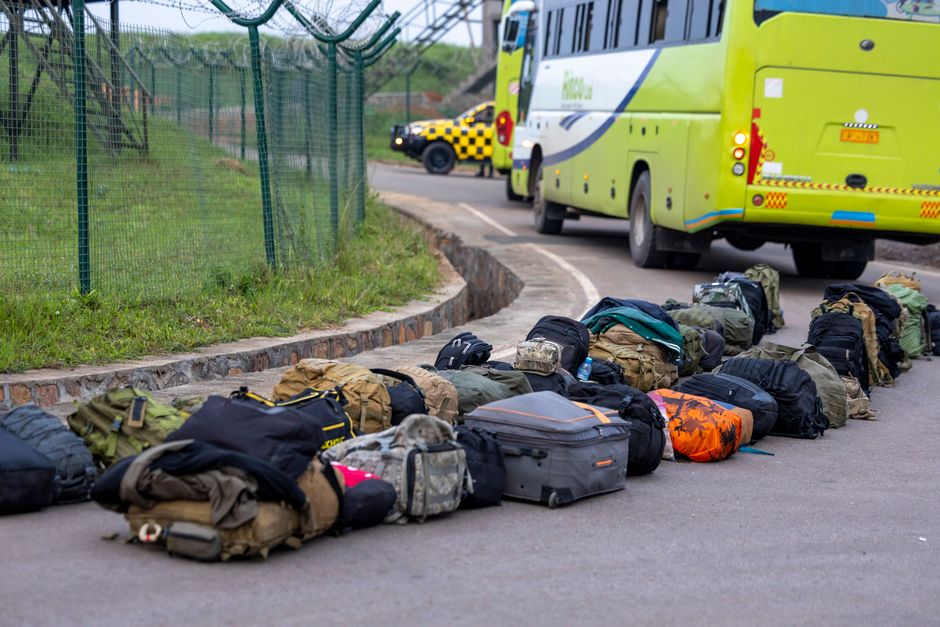
Coordinating transportation for a volunteer group is rarely as simple as it sounds. Between varying schedules, limited budgets, and the need to move people (and sometimes supplies) safely to a work site, transportation logistics can quietly become the most stressful part of organizing a service event. That’s where charter bus rental for volunteer groups comes in as a practical, cost-effective solution that takes the guesswork out of group travel.
Whether you’re organizing a disaster relief crew, a church mission trip, a community cleanup day, or a statewide volunteer conference, getting everyone to the same place at the same time matters just as much as the work itself. In this guide, you’ll learn how charter buses help volunteer organizations save money, reduce liability, and keep large groups together from departure to drop-off. We’ll cover cost factors, bus sizing, safety, booking timelines, and tips specific to nonprofit and volunteer budgets.
Why Volunteer Groups Choose Charter Bus Rental
Volunteer organizations operate differently than corporate groups or tour companies. Budgets are tighter, schedules are often set by outside factors (disaster timelines, planting seasons, event dates), and participants range from teenagers to retirees. Charter bus rental addresses several pain points unique to this kind of group travel.
Keeping Large Groups Together
When volunteers drive separately, groups fragment. Some arrive early, some get lost, and coordinators spend the first hour of a service day just accounting for people. A single charter bus (or a small fleet for larger events) keeps the group together, arriving and departing as one unit. This matters especially at active work sites, remote locations, or areas with limited parking.
Reducing Liability and Insurance Concerns
Many volunteer organizations, especially nonprofits and religious groups, worry about liability when volunteers use personal vehicles for official events. A professionally insured charter bus company shifts that risk away from the organization and its individual drivers. Licensed charter operators carry commercial liability insurance and employ trained, background-checked drivers, which is a meaningful advantage for any group leader concerned about legal exposure.
Lowering the Real Cost Per Volunteer
It’s tempting to assume carpooling or personal vehicles are cheaper, but once you factor in mileage reimbursement, parking fees, fuel, and wear on personal vehicles, a shared charter bus often costs less per person, particularly for groups of 20 or more traveling the same route.
Common Volunteer Group Trips That Benefit From Charter Bus Rental
Volunteer transportation needs vary widely depending on the mission. Here are the most common scenarios where charter buses make sense.
- Disaster relief deployments: Moving volunteer crews and supplies to affected regions quickly and safely.
- Community service days: Park cleanups, food bank shifts, Habitat for Humanity builds, and neighborhood beautification projects.
- Mission trips and faith-based outreach: Multi-day trips that combine service work with group travel logistics.
- Environmental and conservation projects: Trail restoration, beach cleanups, and tree-planting events often held in remote or rural areas with limited parking.
- Volunteer conferences and training events: Regional or state gatherings that bring together volunteers from multiple chapters.
- Blood drives and health outreach events: Transporting volunteer staff and equipment between multiple event sites in a single day.
Many of these trips overlap with broader nonprofit event planning. If your organization also runs fundraisers, galas, or donor events, it’s worth reviewing our complete planning guide for nonprofit organizations for additional budgeting and vendor negotiation tips that apply across both volunteer and fundraising transportation.
Choosing the Right Bus for Your Volunteer Group
Bus size and type should match your group’s headcount, cargo needs, and destination. Getting this wrong is one of the most common (and costly) mistakes volunteer coordinators make.
Minibuses (up to 30 passengers)
Ideal for smaller volunteer teams, local service projects, or when your organization needs to run multiple smaller trips throughout the day. Minibuses are also easier to maneuver near narrow work sites, rural roads, or construction zones common in build projects.
Mid-Size Charter Buses (30-40 passengers)
A solid middle ground for most single-day volunteer events. These buses often include under-bus storage, which is useful for hauling tools, supplies, or donated goods alongside your volunteers.
Full-Size Motorcoaches (45-56 passengers)
Best for large-scale volunteer mobilizations, statewide conferences, or multi-day mission trips. Full-size coaches typically offer reclining seats, onboard restrooms, climate control, and luggage bays, all valuable for longer rides where volunteers need rest before or after physically demanding work.
Consider Cargo and Equipment Needs
Volunteer trips frequently involve more than just people. Tools, cleaning supplies, donated food, medical kits, or building materials all need space. When requesting quotes, always mention any equipment you’ll be transporting so the charter company can recommend a bus with adequate storage capacity.
Budgeting for Volunteer Charter Bus Rental
Cost is almost always the deciding factor for volunteer organizations, many of which operate on donations, grants, or thin annual budgets. Fortunately, there are several ways to keep charter bus rental affordable without sacrificing safety or reliability.
What Affects Charter Bus Pricing
- Trip distance and duration: Local day trips cost significantly less than multi-day or cross-state mobilizations.
- Bus size: Larger coaches cost more per hour but may reduce your overall cost per volunteer if you’re consolidating multiple vehicles.
- Season and demand: Spring break service trips, summer mission seasons, and disaster response periods can drive up availability-based pricing.
- Driver hours and overnight stays: Federal hours-of-service rules may require a second driver or overnight lodging for long trips, which adds to the total cost.
- Amenities requested: Wi-Fi, restrooms, and luxury seating add a small premium over standard configurations.
Tips for Stretching a Volunteer Transportation Budget
- Book early. Charter companies often offer better rates to groups that reserve 60-90 days in advance rather than booking last-minute.
- Ask about nonprofit rates. Some charter companies offer discounted pricing or flexible payment terms for registered 501(c)(3) organizations.
- Consolidate pickup points. Fewer stops mean shorter routes and lower hourly charges. Consider using two or three central pickup locations instead of individual addresses.
- Split costs across partner organizations. If multiple groups are attending the same service event, consider chartering one larger bus together rather than each group renting separately.
- Apply for transportation grants. Some community foundations and disaster relief funds specifically earmark money for volunteer transportation costs.
For volunteer trips that stretch across multiple days, such as mission trips or extended disaster response deployments, it also helps to review our multi-day charter bus planning guide, which covers overnight logistics, driver rest requirements, and lodging coordination in more depth.
Planning Timeline: When to Book Your Volunteer Group’s Charter Bus
Volunteer events are frequently planned on short notice, especially in disaster response situations. However, whenever possible, following a structured timeline improves your odds of getting the right bus at a fair price.
8-12 Weeks Out
Confirm your event date, estimated headcount, and pickup/drop-off locations. Request quotes from at least three licensed charter companies to compare pricing and availability.
4-6 Weeks Out
Finalize your contract, confirm insurance certificates, and lock in your deposit. This is also the time to communicate pickup details to volunteer captains or team leaders.
1-2 Weeks Out
Send final headcounts to the charter company, since most contracts allow minor passenger adjustments up to a certain point before the trip. Confirm departure times, driver contact information, and any last-minute route changes.
Day of the Event
Assign a point person to coordinate boarding, headcounts, and communication with the driver. Having one designated contact prevents confusion, especially with large volunteer groups where not everyone knows each other.
Emergency and Short-Notice Bookings
Disaster relief organizations and rapid-response volunteer groups sometimes need buses on 48-72 hours’ notice. Many charter companies maintain relationships with relief organizations like the American Red Cross and can prioritize emergency requests when capacity allows. If your organization anticipates needing rapid deployment transportation, it’s worth establishing a relationship with a charter provider in advance rather than searching for availability during a crisis.
Safety Considerations for Volunteer Transportation
Volunteer trips often involve vulnerable populations, minors, or physically demanding work sites, which makes safety non-negotiable. Before signing any contract, verify the following.
- The company holds a valid USDOT operating number and current liability insurance.
- Drivers hold a valid Commercial Driver’s License (CDL) with appropriate passenger endorsements.
- The bus has passed recent safety inspections and carries a documented maintenance history.
- The company has a clear policy for emergencies, breakdowns, and route changes.
If your organization is new to chartering buses, our charter bus safety checklist walks through every item a trip planner should confirm before booking, from driver credentials to insurance documentation.
Special Considerations for Minors and Vulnerable Volunteers
Youth mission trips, school-affiliated service groups, and senior volunteer outings each carry additional responsibility. Make sure chaperone-to-volunteer ratios meet your organization’s policy, and confirm whether the bus company requires background check documentation for adult supervisors traveling with minors.
Working With Charter Companies as a Nonprofit or Volunteer Organization
Charter bus companies deal with corporate clients daily, but nonprofit and volunteer groups have different needs and constraints. Here’s how to communicate those needs clearly when requesting quotes.
Be Upfront About Your Budget
Charter companies would rather know your budget limits early than negotiate back and forth after building a quote around premium amenities you can’t afford. Most reputable operators can offer a no-frills option alongside a fuller-service quote.
Explain the Nature of the Trip
Let the company know if you’re transporting tools, building supplies, coolers of food, or medical equipment. This affects which bus is recommended and whether special loading time needs to be built into the schedule.
Ask About Cancellation and Weather Policies
Volunteer events, particularly outdoor cleanup days and disaster response trips, are more likely than most group trips to be affected by weather delays or last-minute cancellations. Review the cancellation policy carefully and ask whether the company offers any flexibility for events tied to unpredictable circumstances like storm response or seasonal flooding.
Request References From Other Nonprofits
A charter company that regularly works with churches, disaster relief organizations, or community groups will usually be happy to share references. This is a good way to confirm they understand the pace and unpredictability of volunteer-driven events.
Sample Scenarios: Matching Bus Rental to Volunteer Mission Type
Scenario 1: Single-Day Community Cleanup
A local nonprofit organizes 45 volunteers for a river cleanup 40 miles outside the city. A single 47-passenger motorcoach with under-bus storage for trash bags, gloves, and tools is the most efficient option, picking volunteers up from two central parking lots and returning them the same evening.
Scenario 2: Weeklong Mission Trip
A church group of 32 volunteers travels 300 miles for a weeklong home-building mission trip. This requires a full-size motorcoach with reclining seats and a restroom, along with a driver rotation plan to comply with hours-of-service regulations. Groups planning trips like this may also want to review our religious retreat and mission trip planning guide for lodging and itinerary tips beyond transportation.
Scenario 3: Rapid Disaster Response
A regional relief organization needs to move 60 volunteers and emergency supplies to a flood-affected area within 72 hours. Two mid-size buses with cargo capacity are chartered on short notice, with the organization’s established charter company relationship allowing for expedited scheduling.
Scenario 4: State Volunteer Conference
A statewide volunteer network transports chapter representatives from five regional pickup points to a central conference venue. Coordinators use a scheduling spreadsheet to stagger three separate buses arriving within a 30-minute window to avoid venue congestion.
Frequently Asked Questions
How much does it cost to rent a charter bus for a volunteer group?
Pricing varies widely based on distance, bus size, and trip duration, but local day trips for volunteer groups typically range from a few hundred to a couple thousand dollars, while multi-day mission trips or long-distance disaster response deployments cost more due to overnight driver requirements and fuel. Getting quotes from multiple licensed operators is the best way to understand realistic pricing for your specific trip.
Do charter bus companies offer discounts for nonprofit or volunteer organizations?
Some charter companies offer reduced rates or flexible payment terms for registered nonprofits, though this isn’t universal. It’s always worth asking directly, and providing your organization’s 501(c)(3) documentation may help during rate negotiations.
What size bus do we need for a volunteer group of 30 people?
A mid-size charter bus in the 30-40 passenger range typically works well for a group of 30, allowing some flexibility for last-minute additions, chaperones, or extra cargo space for supplies and equipment.
Can charter buses transport tools and supplies along with volunteers?
Yes. Most charter buses include under-bus luggage compartments that can accommodate tools, cleaning supplies, coolers, or donation boxes. Always inform the charter company in advance about cargo needs so they can recommend an appropriately sized bus.
How far in advance should a volunteer organization book a charter bus?
Booking 8-12 weeks in advance gives you the best selection and pricing, though many charter companies can accommodate volunteer groups on shorter notice, particularly for local day trips or emergency disaster response situations.
Final Thoughts
Transportation shouldn’t be the reason a volunteer event falls short of its goals. Charter bus rental gives volunteer organizations a reliable, budget-conscious way to move large groups safely, whether you’re coordinating a single afternoon cleanup or a multi-day mission trip across state lines. By planning ahead, matching bus size to your group’s actual needs, and asking the right questions during the quoting process, your organization can focus its energy on the mission itself rather than worrying about how everyone gets there and back.
If your volunteer organization also plans donor events, weekend retreats, or multi-chapter gatherings, it’s worth exploring our other planning guides, including tips for weekend group travel, to build a transportation strategy that supports every part of your organization’s work, not just its service days.