Charter Bus Rental for 60 People: The Complete Planning Guide

Coordinating transportation for a group of 60 people is a different challenge than booking a ride for a dozen friends. At this size, you’re managing a full coach-load of passengers, tight schedules, and often multiple stops. A charter bus rental for 60 people solves this problem cleanly, but only if you know what to look for before you sign a contract.
This guide walks through everything you need to know: the right bus size, realistic pricing, how to compare quotes, what amenities matter, and how to avoid the common mistakes that trip up first-time group organizers. Whether you’re planning a school trip, a corporate outing, a wedding shuttle, or a big family reunion, you’ll walk away knowing exactly how to book with confidence.
Why 60 People Is a Unique Group Size
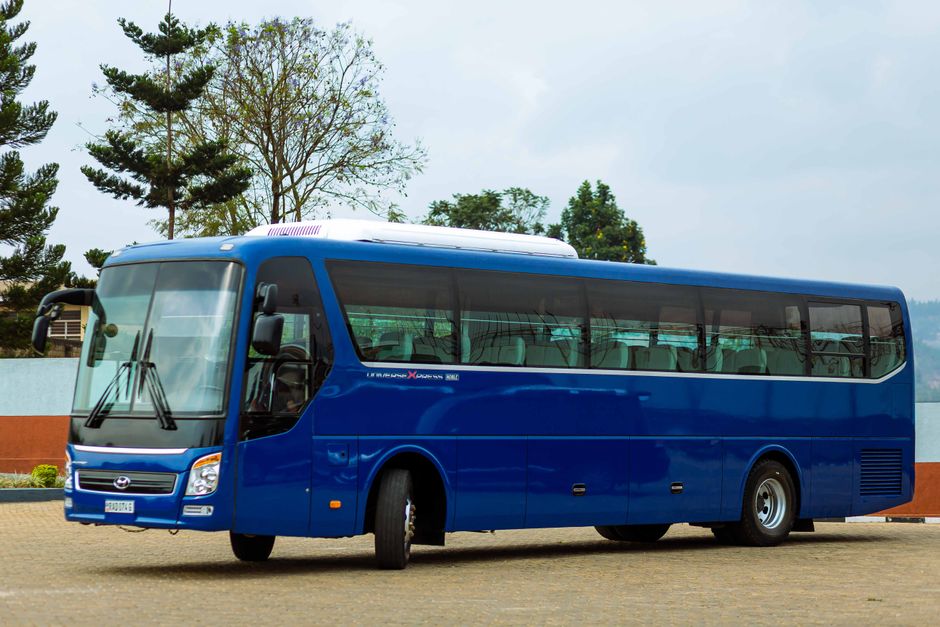
Sixty passengers sits right at the edge of what a single large motorcoach can comfortably hold. Most full-size charter buses seat between 50 and 56 passengers, while larger models max out around 57 to 61. As a result, a group of exactly 60 people often needs the largest coach available, and sometimes two vehicles depending on luggage, mobility needs, or seating preferences.
This matters because it directly affects your budget and your options. Book too small a bus, and you’ll be scrambling for a second vehicle at the last minute. Book too large without checking capacity carefully, and you might pay for space you don’t need. Getting the sizing right from the start saves money and stress.
What Size Bus Do You Need for 60 Passengers?
Charter buses come in a range of sizes, and understanding the standard categories helps you avoid confusion when requesting quotes.
- Mini buses: Typically 20-35 passengers. Too small for a group of 60 without multiple vehicles.
- Mid-size buses: Usually 35-45 passengers. Still requires two vehicles or a very tight squeeze for larger groups.
- Full-size motorcoaches: Generally 50-56 passengers, with some models reaching 57-61 seats depending on configuration.
For a group of exactly 60, you’ll almost always be looking at the largest full-size motorcoach a company offers. Some operators offer 60-to-61-seat configurations with reduced legroom, while others recommend splitting into two mid-size buses if comfort and luggage space are priorities. Always ask the operator to confirm the exact seating capacity of the specific vehicle they plan to send, not just the general category.
Single Bus vs. Two Buses: Which Makes More Sense?
There’s no universal right answer here. It depends on your priorities.
- One large coach keeps everyone together, simplifies check-ins, and usually costs less than two smaller vehicles combined.
- Two mid-size buses offer more flexibility if you need to drop passengers at different locations, want extra luggage room, or are traveling with people who need more space, such as sports teams with equipment or seniors who need easier boarding.
If your group includes people with mobility limitations, ask about ADA-accessible options, since not every large motorcoach comes equipped with a wheelchair lift. It’s worth mentioning this need when you request quotes rather than discovering the limitation the day of your trip.
Average Cost of a Charter Bus Rental for 60 People
Pricing for a 60-passenger charter bus depends on several factors: trip distance, rental duration, time of year, and local market rates. That said, here are general ranges to help you budget realistically.
- Hourly rates: Roughly $150 to $220 per hour for a full-size motorcoach, depending on region and demand.
- Daily rates: Full-day charters commonly range from $1,200 to $2,500, though multi-day or long-distance trips can run higher.
- Per-mile charges: Some operators bill per mile instead of, or in addition to, hourly rates, particularly for one-way or long-distance routes.
Keep in mind that quotes usually include the driver’s wages, fuel, and standard insurance, but extra fees can apply for tolls, parking, overnight driver accommodations, and gratuity. Always ask for an itemized quote so you’re not surprised by add-ons later.
Factors That Push Prices Higher
- Peak travel seasons (summer, holidays, prom season, graduation weekends)
- Weekend bookings, especially Friday and Saturday evenings
- Last-minute bookings made within a week or two of the trip
- Long travel distances or multi-day itineraries requiring driver overnight stays
- High-demand destinations near major cities or events
Booking early, ideally 3 to 6 weeks ahead for standard trips and even further out for peak season travel, generally locks in better rates and wider availability.
How to Get Accurate Quotes
Getting a reliable quote for a 60-passenger trip requires giving the charter company complete, specific details. Vague requests lead to vague, often inaccurate pricing.
When requesting a quote, be ready to provide:
- Exact passenger count (and whether it could change)
- Pickup and drop-off locations, including specific addresses
- Date and time of departure and return
- Any intermediate stops
- Trip type (one-way, round trip, multi-day, hourly charter)
- Luggage or equipment needs
- Any accessibility requirements
It’s smart to request quotes from at least three companies before deciding. Compare not just the total price, but what’s included, cancellation policies, and the age and condition of the fleet. If you’re weighing charter buses against other transportation types for a similarly sized group, it can help to review guides like <a href=
For related reading, see our guide on Charter Bus Rental for 40 People: The Complete Planning Guide.
“https://charterbusesusa.com/blog/charter-bus-rental-vs-school-bus-rental-which-one-fits-your-group/”>our comparison of charter bus and school bus rental options to make sure you’re choosing the right vehicle type before you commit to a quote.
Choosing the Right Charter Bus Company
Price matters, but for a group of 60 people, reliability matters just as much. A single canceled trip or a breakdown on the highway can derail an entire event. Before signing a contract, take time to vet the company properly.
Verify Licensing and Insurance
Every legitimate charter bus operator should be registered with the Federal Motor Carrier Safety Administration (FMCSA) and carry a valid USDOT number. You can look up a company’s safety rating and inspection history directly on the FMCSA’s public database. A reputable operator will have no problem sharing this information, and asking for it upfront is a normal part of due diligence, not an insult to the company.
Insurance coverage is equally important. For a 60-passenger vehicle, you want to confirm the company carries adequate liability coverage, generally in the millions of dollars, given the number of passengers on board.
Check Reviews and References
Look beyond the testimonials posted on a company’s own website. Search independent review platforms, Google Business profiles, and the Better Business Bureau for a fuller picture. Pay close attention to how a company handles problems, since complaints happen even with good operators, but how those complaints are resolved tells you a lot about professionalism.
Ask About Fleet Age and Maintenance
A well-maintained older bus can be just as safe and comfortable as a newer one, but it helps to ask specific questions: How often are buses serviced? What’s the average age of the fleet? Is there a backup vehicle available in case of mechanical issues on the day of your trip? For a 60-person trip, a backup plan isn’t optional, it’s essential, since finding a same-day replacement for a bus this size on short notice can be extremely difficult.
Seating Configurations and Layout Considerations
Not all 60-passenger charter buses are laid out identically, and the configuration can significantly affect comfort on longer trips. Standard motorcoaches used for 60-passenger groups typically feature 2×2 seating (two seats on each side of a center aisle), which is the most space-efficient layout for this capacity.
Some things worth confirming with the rental company:
- Seat pitch and recline: Especially important for trips over two hours, since cramped seating becomes uncomfortable quickly.
- Aisle width: Wider aisles make it easier for passengers to move around, use the restroom, or exit quickly if needed.
- Seatbelt availability: Most modern motorcoaches include lap or lap-and-shoulder belts, but it’s worth confirming, particularly for trips involving children or seniors.
- Wheelchair accessibility: If any passengers require accessible seating, confirm ahead of time that the bus has a lift or ramp and secured accessible seating positions, since not every 60-passenger bus is equipped this way.
If your group includes a mix of ages or mobility levels, such as chaperones and elderly relatives on the same trip, it’s worth discussing seating priorities with the driver or company ahead of time so that accessible seats and front-row spots are reserved appropriately.
Amenities and Comfort Features to Look For
Sixty-passenger charter buses used for longer trips or full-day events often come equipped with amenities that make a real difference in passenger comfort. Depending on the company and the specific vehicle, you might find:
- Onboard restrooms
- Wi-Fi connectivity
- Power outlets or USB charging ports at each seat
- Individual overhead reading lights
- Climate control with individual vents
- Overhead and under-bus luggage storage
- Entertainment systems (screens, DVD players, or audio systems)
- Reclining seats with footrests
Not every amenity is necessary for every trip. A short two-hour transfer to a stadium doesn’t need the same features as a multi-day cross-country tour. Matching amenities to trip length helps you avoid overpaying for features your group won’t actually use, while making sure longer trips have what’s needed to keep everyone comfortable.
Logistics for Managing a Group of 60
Coordinating any group trip takes planning, but a group of 60 introduces logistical challenges that smaller groups don’t face. A few extra minutes of delay per person at boarding, for example, can add up to a significant time loss when multiplied across 60 individuals.
Boarding and Headcounts
Designate one or two group leaders responsible for headcounts at every stop, not just at the beginning and end of the trip. A simple numbered list or printed roster makes this process faster and reduces the chance of leaving someone behind at a rest stop or attraction.
Consider assigning seating in advance, especially for groups like school trips, corporate outings, or family reunions where chaperones, coordinators, or specific family members need to sit together or near the front. Pre-assigned seating also speeds up boarding significantly compared to a free-for-all approach.
Luggage and Equipment
For a 60-passenger trip, luggage volume adds up fast. If your group is heading to a multi-day event or bringing equipment (sports gear, instruments, display materials for a conference), confirm the bus’s storage capacity in advance. Most 60-passenger motorcoaches have generous under-bus cargo bays, but oversized items like team equipment bags or musical instruments should be flagged to the company ahead of time so they can plan accordingly, or so you can arrange a separate cargo vehicle if needed.
Rest Stops and Timing
Longer trips need scheduled rest stops, generally every two to three hours, both for passenger comfort and driver rest requirements under federal Hours of Service regulations. Build these stops into your itinerary from the start rather than treating them as an afterthought, since unplanned stops can throw off arrival times for events with fixed start times, like concerts, weddings, or sporting events.
What Affects the Cost of a 60-Passenger Charter Bus?
Pricing for a bus this size depends on more than just passenger count. Several factors combine to determine your final quote:
- Trip distance: Longer trips mean more fuel, more driver hours, and potentially overnight accommodations for the driver.
- Trip duration: A one-day round trip costs differently than a multi-day charter where the bus and driver are essentially on standby.
- Time of year: Peak travel seasons (summer, holidays, graduation season, major local events) tend to command higher rates due to demand.
- Day of the week: Weekend trips, particularly Friday through Sunday, are often priced higher than weekday charters.
- Amenities requested: Wi-Fi, restrooms, and entertainment systems can add to the base rate.
- Local market conditions: Prices vary by region and by how many charter companies operate in your area.
As a general guideline, many charter companies price 60-passenger buses somewhere in the range of $150 to $200 per hour for local trips, though multi-day or long-distance charters are typically quoted as flat daily or per-mile rates rather than hourly. These figures fluctuate significantly based on the factors above, so they should be treated as a starting point for budgeting conversations rather than a fixed number.
Common Uses for 60-Passenger Charter Buses
A bus of this size fits a wide range of group trip scenarios. Some of the most common include:
- School and youth group trips: Field trips, band competitions, and academic events often fall right in the 60-passenger range.
- Corporate events: Employee shuttles, offsite meetings, and company outings frequently use buses this size. Our guide to charter bus rental for corporate events covers additional planning considerations specific to business travel.
- Sports teams and fan groups: Teams traveling with coaching staff, equipment, and sometimes a fan section often need a 60-passenger bus. See our sports team charter bus guide for more on team-specific logistics.
- Festivals and large gatherings: Getting a big group to a multi-day festival without worrying about parking or rideshare surge pricing is a major draw. Our festival charter bus planning guide goes into more detail on this use case.
- Weddings and family celebrations: Shuttling guests between venues, hotels, and ceremony sites.
- Community and religious group trips: Larger congregations or community organizations traveling together for events or retreats.
Avoiding Common Planning Mistakes
Groups of this size are especially vulnerable to a handful of recurring mistakes: underestimating headcount changes, failing to confirm luggage capacity, booking too late for peak dates, and not clarifying what’s included in the quoted price. These issues tend to surface more dramatically with larger groups simply because there are more people and more moving parts involved. If you want a deeper look at the most frequent pitfalls groups run into, our post on charter bus rental mistakes to avoid walks through practical fixes for each one.
Tips for a Smooth Trip Day
Even with solid planning, a few habits on the day of the trip help everything run more smoothly:
- Arrive at the pickup location at least 15 to 20 minutes before departure to allow time for boarding 60 people.
- Share the driver’s contact information (or the dispatcher’s) with your group leaders in case of last-minute changes.
- Confirm the return pickup time and location with the driver before everyone disperses at your destination.
- Keep a printed copy of the itinerary and driver contact info even if you’re also sharing it digitally, since not everyone will have reliable phone service at every stop.
- Do a final headcount before leaving each stop, not just before the final departure.
Small habits like these prevent the kind of confusion that can eat up time and patience when you’re managing a large group across multiple stops or venues.
Frequently Asked Questions
How many charter buses do I need for exactly 60 people?
A single 60-passenger motorcoach is generally the right fit, assuming your headcount stays close to that number. If your group might grow beyond 60, it’s worth discussing a slightly larger vehicle option or a second smaller bus with the rental company so you’re not scrambling for extra seating at the last minute.
What size bus holds 60 passengers?
Standard 60-passenger charter buses are typically full-size motorcoaches around 45 feet long, using a 2×2 seating configuration. Some companies offer 56 or 57-passenger versions with slightly more legroom, so it’s worth confirming exact capacity and seat spacing when requesting a quote.
How far in advance should I book a bus for 60 people?
For standard trips, booking 3 to 6 weeks ahead is generally sufficient. For peak travel dates, such as prom season, graduation weekends, or major festivals, booking 2 to 3 months in advance is safer, since large-capacity buses in high demand markets can sell out early.
Can a 60-passenger charter bus accommodate wheelchair users?
Many charter companies offer wheelchair-accessible motorcoaches equipped with lifts and secured seating positions, but not every bus in a fleet has this feature. Always mention accessibility needs when requesting a quote so the company can assign an appropriately equipped vehicle.
Is it cheaper to rent one 60-passenger bus or two smaller buses?
In most cases, a single 60-passenger bus is more cost-effective than two smaller buses for the same group, since you’re only paying for one driver and one set of fuel and operating costs. Splitting into two buses can make sense if your group needs to depart from two different locations or arrive at staggered times, but for a single unified group, one large bus is typically the more economical choice.
Final Thoughts
Renting a charter bus for 60 people comes with more moving parts than smaller group trips, but the fundamentals stay the same: get accurate headcounts, request detailed quotes from multiple companies, confirm licensing and insurance, and build enough lead time into your booking to avoid last-minute stress. With the right operator and a little advance planning, a 60-passenger charter bus can turn a logistically complicated trip into a simple, comfortable, and genuinely enjoyable group experience, whether you’re headed to a wedding, a festival, a sporting event, or across the country on a multi-day tour.