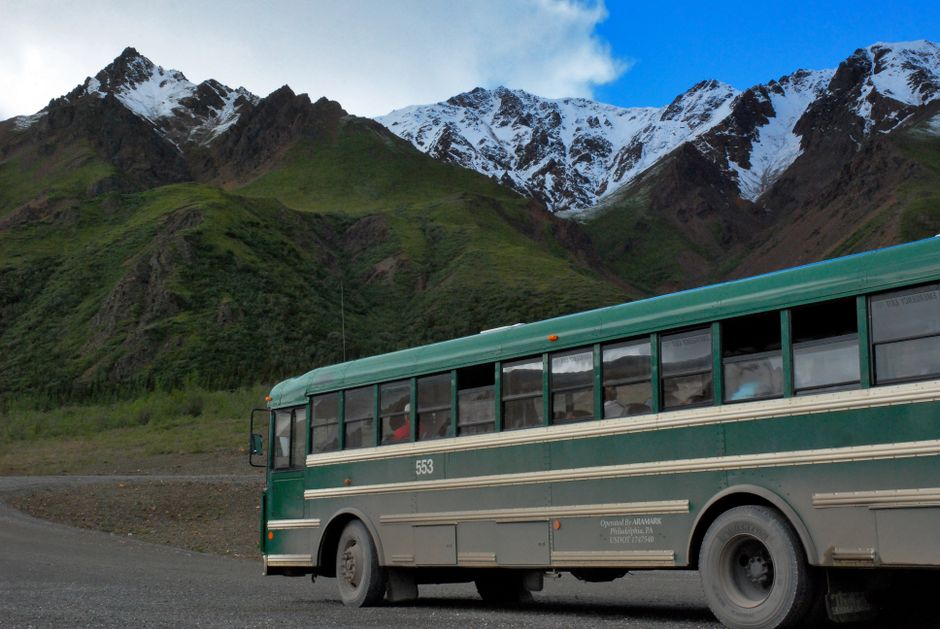
What Happens If My Charter Bus Breaks Down? A Complete Guide


You’re an hour into a road trip with fifty passengers when the bus suddenly loses power and the driver pulls onto the shoulder. It’s a scenario nobody wants to think about, but if you’re planning group travel, you should know exactly what happens if your charter bus breaks down before it ever becomes a problem. Understanding how reputable operators handle mechanical failures, what your rights are as a passenger, and how to prepare in advance can turn a stressful situation into a minor inconvenience instead of a full-blown crisis.
In this guide, we’ll walk through everything from the first few minutes after a breakdown to how refunds and backup transportation typically work. We’ll also cover what questions to ask before you book, what causes most breakdowns, and how to protect your group if you’re traveling long distances or overnight. By the end, you’ll know how to spot a company that handles emergencies professionally, and how to keep your trip on track even when the unexpected happens.
How Common Are Charter Bus Breakdowns?
Charter buses are large, complex vehicles, but they’re also some of the most rigorously maintained vehicles on the road. Reputable charter companies run scheduled inspections, track mileage between services, and pull vehicles from service the moment a mechanical issue is flagged. As a result, breakdowns are relatively rare compared to the number of trips completed daily across the country.
That said,
For related reading, see our guide on Charter Bus Rental for Theme Parks: The Complete Planning Guide.
even the best-maintained fleet can experience an unexpected mechanical issue. Tire blowouts, alternator failures, transmission problems, and overheating engines are the most common culprits, and any of these can happen regardless of how new or well-cared-for a vehicle is. Weather conditions, road debris, and simple wear and tear all play a role too. The key difference between a minor delay and a major disruption almost always comes down to how prepared the operator is to respond.
Most established charter companies maintain a fleet large enough to swap out a disabled vehicle relatively quickly, especially for regional trips. Smaller operators or single-bus companies, on the other hand, may not have a backup vehicle readily available, which can turn a simple mechanical hiccup into a multi-hour delay. This is one of the biggest reasons it pays to research a company’s fleet size and reputation before booking, rather than after something goes wrong.
What Causes Most Charter Bus Breakdowns?
Understanding the most common causes of breakdowns can help you appreciate why some issues are unavoidable, while others point to red flags in how a company maintains its vehicles. Here are the most frequent causes:
- Tire failures: Blowouts from road debris, underinflation, or worn tread are among the most common roadside issues, especially on long highway stretches.
- Engine overheating: This is more common in summer months or when a bus is climbing steep grades, particularly on mountain routes.
- Electrical system failures: Battery issues, alternator failures, or wiring problems can leave a bus without power for lights, air conditioning, or the engine itself.
- Transmission issues: Less common but more serious, transmission failures typically require a full vehicle swap rather than a roadside fix.
- Brake system warnings: Reputable drivers will never continue operating a bus if a brake warning light appears, even if it means stopping the trip immediately for safety inspection.
- Fuel system problems: Fuel pump failures or contaminated fuel can cause a bus to stall unexpectedly.
Notice that many of these issues, tire wear, fluid levels, battery health, are exactly the kinds of things caught during routine inspections. That’s why asking a charter company about its maintenance schedule isn’t just a nice-to-know detail, it’s a genuine indicator of how likely you are to experience a breakdown in the first place.
What Happens in the First Few Minutes After a Breakdown?
If your charter bus does break down, the first few minutes matter most. A well-trained driver follows a specific protocol designed to keep everyone safe first, and get the trip moving again second. Here’s what that typically looks like:
1. The driver secures the vehicle. This means pulling as far onto the shoulder or into a safe area as possible, activating hazard lights, and if necessary, setting up reflective triangles or road flares behind the bus to alert oncoming traffic.
2. Passengers are informed calmly. A professional driver will explain what’s happening in plain language: what the issue appears to be, whether it’s safe to remain on the bus, and what the next steps will be. Clear communication at this stage does a lot to keep everyone calm.
3. The driver contacts dispatch. Every reputable charter company has a dispatch or operations team available around the clock. The driver reports the issue, location, and passenger count so dispatch can begin coordinating a solution immediately.
4. A decision is made about passenger safety. Depending on the location, weather, and nature of the mechanical issue, passengers may be asked to remain on the bus with air conditioning or heating running, or to step off and wait in a safe area away from traffic.
5. Roadside assistance or a repair technician is dispatched. For minor issues, like a tire change or a small electrical fix, a technician may be able to resolve the problem on-site within an hour or two.
The entire goal during this phase is safety first, information second, and speed third. A company that rushes through the first two steps to prioritize speed is one you want to avoid in the future.
Step-by-Step: What a Professional Charter Company Does Next
Once the immediate safety steps are handled, the charter company’s operations team takes over the logistics of getting your group moving again. While every company handles this slightly differently, the general process tends to follow a predictable pattern.
Assessing the Severity of the Issue
Dispatch will work with the driver and, if needed, a roadside mechanic to determine whether the issue can be fixed on-site or whether the bus needs to be towed. Simple issues like a flat tire or a loose belt might be resolved in under an hour. More serious issues, like a failed transmission or major engine trouble, usually mean the bus is out of commission for the rest of the trip.
Dispatching a Replacement Vehicle
If the bus can’t be quickly repaired, most companies will attempt to send a replacement vehicle from the nearest depot or a partner company in their network. How long this takes depends heavily on your location. A breakdown near a major city might mean a replacement arrives within 60 to 90 minutes. A breakdown in a rural area or a location far from the company’s home base could take considerably longer, sometimes three hours or more.
Communicating with the Trip Organizer
Throughout this process, a reputable company will keep the trip organizer updated in real time, whether that’s a teacher chaperoning a school trip, a wedding planner coordinating guest transportation, or a corporate event manager. You should expect updates on the estimated time of arrival for help, any changes to your itinerary, and instructions for what passengers should do while they wait.
Getting the Group Back on Schedule
Once a replacement bus and driver arrive, luggage and passengers are transferred, and the trip continues. Depending on how much time was lost, the company may also help adjust your schedule, coordinate with venues about late arrival, or in some cases, arrange for expedited routes to help make up time.
If your trip involves multiple destinations or a tight schedule, this is also a good time to revisit how multi-stop itineraries are typically handled, since a breakdown partway through a multi-stop trip can affect later legs of the journey as well.
Will You Get a Replacement Bus?
In the vast majority of cases, yes, especially if you booked through an established company with a sizable fleet or a network of trusted partners. However, the speed and quality of that replacement can vary quite a bit depending on a few factors:
- Fleet size: Larger companies with multiple depots across a region can usually mobilize a replacement bus faster than a small, single-location operator.
- Location of the breakdown: Breakdowns near major highways or metro areas are easier to resolve quickly. Remote or rural breakdowns take longer simply due to distance.
- Time of day: Breakdowns during business hours are typically resolved faster than those in the middle of the night, though reputable companies maintain 24/7 dispatch specifically to handle after-hours emergencies.
- Type of vehicle needed: If your original bus was a specialty vehicle (extra luggage capacity, ADA-accessible features, or a particular seating configuration), finding an exact replacement may take slightly longer than a standard motorcoach swap.
This is precisely why it’s worth asking about backup vehicle availability during the booking process, particularly if you’re planning a trip with tight scheduling, like a graduation ceremony or a wedding, where late arrival isn’t really an option.
What About Refunds and Compensation?
This is often the biggest question on people’s minds after the immediate crisis is resolved: am I owed anything for this inconvenience? The answer depends largely on the specific company’s policies, so it’s worth reviewing your contract’s terms before you book. That said, here’s what’s fairly standard across the industry:
Partial Refunds for Significant Delays
Many companies offer a partial refund or credit if a breakdown causes a delay beyond a certain threshold, commonly one to two hours. This is typically outlined in the service agreement, so read the fine print carefully.
Full Refunds for Trips That Can’t Be Completed
If a breakdown is severe enough that the trip has to be cancelled altogether, most reputable companies will issue a full refund or a substantial credit toward a future booking. This is rare, since replacement vehicles are usually available, but it does happen, especially in remote areas or during severe weather events.
No Compensation for Minor Delays
Short delays, say, under 30 minutes for a quick roadside fix, typically don’t come with any compensation. This is considered a normal part of ground transportation, similar to a flight delay of a similar length.
Travel Insurance and Trip Protection
Some charter companies offer optional trip protection plans at the time of booking. These can provide broader compensation for delays, cancellations, or other disruptions beyond what the standard contract covers. If you’re planning a high-stakes trip, like a multi-day tour or an event with a hard deadline, this is worth considering.
To avoid confusion later, it’s smart to review a company’s deposit and cancellation policy before you book, since breakdown-related refund terms are often addressed in the same section of the contract.
Your Rights as a Passenger
While specific consumer protections vary by state, there are some general rights and expectations you should know about when it comes to charter bus travel and mechanical breakdowns.
The Right to Safety
Federal regulations enforced by the Federal Motor Carrier Safety Administration require charter bus companies to maintain their vehicles to specific safety standards and to pull a vehicle from service immediately if a safety-related mechanical issue is discovered. You can review these standards directly through the Federal Motor Carrier Safety Administration, which oversees interstate bus operators nationwide.
The Right to Clear Communication
You’re entitled to timely, honest updates about what’s happening, why, and what the plan is going forward. If a company goes silent or gives vague answers during a breakdown, that’s a red flag for how they handle customer service overall.
The Right to Review Your Contract
Before you book, you have the right to ask for a copy of the service agreement, including any language related to breakdowns, delays, and refunds. A trustworthy company will provide this without hesitation.
The Right to File a Complaint
If you feel a company mishandled a breakdown, whether through unsafe practices, poor communication, or unfair refund policies, you can file a complaint with the FMCSA or your state’s department of transportation. Documentation, such as timestamps, photos, and written communication, strengthens any complaint significantly.
How to Prepare Before You Book: Questions to Ask
The best way to protect your group from a breakdown turning into a disaster is to vet your charter company thoroughly before you sign a contract. Here are the questions worth asking every operator you’re considering:
- Do you have backup vehicles available in case of a mechanical issue?
- What is your average response time for breakdowns in this region?
- Is dispatch support available 24/7, including overnight and weekends?
- What is your policy on refunds or credits for significant delays?
- How old is the vehicle being assigned to my trip, and when was its last inspection?
- Do you have a formal breakdown or emergency response protocol you can share?
- Will I be provided with a direct contact number for dispatch during my trip?
A company that answers these questions clearly and confidently is almost always more reliable than one that seems unprepared or evasive. This kind of due diligence takes just a few extra minutes during the booking process but can save your group hours of frustration down the road.
Breakdowns on Long-Distance and Overnight Trips
Breakdowns are more disruptive, and unfortunately somewhat more likely, on longer trips simply because there are more miles and more hours during which something could go wrong. If you’re planning a multi-day journey or an overnight trip, it’s worth taking a few extra precautions.
For long-distance travel, ask specifically about the company’s coverage area for backup vehicles. A company based in one city may have excellent backup options near home but limited resources if your bus breaks down hundreds of miles away. Our long-distance charter bus travel guide covers additional planning tips that can help you prepare for exactly this kind of scenario.
Overnight trips add another layer of complexity, since a breakdown at 2 a.m. requires a company with genuine 24/7 dispatch and roadside capabilities, not just a voicemail box. Before booking an overnight trip, confirm that live support is available at all hours, not just during standard business hours. Our overnight charter bus trips guide goes into more detail on what to expect and how to plan accordingly.
What to Do If You’re the Trip Organizer During a Breakdown
If you’re the one responsible for a group, whether it’s a school trip, a corporate event, or a family reunion, a breakdown puts you in the position of managing both logistics and group morale at the same time. Here’s how to handle it smoothly:
Stay Calm and Communicate Clearly
Your group will take its emotional cues from you. If you stay calm and explain what’s happening in a matter-of-fact way, passengers are far more likely to remain patient and cooperative.
Get the Facts From the Driver or Dispatch
Ask specific questions: What caused the issue? What’s the estimated wait time? Is a replacement vehicle already on the way? Having concrete information to share with your group helps prevent rumors and frustration from spreading.
Have a Contingency Plan
If your itinerary includes time-sensitive stops, like a theater performance, a flight connection, or a scheduled tour, know in advance who to contact to notify them of a possible delay. This is one of many reasons a well-built pre-trip checklist should include emergency contact numbers for every stop on your itinerary, not just your charter company.
Keep Passengers Comfortable
If you’re delayed for more than a short period, consider whether snacks, water, or restroom access nearby might be needed, particularly for trips involving children, elderly passengers, or anyone with medical needs. A little foresight here goes a long way toward keeping everyone comfortable during an already frustrating situation.
Document Everything
Take note of timestamps, what you were told and by whom, and any visible issues with the vehicle. This documentation is useful if you need to follow up about a refund or file a formal complaint later.
How to Choose a Reliable Charter Bus Company to Minimize Risk
While no company can guarantee a breakdown will never happen, the right operator dramatically reduces both the likelihood of a mechanical failure and the disruption it causes if one does occur. When comparing charter bus companies, keep these factors in mind:
- Fleet age and maintenance records: Ask how often vehicles are inspected and serviced, and whether the company can provide documentation.
- Fleet size and geographic coverage: A larger fleet with depots in multiple locations generally means faster backup response times.
- Driver training standards: Well-trained drivers recognize early warning signs of mechanical trouble and know how to respond safely and calmly if something goes wrong.
- Customer reviews mentioning breakdowns: Search reviews specifically for how a company handled past mechanical issues. This is often more revealing than general star ratings.
- Transparent contracts: A company willing to clearly spell out its breakdown and refund policies in writing is generally more trustworthy than one that keeps these details vague.
Taking the time to vet a company properly, whether you’re booking for a business conference or a weekend getaway, pays off exactly when you need it most: during an unexpected disruption.
Frequently Asked Questions
What should I do first if my charter bus breaks down?
Stay calm, listen to your driver’s instructions, and avoid stepping off the bus onto a roadway or shoulder unless directed to do so. Your driver has been trained to prioritize safety first and will typically contact dispatch immediately to begin coordinating next steps.
How long does it usually take to get a replacement bus?
This varies widely based on location, but most reputable companies can arrange a replacement vehicle within one to three hours. Breakdowns near major cities tend to resolve faster than those in remote areas.
Will I get a refund if my charter bus breaks down?
It depends on the company’s policy and the length of the delay. Minor delays under 30 minutes typically don’t qualify for compensation, while significant delays or trip cancellations often result in a partial or full refund. Always review the contract’s terms before booking.
Yes, in nearly all cases. Federal safety regulations require immediate action if a mechanical issue poses any safety risk, and reputable drivers are trained to prioritize passenger safety above staying on schedule, even if that means pulling over and waiting for assistance.
How can I avoid a breakdown affecting my trip in the first place?
Choose a company with a strong maintenance record, a sizable fleet or partner network, and 24/7 dispatch support. Asking direct questions about backup vehicles and response times before you book is one of the simplest ways to reduce your risk significantly.
Final Thoughts
A charter bus breakdown is never part of the plan, but knowing what to expect can make all the difference between a stressful ordeal and a manageable bump in the road. The vast majority of reputable charter companies have clear protocols in place, from immediate safety measures to backup vehicle dispatch to refund policies for significant delays. Your job as a traveler or trip organizer is simply to ask the right questions before you book, so you know exactly what kind of support you’re getting if something does go wrong.
By choosing a well-maintained fleet, confirming 24/7 support, and understanding your rights as a passenger, you put yourself in the best possible position to handle a breakdown smoothly, no matter where your trip takes you. A little preparation now means one less thing to worry about later, letting you focus on what actually matters: getting your group where they need to go, safely and on time.