Overnight Charter Bus Trips: The Complete Guide

Planning a trip that stretches past midnight brings a unique set of questions. Where will everyone sleep? Is it safe for a driver to be on the road for that long? How much does an overnight charter bus rental actually cost? If you’re organizing a school trip, a ski weekend, a wedding shuttle, or a cross-country group tour, understanding how overnight charter bus trips work will save you money, stress, and a lot of last-minute scrambling.
This guide covers everything you need to know before booking an overnight charter bus, including driver hour regulations, bus amenities, safety rules, cost factors, and practical tips for keeping passengers comfortable through the night. By the end, you’ll know exactly what to ask a bus company and how to plan a trip that runs smoothly from departure to arrival.
What Counts as an Overnight Charter Bus Trip?
An overnight charter bus trip is any group travel itinerary that includes driving through the late evening and into the early morning hours, typically covering long distances that can’t reasonably be completed in a single daytime shift. This might mean a straight-through drive from Chicago to Orlando, a late-night return from a concert three states away, or a multi-day tour where the bus travels overnight to save on hotel costs.
These trips differ from standard day charters in a few key ways. Drivers must follow strict rest requirements, the bus needs to be equipped for passenger comfort over many hours, and the itinerary usually requires more detailed planning around meal stops, rest breaks, and driver changeovers. As a result, overnight trips typically cost more per mile than daytime-only rentals, but they often save money overall by cutting out hotel stays for the group.
Why Groups Choose Overnight Charter Bus Travel
Overnight travel isn’t for everyone, but for the right group and itinerary, it offers real advantages over flying or driving separate vehicles.
- Lower total trip cost: Skipping a hotel night for 40 or 50 people can save thousands of dollars, especially for school groups, sports teams, and church trips.
- More time at the destination: Traveling while everyone sleeps means the group arrives with a full day ahead of them instead of losing hours to a flight or daytime drive.
- No parking or airport hassles: Everyone travels together, boards once, and skips baggage claims, security lines, and separate car rentals.
- Built-in downtime: Long overnight rides give students, employees, or teams a chance to rest before a busy event, competition, or workday.
- Better for tight budgets: Nonprofits, youth groups, and school programs often rely on overnight buses specifically because it keeps costs per traveler low.
Of course, the trade-off is that overnight rides require thoughtful planning around sleep, safety, and driver regulations. Let’s get into how that actually works.
How Federal Hours-of-Service Rules Affect Overnight Trips
One of the biggest misconceptions about charter bus travel is that a single driver can simply drive all night to get a group to its destination faster. In reality, commercial bus drivers in the United States are governed by strict Federal Motor Carrier Safety Administration (FMCSA) hours-of-service regulations. These rules exist specifically to prevent driver fatigue, which is one of the leading causes of serious bus accidents.
Under current federal rules, a passenger-carrying driver generally cannot drive more than 10 hours following 8 consecutive hours off duty, and cannot be on duty for more than 15 hours total before requiring rest. For long overnight trips, this almost always means the bus company will need to schedule a second driver, a scheduled rest stop of several hours, or a driver swap at a relay point.
What This Means for Your Itinerary
- Trips over 8-10 hours of straight driving usually require two drivers or a mid-route driver change.
- Reputable companies build FMCSA-compliant rest breaks into the schedule automatically, not as an afterthought.
- If a quote seems unusually cheap for a long overnight haul, ask directly how many drivers are assigned and how rest periods are handled.
- Weather delays, traffic, and detours can push a trip close to the legal driving limit, so build in some buffer time when planning arrival deadlines.
Any charter company worth hiring should be able to explain their driver rotation plan without hesitation. If they can’t, treat that as a red flag.
Choosing the Right Bus for an Overnight Trip
Not every charter bus is built the same way, and the right choice depends heavily on trip length, group size, and budget. For overnight travel specifically, amenities matter more than they would on a two-hour day trip.
Standard Charter Buses with Reclining Seats
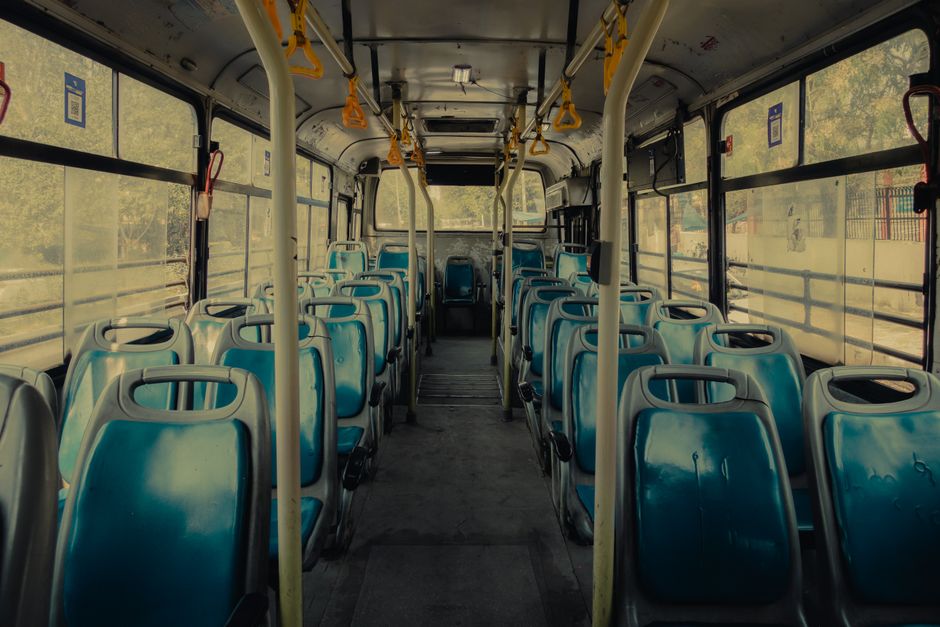
Most overnight group trips use a standard 40-56 passenger charter bus with reclining, cushioned seats, individual reading lights, and onboard restrooms. These buses are comfortable enough for most adults and teens to sleep through several hours of driving, especially with a travel pillow and blanket.
Buses with Extra Legroom or Reduced Capacity
Some companies offer overnight-specific configurations with fewer seats and more legroom per passenger, sometimes called a
For related reading, see our guide on Overnight Charter Bus Trips: Complete Guide.
premium overnight configuration.” These buses swap out ten or more seats for extra aisle space and recline angle, which makes a noticeable difference on trips longer than eight hours. Families booking a milestone trip, or groups traveling with older adults, often find the added cost worthwhile simply because everyone arrives more rested. If your group is weighing comfort against budget, ask the charter company whether a reduced-capacity option is available for your date, since not every provider keeps these buses in regular rotation.
Double-Decker and Luxury Sleeper Coaches
For very long overnight journeys, some operators offer double-decker coaches with a lower-level lounge, onboard restroom, and even bunk-style seating on select routes. These are less common in everyday charter fleets and tend to be reserved for large tour operators or specialty routes, but it never hurts to ask if one is available in your region. If your trip spans more than 10-12 hours, it’s worth comparing the price difference between a standard reclining coach and a luxury sleeper configuration, since the extra rest quality can be a deciding factor for student groups, sports teams, or anyone traveling to a same-day event after the drive.
Must-Have Amenities for Overnight Comfort
Daytime charter trips can get by with basic seating and air conditioning, but overnight trips ask a lot more of both the bus and the passengers. A few amenities make the difference between a rough night and a genuinely restful one.
Onboard WiFi and Charging Outlets
Passengers who can’t sleep right away often want to stream a show, scroll on their phone, or finish up work before settling in. Reliable WiFi and individual charging ports (USB or standard outlets) let people stay entertained or productive without draining their devices before arrival. Confirm with the charter company that WiFi is functional for the entire route, since some rural stretches have weak signal regardless of the bus equipment.
Clean, Accessible Restrooms
An onboard restroom is close to non-negotiable for overnight travel. Nobody wants to wake a bus driver or wait an extra hour for the next rest stop because nature calls at 2 a.m. Ask about restroom cleaning procedures between trips, and consider requesting hand sanitizer stations near the restroom door for larger groups.
Climate Control That Adjusts Through the Night
Temperatures inside a bus can swing more than passengers expect once the sun goes down and the engine settles into a steady cruising rhythm. Good climate control systems let the driver adjust as needed, and it’s smart to pack a light layer or blanket regardless of the season, since preferences vary widely across a group.
Dim, Adjustable Lighting
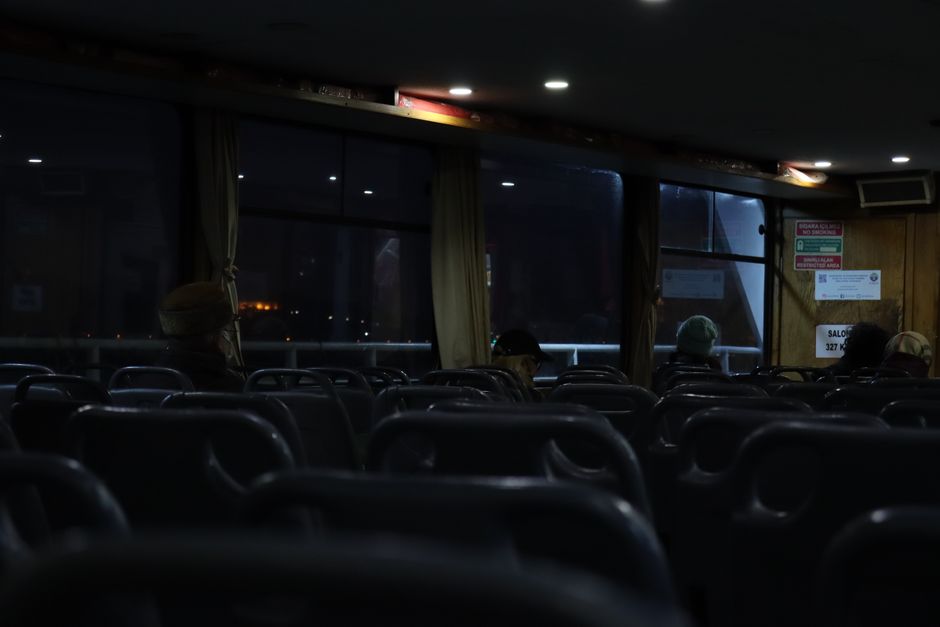
Overhead lighting that can be dimmed or turned off zone-by-zone helps late sleepers doze off while others read or work under a personal light. This small feature gets overlooked in bus descriptions, so if it matters to your group, ask directly rather than assuming every coach has it.
Entertainment Systems
Some charter buses come equipped with drop-down screens, DVD players, or Bluetooth audio systems. These are more common on party buses and mid-size coaches than on long-haul overnight charters, where most passengers prioritize sleep over entertainment, but for younger groups or family trips, an entertainment system can help pass the early hours before everyone winds down.
How Much Do Overnight Charter Bus Trips Cost?
Pricing for overnight charter trips varies more than daytime rentals because of the added driver, fuel, and scheduling considerations. Understanding what drives the cost helps you evaluate quotes accurately instead of comparing numbers without context.
Distance and Drive Time
The single biggest cost factor is total mileage and hours on the road. A six-hour overnight trip with one driver costs significantly less than a fourteen-hour trip requiring two drivers and a full rest period. Most companies price by a combination of mileage rate and hourly rate, so ask for a full breakdown rather than a single lump sum.
Number of Drivers Required
As covered earlier, federal hours-of-service rules often require a second driver for longer overnight routes. That second driver adds a meaningful cost, sometimes an additional flat fee or day rate, but it’s a cost you don’t want to shop around to avoid. A cheaper quote that skips the second driver on a trip that legally requires one is a liability, not a bargain.
Bus Type and Amenities
Standard 40-56 passenger coaches with reclining seats are generally the most affordable overnight option. Premium configurations with reduced seating, onboard WiFi, or luxury interiors will cost more per mile. If your group is flexible on amenities, a standard coach with good seats can still deliver a comfortable overnight experience at a lower price point.
Seasonal Demand
Overnight charters booked around major holidays, graduation season, ski season, or large regional events tend to cost more simply due to demand. Booking early, sometimes months ahead for peak weekends, can lock in a better rate before prices climb. Groups planning trips around ski season getaways or graduation weekends in particular should expect tighter availability and higher pricing the closer they book to the date.
Typical Price Ranges
While exact pricing depends on your region and provider, overnight charter trips commonly range from roughly $1,800 to $6,000 or more for a one-way or round-trip overnight journey, depending on distance, bus size, and driver requirements. Always request itemized quotes from at least two or three companies so you can compare apples to apples rather than relying on a single number.
Planning Your Overnight Trip Itinerary
An overnight charter bus trip runs more smoothly when the itinerary accounts for rest stops, meal breaks, and realistic arrival windows rather than assuming the bus will simply arrive on schedule no matter what.
Build in Rest Stop Breaks
Even with an onboard restroom, most groups appreciate a stretch break every three to four hours, especially on trips longer than six or seven hours. Rest stops also give the driver (or drivers) a chance to walk around, check the vehicle, and reset before continuing.
Plan Meals Around the Schedule
Late-night departures often mean passengers eat dinner before boarding and don’t eat again until morning. Building a planned stop at a 24-hour diner, truck stop, or fast food location partway through the trip keeps everyone fed and in better spirits, particularly on trips with kids or teens.
Add Buffer Time to Arrival Estimates
As mentioned earlier, weather, traffic, and mandatory rest breaks can all push arrival times later than the straight drive-time math suggests. If your group has a hard deadline, such as a wedding ceremony or a check-in time at a venue, build at least an hour or two of buffer into the plan. For more detailed guidance on managing long stretches of driving, our long-distance charter bus travel tips guide covers additional strategies for keeping a multi-hour trip on schedule.
Coordinate Arrival and Departure Times with Your Venue
If the bus is dropping passengers off at a hotel, event venue, or attraction, confirm ahead of time that someone will be available to receive the group, especially for very early morning arrivals. Nothing deflates an overnight trip faster than pulling up to a locked hotel lobby at 5 a.m. with nowhere to go.
What to Pack for an Overnight Charter Bus Trip
Packing for an overnight bus trip is different from packing for a day trip. A few extra items can meaningfully improve comfort during the ride itself, not just at the destination.
- Travel pillow and blanket: Bus climate control varies, and a personal blanket beats relying on the coach’s temperature settings alone.
- Eye mask and earplugs: Overhead lights and road noise can disrupt sleep, especially for lighter sleepers.
- Phone charger and portable battery: Even with onboard outlets, a backup battery avoids any issue if outlets are limited or occupied.
- Layered clothing: Temperatures can shift throughout the night, and layers let each passenger adjust individually.
- Snacks and a refillable water bottle: Rest stops aren’t always frequent, and having food on hand prevents mid-trip hunger.
- A small toiletry kit: Toothbrush, face wipes, and travel-size deodorant make a big difference when freshening up before arrival.
For a more complete packing breakdown covering everything from documents to entertainment, take a look at our charter bus packing list for group travel, which applies to overnight trips just as much as day trips.
Safety Tips for Overnight Charter Bus Travel
Overnight travel introduces a few safety considerations that don’t come up as often on shorter day trips, mostly related to fatigue, visibility, and unfamiliar rest stops.
Verify the Company’s Safety Record
Before booking, check the charter company’s safety rating through the Federal Motor Carrier Safety Administration (FMCSA) database. This free tool shows inspection history and any recorded safety violations, and it’s one of the simplest ways to vet a provider before handing over a deposit.
Confirm Seatbelt Availability
Most modern charter buses come equipped with seatbelts, but it’s worth confirming ahead of time, especially if traveling with children. Encourage passengers to wear seatbelts throughout the ride, not just during obviously bumpy stretches.
Keep Valuables Secure Overnight
When most of the bus is asleep, it’s a good time to remind passengers to keep phones, wallets, and bags close rather than left loose in overhead compartments. A simple reminder before lights-out avoids most issues.
Know the Rest Stop Plan
Share the planned rest stop locations and approximate times with the group ahead of departure, especially for large groups where people might wander off during a break. A quick headcount before departing each stop helps avoid leaving anyone behind. For a broader pre-departure safety and logistics rundown, our charter bus travel checklist before departure is a useful companion resource for group leaders and trip organizers.
Tips for First-Time Overnight Travelers
If your group includes people who have never taken an overnight charter bus trip before, a little guidance ahead of time helps set expectations and reduce first-trip anxiety.
- Set realistic sleep expectations. Most people don’t get a full, uninterrupted night’s sleep on a moving bus, even a comfortable one. Framing the trip as “rest and quiet time rather than deep sleep helps manage expectations and avoid disappointment when the bus hits a rough patch of highway at 3 a.m.
- Pack a personal comfort kit. A neck pillow, light blanket or sweatshirt, eye mask, and earplugs make a noticeable difference for someone used to sleeping in a bed. Encourage first-timers to test their sleep gear at home beforehand so they know it actually helps them relax.
- Choose seats wisely. Window seats give first-timers something to lean against, while aisle seats offer easier access to the restroom without disturbing a neighbor. If seat selection is open, let nervous or light-sleeping travelers pick first.
- Plan for the temperature swing. Buses can run cooler overnight once the driver adjusts climate controls for a quieter cabin. Layered clothing is the easiest fix, and it’s worth mentioning this in your pre-trip communication so nobody is caught off guard.
- Explain the stop schedule in advance. Knowing there will be two or three rest stops, roughly how long each will last, and what amenities to expect (gas station, fast food, restrooms) helps first-time travelers relax instead of wondering when the next break is coming.
For groups that include a lot of first-time riders, whether students, employees, or family members, our charter bus travel tips for first-time passengers guide covers even more ground on what to expect from the entire charter bus experience, not just the overnight portion.
Choosing the Right Charter Bus Company for Overnight Trips
Not every charter bus company is set up to handle overnight travel well. Because overnight trips involve more hours on the road, driver changeovers, and passengers actually trying to sleep, it’s worth asking a few pointed questions before booking.
Ask About Driver Hour Limits and Backup Plans
Federal regulations limit how many consecutive hours a driver can be behind the wheel, which means longer overnight routes may require a second driver or a scheduled driver swap. Ask the company directly how they plan to staff your specific route and what happens if a driver runs into unexpected delays.
Confirm the Actual Bus Amenities
Photos on a website don’t always reflect the exact vehicle you’ll get. Ask specifically about seat recline angle, legroom, restroom availability, power outlets, and climate control before signing a contract, especially for trips longer than six or seven hours.
Check Reviews From Similar Trips
A company that regularly runs day trips to amusement parks isn’t automatically experienced with overnight travel logistics. Look for reviews or ask directly about past overnight trips they’ve handled, particularly ones similar in length or group size to yours.
Get Everything in Writing
Departure and arrival times, rest stop policies, cancellation terms, and amenity guarantees should all be spelled out in your contract rather than left as verbal promises. This protects your group if something doesn’t match what was discussed during booking.
Group size also affects which buses are even an option for your trip. If you’re still finalizing headcount, resources like our guides on charter bus rental for 40 people or charter bus rental for 60 people can help you match your group’s size to the right vehicle before you start requesting quotes.
Common Overnight Charter Bus Routes and Use Cases
Overnight charter buses tend to show up most often on a handful of trip types where the time savings and cost savings make the most sense.
- Sports team travel. Traveling overnight lets athletes arrive at a tournament with a full day still ahead of them rather than losing a day to travel.
- College and university trips. Spring break trips, athletic events, and multi-day academic competitions often rely on overnight travel to maximize time at the destination. Our charter bus rental for university events guide covers more on planning these kinds of trips.
- Casino and entertainment trips. Overnight runs to casino destinations are common precisely because travelers want to arrive fresh and ready rather than tired from a full day of driving beforehand.
- Church and community group trips. Mission trips, retreats, and conventions frequently involve long distances that make overnight travel a practical choice for groups on a budget.
- Corporate travel to distant conferences. Companies sending large teams to conferences in other regions sometimes use overnight charter buses as a cost-effective alternative to group flights, particularly when the destination is within a reasonable driving radius.
Frequently Asked Questions About Overnight Charter Bus Trips
Is it actually possible to sleep well on an overnight charter bus?
Most passengers get partial rest rather than a full night’s sleep, but a comfortable seat, personal sleep gear, and a quiet cabin environment can make a real difference. Reclining seats, dimmed lighting, and minimal talking after a certain hour all contribute to better rest for the whole group.
How many rest stops should an overnight trip include?
This depends on total trip length, but a general guideline is a stop every three to four hours for restrooms, stretching, and food. Longer overnight routes may include two to four stops total, with timing adjusted around driver changeovers when applicable.
Do overnight charter buses have bathrooms onboard?
Most charter buses used for longer trips include an onboard restroom, but it’s important to confirm this when booking since not every vehicle in a company’s fleet is equipped the same way. Onboard restrooms are typically reserved for quick use between scheduled stops rather than as a full substitute for them.
Is overnight travel cheaper than a daytime trip with a hotel stay?
In many cases, yes. Skipping a hotel night for the entire group can offset a significant portion of trip costs, which is one of the main reasons overnight charter buses remain popular for budget-conscious school groups, sports teams, and community organizations.
What should first-time overnight travelers pack?
A neck pillow, blanket or light layer, eye mask, earplugs, phone charger, and a few snacks cover most of what’s needed for a comfortable night on the road. Packing light but smart matters more on an overnight trip than a short day trip, since comfort items get used far more heavily.
Final Thoughts
Overnight charter bus trips offer a practical middle ground between the cost of flying and the time lost to daytime-only road travel. With the right bus, a thoughtful schedule, and a little preparation from both organizers and passengers, an overnight trip can feel far less grueling than most people expect. The key is treating the overnight hours as part of the trip experience itself, not just downtime to get through, and building in the small comforts and clear communication that make a long ride easier on everyone aboard. Whether you’re organizing a school trip, a sports team departure, or a large community outing, planning ahead for the realities of overnight travel is what turns a long haul into a smooth one.