
Charter Bus for Employee Commuting: Travel Tips for a Smarter Workplace Shuttle Program

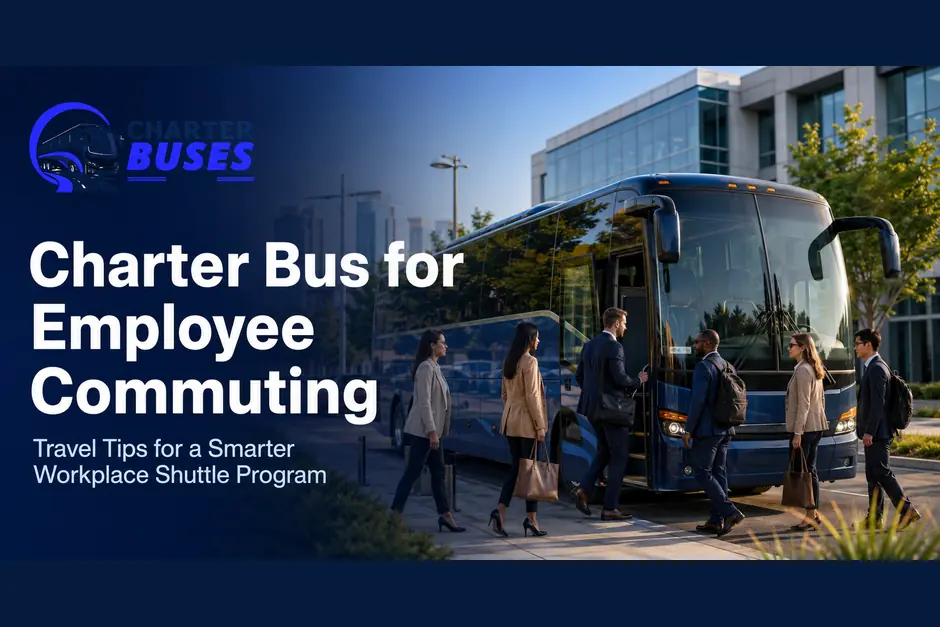
Traffic congestion, rising fuel prices, and limited parking are pushing more companies to rethink how their teams get to work. A charter bus for employee commuting has become one of the most practical solutions for organizations that want to cut costs, reduce stress, and boost productivity before the workday even starts. Instead of dozens of employees sitting in separate cars burning gas in gridlock, a single bus can move an entire department, shift, or campus population in comfort.
In this guide, you will learn why companies are turning to charter bus commuting programs, how to set one up correctly, what to look for in a provider, and practical travel tips that keep the program running smoothly for both HR teams and riders. Whether you are exploring this option for a single office or a multi-site operation, this article covers everything you need to make an informed decision.
Why Companies Choose a Charter Bus for Employee Commuting
Employee commuting has quietly become one of the biggest hidden costs of doing business. Parking lots require land and maintenance, late arrivals disrupt schedules, and long solo drives contribute to burnout. A dedicated charter bus for employee commuting addresses all of these pain points at once, and it does so with a level of predictability that individual driving simply cannot match.
Reducing Commute-Related Stress
Sitting in traffic alone is mentally draining. Studies on commuting consistently link long solo drives to higher stress levels, lower job satisfaction, and increased absenteeism. When employees ride a shared bus instead, they can use that time to relax, catch up on sleep, read, or even respond to emails before clocking in. As a result, many companies report smoother mornings and fewer late arrivals once a shuttle program is in place.
Cutting Parking and Facility Costs
Every parking space a company builds or leases costs money, and urban real estate is not getting any cheaper. A single charter bus can replace 40 to 50 individual vehicles, freeing up land for expansion, green space, or additional office capacity. For businesses located in dense metro areas, this alone can justify the investment in a commuter shuttle.
Improving Punctuality and Productivity
Unlike personal vehicles stuck in unpredictable traffic, a charter bus commuting program runs on a fixed schedule with routes planned around known congestion points. This predictability means fewer excuses for tardiness and a more consistent start to the workday across an entire team.
Supporting Sustainability Goals
Many companies now track their carbon footprint as part of broader environmental, social, and governance (ESG) commitments. Group transportation dramatically reduces the number of vehicles on the road per employee, which lowers greenhouse gas emissions. According to the U.S. Environmental Protection Agency, transportation is one of the largest sources of emissions in the country, and shifting even a portion of a workforce from solo driving to shared buses can produce a measurable impact.
Boosting Recruitment and Retention
A reliable commute benefit can be a deciding factor for job candidates, especially in cities where public transit is limited or unreliable. Offering a free or subsidized charter bus service signals that a company values its employees’ time and well-being, which can improve retention in competitive labor markets.
Types of Employee Commuting Programs
Not every company needs the same setup. Charter bus commuting programs generally fall into a few categories, and understanding the differences will help you choose the right structure for your workforce.
Fixed-Route Daily Shuttles
This is the most common model. A company contracts a set number of buses to run the same routes every workday, picking up employees at designated stops (often park-and-ride lots, transit hubs, or residential clusters) and dropping them at the office at set times. Return trips run in the evening on a mirrored schedule.
Shift-Based Transportation
Manufacturing plants, warehouses, hospitals, and call centers often operate around the clock. Shift-based commuting programs run buses timed precisely to shift changes, which can happen multiple times per day. This model requires tighter scheduling but is extremely valuable for employees working overnight or early morning shifts when public transit options are limited or unsafe.
Multi-Site Campus Shuttles
Large employers with several buildings or a sprawling campus sometimes use charter buses not just for the commute but for moving employees between locations during the workday. This is common among tech companies, universities, and hospital systems.
On-Demand or Event-Based Commuting
Some companies do not need a permanent daily shuttle but still benefit from group transportation for specific situations, such as a temporary office relocation, a satellite project site, or a seasonal surge in staffing. In these cases, a flexible charter bus rental arrangement works better than a long-term contract.
Key Benefits of a Charter Bus Commuting Program
- Cost savings: Shared transportation reduces per-employee commuting costs compared to mileage reimbursement, parking subsidies, or company car fleets.
- Consistency: Scheduled pickup and drop-off times mean employees know exactly when to expect the bus.
- Safety: Professional drivers are trained, licensed, and held to strict federal safety standards, which reduces the risk associated with employees driving while fatigued.
- Comfort: Modern charter buses include reclining seats, climate control, Wi-Fi, and power outlets, turning dead commute time into usable time.
- Environmental impact: Fewer cars on the road per employee lowers emissions and traffic congestion around the workplace.
- Employee morale: A dependable commute benefit reduces daily friction and shows employees the company invests in their quality of life.
How to Set Up a Charter Bus Commuting Program
Launching a successful program takes more than just booking a bus. It requires data, planning, and clear communication with employees. Here is a step-by-step approach that HR teams and facilities managers can follow.
Step 1: Survey Your Workforce
Before committing to any routes, find out where your employees actually live. A short internal survey asking for home zip codes, preferred commute times, and current transportation methods will reveal natural clusters of demand. This data becomes the foundation for route planning.
Step 2: Identify High-Demand Corridors
Once you have the survey data, map it against major highways, transit stations, and population centers. Look for clusters of five or more employees living within a short distance of each other. These clusters become your pickup points.
Step 3: Choose Pickup and Drop-Off Locations
Select locations that are safe, easy to access, and have adequate space for a bus to stop without blocking traffic. Park-and-ride lots, shopping center parking lots (with permission), and transit stations often work well. For guidance on planning safe and efficient stops, see this charter bus pickup and drop-off guide, which covers practical considerations that apply just as well to daily commuter routes as to one-time group trips.
Step 4: Determine Bus Size and Frequency
Match the vehicle to the number of riders on each route. A route with 15 to 20 daily riders might only need a mid-size shuttle, while a route serving 50 or more employees will require a full-size motorcoach. If ridership varies significantly by route, comparing options for large groups versus smaller groups can help you right-size each route instead of overpaying for unused capacity.
Step 5: Set a Realistic Schedule
Build in buffer time for traffic, loading, and unloading. A schedule that looks perfect on paper but ignores rush hour realities will quickly lose employee trust. Talk to your charter bus provider about historical traffic patterns on your chosen routes.
Step 6: Choose the Right Charter Bus Provider
Not all providers are equipped for recurring commuter contracts. Look for a company with:
- A fleet large enough to guarantee backup vehicles in case of mechanical issues
- Experience running scheduled, repeat routes rather than only one-time charters
- Drivers who are familiar with your specific routes and traffic patterns
- Transparent pricing for long-term contracts versus single trips
- Proper licensing and insurance, verifiable through the Federal Motor Carrier Safety Administration database
Step 7: Communicate Clearly With Employees
Once the program launches, provide employees with clear maps, schedules, and instructions. Consider a short onboarding email or intranet page explaining stop locations, boarding procedures, and what to do if they miss the bus. Employees who are new to group transportation may benefit from reviewing general guidance like this first-time charter bus passenger guide, which explains boarding etiquette and what to expect on board.
Travel Tips for Employees Using a Commuter Charter Bus
A successful commuting program depends on riders following a few simple habits. These tips help keep the experience smooth for everyone on board.
Arrive Five Minutes Early
Buses on a fixed schedule cannot wait for latecomers without throwing off the entire route. Arriving five minutes before the scheduled pickup time avoids the stress of chasing down a departing bus and keeps the schedule reliable for other riders.
Know Your Stop and Backup Options
Confirm your assigned stop ahead of time and identify the next closest stop in case you miss your primary pickup. Most programs publish a printable or digital route map for this exact reason.
Use the Ride Time Productively
Since a professional driver is handling the road, employees can use commute time for things they normally cannot do while driving:
- Catching up on emails or messages before arriving at the office
- Reviewing the day’s meeting agenda
- Reading, listening to podcasts, or napping
- Prepping for presentations without the distraction of driving
Follow Onboard Etiquette
Shared transportation works best when everyone respects the space. Keep conversations at a reasonable volume, use headphones for audio or video, and avoid taking up extra seats with bags during high-ridership periods. If your commute includes food or coffee, it helps to understand general guidelines on eating and drinking on a charter bus, since spills and strong odors can affect other riders in an enclosed space.
Pack Smart for a Daily Commute
Unlike a one-time group trip, daily commuting means employees need a repeatable routine. Keeping a small bag with essentials, a charger, and weather-appropriate items makes the ride more comfortable every day. For longer commutes that cross into different climates or time zones within a single trip, some of the packing logic from this group travel packing checklist can be adapted for a daily bag.
Report Issues Promptly
If a stop location becomes unsafe, a schedule consistently runs late, or a bus feels overcrowded, employees should report it to HR or the transportation coordinator right away. Programs improve over time only when feedback loops actually work.
Choosing the Right Bus for Employee Commuting
The vehicle itself matters just as much as the route planning. Employers should think through a few key factors before signing a contract.
Seating Capacity
Commuter buses typically range from 20-passenger shuttles to 56-passenger motorcoaches. Base your choice on actual ridership data rather than guesswork, and always build in a small capacity buffer for growth or occasional overflow.
Comfort Features
Because commuting happens every workday, comfort features matter more than they would for a single event trip. Look for:
- Reclining, cushioned seating
- Climate control for year-round comfort
- Onboard Wi-Fi for productivity or entertainment
- Power outlets or USB charging ports
- Restroom access for longer routes
- Overhead storage for bags, laptops, and personal items
Accessibility
Make sure at least one vehicle in your rotation is wheelchair accessible or can accommodate employees with mobility needs. This is not just good practice, it is often a legal requirement under the Americans with Disabilities Act for employer-provided transportation.
Fleet Reliability
A commuter program lives or dies on reliability. Ask potential providers how they handle mechanical breakdowns, whether they maintain backup vehicles, and what their average fleet age looks like. A provider with an aging, poorly maintained fleet will eventually cause missed workdays and frustrated employees.
Cost Considerations for Employers
Budgeting for a charter bus commuting program requires looking beyond the sticker price of a single trip. Employers should evaluate the total cost picture across several factors.
Contract Length and Route Complexity
Long-term contracts with fixed daily routes typically come with better per-trip pricing than one-off bookings, since providers can plan driver schedules and vehicle allocation in advance. However, more complex routes with multiple stops and tight shift-based timing may cost more due to the added logistics.
Subsidized vs. Fully Covered Programs
Some employers cover 100% of the transportation cost as a recruitment and retention perk. Others subsidize a portion and charge employees a small monthly fee, similar to a discounted transit pass. Either approach can work, but transparency about costs helps set employee expectations from day one.
Comparing Costs to Alternatives
Before finalizing a budget, compare the charter bus program cost against alternatives like:
- Expanding parking lot capacity
- Subsidizing rideshare or taxi commutes
- Offering public transit passes
- Paying mileage reimbursement for personal vehicles
In many mid-size to large companies, a well-utilized charter bus program ends up cheaper per employee than these alternatives, especially once facility and parking savings are factored in.
Tax and Incentive Considerations
In the United States, qualified transportation benefits, including certain employer-provided commuter transportation, may be eligible for favorable tax treatment. Check current guidance from the IRS Employer’s Tax Guide to Fringe Benefits or consult a tax professional to understand how a commuting program might reduce payroll tax liability for your organization.
Safety Standards Employers Should Verify
Employee safety is non-negotiable, and it should be one of the first things employers vet before signing any contract.
Driver Qualifications
Charter bus drivers must hold a Commercial Driver’s License (CDL) with the appropriate passenger endorsement, and they are subject to hours-of-service regulations designed to prevent fatigue-related accidents. Ask providers about their driver screening, training, and ongoing safety monitoring processes.
Vehicle Inspections
Charter buses are required to pass regular safety inspections. Providers should be able to show proof of current inspections and a clean maintenance record. You can cross-check a carrier’s safety rating through the FMCSA’s public safety data system before signing a contract.
Emergency Procedures
Ask your provider what protocols are in place for breakdowns, severe weather, or medical emergencies during a route. A reliable company will have backup vehicles ready and clear communication procedures for delays.
Insurance Coverage
Confirm that the charter company carries adequate liability insurance for the size of your program. This protects both the company and employees in the rare event of an incident.
Technology That Improves a Commuter Bus Program
Modern charter bus commuting programs increasingly rely on technology to keep things efficient and transparent.
Real-Time GPS Tracking
Many providers now offer GPS tracking apps that let employees see exactly where their bus is and get live updates on delays. This significantly reduces the anxiety of waiting at a stop without information.
Digital Booking and Seat Reservations
For programs with variable ridership, some companies use a simple app or booking portal where employees reserve a seat for the next day, helping the provider plan capacity accurately.
Automated Notifications
Text or email alerts for schedule changes, weather delays, or route adjustments keep employees informed without requiring them to check a website constantly.
Ridership Analytics
Employers can use ridership data over time to fine-tune routes, add or remove stops, and adjust bus sizes based on actual demand rather than assumptions made during initial rollout.
Common Mistakes to Avoid
Even well-intentioned commuting programs can stumble if a few common pitfalls are not addressed early.
Skipping the Data-Gathering Phase
Launching routes based on guesswork instead of a real employee survey often leads to underused buses on some routes and overcrowding on others. Always start with data.
Ignoring Seasonal Traffic Changes
Traffic patterns shift with weather, school schedules, and construction projects. A schedule that works well in spring might fail during winter storms or summer road work. Build in periodic schedule reviews.
Underestimating Communication Needs
Employees need more than a single announcement email. Ongoing reminders, clear signage at stops, and an easy way to ask questions all contribute to higher adoption rates.
Choosing Price Over Reliability
The cheapest provider is not always the best long-term choice. A provider with a spotty on-time record or unreliable backup vehicles can cost more in lost productivity than a slightly higher-priced, more dependable option.
Failing to Plan for Growth
If your company is hiring or expanding, build flexibility into your contract so you can add routes or increase capacity without renegotiating from scratch every time headcount grows.
When a Charter Bus Program Makes the Most Sense
While almost any company can benefit from group commuting, certain situations make the case especially strong.
- Corporate campuses in suburban or rural areas with limited public transit access
- Manufacturing and logistics facilities running multiple shifts around the clock
- Companies relocating offices to areas with different commuting patterns than employees are used to
- Large event-based hiring surges, such as seasonal warehouse staffing
- Organizations with strong sustainability commitments looking to reduce their carbon footprint
- Businesses in cities with expensive or limited parking, where reducing vehicle count saves real money
Some of these scenarios overlap with other group travel needs a company might already be familiar with, such as arranging transportation for a company retreat or a business conference. If your organization already books charter buses for these occasional events, extending that relationship into a daily or shift-based commuting contract can be a natural next step, often with better rates due to the ongoing business relationship.
How to Measure Success Once the Program Launches
After rollout, employers should track a few key metrics to determine whether the program is delivering value.
Ridership Rates
Track how many eligible employees actually use the service versus how many were expected to. Low adoption may indicate poorly placed stops or inconvenient schedules.
On-Time Performance
Work with your provider to track how often buses arrive within an acceptable window of the scheduled time. Consistent delays erode trust quickly.
Employee Satisfaction Surveys
A short quarterly survey asking riders to rate comfort, punctuality, and overall satisfaction gives you actionable feedback for adjusting the program.
Cost Per Rider
Divide total program cost by average daily ridership to understand the real cost efficiency of the service, and compare it against parking and reimbursement alternatives.
Turnover and Absenteeism Trends
Over a longer time horizon, compare turnover and absenteeism rates before and after program launch, particularly among employees who live far from the office or previously relied on unreliable transportation.
Frequently Asked Questions
Is a charter bus for employee commuting cheaper than reimbursing mileage?
In most cases, yes, especially for companies with 30 or more employees commuting from similar areas. A single bus replaces dozens of individual trips, and the combined cost of fuel, mileage reimbursement, and parking often exceeds the price of a scheduled charter contract.
How far in advance should we book a charter bus commuting program?
For a recurring daily or shift-based program, most providers recommend finalizing contracts at least four to six weeks before launch to allow time for route planning, driver assignment, and employee communication. Seasonal or short-term programs can sometimes be arranged faster.
Can a charter bus commuting program accommodate multiple office locations?
Yes. Many providers design multi-stop routes that serve several offices or campuses along a single corridor, which is common for companies with headquarters and satellite facilities in the same metro area.
What happens if an employee misses the scheduled bus?
Most programs establish a backup plan, such as a slightly later secondary stop or a reimbursement policy for an occasional rideshare trip. It is worth clarifying this policy with your provider and communicating it clearly to employees before launch.
Do employees need to pay for a charter bus commuting benefit?
It depends on the employer. Some companies cover the full cost as a benefit, while others charge a reduced monthly fee compared to what employees would otherwise spend on gas, parking, or public transit. Both models are common and can be adjusted based on budget.
Final Thoughts
A well-designed charter bus for employee commuting program does more than move people from point A to point B. It cuts costs, reduces stress, supports sustainability goals, and can even become a meaningful recruitment tool in a competitive job market. The key to success lies in solid planning: gathering real ridership data, choosing the right vehicle size, partnering with a reliable provider, and communicating clearly with employees from day one.
Whether you are launching your first shuttle route or optimizing an existing program, the travel tips and planning steps in this guide give you a practical framework for building a commuting benefit that actually works for your workforce. Start small if needed, measure results, and scale the program as demand and confidence grow.