Most Popular Group Trips in the Pacific Northwest: A Complete Destination Guide

The Pacific Northwest has become one of the most requested regions for group travel in the country, and it’s easy to see why. Between the misty coastline, volcanic peaks, wine valleys, and cities that blend outdoor adventure with world-class food, this corner of the country offers something for nearly every kind of group. Whether you’re organizing a church retreat, a corporate incentive trip, a school tour, or a multigenerational family reunion, group trips in the Pacific Northwest consistently rank among the most memorable experiences a group leader can plan.
In this guide, we’ll walk through the most popular group trips in the Pacific Northwest, covering the cities, parks, islands, and small towns that keep groups coming back year after year. We’ll also cover practical planning advice, including the best time of year to travel, how to handle transportation logistics across a spread-out region, and tips for keeping large groups organized and comfortable. By the end, you’ll have a clear roadmap for building an itinerary that fits your group’s size, budget, and interests.
Why the Pacific Northwest Works So Well for Group Travel
The Pacific Northwest, generally defined as Washington, Oregon, and parts of Idaho and northern California, has a few built-in advantages that make it ideal for group trips. First, the region packs an enormous variety of landscapes into a relatively compact travel radius. A group can wake up in a coastal town, eat lunch in a mountain village, and be back in a major city for dinner, all without a plane ticket.
Second, the cities themselves are extremely group-friendly. Seattle and Portland both have strong public transit, walkable downtown cores, and a huge inventory of restaurants and attractions that can handle large parties with advance reservations. Third, the weather, while famously rainy in winter, is mild and comfortable for most of the year, which makes outdoor group activities like hiking, wine tasting, and sightseeing tours very doable from late spring through early fall.
Finally, the region’s road network connects nearly every major attraction with scenic, easy-to-drive highways, which is a big reason charter bus travel has become such a popular option for larger groups touring the area. Instead of coordinating multiple rental cars or dealing with parking in dense city centers, many tour organizers simply book a coach and let a professional driver handle the driving while the group relaxes and takes in the scenery.
Seattle, Washington: The Region’s Group Travel Hub
Seattle is the natural starting point for most group trips in the Pacific Northwest, and it’s not hard to understand why. The city has an international airport with direct flights from most major U.S. cities, a compact downtown core, and enough attractions to fill a three or four day itinerary without ever leaving city limits.
Top Group Activities in Seattle
- Pike Place Market: A must-see for any group, with food vendors, the original Starbucks, and the famous fish-throwing stalls. Groups can book guided food tours that include tastings at six or seven stops.
- Space Needle and Chihuly Garden and Glass: These two attractions sit right next to each other at Seattle Center, making it easy to combine both into a half-day visit.
- Ferry rides on Puget Sound: A short ferry trip to Bainbridge Island or Bremerton gives groups sweeping views of the Seattle skyline and the Olympic Mountains in the distance.
- Museum of Pop Culture (MoPOP): A favorite for groups with a mix of ages, especially those interested in music history and science fiction.
- Underground Tour in Pioneer Square: A quirky, historical walking tour beneath the city streets that’s popular with school groups and history buffs alike.
Seattle also has an enormous number of hotels with group rate blocks, which makes it a practical home base even if your itinerary includes day trips out to the mountains or coast. Many tour operators build a Seattle stay into a longer regional loop that also hits Mount Rainier, the San Juan Islands, and sometimes even Vancouver, British Columbia.
Portland, Oregon: Quirky Culture and a Food Scene That Punches Above Its Weight
Portland has carved out its own identity as a group destination, distinct from Seattle in almost every way. It’s smaller, more walkable, and known for a food cart culture that’s practically become a tourist attraction in its own right. Groups touring Portland often build their day around neighborhood exploration rather than single big-ticket attractions.
Popular group stops in Portland include the Portland Japanese Garden, widely considered one of the most authentic Japanese gardens outside of Japan, and the International Rose Test Garden, which is free to visit and blooms spectacularly from May through September. Powell’s City of Books, an entire city block of new and used books, is a favorite stop for groups that want a slower-paced afternoon activity.
Food and drink tours are especially popular here. Portland’s food cart pods, like those downtown and in the Alberta Arts District, let large groups split up and try different vendors before regrouping. The city is also a launch point for day trips into Oregon wine country and the Columbia River Gorge, both of which are covered in more detail below.
Olympic National Park and the Olympic Peninsula
For groups that want a true nature immersion trip, the Olympic Peninsula is hard to beat. Located a few hours west of Seattle by road and ferry, Olympic National Park contains three distinct ecosystems: rugged Pacific coastline, alpine mountains, and a temperate rainforest that gets over 12 feet of rain a year.
Group itineraries here typically focus on a few key stops:
- Hurricane Ridge: Accessible by a paved road from Port Angeles, this spot offers panoramic mountain views and, in winter, small-scale skiing and snow play.
- Hoh Rain Forest: An easy, flat walking trail through moss-draped old growth trees that’s suitable for groups of nearly any fitness level.
- Ruby Beach and Rialto Beach: Dramatic sea stacks and driftwood-covered shorelines that make for excellent group photo stops.
- Lake Crescent: A glacially carved lake known for its extraordinarily clear, deep blue water.
Because the peninsula is more rural, groups should plan for longer drive times between stops and book lodging in advance, since options in towns like Port Angeles and Forks are limited compared to a big city. Many tour groups treat the Olympic Peninsula as a one or two night loop out of Seattle rather than a full standalone trip.
Mount Rainier and Mount St. Helens: Volcano Day Trips
No discussion of group trips in the Pacific Northwest is complete without mentioning the region’s iconic volcanoes. Mount Rainier, visible from Seattle on a clear day, is the most popular of the bunch and draws large tour groups nearly every weekend from June through September.
Paradise, on the south side of the mountain, is the most visited area of Mount Rainier National Park and offers wildflower meadows in summer and some of the best accessible mountain views in the state. Groups often combine a Paradise visit with a stop at the Longmire Museum or a short walk to Christine Falls.
Mount St. Helens, about two hours south of Seattle and roughly an hour and a half from Portland, offers a completely different kind of experience. The Johnston Ridge Observatory (rebuilding after recent closures, so it’s worth checking current status) and the Mount St. Helens Visitor Center at Silver Lake tell the story of the 1980 eruption in vivid detail, making this a popular stop for school groups studying geology or natural history.
Both mountains are best visited as day trips rather than overnight stays, since lodging near the parks is limited. A charter bus works particularly well for these trips because mountain roads can be narrow and winding, and having a professional driver familiar with the route takes pressure off group leaders.
The Columbia River Gorge
Straddling the border between Washington and Oregon, the Columbia River Gorge is one of the most scenic drives in the entire country, and it happens to be packed with group-friendly stops within a short distance of Portland.
Multnomah Falls, the second-tallest year-round waterfall in the United States, is the most visited natural attraction in Oregon and a near-mandatory stop on any Gorge itinerary. Groups can view the falls from a lower viewing platform in under 15 minutes, or take a slightly longer walk up to the Benson Bridge for a closer look.
Beyond Multnomah Falls, the Gorge includes:
- Vista House at Crown Point: A historic observatory offering sweeping views down the length of the Gorge.
- Hood River: A charming small town known for windsurfing, cideries, and a walkable downtown with plenty of lunch spots for groups.
- Bonneville Dam and Fish Hatchery: An educational stop that’s especially popular with school and youth groups.
Because most of these stops sit along a single scenic highway, the Gorge is one of the easiest half-day or full-day group trips to plan in the entire region. It requires minimal advance coordination beyond booking transportation and, if desired, a guided tour.
The San Juan Islands
For groups looking for a slower, more relaxed pace, the San Juan Islands offer a change of scenery from the mainland’s mountains and cities. Reached by ferry from Anacortes, Washington, the islands are known for whale watching, small-town charm, and a noticeably quieter atmosphere.
San Juan Island and Orcas Island are the two most visited islands in the chain. Friday Harbor, the main town on San Juan Island, has galleries, seafood restaurants, and a whale museum that’s a hit with families and school groups alike. Orcas Island is more rural and known for Moran State Park, which has hiking trails and a lookout tower atop Mount Constitution with views stretching to Canada on clear days.
Whale watching tours are the signature group activity here. Orca and humpback whale sightings are common from late spring through early fall, and most tour operators offer boats large enough to accommodate group bookings of 20 or more. Because ferry schedules and island transportation can be limiting for large groups, many tour organizers book a private charter boat directly from the mainland rather than relying on the public ferry system alone.
Vancouver, British Columbia: A Popular Cross-Border Add-On
Many group trips based in Seattle extend north to Vancouver, Canada, which is only about a three-hour drive across the border. While international travel adds some logistical complexity, including passport requirements for all travelers, Vancouver’s blend of city sophistication and mountain scenery makes it a popular addition to longer Pacific Northwest itineraries.
Stanley Park, Granville Island Public Market, and the Capilano Suspension Bridge are the most commonly visited group attractions. Groups traveling by charter bus should plan extra time at the border crossing, since large vehicles can face longer processing times than personal cars, and every passenger will need a valid passport or equivalent travel document.
Wine Country Trips: Willamette Valley and Walla Walla
The Pacific Northwest has quietly become one of the premier wine regions in the country, and wine tours are among the most popular group trips organized in the area, particularly for milestone celebrations, corporate retreats, and adult friend or family groups.
Willamette Valley, Oregon
Located about 30 to 45 minutes southwest of Portland, the Willamette Valley is world-renowned for its Pinot Noir. The region has more than 700 wineries, many of them family-owned, offering everything from casual tasting rooms to elegant vineyard lunches. Groups typically book a driver for the day so everyone can taste responsibly without worrying about who’s staying sober behind the wheel.
Walla Walla, Washington
On the other side of the state, Walla Walla has developed a reputation as a serious wine destination in its own right, with over 120 wineries and a walkable downtown tasting room district. It’s a longer drive from Seattle, roughly four hours, which makes it a better fit for a dedicated weekend trip rather than a day excursion.
Both regions are extremely popular for bachelorette parties, milestone birthdays, and corporate incentive trips. Because tasting rooms often have limited capacity, group leaders should book reservations well in advance, especially during the busy summer and early fall harvest season.
Leavenworth, Washington: A Bavarian-Style Mountain Village
Few towns in the country commit to a theme quite like Leavenworth. Nestled in the Cascade Mountains about two and a half hours east of Seattle, this town reinvented itself in the 1960s as a Bavarian-style alpine village, complete with half-timbered buildings, German restaurants, and an oompah band soundtrack during festival season.
Leavenworth is an especially popular group destination around the holidays, when the town lights up with what’s billed as one of the largest Christmas lighting displays in the country. Other popular times to visit include Oktoberfest in the fall and Maifest in the spring. Outside of festival weekends, groups enjoy the town’s hiking trails, the Leavenworth Nutcracker Museum, and river tubing on the Wenatchee River during summer months.
Because Leavenworth is a small town, hotel and restaurant capacity can fill up fast during festival weekends, so groups planning a visit during peak season should book lodging and dining reservations several months in advance.
Coastal Oregon: Cannon Beach, Astoria, and Newport
Oregon’s coastline offers a completely different vibe from the inland cities and mountains, and it’s a consistently popular pick for groups that want a relaxed, scenic getaway.
- Cannon Beach: Home to Haystack Rock, one of the most photographed sea stacks in the country, and a walkable downtown with shops and restaurants suited for group lunches.
- Astoria: A historic port town at the mouth of the Columbia River, known for the Astoria Column, the Columbia River Maritime Museum, and its role as a filming location for movies like The Goonies.
- Newport: Home to the Oregon Coast Aquarium and a working fishing harbor, popular with school groups and families.
The Oregon coast is best explored slowly, and most groups build in extra travel time since the coastal highway, Highway 101, winds along cliffs and through small towns rather than offering a fast, direct route. That said, the payoff in scenery is significant, and it’s one of the more affordable regional trips since lodging on the coast tends to be cheaper than in Seattle or Portland proper.
Spokane and Eastern Washington
While the western side of the Pacific Northwest gets most of the attention, Spokane and the surrounding region offer a lower-cost, less crowded alternative for groups. Riverfront Park in downtown Spokane, built on the site of the 1974 World’s Fair, remains a popular gathering spot with a carousel, gardens, and views of Spokane Falls.
Eastern Washington is also home to the Palouse, a region of rolling wheat fields that’s become a favorite for photography-focused group tours, particularly in early summer when the fields turn a vivid green. Groups interested in a lower-budget regional trip often find that Eastern Washington offers more affordable lodging and dining than the coastal cities, without sacrificing much in the way of scenery or activities.
Matching the Trip to Your Group
Not every Pacific Northwest itinerary works for every kind of group, and part of good trip planning is matching the destination and pace to who’s actually traveling.
Family Reunions and Multigenerational Groups
Family groups tend to do best with a home base in a city like Seattle or Portland, with day trips out to nature attractions that don’t require too much strenuous hiking. Ferry rides, aquariums, and easy walking trails like the Hoh Rain Forest loop tend to work well across a wide age range.
Senior Groups
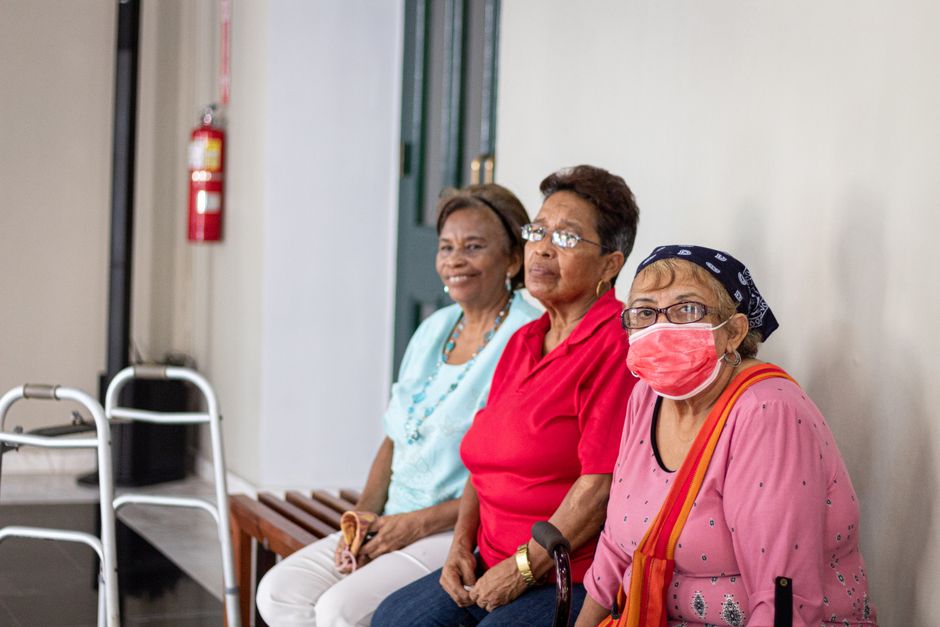
Senior travel groups often prioritize comfort, accessible attractions, and a slower overall pace. The Pacific Northwest is well suited to this since many of its top sights, including Multnomah Falls, Pike Place Market, and the Columbia River Gorge scenic viewpoints, are accessible without long hikes. For more detailed guidance on organizing this kind of trip, including accessibility considerations and pacing, see this complete planning guide for senior group trips. Groups with travelers who use wheelchairs or have mobility limitations should also confirm ahead of time whether their transportation includes accessible boarding, since not every coach is equipped the same way.
School and Youth Groups
Educational trips built around geology, marine biology, or history find plenty of material in the Pacific Northwest, from the volcanic history at Mount St. Helens to the maritime exhibits in Astoria and the tide pools along the Oregon coast. These trips typically run on tighter schedules with structured activities, so having reliable, pre-booked transportation matters even more than usual.
Corporate and Incentive Groups
Wine country tours in the Willamette Valley or Walla Walla, combined with a stay in Portland or Seattle, are a popular formula for corporate retreats and incentive travel. These trips often mix structured team activities with free time, and groups tend to favor destinations with strong restaurant and hotel infrastructure to handle larger blocks of rooms and reservations.
Budget Considerations for Group Trips in the Pacific Northwest
Cost is one of the biggest factors shaping where a group ends up traveling. Seattle and Portland hotel rates run higher than the national average, especially during the peak summer season from June through August. Groups looking to control costs have a few solid strategies:
- Travel during shoulder season (April to May or September to October) when hotel rates drop and attractions are less crowded.
- Base your group in a smaller town like Hood River or Astoria rather than a major city, and take day trips into Seattle or Portland instead.
- Book group meals at restaurants that offer set menus, which tend to be significantly cheaper than ordering off the regular menu for a large party.
- Choose one or two marquee attractions per day rather than trying to pack in everything, which reduces both cost and exhaustion.
If your group is working with a tight overall travel budget, it’s worth reviewing general strategies in this guide to budget-friendly group travel destinations in the US, many of which apply directly to planning an affordable Pacific Northwest itinerary.
Best Time of Year for Group Trips in the Pacific Northwest
Timing has an outsized effect on how much a Pacific Northwest group trip costs and how comfortable it feels. Here’s a rough breakdown by season:
Summer (June to August)
This is peak season, with the most reliable dry weather, the longest daylight hours, and full access to mountain roads like the one to Hurricane Ridge or Paradise on Mount Rainier. It’s also the most crowded and expensive time to travel, so book lodging and popular tours, especially whale watching and wine tastings, well in advance.
Fall (September to October)
Many locals consider early fall the best-kept secret of the Pacific Northwest calendar. The weather is still mild, crowds thin out significantly after Labor Day, and wine country trips align with harvest season in both the Willamette Valley and Walla Walla.
Winter (November to February)
Winter brings the rainy season to the western part of the region, but it’s also when Leavenworth’s Christmas lighting festival draws large groups, and it’s the cheapest time to book city hotels in Seattle and Portland. Groups planning holiday-season travel may find it useful to review this guide on stress-free holiday group travel planning for tips on managing weather delays and peak-demand booking.
Spring (March to May)
Spring brings blooming gardens, including Portland’s Rose Garden and the Skagit Valley Tulip Festival north of Seattle, along with lower rates than summer. Rain is still common, so groups should build flexibility into outdoor itineraries.
Transportation Logistics for Group Trips Across the Region
One of the biggest planning challenges for Pacific Northwest group trips is simply the geography. Attractions are often spread across long distances, connected by scenic but sometimes narrow mountain roads, and separated by water crossings that require ferries.
This is why charter bus travel has become such a popular choice for groups touring the region. A single coach can move a large group efficiently between cities, parks, and small towns without the hassle of coordinating multiple rental cars or dealing with limited parking at popular sites like Multnomah Falls or Pike Place Market. It also means everyone in the group travels together, which keeps things simpler for group leaders managing a tight schedule.
Before booking transportation, it’s worth understanding what you’re agreeing to. This breakdown of what to expect in a charter bus contract covers the details every organizer should review, including cancellation policies, mileage limits, and driver hour restrictions, all of which can matter on a multi-day Pacific Northwest itinerary that covers a lot of ground.
Accessibility is another important factor, especially for senior groups, school groups with students who have mobility needs, or mixed-ability family reunions. If your group includes travelers who use wheelchairs or other mobility devices, confirm ahead of time that your transportation provider can accommodate them. This guide on ADA-accessible charter bus options explains what to look for and what questions to ask when booking.
Sample Itineraries for Popular Pacific Northwest Group Trips
3-Day Seattle and Mount Rainier Loop
- Day 1: Arrive in Seattle, visit Pike Place Market and the Space Needle
- Day 2: Full-day trip to Mount Rainier National Park, including Paradise and Christine Falls
- Day 3: Ferry ride on Puget Sound, MoPOP, departure
5-Day Portland, Wine Country, and Coast Trip
- Day 1: Arrive in Portland, explore downtown and food carts
- Day 2: Willamette Valley wine tour
- Day 3: Columbia River Gorge, including Multnomah Falls and Hood River
- Day 4: Drive to Cannon Beach, visit Haystack Rock
- Day 5: Return to Portland via Astoria, departure
7-Day Grand Pacific Northwest Loop
- Day 1-2: Seattle city sightseeing
- Day 3: San Juan Islands whale watching day trip
- Day 4: Leavenworth day trip or overnight
- Day 5: Travel to Portland, evening in the Pearl District
- Day 6: Columbia River Gorge and Hood River
- Day 7: Willamette Valley wine tour before departure
Frequently Asked Questions About Group Trips in the Pacific Northwest
What is the best time of year for group trips in the Pacific Northwest?
Late June through September offers the most reliable dry weather and full access to mountain attractions, but early fall, from September to October, provides a strong balance of good weather, thinner crowds, and lower prices, making it a favorite among experienced group organizers.
How many days do you need for a Pacific Northwest group trip?
A solid introductory trip covering one city and a couple of day trips can work well in three to four days. Groups wanting to see both Seattle and Portland along with wine country or the coast typically need seven to ten days to avoid feeling rushed.
Is charter bus travel a good option for touring the Pacific Northwest?
Yes. Because attractions are spread across long distances and mountain roads, a charter bus allows large groups to travel together comfortably without coordinating multiple vehicles or navigating unfamiliar routes. It’s a particularly popular option for multi-city itineraries and wine country tours where a designated driver is essential.
What are the most popular group trip destinations in the Pacific Northwest?
Seattle and Portland serve as the two most common anchor cities, with popular add-on trips to Mount Rainier, the Columbia River Gorge, the San Juan Islands, Leavenworth, and Willamette Valley or Walla Walla wine country consistently ranking among the most booked group excursions in the region.
Is the Pacific Northwest a good destination for senior group travel?
Yes, many of the region’s top attractions, including scenic viewpoints, ferry rides, and garden tours, are accessible without extensive walking or hiking, making it a comfortable choice for senior groups when paired with the right transportation and pacing.
Final Thoughts
The Pacific Northwest earns its reputation as one of the best regions in the country for group travel because it offers so much variety within a manageable geographic footprint. A single trip can include a bustling city market, a rain-soaked ancient forest, a mountain wine village, and a whale-watching boat ride, all without requiring a second flight. That kind of range is rare, and it’s exactly why group trips in the Pacific Northwest continue to top so many travel wish lists.
Whether you’re planning a three-day Seattle getaway, a wine country weekend, or a full week-long loop through the region’s biggest highlights, the key to a smooth trip comes down to realistic pacing, early reservations for popular attractions, and reliable transportation that can handle the region’s scenic but sometimes winding roads. With the right plan in place, a Pacific Northwest group trip has a way of becoming the one everyone still talks about years later.