How to Plan a College Bowl Game Road Trip: The Complete Fan’s Guide

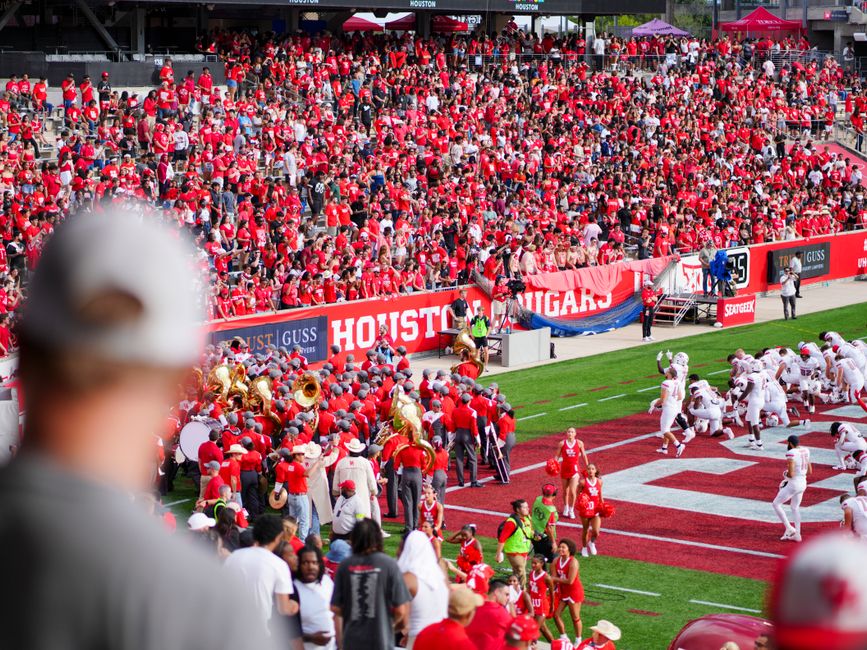
Bowl season sneaks up fast. One minute you’re watching conference championship games, and the next your team’s name flashes across the screen with a bowl destination attached to it. If you’re serious about being there in person, pulling off a smooth college bowl game road trip takes more than just grabbing a tank of gas and hoping for the best. Between last-minute ticket sales, packed hotels, unpredictable winter weather, and the sheer distance many bowl games require, a little planning goes a long way.
This guide walks you through everything you need to know to plan a college bowl game road trip that actually goes smoothly, from picking your route and mode of transportation to budgeting, booking lodging, and surviving the tailgate. Whether you’re organizing a trip for a handful of friends, a fraternity group, an alumni chapter, or a full booster club, you’ll find practical steps you can start using right now.
Why a Road Trip Is the Best Way to Experience a Bowl Game
Flying to a bowl game gets expensive fast, especially when tickets go on sale with only two to four weeks of notice. Airfare during peak football travel windows can triple overnight, and rental cars in bowl host cities become scarce once the matchup is announced. A road trip, on the other hand, gives your group control over the schedule, the budget, and the overall experience.
There’s also something about the drive itself that becomes part of the memory. Stopping at a barbecue joint in a small Texas town, singing fight songs somewhere on I-75, or pulling into a stadium parking lot after ten hours on the road with your whole crew still in team colors is a different kind of experience than landing at an airport and grabbing a rideshare. As a result, road trips have become the default choice for student sections, alumni groups, and fan clubs chasing their team into bowl season.
Step 1: Pick Your Bowl Game and Lock In Logistics Early
The tricky part of bowl travel is that you often don’t know your exact destination until three to four weeks before kickoff. However, you can still prepare well in advance by tracking your team’s bowl projections and building a flexible plan around the two or three most likely outcomes.
Watch the Selection Timeline
Bowl selections typically happen the first Sunday in December, right after conference championship weekend. Some bowl tie-ins are predictable based on conference standings, so following bowl projection sites throughout November can give you a strong hint of where your team is headed. Once the official announcement drops, you’ll usually have somewhere between two and five weeks before the game, depending on whether it’s an early bowl or a New Year’s Six matchup.
Book Before Prices Spike
The moment a bowl matchup is announced, hotel rates near the stadium jump, rental cars in that city disappear, and charter bus companies start filling their calendars. As soon as you have even a rough idea of where your team might land, start reaching out to transportation providers and hotels to ask about tentative holds or flexible cancellation policies. Many charter bus companies will let you place a soft hold on a date and vehicle before the destination is locked in, which can save your group real money later.
Step 2: Choose How Your Group Will Travel
Once the bowl destination is confirmed, the next big decision is how your group actually gets there. This choice affects everything from your budget to your schedule flexibility to how tired everyone is when they arrive.
Charter Bus vs Personal Vehicles vs Rental Vans
For groups larger than eight or ten people, driving separately in personal cars usually creates more headaches than it solves. Caravans split up at gas stations, drivers get fatigued on long overnight drives, and coordinating everyone’s arrival time becomes a logistical mess. Rental vans solve some of these problems but still require multiple drivers, insurance coverage, and someone responsible for navigating unfamiliar roads in an unfamiliar city.
A chartered bus removes most of these issues. One vehicle, one departure time, one arrival time, and no one behind the wheel except a professional driver who already knows how to handle long highway stretches. If you’re weighing your options, our breakdown of charter bus vs rental vans goes into more detail on which option fits different group sizes and budgets.
Why Groups Choose Charter Buses for Bowl Games
Bowl trips often mean overnight travel, unpredictable winter weather, and long hours sitting in traffic near the stadium. A charter bus lets your group sleep, eat, watch film of your team’s opponent, or just relax instead of white-knuckling it through an ice storm in Kentucky or a fog bank in the Texas Hill Country. Many buses come equipped with restrooms, power outlets, Wi-Fi, and reclining seats, which matters a lot on a twelve-hour drive to a bowl site.
Group cohesion is another underrated benefit. Bowl trips are as much about the shared experience as the game itself, and a charter bus keeps everyone together from the first mile to the last. If your trip is tied to an actual team, band, or spirit squad rather than just fans, our guide to charter bus travel for college sports teams covers additional logistics specific to traveling parties, equipment, and schedules.
Step 3: Map Your Route and Plan Stops
Once you know your destination and mode of travel, it’s time to build the actual route. Bowl games are scattered across the country, but a disproportionate number land in warm-weather cities in the South, which means many fans are driving through Texas, Florida, Georgia, Alabama, Tennessee, and Louisiana during the last week of December.
Build in Buffer Time
Winter travel is unpredictable. Snow in the mountains, ice on southern bridges that aren’t built for freezing weather, and holiday traffic near major cities can all add hours to a trip that looked simple on a map. As a general rule, add at least 20 percent extra time to your estimated drive length, and try to arrive at your destination the night before the game rather than cutting it close on game day.
Popular Bowl Destinations and Regional Routes
Depending on where your team lands, you might be driving through some familiar road trip corridors. Bowl games are concentrated in a handful of metro areas:
- Texas: Dallas, Houston, San Antonio, and El Paso all host bowl games, and Texas sees some of the heaviest bowl traffic in the country.
- Florida: Orlando, Tampa, Miami, and Jacksonville host multiple bowls, often within the same week.
- Georgia and Tennessee: Atlanta and Nashville/Memphis regularly host marquee matchups, including New Year’s Six games.
- Louisiana: New Orleans hosts the Sugar Bowl and occasionally the College Football Playoff.
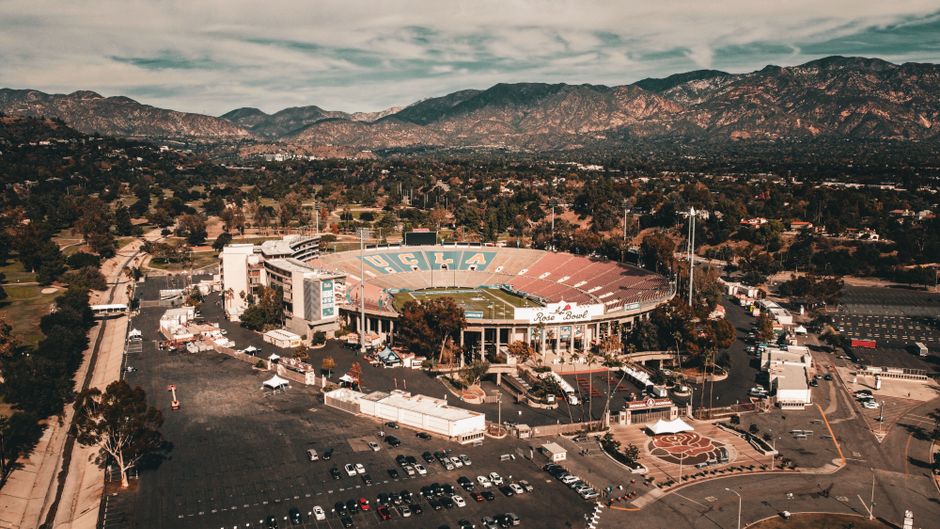
- Arizona and California: Phoenix, Glendale, Pasadena, and San Diego round out the West Coast bowl slate.
If your route runs through the South, it’s worth checking our guide to the best Southern road trip routes for large groups for tips on timing your stops and avoiding congestion around major interchanges. Groups heading toward Florida bowl games may also find our roundup of top group travel spots in Florida useful for building in a fun stop or two along the way.
Step 4: Budget for the Full Trip
A bowl game road trip involves more moving pieces than a typical weekend getaway, so it pays to budget realistically rather than guessing and hoping the numbers work out.
Typical Costs to Plan For
Here’s a breakdown of the major expense categories most groups run into:
- Transportation: Fuel, tolls, and vehicle rental or charter bus fees, which vary based on distance and group size.
- Game tickets: Bowl tickets can range from $50 to $500+ depending on the matchup and seating location.
- Lodging: Hotel rates near bowl host cities often double or triple during game week.
- Food: Both on-the-road meals and game day tailgate supplies.
- Parking: Stadium parking during bowl games can run $20 to $60 per vehicle, though a single charter bus often eliminates this cost for large groups since it consolidates everyone into one parking spot instead of a dozen separate cars.
Splitting costs evenly across a large group, whether it’s a booster club, student organization, or alumni chapter, tends to work best when handled through a shared spreadsheet or a group payment app before the trip, not after. Nobody wants to chase down twelve different Venmo payments in January when the excitement of the trip has worn off.
Step 5: Handle Tickets, Lodging, and Tailgating Logistics
With transportation and budget sorted, the next priority is locking down the pieces that actually get your group into the stadium and settled for the night.
Securing Game Tickets
Bowl tickets are usually sold in two waves: an initial allotment through each participating school’s athletic department, and a secondary market through resale platforms once the matchup is set. School-allocated tickets are almost always cheaper, but they sell out fast and often require season ticket holder priority. If your group misses the school allotment, resale platforms like SeatGeek, StubHub, and Vivid Seats will have inventory, though prices climb the closer you get to kickoff.
Booking Hotels During Bowl Season
Hotels near bowl stadiums fill up within days of the matchup announcement, especially in smaller host cities with limited inventory. A few tips that consistently help:
- Book refundable rates the moment your bowl destination becomes even a strong possibility, then cancel if it doesn’t pan out.
- Look 20 to 30 minutes outside the host city for better rates and more availability.
- Consider booking a block of rooms for larger groups, since many hotels offer group discounts for 10+ rooms.
If your group is coordinating multiple hotel drop-offs and pickups, it helps to plan the logistics ahead of time rather than figuring it out after you arrive. Our charter bus pickup and drop-off guide walks through how to coordinate multiple stops without throwing off your whole schedule.
Tailgate Planning
Bowl game tailgates have their own personality compared to regular season games, partly because so many fans are traveling from out of town and partly because host cities often set up official fan zones near the stadium. Before you go, check whether the bowl committee has a designated tailgate lot, since some stadiums restrict parking lot tailgating to ticketed lots only. Pack a portable grill, folding tables, team flags, and a cooler, but also check local rules on alcohol and open flames, since these vary significantly by city and stadium.
Step 6: Prepare Your Group for Travel Day
Even a well-planned trip can go sideways without basic preparation. A little organization on the front end saves a lot of stress once you’re actually on the road.
Pre-Trip Checklist
Before departure day, confirm the following with your group:
- Final headcount and any last-minute cancellations
- Departure time and pickup location
- Emergency contact information for every traveler
- Weather forecast for both your route and the destination city
- Confirmation numbers for hotels, tickets, and transportation
For a more detailed rundown of what to handle before wheels-up, our charter bus travel checklist before departure covers everything from luggage limits to driver communication.
What to Pack
Bowl games happen in late December and early January, which means weather can range from mild coastal sunshine to freezing wind chill depending on the host city. Pack in layers, bring rain gear regardless of the forecast, and don’t forget:
- Team colors and gear for tailgating and stadium photos
- Portable phone chargers for a long travel day
- Snacks and water for the drive
- Blankets or travel pillows for overnight legs
- Cash for tolls, parking, and vendors that don’t take cards
Step 7: Plan for the Unexpected
Even the most carefully planned bowl trip can run into weather delays, traffic backups, or last-minute schedule changes. Building in contingency plans keeps a hiccup from turning into a disaster.
Weather, Delays, and Traffic
Winter storms are the most common disruptor for bowl travel, particularly for teams heading through mountain passes or northern routes before dropping south. Check road conditions the morning of departure, and have a backup route mapped out in case of highway closures. If you’re traveling by charter bus, most companies monitor weather and traffic in real time and can adjust the route accordingly, which takes a huge mental burden off your group’s shoulders. It’s also worth understanding your options ahead of time in case things don’t go as scheduled; our guide on what happens if your trip runs late explains how delays are typically handled.
Tolls are another detail that catches groups off guard, especially on routes through Texas, Florida, and the Northeast, where toll roads are common and cashless tolling systems can be confusing for out-of-state drivers. If you’re driving personal vehicles or a rental van, it helps to know in advance who’s responsible for covering these costs. Our breakdown of who pays for road tolls clears up how toll costs are typically handled on group trips.
Sample Bowl Game Road Trip Itinerary
Every trip looks a little different depending on distance and destination, but here’s a sample framework for a two-day bowl road trip covering roughly 700 to 900 miles:
- Day 1 Morning: Group departure, quick stop for breakfast and fuel about two hours in.
- Day 1 Afternoon: Lunch stop at the halfway point, ideally somewhere with a local specialty worth trying.
- Day 1 Evening: Arrival at the host city, hotel check-in, dinner as a group.
- Day 2 Morning: Optional sightseeing, pep rally, or fan fest event depending on what the bowl committee has scheduled.
- Day 2 Afternoon: Tailgate setup, stadium arrival, kickoff.
- Day 2 Night: Postgame celebration (or commiseration) before heading home the next morning.
If your group has more time, adding an extra day on either end gives everyone a chance to explore the host city without rushing straight to the stadium and back. Many bowl host cities, especially Orlando, New Orleans, and San Antonio, have plenty to offer beyond the game itself.
Tips for Making It a Fan Experience, Not Just a Trip
The best bowl road trips end up being remembered for more than just the final score. A few small touches can turn a simple drive into a trip your group talks about for years:
- Create a group playlist that includes your school’s fight song and rivalry anthems for the drive.
- Coordinate matching gear or a group photo at a landmark along the route.
- Plan one non-football stop, whether it’s a famous BBQ spot, a scenic overlook, or a quick detour to a landmark near your route.
- Set up a group chat before departure so everyone has real-time updates on schedule changes.
- Assign a trip captain to handle tickets, hotel check-in, and communication with the bus company or drivers.
If your group is also new to long-distance group travel in general, our long-distance charter bus travel tips guide has additional advice on keeping everyone comfortable and entertained over a multi-hour drive.
Frequently Asked Questions About Planning a College Bowl Game Road Trip
How far in advance should I plan a college bowl game road trip?
Start watching bowl projections in November so you have a rough idea of possible destinations, then finalize transportation and lodging within 24 to 48 hours of the official announcement. Waiting even a few days longer can mean higher prices and fewer available hotel rooms or charter bus dates.
What’s the best way to travel for a large group heading to a bowl game?
For groups of ten or more, a charter bus is typically the most cost-effective and least stressful option, since it eliminates the need for multiple drivers, keeps everyone together, and removes the stress of navigating winter weather on unfamiliar highways.
How much does a college bowl game road trip typically cost?
Costs vary widely based on distance and group size, but most fans should budget for transportation, game tickets ($50 to $500+), lodging (which spikes during bowl week), food, and parking. Splitting costs across a group and booking early can significantly reduce the per-person price.
What should I pack for a bowl game road trip in the winter?
Pack in layers since bowl-season weather ranges from mild to freezing depending on the host city, and bring team gear, chargers, snacks, cash for tolls and parking, and rain gear regardless of the forecast.
What happens if bad weather delays our bowl game road trip?
Build in extra buffer time, monitor road conditions the morning of departure, and have a backup route ready. If you’re traveling by charter bus, the company typically monitors conditions and adjusts the route in real time to help your group arrive as close to schedule as possible.
Final Thoughts
Planning a college bowl game road trip takes more coordination than a typical weekend trip, but the payoff is worth it: cheering on your team in person, in a new city, surrounded by the people who care about the season as much as you do. Start tracking your team’s bowl projections early, lock in transportation and lodging the moment the matchup is official, and build in enough buffer time to handle winter weather without stress. Handle the logistics early, and the only thing left to worry about is whether your team can pull off the win.