Are Pets Allowed on Charter Buses? What You Need to Know


If you’re planning a group trip and wondering whether your furry friend can tag along, you’re not alone. Pet owners ask this question constantly when booking group transportation, and the answer isn’t as simple as a flat yes or no. So, are pets allowed on charter buses? The short answer is: it depends on the charter bus company, the type of trip, and the specific policies in place for that vehicle and route.
In this guide, we’ll break down everything you need to know about traveling with pets on a charter bus, including service animal rules, company-specific pet policies, health and safety considerations, and practical tips for making the trip comfortable for everyone on board. Whether you’re booking a bus for a family reunion, a wedding, or a long-distance group trip, this article will help you plan ahead and avoid surprises on travel day.
Are Pets Allowed on Charter Buses? The Short Answer
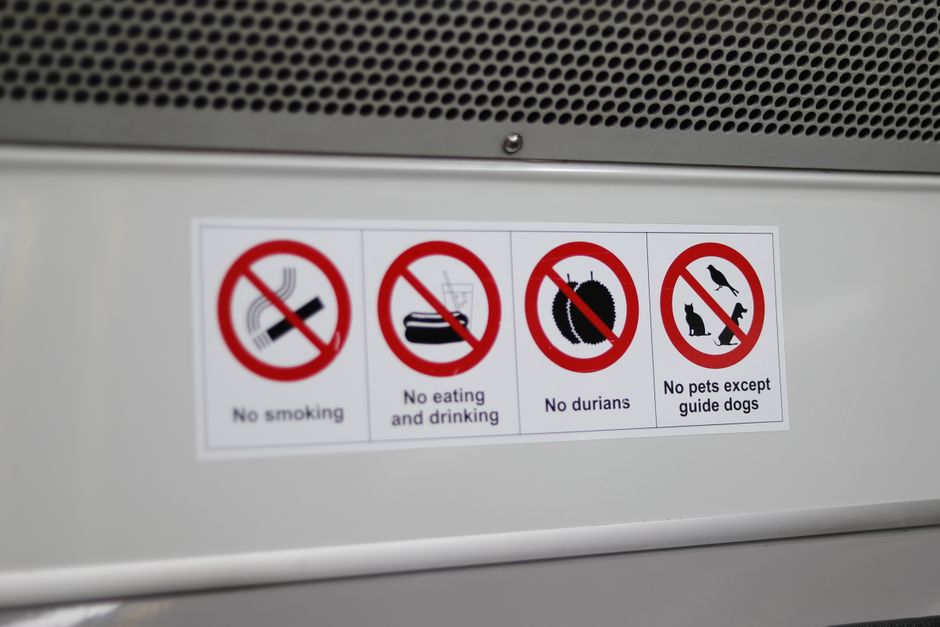
Most charter bus companies do not allow pets on board as a standard policy. However, this isn’t a universal rule enforced by federal law. Instead, it’s typically a decision made by individual charter bus operators based on cleanliness, passenger comfort, liability, and insurance requirements.
That said, there are exceptions. Some companies will allow small pets in carriers for private charters, especially when the entire bus is booked by a single group who has agreed to it in advance. Others may have a strict no-pets policy across all bookings, with the only exception being trained service animals, which are protected under federal law.
The bottom line: never assume pets are welcome. Always confirm the policy directly with the charter bus company before you book, and get it in writing if possible.
Why Pet Policies Vary So Much
Charter bus companies set their own pet policies because they operate as private businesses, not public transit systems. Unlike city buses or trains that fall under specific transit authority regulations, charter buses are booked privately for group travel. This gives operators flexibility, but it also means policies can differ significantly from one company to the next.
Factors that influence a company’s pet policy include:
- Cleanliness standards and turnaround time between charters
- Insurance coverage and liability concerns
- Passenger allergies and comfort
- State and local regulations affecting commercial vehicles
- Whether the trip is a private full-bus charter or a shared/group booking
Service Animals vs. Pets: An Important Distinction
One of the most common points of confusion is the difference between a service animal and a regular pet. This distinction matters a lot when it comes to charter bus travel, because the rules are not the same.
Service Animals Are Legally Protected
Under the Americans with Disabilities Act (ADA), service animals, specifically dogs trained to perform tasks for individuals with disabilities, must be allowed to accompany their handler in public accommodations, including charter buses used for public or semi-public transportation. This means a legitimate service dog cannot be denied boarding simply because a company has a
For related reading, see our guide on Do Charter Buses Have Wi-Fi and Power Outlets? What Riders Should Know.
strict no-pets policy in place. Service dogs are considered working animals rather than pets, and they are trained to remain calm, quiet, and non-disruptive throughout a trip. Reputable charter bus companies understand this distinction and build it into their written policies to stay compliant with federal law.
That said, operators may ask two specific questions permitted under the ADA: whether the animal is a service animal required because of a disability, and what task the animal has been trained to perform. They cannot ask for documentation, proof of certification, or a demonstration of the animal’s task, since the ADA does not require service animals to be certified or registered. If you are traveling with a service animal, it can be helpful to review our ADA accessible charter buses guide to understand what accommodations you’re entitled to and how to communicate your needs to the bus company ahead of time.
Emotional Support Animals Are Treated Differently
Emotional support animals (ESAs) and therapy animals, while incredibly valuable for many people’s mental health and well-being, are not granted the same legal protections as service animals under the ADA. Charter bus companies are generally not required to allow ESAs onboard if their policy excludes pets, since ESAs do not need specialized training to perform a specific task.
This is an important distinction to understand before booking, especially if you’re traveling for a long trip and were hoping to bring along an ESA for comfort. If this applies to you, the best approach is to call the charter company directly, explain your situation, and ask whether any exceptions can be made. Some operators may be flexible on a case-by-case basis, particularly for private full-bus charters where there are no other passengers to consider.
What Is the Typical Policy for Pets on Charter Buses?
In most cases, the default answer to “are pets allowed on charter buses” is no, unless the animal is a legally recognized service animal. This is especially true for shared or public charter services, where multiple passengers with different needs, allergies, and comfort levels are sharing the same enclosed space for hours at a time.
However, private charters booked entirely by one group often have more flexibility. If you are renting the entire bus for a wedding, corporate retreat, family reunion, or road trip, some companies will allow pets onboard if you request it in advance and agree to specific terms. These terms might include:
- Requiring the pet to be crated or leashed at all times
- Charging an additional cleaning fee
- Limiting the number and size of pets allowed
- Requiring proof of vaccination or a health certificate
- Restricting pets to certain areas of the bus
Because this varies so much by provider, it’s essential to ask directly rather than assume. Even companies that generally prohibit pets may make exceptions for well-behaved animals in carriers, especially on shorter trips.
Why Do Charter Bus Companies Restrict Pets?
It might seem inconvenient, but there are legitimate reasons why most charter bus companies limit or prohibit pets on their vehicles. Understanding these reasons can help you see the bigger picture and plan your trip accordingly.
1. Cleanliness and Turnaround Time
Charter buses are often booked back-to-back, sometimes with only a few hours between trips. Pet hair, dander, accidents, or odors can create major cleaning challenges that eat into that turnaround window. A bus that isn’t properly cleaned between charters can lead to complaints from the next group, particularly those with allergies or sensitivities.
2. Passenger Allergies and Sensitivities
Pet allergies are extremely common, and severe reactions can happen even without direct contact with an animal, simply from lingering fur or dander in the upholstery. Since charter buses are enclosed spaces with recirculated air, an allergic reaction can be more intense and harder to escape than it would be in an open outdoor setting.
3. Liability and Insurance Concerns
If a pet were to bite a passenger, cause a fall, or damage bus property, the charter company could be held liable. Many commercial insurance policies for passenger vehicles either exclude coverage for animal-related incidents or require additional riders, which can increase costs for the operator.
4. Safety During Transit
Charter buses don’t have the same tie-down or containment systems that airlines or specialized pet transport services use. An unrestrained animal moving around the aisle during a stop, turn, or sudden brake could pose a safety hazard to both the pet and other passengers. This is one of the same safety-driven considerations discussed in our article on whether charter buses are safe.
Tips for Traveling with a Pet on a Charter Bus
If you’ve confirmed that your charter company allows pets, or you’re planning a private charter where you hope to bring one along, a little preparation goes a long way. Here are some practical tips to make the trip smoother for everyone onboard.
Get the Policy in Writing
Verbal confirmation over the phone is a good start, but ask for the pet policy in writing, whether through email or in your contract. This protects you from confusion or disputes on the day of travel and gives you something to reference if the driver or staff are unaware of the arrangement.
Use a Secure Carrier or Harness
Even if your pet is well-behaved, a secure carrier or harness helps prevent accidents caused by sudden stops, sharp turns, or a startled reaction to unfamiliar noises. Many companies that do allow pets require this as a condition of boarding.
Pack Pet Essentials Separately
Bring a small travel bag with food, water, a collapsible bowl, waste bags, and any medications your pet may need. Just like with the packing tips in our complete packing guide for charter buses, having everything organized and easy to access will reduce stress during the trip.
Plan for Rest Stops
Long charter trips typically include scheduled stops, but it’s worth confirming ahead of time whether the driver can accommodate short breaks for your pet to relieve itself and stretch. Coordinating this in advance avoids awkward mid-trip requests.
Be Considerate of Other Passengers
Even if pets are technically allowed, not everyone onboard may be comfortable around animals. Keep your pet contained, minimize noise, and be mindful of shedding or odors. A little courtesy helps preserve the pet-friendly option for future travelers too.
What If Pets Aren’t Allowed on Your Charter Bus?
If your chosen charter company has a strict no-pets policy and your trip absolutely requires bringing your animal along, you still have a few options.
- Look for a pet-friendly charter provider. Not all companies have the same restrictions, so it’s worth calling around and comparing policies, especially if you’re planning a private charter.
- Consider a pet transport service. Specialized ground transport companies exist specifically for moving pets safely, and they may be a better fit for long distances than a passenger charter bus.
- Arrange pet boarding or a sitter. For shorter trips, boarding facilities or a trusted pet sitter can be a stress-free alternative, especially if your pet isn’t used to long rides.
- Ask about a smaller vehicle rental. If your group is flexible on vehicle type, a smaller shuttle or van rental may come with different, more lenient pet policies than a full-size charter bus.
Whatever you decide, it’s best to sort this out early in the planning process. Waiting until the last minute to ask about pet policies can leave you scrambling for alternatives right before your trip.
How to Ask a Charter Bus Company About Their Pet Policy
When you reach out to a charter bus company, don’t just ask a yes-or-no question. Get specific so you fully understand what to expect. Consider asking:
- Is this policy the same for private charters as it is for shared bookings?
- Are there size or breed restrictions for pets that are allowed?
- Is there an additional cleaning fee, and how much is it?
- Does the policy differ for service animals versus emotional support animals?
- What happens if another passenger has a documented allergy?
- Are there designated areas on the bus where pets must stay?
Getting clear answers to these questions upfront, similar to the due-diligence steps outlined in our guide on how to choose the right charter bus company, will help you avoid unpleasant surprises on travel day and ensure your pet’s needs are actually accounted for in the booking.
Frequently Asked Questions
Can I bring my dog on a charter bus if it’s small and stays in a carrier?
It depends on the company. Some charter providers allow small pets in secure carriers on private charters, but many still prohibit all non-service animals regardless of size. Always confirm directly with the operator before assuming this is allowed.
Do I have to pay extra to bring a pet on a charter bus?
If a company does allow pets, it’s common for them to charge an additional cleaning or pet fee. This fee covers the extra time and effort required to sanitize the bus for the next group. Ask about this cost upfront so it doesn’t come as a surprise on your invoice.
Are service dogs allowed on all charter buses?
Yes, legitimate service animals must generally be permitted under the ADA, even on charter buses with a stated no-pets policy. The company may ask limited questions about the animal’s role but cannot deny boarding solely because the passenger has a disability-related service dog.
What happens if my pet has an accident on the bus?
Most companies that allow pets will require the passenger to cover cleaning costs for any accidents, damage, or excessive shedding. This is often outlined in the rental contract, so review the terms carefully before your trip.
Can emotional support animals travel on charter buses?
Not always. Emotional support animals don’t have the same legal protections as service animals, so charter companies can choose to exclude them under a general no-pets policy. It’s worth asking directly whether exceptions can be made, particularly for private charters.
Final Thoughts
So, are pets allowed on charter buses? The honest answer is that it depends on the company, the type of booking, and whether the animal in question is a legally protected service animal. While most charter bus operators maintain a general no-pets policy due to cleanliness, liability, and passenger comfort concerns, service animals are typically permitted under federal law, and some private charters may allow pets under specific conditions.
The best way to avoid confusion is to ask questions early, get the policy in writing, and plan accordingly whether that means preparing your pet for the ride or arranging alternative care. With a little research and clear communication, you can make sure your trip goes smoothly for you, your fellow passengers, and your furry companion.