Charter Bus Etiquette Every Passenger Should Know


Charter bus etiquette isn’t about being fussy or overly formal. It’s about making sure a group of strangers, coworkers, or classmates can share a confined space for hours without stepping on each other’s nerves. Whether you’re heading to a wedding, a sports tournament, or a corporate retreat, good charter bus etiquette keeps the ride comfortable for everyone, including the driver.
In this guide, you’ll learn the unwritten (and written) rules that separate a smooth, pleasant trip from an awkward or tense one. We’ll cover boarding manners, seating norms, noise levels, food and device use, how to treat the driver, and what to do during stops and emergencies. By the end, you’ll know exactly how to be the passenger everyone is glad to travel with.
Why Charter Bus Etiquette Matters
A charter bus is a shared space for the duration of the trip, sometimes for just a couple of hours, sometimes for an entire day or overnight journey. Unlike a car ride with people you already know well, a bus trip often mixes personalities, habits, and comfort levels. As a result, small annoyances can snowball if nobody follows basic etiquette.
Good manners on a charter bus aren’t just polite, they’re practical. They reduce conflict, help the driver focus on the road, and make the group feel more like a team than a collection of individuals stuck together. In addition, following etiquette helps avoid the kind of disruptive behavior that could get someone removed from a trip or cause delays for the whole group.
If you want the technical side of what’s allowed and prohibited, our guide to charter bus rules every passenger should know covers the formal policies. This article focuses on the social side, the everyday courtesies that keep a trip pleasant even when the rules don’t spell them out.
Charter Bus Etiquette Before You Even Board
Arrive Early, Not Just On Time
Charter buses typically run on a schedule set by the trip organizer, and late arrivals hold up everyone else. Aim to arrive at the pickup location at least 10 to 15 minutes before departure. This buffer gives you time to find your luggage spot, use the restroom, and settle in without rushing.
If you know you’re running late, contact the trip leader or driver immediately rather than assuming the bus will wait. Charter bus etiquette starts before you ever set foot on the vehicle, and punctuality is the clearest way to show respect for your fellow travelers.
Know Your Luggage Limits
Every charter bus has a limited amount of storage space underneath and in overhead racks. Before the trip, check with the organizer about how many bags you’re allowed and whether there are size restrictions. Overpacking not only crowds the storage bay, it can slow down the loading process for everyone behind you.
If you’re unsure what to bring, our charter bus packing list for group travel breaks down exactly what’s worth bringing and what to leave at home.
Confirm Assigned Seating Ahead of Time
Many group trips use assigned seating charts, especially for weddings, school trips, or corporate events. If your organizer has sent a seating plan, review it before boarding so you’re not the person holding up the line while scanning for your name.
Boarding Etiquette: First Impressions on the Bus
Have Your Ticket, Pass, or Name Ready
If the trip requires check-in, boarding passes, or a headcount, have whatever you need ready before you approach the door. Fumbling through a bag while ten people wait behind you is a small thing, but it adds up over a long boarding process.
Load and Unload Luggage Efficiently
When storing bags underneath the bus, place them where the driver or staff directs you, and don’t linger to rearrange your carry-on while others are trying to load theirs. If you need something during the ride, keep it in a small personal bag you carry onto the bus rather than digging through the cargo hold later.
Greet the Driver
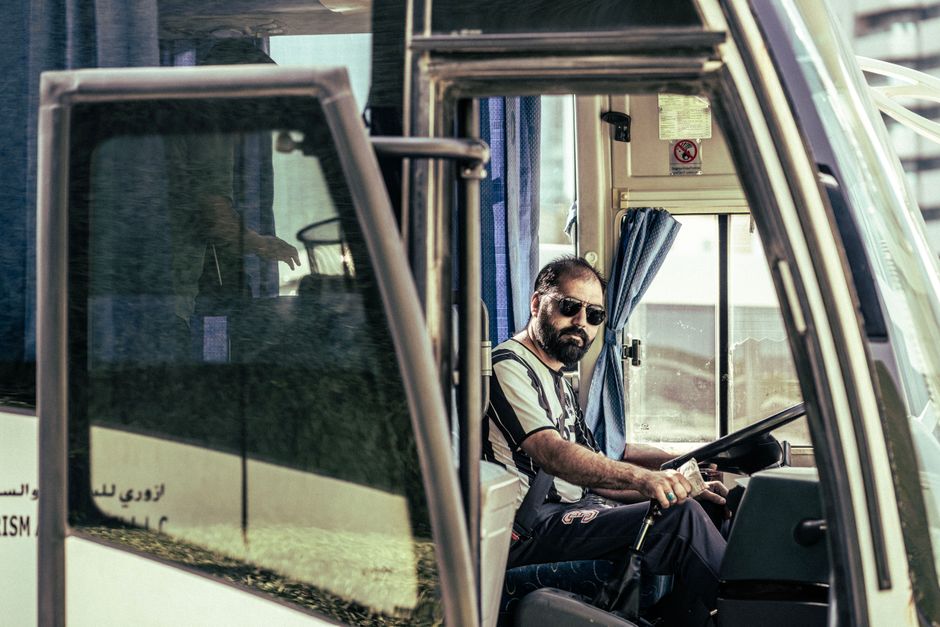
A simple hello when you board sets a friendly tone for the trip. Drivers deal with dozens of passengers on busy travel days, and a bit of warmth from riders makes the job noticeably better. It also signals that you’re a considerate passenger from the start, which matters if you ever need a favor, like an extra stop or help with a bag.
Seating Etiquette on a Charter Bus
Respect Assigned or First-Come Seating
If seats are assigned, sit where you’re told, even if you’d prefer a different spot. If seating is open, avoid saving multiple seats for people who aren’t there yet, especially on a full bus. Spreading out your belongings across empty seats to claim extra space is one of the fastest ways to frustrate other passengers.
Groups planning a large trip often benefit from thinking through seating in advance. Our guide to charter bus seating charts for large groups offers a smart framework for organizing seats before the trip even starts, which cuts down on on-the-spot disputes.
Recline Thoughtfully
Reclining seats are common on charter buses, but that doesn’t mean you should throw your seat back without warning. Glance behind you first, and ease the seat back slowly rather than dropping it suddenly onto the knees or laptop of the person behind you.
Mind the Armrest and Shared Space
On buses with two-seat rows, the armrest and legroom are shared territory. If you’re sitting next to a stranger, keep your belongings on your side and avoid sprawling into their space. A little spatial awareness goes a long way toward keeping the peace on a long ride.
Window or Aisle: Communicate, Don’t Assume
If you’re traveling with a friend or family member and want a specific seat, just ask. Assuming you’ll get the window seat every time, or switching seats without mentioning it to your row partner, can create unnecessary friction.
Noise and Personal Space Etiquette
Keep Conversations at a Reasonable Volume
It’s natural to chat with your seatmate or the group around you, but voices carry more than people expect in an enclosed bus. Keep conversations at a volume that doesn’t reach three rows away, especially during early morning or late-night trips when others may be trying to rest.
Use Headphones for Music, Videos, and Calls
Nothing disrupts a peaceful ride faster than someone playing music or a video out loud from their phone. Always use headphones for personal audio, and if you need to take a phone call, keep it brief and speak quietly, or move toward the front near the driver if the bus allows it and it’s safe to do so.
Respect Quiet Hours on Overnight or Early Trips
On overnight charters or early morning departures, many passengers try to sleep. If your trip involves late-night or pre-dawn travel, dim your phone screen, avoid overhead lights when possible, and keep movement in the aisle to a minimum once things settle down.
Be Mindful of Strong Scents
Perfume, cologne, food odors, and even strong snacks can bother people in an enclosed space for hours. It’s considerate to go light on fragrance and to choose snacks that aren’t overwhelmingly pungent, especially on a full bus with the windows sealed.
Eating and Drinking Etiquette
Food and drink policies vary by charter company and trip type, so it’s worth checking the rules in advance. Generally, light snacks and sealed beverages are fine, but full meals, alcohol, and messy foods may be restricted or require extra caution.
Clean Up After Yourself
Bring a small trash bag or use the one provided, and don’t leave wrappers, crumbs, or empty cups on the seat or floor. The bus has to be cleaned and prepped for the next group, and a messy cabin reflects poorly on everyone who rode that day.
Avoid Foods with Strong Smells
Fast food, seafood, or anything with a pungent aroma can linger in an enclosed cabin far longer than on an open patio. Save the stronger-smelling meals for a rest stop instead of eating them mid-ride.
Know the Alcohol Policy
Some charters, particularly for bachelor or bachelorette parties and wine tours, allow alcohol, while others strictly prohibit it. Never assume; always confirm with the trip organizer or charter company beforehand. For a full breakdown of what’s typically allowed, see our guide on eating and drinking rules on a charter bus.
Electronics, Wi-Fi, and Charging Etiquette
Many modern charter buses come equipped with Wi-Fi and power outlets, but availability isn’t universal, and bandwidth is shared among everyone on board. If you’re streaming video or downloading large files, be aware that heavy usage can slow the connection for the rest of the group.
Share Power Outlets Fairly
Outlets are often limited, especially on older buses. If you finish charging, unplug and free up the outlet for someone else rather than leaving your device plugged in for the entire ride out of habit. Our article on Wi-Fi and power outlets on charter buses explains what to expect and how to plan around limited access.
Keep Screens Dimmed at Night
A bright phone or tablet screen in a dark, quiet bus can be surprisingly disruptive to people trying to sleep nearby. Lower your brightness and consider night mode settings during evening travel.
Restroom Etiquette
Not every charter bus has an onboard restroom, so it helps to know before you board. If your bus does have one, use it efficiently and be mindful that others may be waiting, especially during longer stretches between rest stops.
Keep It Quick and Considerate
Avoid using the onboard restroom for anything beyond quick necessities, and never treat it as a place to change clothes or linger unnecessarily. If the restroom requires special disposal instructions, such as no wipes or paper towels, follow them to prevent clogs that could take the restroom out of service for the rest of the trip.
For a full explanation of onboard restroom availability and limitations, check out our guide to whether charter buses have bathrooms.
Temperature and Comfort Etiquette
Charter buses have climate control, but comfort preferences vary widely from person to person. Rather than adjusting a shared thermostat or vent yourself, ask the driver if you’re too warm or too cold. Drivers usually manage the temperature for the whole cabin and can make adjustments that work better for the group as a whole.
If you tend to run cold or hot, dress in layers so you can adapt without needing to change the temperature for everyone else. Our charter bus air conditioning and heating guide explains how climate systems typically work and what riders can expect in different seasons.
How to Treat the Charter Bus Driver
Respect the Driver’s Focus and Authority
The driver is responsible for the safety of everyone on board, and that means their instructions take priority, even if they seem overly cautious. Avoid distracting the driver with unnecessary conversation while the bus is in motion, and never block the aisle near the driver’s seat.
Follow Instructions Without Pushback
If the driver asks passengers to stay seated, quiet down, or move luggage, comply promptly. These requests are almost always related to safety or logistics, not personal preference.
Tipping the Driver
Tipping isn’t always mandatory, but it’s a meaningful gesture of appreciation, especially on multi-day trips or when the driver goes above and beyond. If you’re unsure how much is appropriate, our charter bus driver tipping guide walks through standard amounts based on trip length and group size.
Etiquette at Rest Stops and Breaks
Stick to the Schedule
Drivers usually announce how long a rest stop will last. Set an alarm if needed, and be back at the bus a few minutes early rather than right at the deadline. One late passenger delays the entire group and can throw off the rest of the day’s itinerary.
Do a Headcount Before Departing
Trip organizers should confirm everyone is back on board before giving the driver the go-ahead to leave. If you notice someone missing, speak up before the bus pulls out.
Keep the Group Together
At larger rest stops, especially at unfamiliar highway plazas, it’s easy for someone to wander off or lose track of time. Staying within sight of your group, or agreeing on a specific meeting point and time, prevents unnecessary delays.
Etiquette for Different Types of Charter Bus Trips
Weddings and Celebrations
Wedding shuttles often carry guests in formal attire, sometimes with alcohol involved. Extra care with spills, noise levels, and respecting other guests’ space matters even more here, since everyone is dressed up and the mood is festive but still needs to stay orderly. Our charter bus for wedding checklist covers planning details that reduce day-of stress for the whole bridal party.
School and Youth Group Trips
When chaperones are present, follow their instructions the same way you would follow the driver’s. Younger passengers should be reminded ahead of time about noise levels, staying seated, and not distracting the driver, since these trips often involve stricter behavioral expectations.
Corporate and Conference Travel
Business trips call for a slightly more subdued tone. Keep phone calls professional and brief, avoid dominating shared workspace like foldout tables, and be mindful that colleagues may want quiet time to prepare for meetings or catch up on rest.
Sports Teams and Tournaments
Team trips tend to be loud and high-energy, which is part of the fun, but it’s still worth balancing excitement with consideration for the driver and any chaperones on board. Save the loudest celebrations for after the game rather than during a quiet stretch of highway.
Emergency and Safety Etiquette
Good etiquette also applies during unexpected situations, like a breakdown, medical issue, or severe weather delay. Staying calm, following the driver’s instructions, and avoiding panic helps everyone get through the situation more smoothly.
Know Where the Exits and Safety Equipment Are
Take a moment when you board to notice the emergency exits, fire extinguisher, and first aid kit locations. You likely won’t need them, but knowing where they are removes confusion if something does happen.
Follow the Driver’s Lead in a Crisis
If there’s ever an emergency, listen carefully to the driver’s instructions rather than relying on guesswork or panic. Our charter bus emergency procedures guide covers exactly what to expect and how passengers should respond in various emergency scenarios.
Disembarking Etiquette
Wait Your Turn
Resist the urge to jump into the aisle the moment the bus stops. Let the rows ahead of you exit first, especially if luggage needs to be pulled from overhead racks.
Check for Your Belongings
Before leaving, glance at your seat, the seatback pocket, and the floor around you for phones, chargers, or personal items. Lost items on charter buses are extremely common, and retrieving them after the bus has left for its next trip can be difficult or impossible.
Thank the Driver
A quick thank-you as you exit costs nothing and means a lot. Drivers remember considerate passengers, and a polite goodbye is a fitting close to a smooth trip.
Common Charter Bus Etiquette Mistakes to Avoid
- Hogging shared armrests or reclining aggressively without warning
- Playing music or videos without headphones
- Leaving trash, crumbs, or spills behind at your seat
- Ignoring the driver’s instructions or distracting them while driving
- Wandering off at rest stops and returning late
- Saving multiple seats on a crowded bus
- Assuming alcohol or full meals are allowed without checking first
- Forgetting to unplug devices and freeing up shared power outlets
Frequently Asked Questions About Charter Bus Etiquette
Is it rude to recline my seat on a charter bus?
It’s not rude to recline, but it is polite to check behind you first and ease the seat back slowly rather than dropping it suddenly. Being mindful of the person behind you, especially if they have a laptop open or drinks on their tray, is a core part of good charter bus etiquette.
Can I eat on a charter bus?
In most cases, yes, light snacks and sealed drinks are generally allowed, though full meals and alcohol depend on the specific charter’s policy. Always clean up after yourself and avoid strong-smelling foods that could bother other passengers.
Should I tip the charter bus driver?
Tipping isn’t required but is customary and appreciated, particularly for multi-day trips or exceptional service. A common guideline is a set dollar amount per day of service, which you can review in more detail in our driver tipping guide.
What should I do if I need to use the restroom during the trip?
Check whether your specific bus has an onboard restroom before departure. If it does, use it quickly and follow any posted instructions about what can and cannot be flushed or disposed of inside it.
How early should I arrive for boarding?
Plan to arrive at least 10 to 15 minutes before the scheduled departure time. This allows time to load luggage, find your seat, and settle in without holding up the rest of the group.
Final Thoughts on Charter Bus Etiquette
Charter bus etiquette really comes down to one idea: everyone on board is sharing the same limited space for the same amount of time, so a little consideration goes a long way. Small habits, like using headphones, cleaning up your seat, following the driver’s instructions, and being back on time at rest stops, make the difference between a trip people remember fondly and one they’re eager to forget.
Whether you’re a first-time rider or a frequent group traveler, keeping these habits in mind will make you the kind of passenger drivers and fellow travelers genuinely appreciate. Good etiquette costs nothing, but it improves the experience for everyone on the bus, including you.