How to Share Live Transportation Updates With Event Attendees

Ask attendees what they disliked about an event’s shuttles and you will rarely hear “the bus was ten minutes late.” What you will hear is “nobody told us anything.” Delays are forgivable. Silence is not. A guest standing at a stop with no idea whether the next bus is two minutes or forty minutes away feels stranded, even when the operation behind the scenes is working hard to fix the problem.
Sharing live transportation updates with event attendees closes that gap. It turns a frustrating wait into a known wait, and it gives people the information they need to make their own choices, whether that is grabbing a coffee, walking to a different stop, or calling a ride. This guide covers how to set up the information flow, choose channels, write messages that actually help, and keep updates flowing during the moments that matter most.
Start With the Four Questions Every Rider Has
Before choosing apps or writing templates, it helps to know what people actually want to know. Almost every shuttle-related question at an event boils down to one of four things.
- “Is it running?” Is the service operating right now, and until when?
- “Where do I get on?” Which stop, which side of the building, which color route?
- “When is the next one?” How long will I wait?
- “Has anything changed?” Is there a delay, a detour, a moved stop, or an earlier last departure?
Every update you send should answer at least one of those questions clearly. If a message does not, it is probably noise. Keeping these four questions in front of your communications team is the simplest way to keep updates useful.
Build One Source of Truth
The most common communication breakdown at events is contradiction. The app says buses run every 15 minutes, the sign says every 20, a volunteer says the last bus left, and the hotel desk has a printout from last week. Attendees lose trust fast when sources disagree.
The fix is to create a single, authoritative status location and make every other channel point back to it. In practice, that is usually a simple mobile-friendly web page or a section of your event app that shows:
- Service status (normal, delayed, paused, ended) with a timestamp
- Routes and stops, ideally with a small map
- Current frequency and the last departure time for each route
- Any active changes, like a moved stop or detour
- A help contact for accessibility needs or lost riders
Then use QR codes on signs, links in texts, and announcements from the stage to send people there. When something changes, update the status page first, then push the change outward. That order prevents your alerts from pointing to outdated information.
Pick the Right Channels for Your Audience
No single channel reaches everyone. Some guests turn off app notifications, some do not check email during events, and some will not look at their phones at all. A good plan layers several channels so each message reaches most people through at least one path.
| Channel | Speed | Reach | Best used for | Watch out for |
|---|---|---|---|---|
| SMS text alerts | Very fast | High, if opted in | Delays, moved stops, last-call warnings | Needs consent and phone numbers collected early; keep messages short |
| Event app push notification | Fast | Medium; depends on downloads and settings | Routine status, schedule changes | Many attendees never install the app or mute alerts |
| Status web page | Instant once updated | High, when linked everywhere | Full details, maps, timetables | Must be updated before alerts go out |
| Slow | High before the event, low during | Pre-event logistics, next-day changes | Not reliable for same-hour changes | |
| Digital screens at venue or hotels | Fast if centrally managed | Local to those locations | Next-departure info near lobbies and exits | Requires coordination with venue AV or hotel staff |
| PA and stage announcements | Immediate | Everyone in earshot | End-of-day departures, major disruptions | Hard to hear outdoors; repeat key details |
| Printed and portable signs | Slow to change | Everyone at the stop | Stop names, routes, rain locations | Keep blank and pre-printed change signs ready |
| Staff and volunteers | Fast via radio | Anyone who asks | Personal help, accessibility, lost riders | Must get the same updates as public channels |
| Social media posts | Fast | Followers only | Big changes, public-facing events | Comments can spread misinformation; monitor them |
Mobile phones are nearly universal among adults in the U.S., according to the Pew Research Center’s mobile fact sheet, which is why text and mobile web are the backbone of most event transportation updates. Still, the gap that remains, along with dead batteries and spotty signal at outdoor venues, is why signs and staff stay on the list.
Collect phone numbers the right way
The best moment to sign people up for transportation texts is during registration or RSVP, with a clear checkbox that explains what they will receive. Avoid adding attendees to text lists without permission. Rules around automated messaging and consent can be strict, so confirm requirements with your SMS provider or legal counsel before launch. If you are managing a recurring program, our guide on creating a shuttle signup and reservation system shows how to gather contact details alongside ride preferences.
Wire the Information Flow Before Event Day
Great messages fail if they arrive too late. The real work is building a short, reliable path from the people who see the problem to the people who tell attendees about it.
A practical flow for most events looks like this:
- Drivers and stop marshals report conditions (crowds, delays, blocked stops) by radio.
- The dispatcher or transportation lead confirms what is happening and decides the operational response.
- The communications lead receives the decision, updates the status page, and sends the matching pre-written message.
- Stop staff and help desks receive the same message so they can repeat it to riders in person.
Two rules keep this flow clean. First, only the communications lead sends public updates, so you do not end up with three slightly different messages from three different people. Second, the communications lead does not guess; they wait for confirmation from dispatch before announcing a change. Speed matters, but accuracy matters more.
Your charter provider is part of this chain. Ask before the event how their dispatch will notify you of delays, breakdowns, or traffic issues, and agree on a single contact number. Our guides on charter bus delays and what happens if a charter bus breaks down explain what that process usually looks like.
Write Messages That People Can Act On
Transportation alerts are read in a hurry, often while walking, often in noise, sometimes in rain. Short, specific, and actionable beats friendly and vague every time. Keep these rules in mind:
- Lead with what changed. “Delay,” “Stop moved,” “Service paused,” or “Last bus” should be the first words.
- Name places the way guests know them. “Main Entrance on Elm Street,” not “Gate C-3.”
- Give a time, not an adjective. “About 20 minutes” is useful. “Slight delay” is not.
- Say what to do. “Please wait at the Hotel Lobby stop” or “Walk 3 minutes to the North Lot stop.”
- Promise the next update. “Next update by 5:15 p.m.” calms people more than almost anything else.
- Timestamp the status page. Guests trust “Updated 4:52 p.m.” more than an undated note.
- Keep texts under about 160 characters where possible, and put the link at the end.
Ready-to-Use Message Templates
Pre-approved templates save precious minutes when something goes wrong. Fill in the brackets during planning, store them where your communications lead can copy them instantly, and adapt the wording to your brand voice.
Service start
“Shuttles are now running from [Hotel/Lot] to [Venue] every [10–15] minutes until [time]. Stop details and map: [link]”
Minor delay
“Delay: Shuttles on the [Blue] route are running about [15] minutes behind due to traffic. Buses are on the way. Next update by [time].”
Major disruption
“Service update: [Route] is temporarily paused due to [road closure/vehicle issue]. Please use the [Green] route from [stop] or wait for an update by [time]. Help desk: [number].”
Stop relocation
“Stop moved: The [Hotel] pickup is now at the [side entrance on Oak St.] for the rest of today. Look for staff in yellow vests.”
Weather pause
“Weather pause: Please wait inside [building]. Boarding will resume when it is safe. Next update in [15] minutes.”
Last departure warning
“Reminder: The last shuttle from [Venue] to [Hotels] leaves at [time] from [stop]. Please head to the stop by [time minus 10].”
Back to normal
“Resolved: Shuttles are back on the regular schedule, every [10–15] minutes. Thank you for your patience.”
End of service
“Shuttle service has ended for today. Tomorrow’s service starts at [time] from [stops]. Details: [link]”
If your audience includes many people traveling from out of town or attending for the first time, a short “how the shuttle works” note sent the night before reduces questions on event day. Our article on what transportation details to put on your event website has wording ideas you can borrow for any event type.
Send the Right Messages Before Day One
Live updates work best when attendees already understand the basic service. If the first message someone receives is a delay alert, they have no baseline to compare it against. A short pre-event sequence fixes that.
One to two weeks before
Include a transportation section in the main event confirmation: routes, stops, service hours, the status page link, and how to opt in to text alerts. Mention that stops may change for weather or traffic, so a later change does not feel like a surprise.
The day before
Send a brief “how the shuttle works” note. Keep it to five lines: where to board, how often buses run, the first and last departure, what the buses or signs look like, and where updates will appear. If your provider uses route colors, bus numbers, or window placards, mention them here. Attendees who know to look for “Blue Route” signage find the right bus faster.
The morning of
Confirm service has started with a single message. That first text also tests that your list, your links, and your sending tool all work before anything goes wrong.
These pre-event messages also lower the number of questions your help desk fields during peak hours, which frees staff to handle the riders who truly need assistance. For broader guidance on what passengers should know before they board, our tips for first-time charter bus passengers cover the basics that many event attendees have never experienced.
Set a Clear Update Rhythm
During a disruption, a predictable rhythm is more valuable than perfect information. A useful default looks like this:
- Normal operations: a start-of-service message, a midday reminder if relevant, and a last-departure warning.
- Minor delays: one alert when the delay begins and one when it ends.
- Major disruptions: an alert at the start, then an update every 15 minutes, even if the update is “no change yet, buses are on the way.”
- End of day: warnings 30 minutes and 10 minutes before the last departure from each stop.
Resist the urge to over-send during normal operations. If attendees receive a text every half hour saying everything is fine, they will start ignoring texts, and they will miss the one that matters.
Should You Share Live GPS Tracking?
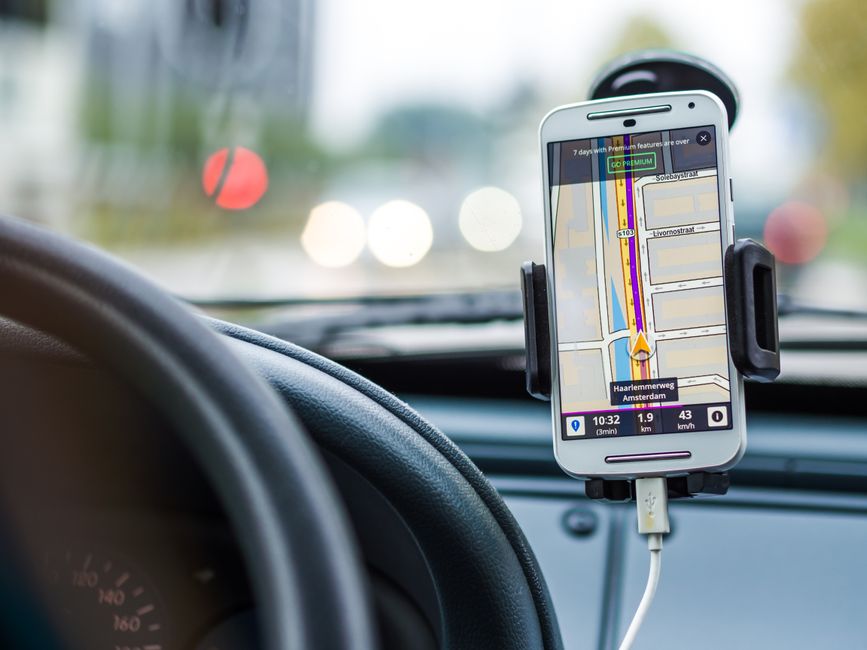
Live vehicle tracking, where attendees open a link and see buses moving on a map, can be a powerful tool. It answers the “when is the next one?” question without staff involvement and reduces anxious calls to the help desk. Some event shuttle platforms even send riders an SMS link to watch their bus approach.
It is not right for every event, though. Consider these trade-offs:
| Benefits of public tracking | Things to consider |
|---|---|
| Riders can time their walk to the stop | Map pins can confuse riders if buses deadhead, stage, or take a different route |
| Fewer “where’s the bus?” calls | VIP, executive, or security-sensitive events may not want vehicle locations public |
| Builds trust during delays | Requires reliable GPS units and a simple, mobile-friendly display |
| Creates useful data for your post-event review | Should still be paired with status messages that explain why a bus is stopped |
If you are thinking about tracking, start by asking your provider what their fleet already supports. Our articles on whether charter buses have GPS tracking and how to track your charter bus explain what is commonly available and what to request. A middle-ground option is to keep tracking private for your team and publish a “next departure” estimate on the status page instead.
Make Updates Accessible to Everyone
Live updates only help the people who can receive and understand them. A few considerations go a long way:
- Plain language. Avoid internal jargon like “deadhead,” “layover,” or “headway” in public messages.
- Multiple languages when your audience calls for it, especially for international conventions or community events.
- Accessible status pages with readable contrast, scalable text, and screen-reader-friendly structure. The W3C’s Web Content Accessibility Guidelines are the standard reference.
- Visual and audio together. Pair PA announcements with screens or signs so guests who are deaf or hard of hearing get the same information.
- An accessibility contact listed in every major message, so riders who need lift-equipped vehicles or extra boarding time can reach someone directly. See what to expect from ADA-accessible charter buses for planning details.
- No-phone options. Some attendees, including many older guests and children on school trips, will rely entirely on signs and staff.
Train Your Front-Line Staff to Be a Channel
Your stop marshals, volunteers, and help-desk staff are often the most trusted source of information at an event, because they are human and right there. Treat them as a communication channel, not an afterthought.
- Give them a one-page cheat sheet with routes, stops, frequencies, last departures, and the status page link.
- Add them to the same internal message thread where public updates are posted, so they never learn about a change from an attendee.
- Teach them a simple script: acknowledge, inform, direct. “I know the wait is longer than expected. The next bus is about 10 minutes out. You are in the right spot.”
- Make sure they know who to radio when they see something the dispatcher should know, like a growing crowd or a blocked stop.
Rehearse Before the Doors Open
A short rehearsal on the day before or the morning of the event catches problems while there is still time to fix them. Run through this checklist:
- Send a test text and app push to your team’s phones and confirm links open correctly.
- Update the status page from the device your communications lead will use on site.
- Scan every QR code on every sign.
- Confirm radio channels and the dispatch phone number.
- Walk through one disruption scenario out loud: who notices, who decides, who sends, who tells the stop staff.
It takes about 20 minutes and prevents most of the communication failures that frustrate attendees.
Different Events, Different Update Priorities
Conventions and trade shows
Multi-hotel loops with peak and off-peak frequencies need clear, route-by-route updates. Riders care most about morning arrival reliability and evening last departures. Our convention shuttle bus rental page and trade show transportation guide cover typical route designs.
Sports tournaments
Game times shift, and teams need to know immediately. Updates should be targeted to coaches and team managers, not broadcast to everyone. See how to handle tournament transportation when game times change.
Weddings and private celebrations
Guests usually ride at a few set times, so updates focus on departure reminders and last-call warnings. A friendly tone works well here, but clarity still comes first.
Festivals and large public events
Volume is high and many attendees will not have opted in to texts, so signs, screens, PA announcements, and staff carry more of the load. The concert and festival transportation page outlines vehicle options for those loops.
Corporate and campus programs
Employees and students often already have a messaging channel, such as Slack, Teams, or a campus app, that works better than a new tool. Our article on communicating employee shuttle route changes covers that approach.
Use the Message Log After the Event
Every alert you send becomes data. After the event, export your sent messages with timestamps and compare them to dispatch notes and GPS records. You will quickly see:
- How long it took from a problem appearing to an attendee being told
- Which disruptions repeated (the same stop, the same time of day)
- Which channels drove the most clicks to your status page
- Where messages contradicted each other or arrived too late
Those findings belong in your post-event transportation review and should shape your next booking conversation with your charter provider.
Frequently Asked Questions
What is the best way to send shuttle updates to event attendees?
For most events, SMS text alerts combined with a single mobile status page work best, backed up by signs, PA announcements, and trained staff for attendees who are not on their phones.
How often should I send transportation updates during a delay?
Send one alert when a significant delay starts, then follow up at a regular interval, such as every 15 minutes, until it is resolved. Always tell people when the next update will come.
Do attendees need an app to get live shuttle updates?
No. A mobile-friendly web page and text alerts reach far more people than a dedicated app. Use an app if your event already has one with strong adoption.
Should I show live bus locations to attendees?
It can reduce wait anxiety and help-desk calls, but it is not ideal for every event. Security-sensitive programs, or loops where buses stage out of view, may be better served by “next departure” estimates instead of a live map.
Who should be responsible for sending updates?
Assign one communications lead who receives confirmed information from dispatch and is the only person sending public messages. That keeps updates consistent and accurate.
Plan Your Communications When You Plan Your Buses
The best time to design your update plan is the same time you book your transportation, because the questions overlap: how many routes, which stops, what frequency, what happens when things change. When those answers are written down early, your messages almost write themselves.
Charter Buses USA can help you plan routes, stops, and fleet sizes for events of every size, and talk through how our dispatch team will keep you informed on event day. Request a free quote or browse our group transportation services to get started.