
Who Pays for Parking Fees? A Complete Guide for Renters, Riders, and Organizers

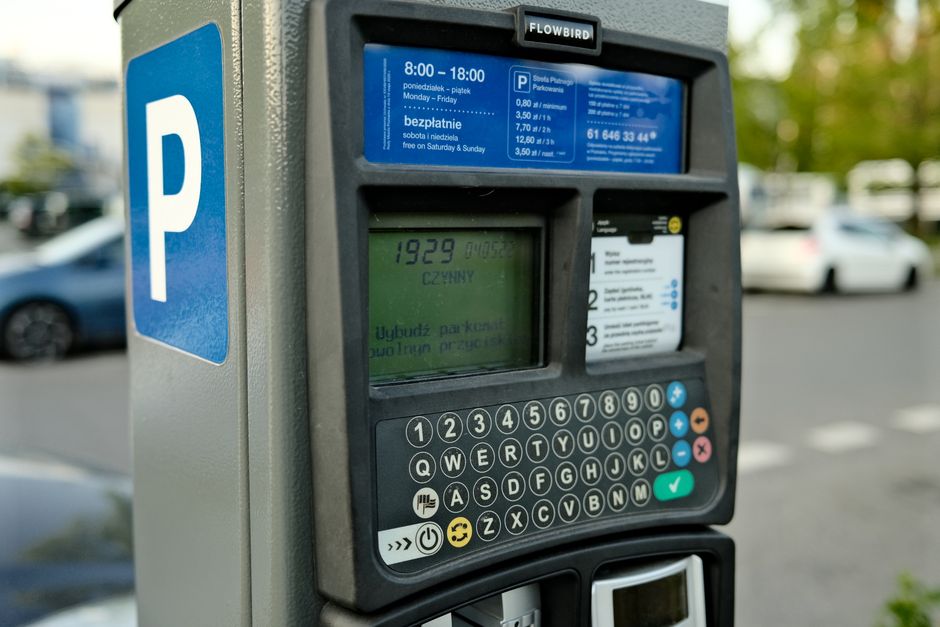
If you’ve ever booked a charter bus, rented a car, organized a corporate shuttle, or simply parked downtown for a meeting, you’ve probably asked yourself: who pays for parking fees? It’s a question that seems simple on the surface but gets complicated fast once contracts, venues, employers, and third-party vendors get involved.
In this guide, you’ll learn exactly who is typically responsible for parking fees in different situations, from personal vehicle rentals to charter bus contracts, corporate events, weddings, and workplace parking. You’ll also learn how to spot hidden parking charges before they surprise you, and how to negotiate parking costs into your travel budget so nobody gets stuck with an unexpected bill.
Whether you’re planning a school trip, a wedding shuttle, a sports tournament, or a daily commute, understanding who pays for parking fees can save you money and prevent awkward disputes later.
Who Pays for Parking Fees? The Short Answer
There’s no single universal rule for who pays for parking fees. It depends on the contract, the venue, the type of vehicle, and the agreement between the parties involved. However, a few general principles apply across most industries:
- Whoever books the service is usually financially responsible unless the contract states otherwise.
- Parking fees are often treated as a
For related reading, see our guide on Charter Bus Parking Rules Explained: A Complete Guide for Organizers and Drivers.
pass-through cost, meaning the person or organization that arranged the transportation, event, or rental absorbs it and either includes it in the total price or bills it separately.
- Third-party venues and vendors often charge flat parking rates that get passed along to whoever is footing the bill for the event or trip.
- When no formal agreement exists, the individual using the vehicle or parking space is typically expected to cover the cost out of pocket.
Now let’s break down exactly how this plays out across the most common real-world scenarios.
Who Pays for Parking Fees When Renting a Personal Vehicle?
If you’ve ever rented a car for a business trip, vacation, or weekend getaway, you already know that parking fees can sneak up on you. In almost every case, the renter is responsible for any parking fees incurred while the vehicle is in their possession. This includes:
- Airport parking garages
- Hotel valet or overnight parking
- Metered street parking
- Parking citations or towing fees resulting from improper parking
Rental car companies do not typically cover parking costs unless it’s explicitly stated in the rental agreement, such as complimentary parking included with a hotel package deal. If you return a rental car with unpaid parking tickets or toll violations, the rental company will usually charge your card on file, often with an added administrative fee on top of the original citation.
The best way to avoid surprise charges is to read the rental agreement closely before signing and ask the rental company directly whether parking fees are included in any bundled travel packages.
Who Pays for Parking Fees on Charter Bus Trips?
Charter bus rentals work differently than personal car rentals because parking fees for large vehicles are often significantly higher and harder to predict. Buses require designated parking zones, and many venues, stadiums, and city centers charge premium rates for oversized vehicles.
In most charter bus contracts, the customer (the person or organization booking the trip) is responsible for parking fees unless the charter company explicitly includes them in the quoted price. This is especially common for:
- School trips and field trips
- Wedding shuttle services
- Corporate retreats and conferences
- Sports team travel
- Multi-day tours
Because bus parking fees vary so widely by city, venue, and event size, it’s critical to ask your charter company upfront whether parking costs are bundled into your quote or billed separately. Some companies handle logistics like finding legal parking zones and paying fees directly, then invoice the customer afterward. Others expect the event organizer to secure and pay for parking independently, which can create confusion if it isn’t clarified early.
If you’re organizing a large group trip, it’s worth reviewing how hidden fees in charter bus rentals typically work, since parking charges are one of the most common surprise costs that show up on final invoices.
Who Pays for Parking Fees at Weddings and Private Events?
Weddings and private celebrations often involve multiple vehicles, from guest cars to shuttle buses and limousines, which means parking costs can add up quickly. So who’s responsible?
Typically, the event host (the couple, family, or organizing party) pays for:
- Valet services for guests
- Venue parking lot rental fees
- Shuttle or charter bus parking during pickup and drop-off
- Overflow parking arrangements at nearby lots
Guests are rarely expected to pay for parking at a private event unless the invitation specifically states otherwise, such as a wedding held at a public venue with paid lots and no organized shuttle service. In those cases, guests usually cover their own parking, similar to attending any public event.
If you’re hiring transportation for a wedding, it’s smart to ask your shuttle or charter bus provider whether parking and idling fees near the ceremony or reception venue are included in your contract, or whether you’ll be billed afterward based on actual time spent parked.
Who Pays for Parking Fees at Corporate Events and Conferences?
Corporate events introduce another layer of complexity because multiple parties are often involved: the event organizer, the venue, attendees, and any transportation vendors hired for shuttle service.
Generally speaking:
- Event organizers usually cover parking for staff, VIPs, speakers, and any hired transportation vehicles.
- Attendees often pay for their own parking unless the registration fee explicitly includes it.
- Venues sometimes offer discounted group parking rates when a large block of spaces is reserved in advance.
For conferences that include shuttle transportation from hotels to the event venue, the organizing company almost always covers parking and staging fees for the buses themselves, since those costs are considered part of the operational budget for the event, not something individual attendees should be expected to pay.
If you’re organizing a corporate event with charter transportation, understanding charter bus parking rules ahead of time can help you build accurate cost estimates into your event budget instead of discovering additional charges after the event wraps up.
Who Pays for Parking Fees at Work?
Workplace parking is a slightly different situation because it involves an ongoing employer-employee relationship rather than a single transaction. Depending on your employer and location, one of the following typically applies:
- Employer-provided free parking: Many companies offer free on-site parking as a workplace benefit, especially in suburban or rural office locations.
- Employer-subsidized parking: Some companies partially cover the cost of parking in paid garages, especially in dense urban areas, and deduct the remaining balance from an employee’s paycheck.
- Employee-paid parking: In many major cities, employees are responsible for their own parking costs entirely, though some employers offer pre-tax commuter benefit programs that reduce the effective cost.
In the United States, commuter benefit programs allow employees to set aside pre-tax income specifically for parking expenses, which can meaningfully lower the financial burden over the course of a year. It’s worth checking with your HR department to see whether your employer offers this option, since it directly affects your take-home pay.
How to Spot Hidden Parking Fees Before You Book
Hidden parking fees are one of the most common budget-busters in travel and event planning. Here’s how to catch them before they catch you off guard:
- Ask for an itemized quote. Always request a full breakdown of costs, not just a bundled total, so you can see exactly what’s included.
- Read the fine print on cancellation and idle-time policies. Some vendors charge parking or idling fees if a vehicle has to wait at a venue longer than expected.
- Confirm whether fees are estimated or fixed. Parking rates at some venues fluctuate seasonally or by time of day, which can affect your final bill.
- Check for oversized vehicle surcharges. Buses, limousines, and large vans often face higher parking rates than standard vehicles, and not every venue publishes these rates clearly.
- Ask who handles payment on-site. Some vendors pay parking attendants directly and invoice you later, while others expect the customer to pay upfront and submit for reimbursement.
Being proactive with these questions can prevent awkward last-minute disputes over who owes what, especially when multiple people or organizations are splitting costs for a shared trip or event.
How to Negotiate Parking Fees Into Your Travel Budget
Once you understand who’s typically responsible for parking fees in your situation, the next step is making sure those costs are accounted for before you finalize any contract or booking. Here are a few practical strategies:
- Request parking costs be included in the total quote. Many vendors are willing to bundle parking into a flat rate if you ask during the negotiation phase, rather than after the contract is signed.
- Compare vendors based on total cost, not base price. A slightly higher upfront quote that includes parking may end up cheaper than a lower quote with parking fees added on afterward.
- Build a buffer into your budget. If parking costs are estimated rather than fixed, add a 10 to 15 percent buffer to avoid being caught short.
- Put agreements in writing. Verbal assurances about who pays for parking can be easily forgotten or disputed later. Get it documented in your contract or booking confirmation.
- Ask about group discounts. Venues and parking garages sometimes offer reduced rates for pre-booked group parking, which can be a meaningful savings for weddings, tours, and corporate events.
Taking these steps during the planning stage, rather than after the fact, is the single most effective way to avoid unexpected parking bills.
Frequently Asked Questions About Who Pays for Parking Fees
Does the charter bus company or the customer pay for parking?
It depends on the contract. Some charter bus companies include parking fees in their quoted price, while others bill them separately based on actual costs incurred at the venue. Always confirm this detail before signing a contract.
Are event guests ever expected to pay for parking?
Yes, particularly at public venues without organized shuttle service. If an event is held at a private venue with dedicated parking arranged by the host, guests typically won’t be charged.
Can employers require employees to pay for their own parking?
In most cases, yes. Unless parking is offered as a specific job benefit or included in a union agreement, employers are generally not legally required to cover parking costs, though many choose to as a perk to attract and retain talent.
What happens if a parking fee isn’t specified in a contract?
If a contract doesn’t clearly state who pays for parking, it typically defaults to the party responsible for organizing or hiring the service, such as the event host, the trip organizer, or the vehicle renter. This is why itemized quotes are so important.
How can I avoid unexpected parking charges on a group trip?
Request a detailed, itemized quote from any transportation provider before booking, ask specifically about parking and idling fees, and get all agreements about cost responsibility in writing.
Final Thoughts on Who Pays for Parking Fees
At the end of the day, the answer to who pays for parking fees almost always comes down to one thing: what the contract says, or what’s assumed when no contract exists. Whether you’re renting a car, booking a charter bus, hosting a wedding, or organizing a corporate event, the safest approach is to ask early, get answers in writing, and never assume parking is automatically included.
By understanding the common patterns outlined in this guide, and by asking the right questions before you book, you can avoid unpleasant surprises, keep your budget intact, and make sure everyone involved knows exactly what they’re responsible for. A few minutes of clarification upfront can save you from a frustrating bill down the road.
Quick Reference: Who Usually Pays for Parking in Common Scenarios
Because parking fee responsibility can vary so much by situation, it helps to have a quick cheat sheet to refer back to. Here’s a simplified breakdown of the patterns discussed throughout this guide.
- Car rentals: The renter almost always pays for parking, tolls, and citations incurred during the rental period.
- Rideshare and taxi trips: The passenger typically covers any parking or wait-time fees added to the fare.
- Charter bus and group transportation: This depends entirely on the contract. Some providers build parking into the quoted price, while others bill it separately as a line-item charge.
- Weddings and private events: The host or event organizer usually pays for guest parking, either directly to the venue or through a validated parking arrangement.
- Corporate events and conferences: The hosting company or event planner generally covers parking, though this is sometimes passed along through registration fees.
- Residential leases: Parking is either included in rent, billed as a separate monthly fee, or the tenant’s responsibility to arrange independently, depending on the lease terms.
- Employer-provided commuting: Coverage varies by company policy and is not legally mandated in most cases.
While these are common defaults, they are not universal rules. The only way to know for certain is to check your specific agreement, contract, or lease.
Tips for Negotiating Parking Fee Responsibility
If you’re organizing a group trip, planning an event, or simply trying to avoid a surprise charge, there are a few strategies that can help you negotiate more favorable terms around parking costs.
1. Ask for an itemized quote
Whenever you’re booking transportation or a venue, request a full breakdown of costs rather than accepting a single lump-sum price. This makes it much easier to spot whether parking, tolls, or idling fees are included or billed separately. If you’re chartering a bus for a group trip, understanding hidden fees in charter bus rentals before you sign anything can save you from budget surprises later.
2. Clarify parking responsibility in writing
Verbal assurances are easy to forget or dispute later. Always get parking cost agreements confirmed via email, contract addendum, or written quote so there’s a paper trail if a disagreement arises.
3. Compare multiple quotes
If one provider includes parking in their pricing and another charges it separately, the second option isn’t necessarily more expensive overall. Always compare the full, all-in cost rather than just the headline price.
4. Understand local parking regulations
Some cities have strict rules about where large vehicles, like charter buses, can park or idle, and violations can result in steep fines. Reviewing charter bus parking rules ahead of time can help organizers avoid unexpected citations that might otherwise be passed on to the group.
5. Build a buffer into your budget
Even with the best planning, parking costs can fluctuate due to event surcharges, holiday pricing, or last-minute venue changes. Setting aside a small contingency fund, typically 5 to 10 percent of your transportation or event budget, helps absorb these fluctuations without derailing your overall plans.
Red Flags to Watch For When Booking Transportation or Venues
Not all parking fee surprises are unavoidable. Many can be spotted ahead of time if you know what to look for. Watch out for these common warning signs.
- Vague contract language: Phrases like “additional fees may apply” without specifics are a red flag. Ask for exact figures or fee categories before signing.
- Unusually low upfront quotes: If a price seems too good to be true compared to competitors, parking, tolls, or gratuity may be added later as separate charges.
- No mention of parking at all: If a quote or contract doesn’t address parking whatsoever, don’t assume it’s included. Ask directly.
- Last-minute fee disclosures: Reputable providers disclose all potential fees upfront. Be cautious of vendors who only mention parking costs after you’ve already committed.
- Inconsistent communication: If different representatives give you different answers about who covers parking, get final confirmation in writing before moving forward.
More Frequently Asked Questions
Does trip insurance ever cover parking fees?
Generally, no. Travel or trip insurance policies are designed to cover cancellations, medical emergencies, or lost belongings, not routine costs like parking. Parking should always be budgeted for separately.
Can parking fees be tax-deductible?
In some cases, yes. If parking is incurred for business travel, client meetings, or work-related events, it may qualify as a deductible business expense. Always consult a tax professional to confirm eligibility based on your specific situation and local tax laws.
Final Thoughts: Plan Ahead to Avoid Parking Fee Surprises
Parking fees might seem like a minor detail compared to the bigger costs of travel, events, or vehicle rentals, but they have a way of adding up quickly and catching people off guard. Whether you’re an individual renter, an event host, or a corporate trip organizer, the key to avoiding confusion is the same: clarify responsibility before you commit, get it in writing, and build a little flexibility into your budget just in case.
By treating parking as a line-item worth discussing rather than an afterthought, you put yourself in a much stronger position to manage costs, avoid disputes, and keep everyone involved, whether that’s a single renter or a busload of passengers, on the same page from start to finish.