
Who Pays for Driver Hotels? A Complete Guide to Charter Bus Overnight Costs

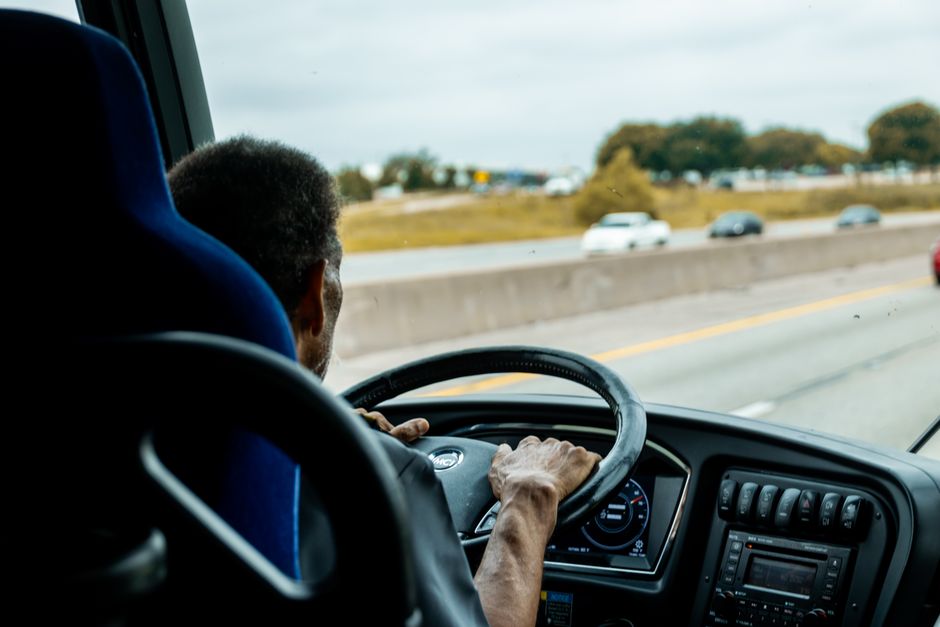
If you’re planning a multi-day charter bus trip, you’ve probably run into a line item you didn’t expect: driver lodging. So who pays for driver hotels? In most cases, the answer is the client, either built into the quoted trip price or billed separately, but the details depend on the company, the trip length, and how the contract is written. Understanding this cost upfront can save you from an awkward invoice surprise after the trip is booked.
In this guide, we’ll break down exactly why bus drivers need hotel stays in the first place, who typically covers the bill, how much you should expect to pay, and how to make sure driver lodging is clearly spelled out before you sign a contract. Whether you’re organizing a school trip, a corporate retreat, a wedding shuttle, or a multi-city tour, this article will help you budget accurately and avoid last-minute cost surprises.
Why Charter Bus Drivers Need Hotel Rooms
Before we talk about who pays for driver hotels, it helps to understand why they’re needed at all. Charter bus and motorcoach drivers are governed by strict federal rules that limit how many hours they can drive and work in a given day. These rules exist for one simple reason: fatigue kills. A tired driver behind the wheel of a 40-foot motorcoach carrying 50 passengers is a serious safety risk, so the Federal Motor Carrier Safety Administration (FMCSA) enforces mandatory rest periods.
Under FMCSA’s Hours of Service (HOS) regulations, commercial drivers, including charter bus operators, are generally required to take at least 10 consecutive hours off duty after a set number of driving hours. If a trip extends beyond a single day, or if the route is long enough that the driver can’t legally get back to their home base within their allowed hours, the driver has to stop and rest somewhere. That
For related reading, see our guide on How Much Should You Tip a Charter Bus Driver? The Complete Guide.
‘s when hotel costs enter the picture. A driver who has already used up their legal hours for the day cannot simply keep driving to get passengers home faster, no matter how tempting that might be for a group eager to reach its destination. Instead, the driver must pull over, park the bus safely, and check into a hotel for the required rest period. This is not a matter of driver preference or company policy alone; it’s federal law, and violating it can result in steep fines for the bus company and even the suspension of a driver’s commercial license.
For a deeper dive into these regulations and how they shape a driver’s schedule, take a look at our article on Charter Bus Driver Rules and Hours of Service. Understanding these rules helps explain why overnight lodging isn’t just a nice-to-have amenity, it’s a legal necessity for many multi-day trips.
Multi-day charters, overnight trips, and long-distance routes that cross several states almost always require at least one overnight stop for the driver, sometimes more depending on the total distance and number of driving days. Even single-day trips can occasionally require driver lodging if the route is long enough or if the group’s schedule pushes the driver close to their hourly limit. Once you understand this legal backdrop, the question of who pays for the hotel room becomes much easier to answer.
Who Typically Pays for Driver Hotel Rooms?
In the vast majority of charter bus contracts, the customer, meaning the group booking the trip, is responsible for covering the driver’s hotel costs on overnight trips. This might come as a surprise to first-time charter bus renters who assume the bus company handles all driver-related expenses out of the base rental fee. In reality, most charter bus companies build driver lodging into the total quote as a separate line item, or they ask the client to cover the cost directly by booking and paying for the room themselves.
There are a few common arrangements you’ll encounter when chartering a bus for a multi-day trip:
- The bus company books and bills for the room. Many charter companies prefer to handle driver lodging themselves because they know their drivers’ preferences, loyalty program memberships, and the hotels along specific routes that are used to accommodating commercial drivers and large vehicles. In this case, the cost of the room is added to your invoice, either as a flat per-night fee or as the actual cost of the room.
- The client books and pays for the room directly. Some companies ask the trip organizer to reserve a room in the driver’s name and pay for it as part of the group’s overall lodging arrangements, especially if the group is already booking a hotel block for passengers at the same property.
- A per diem or lodging allowance is included in the quote. Instead of itemizing the exact hotel cost, some companies fold a standard nightly allowance into the overall charter rate, which covers the driver’s lodging along with meals in some cases.
Regardless of which method your bus company uses, the underlying principle is the same: this is a cost of doing business for a multi-day charter, and it’s the client’s responsibility to cover it, just like fuel, tolls, and the driver’s base wages. Reputable charter companies will always disclose this cost upfront rather than springing it on you after the trip.
It’s worth noting that this is different from tipping. Covering a driver’s hotel room is considered a standard operating expense built into your contract, not a gratuity for good service. If you want to learn more about how tipping works separately from these logistical costs, our guide on charter bus driver tipping breaks down when and how much to tip on top of your contracted fees.
How Much Do Driver Hotel Rooms Actually Cost?
The cost of a driver’s hotel room varies widely depending on location, time of year, hotel quality, and how far in advance the room is booked. On average, you can expect to pay somewhere between $80 and $180 per night for a standard driver hotel room in the United States. In major metropolitan areas or during peak travel seasons, such as summer weekends, holiday periods, or when a large convention or sporting event is in town, that price can climb well above $200 a night.
Charter bus companies typically don’t book luxury accommodations for their drivers. Instead, they look for clean, safe, budget-friendly hotels that are conveniently located near the bus’s overnight parking spot. Many drivers stay at well-known economy and midscale chains because these hotels are predictable in quality, widely available across the country, and often offer corporate or fleet discounts to transportation companies that book rooms regularly.
Here’s a general breakdown of what you might expect to pay for a single driver’s overnight stay:
- Budget hotels in smaller markets: $70 to $100 per night
- Midscale hotels in suburban or mid-sized city markets: $100 to $150 per night
- Hotels in major cities or during high-demand periods: $150 to $250+ per night
If your trip requires multiple overnight stops, or if you’re using two drivers who alternate shifts (which is common on very long routes), you’ll need to budget for lodging for each driver, each night. A five-day tour with one overnight stop per night could mean covering five separate hotel rooms, which adds up quickly if you haven’t planned for it in your overall trip budget.
Some charter companies also charge a modest per diem for meals in addition to lodging, since drivers away from home for multiple nights need to eat on the road just like everyone else. This is usually a separate line item, often in the range of $30 to $50 per day, and should be clearly disclosed in your contract if it applies.
Factors That Affect Driver Lodging Costs
Several variables influence exactly how much you’ll pay for driver hotel rooms on any given trip. Understanding these factors can help you anticipate costs more accurately when requesting quotes from charter bus companies.
1. Trip Length and Number of Overnight Stops
The most obvious factor is simply how many nights the driver needs lodging. A one-night overnight trip will cost far less in driver lodging than a week-long multi-city tour that requires a hotel stay every single night. When requesting a quote, always clarify how many overnight stops the itinerary requires and ask the company to itemize lodging costs per night so you can see exactly what you’re paying for.
2. Number of Drivers
Long-distance trips, especially those exceeding what a single driver can legally cover within their hours of service, often require two drivers who alternate behind the wheel. If your trip requires a second driver, you’ll typically need to cover lodging for both, effectively doubling your driver hotel costs for each overnight stop. This is common on cross-country charters or trips with very tight schedules that can’t accommodate long rest breaks.
3. Location and Seasonality
Hotel prices fluctuate significantly based on geography and time of year. A driver hotel booked in a small town along a rural interstate will almost always be cheaper than one booked in a major city center. Similarly, booking during a holiday weekend, a major convention, or a popular tourist season can drive prices up substantially, sometimes doubling what you’d pay during a slower travel period.
4. Advance Booking Time
Just like passenger travel, booking driver accommodations closer to the travel date typically costs more than booking well in advance. Charter companies that plan routes and lodging weeks or months ahead can often lock in lower rates, while last-minute charter requests may come with a lodging cost premium simply because fewer discounted rooms are available.
5. Hotel Amenities and Parking Requirements
Not every hotel can accommodate a 40-foot motorcoach in its parking lot overnight. Drivers often need to choose hotels with large parking areas, truck and bus-friendly access, or nearby overflow lots where the bus can be safely and legally parked while the driver rests. Hotels that meet these specific requirements may charge a bit more, and in some cases, the bus company may also need to pay a separate overnight parking or storage fee for the vehicle itself, which is different from the driver’s room cost. For more on this topic, check out our guide on charter bus parking rules, which explains where buses can and cannot be parked overnight.
How to Make Sure Driver Lodging Is Covered in Your Contract
The single best way to avoid unpleasant surprises regarding driver hotel costs is to address the issue head-on before you sign any charter bus contract. Here’s how to make sure this cost is clearly accounted for from the very beginning.
Ask Directly During the Quoting Process
When you request quotes from charter bus companies, specifically ask whether driver lodging is included in the price or billed separately. Don’t assume it’s baked into the quoted rate just because the number seems reasonable. A surprisingly low quote may look attractive until you realize driver hotel costs, fuel surcharges, or other fees will be tacked on later.
Request an Itemized Breakdown
Ask for a written, itemized breakdown of all charges, including base rental cost, mileage or hourly fees, fuel surcharges, tolls, parking fees, gratuity policies, and driver lodging and per diem costs if applicable. A transparent charter company should have no problem providing this information in writing before you commit to a booking.
Clarify Who Books the Room
Find out whether the bus company handles booking and paying for the driver’s hotel directly, or whether your organization is expected to reserve and pay for the room as part of your own hotel arrangements. If you’re responsible for booking, make sure you know the exact dates, number of rooms needed, and any special requirements (like ground-floor rooms near bus parking) well in advance of the trip.
Get Everything in Writing
Verbal assurances are easy to forget or dispute after the fact. Make sure any agreement about who covers driver lodging costs, and how much those costs are expected to be, is written into your signed contract. This protects both you and the charter company by setting clear expectations from the start.
Ask About Contingencies
Weather delays, mechanical issues, and traffic can all extend a trip beyond its original schedule, sometimes requiring an unplanned overnight stop that wasn’t in the original itinerary. Ask your charter company how they handle these situations. Will an additional night of driver lodging be billed to you if the trip runs long through no fault of your own? Understanding this ahead of time can help you avoid disputes if plans change unexpectedly.
What Happens If Driver Lodging Isn’t Covered?
Occasionally, an organizer books a multi-day charter without realizing that driver lodging wasn’t included in the quoted price, or without understanding that it was the client’s responsibility all along. So what happens if this cost gets overlooked?
In most cases, the charter bus company will still need to secure lodging for the driver, since federal hours of service rules leave no flexibility on this point. If the cost wasn’t pre-arranged, the company may bill you after the fact, sometimes as an unexpected add-on to your final invoice. This can create tension between the organizer and the bus company, especially if the amount is substantial or if it comes as a surprise close to or after the trip has already concluded.
In rare and more serious cases, if a company assumes the client will handle lodging and the client fails to book a room, a driver could be left without a place to stay, which is not only inconvenient but potentially unsafe. Responsible charter companies build safeguards into their booking process specifically to prevent this scenario, but it underscores why clear communication before the trip matters so much.
The bottom line is that driver lodging is not optional on qualifying multi-day trips, so the question is never really whether it will be paid for, but rather when and by whom the arrangement gets finalized. Clarifying this early keeps everyone on the same page and prevents last-minute scrambling.
Tips for Budgeting Driver Hotel Costs Into Your Trip
If you’re organizing a multi-day charter bus trip, here are some practical tips to help you plan for driver lodging costs accurately:
- Ask early and ask specifically. Don’t wait until the contract is in front of you to ask about driver lodging. Bring it up during your very first conversation with a charter company so it factors into every quote you compare.
- Compare multiple quotes side by side. Because different companies handle driver lodging differently, make sure you’re comparing apples to apples. A quote that appears to be a great deal at first glance might not include driver hotel costs at all, while a competitor’s higher quote might already have it built in.
- Factor lodging into your per-person cost calculations. If you’re splitting trip costs among passengers, such as for a school trip or group tour, make sure driver lodging is included in your total expense calculation before you divide costs among participants.
- Build in a buffer for the unexpected. Weather, traffic, and mechanical delays happen. Setting aside a small contingency fund for an extra night of driver lodging, just in case, can save you from a budget crunch if your trip runs longer than planned.
- Consider booking driver rooms alongside your group’s hotel block. If you’re already reserving a block of rooms for passengers, ask the hotel if they can add one or two additional rooms for the driver(s) at the same group rate. This can sometimes save money compared to the driver being booked separately at standard rates.
Driver Hotel Etiquette and Practical Considerations
Beyond the financial side of things, there are a few practical considerations worth keeping in mind when it comes to driver overnight stays.
First, drivers need uninterrupted rest to safely operate the bus the next day, so it’s important that any hotel booked for a driver allows for a genuinely restful stay, not a noisy property overcrowded with the same group that’s also staying there for a late-night event. Many charter companies prefer to book drivers in a separate, quieter property from the passenger group when possible, particularly for events like weddings, proms, or concerts where passenger accommodations might be lively late into the night.
Second, remember that the driver also needs a safe, legal place to park a large motorcoach overnight, not just a hotel room. Not every hotel parking lot can accommodate a 40-foot vehicle, and improperly parked buses can result in fines or towing. This is another reason experienced charter companies rely on a network of driver-friendly hotels they’ve used before, rather than booking wherever is cheapest without considering vehicle logistics.
Finally, keep in mind that a well-rested driver is a safer driver. While it might be tempting to see driver lodging as just another line-item expense to minimize, remember that this cost exists to keep everyone on your trip safe. Cutting corners on legally required rest is never worth the risk, and any charter company willing to skip these requirements to save you money should be treated as a red flag rather than a bargain.
Frequently Asked Questions About Driver Hotel Costs
Does every charter bus trip require paying for a driver hotel room?
No. Single-day trips that fall well within a driver’s hours of service limits typically don’t require overnight lodging at all, since the driver can complete the trip and return to their home base within legal driving hours. Driver hotel costs generally only come into play on multi-day trips, very long single-day routes, or trips using two drivers on extended schedules.
Is driver lodging the same as a gratuity or tip?
No. Driver lodging is considered an operational cost of the trip, similar to fuel or tolls, and is separate from tipping. Tips are optional and reflect appreciation for good service, while lodging costs are a contractual necessity tied to legal rest requirements. If you’re unsure how much to tip on top of these costs, our charter bus driver tipping guide can help.
Can I negotiate driver lodging costs?
In some cases, yes. If you’re already booking a hotel block for your group, you may be able to negotiate adding driver rooms at the same discounted group rate, which can lower the overall cost compared to the bus company booking separately at standard pricing. It’s worth asking both your hotel contact and your charter company about this option.
What if my trip runs longer than expected and requires an extra night of driver lodging?
This should be addressed in your contract before the trip begins. Ask your charter company how unexpected delays, such as severe weather or mechanical issues, are handled in terms of additional lodging costs, so you’re not caught off guard by an extra charge after the fact.
Who decides which hotel the driver stays at?
Typically, the charter bus company selects the hotel, since they know which properties can accommodate a large vehicle overnight and which locations are convenient along the route. If you have particular concerns, such as wanting the driver near your group’s own hotel, it’s reasonable to discuss this preference with the company in advance.
Final Thoughts
Driver hotel costs are a normal, expected part of planning any multi-day charter bus trip, and understanding who pays for them, and how much to budget, can save you from unwanted financial surprises down the road. In almost every case, this cost falls to the client booking the charter, whether it’s built directly into the quoted price or billed as a separate line item. The key to avoiding confusion is simple: ask early, get everything in writing, and make sure your contract clearly spells out how driver lodging, meals, and any potential contingencies are handled.
By approaching your next multi-day charter with this knowledge in hand, you’ll be able to compare quotes more accurately, set realistic budgets, and build a trip plan that keeps both your passengers and your driver safe, rested, and ready for the road ahead.