Mount Kisco has an unusual civic shape. It is a village and a town at the same time, with boundaries that line up exactly, and it only became its own town in 1978. Before that, the village straddled two older towns — Bedford on one side, New Castle on the other. Even the train stop carried a borrowed name at first: when the New York and Harlem Railroad reached the area in the 1840s, the station opened as "New Castle." That split identity still shows in how people use the place. Many residents of surrounding hamlets give "Mount Kisco" as their mailing address, shop on its Main Street, see doctors at Northern Westchester Hospital, and send their kids into the same Bedford Central School District that serves the village.
For a transportation planner, that matters more than any population number. The 2020 census counted roughly eleven thousand residents inside the village line, but the group you are moving rarely lives entirely inside it. A wedding guest list pulls from Chappaqua and Armonk; a youth league roster mixes Bedford Hills and Pound Ridge; a corporate offsite pulls staff from White Plains and Danbury. Mount Kisco is where those threads meet, which makes it a natural staging point — and also why a single pickup address seldom tells the whole story.
"Small footprint, wide catchment" is the simplest way to describe Mount Kisco trips. The bus usually loads here, but the riders come from five or six surrounding communities.— Planning note from our reservation team
Physically, the village sits in a valley with wooded ridges on either side, a compact commercial spine along Main Street, and the Harlem Line tracks running right alongside downtown. Leonard Park — well over a hundred acres, with Wallace Pond, Memorial Pool and ballfields — is the community's backyard. To the east, Westmoreland Sanctuary's wooded trails spill across the Mount Kisco, Bedford and North Castle lines. Large private properties, horse country and estate venues fill the roads just beyond the village edge. In short: some of your stops will be easy curbside pickups, and some will be long, narrow driveways that need a smaller vehicle or a shuttle transfer.
What that means for your charter
- Plan for multiple origins. If riders are coming from Katonah, Chappaqua and the village itself, ask whether one central meeting point (often near the station or a hotel lot) beats three separate pickups on cost and timing.
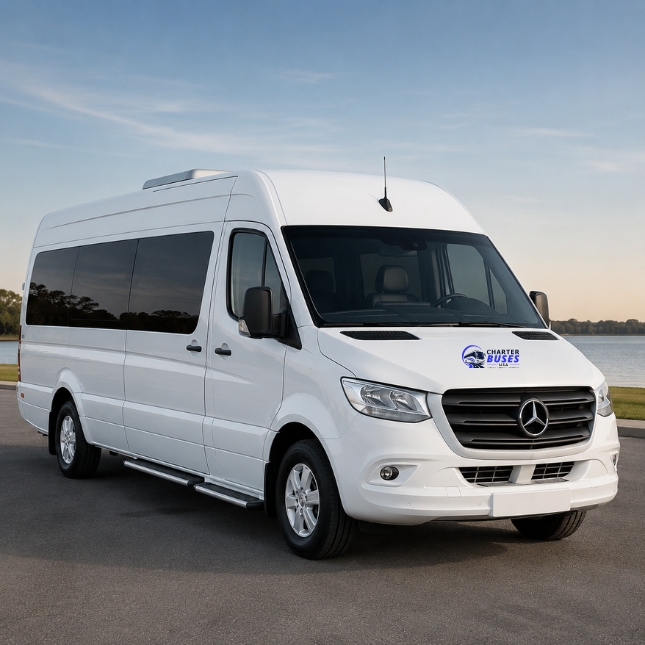
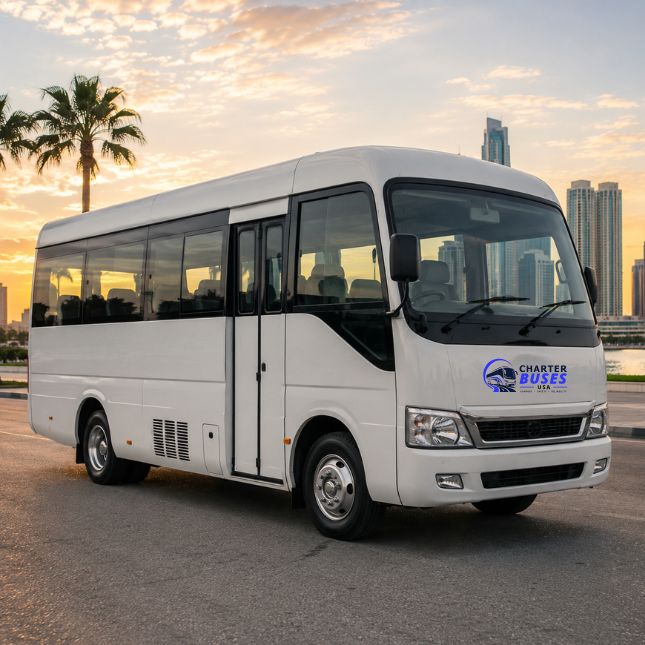
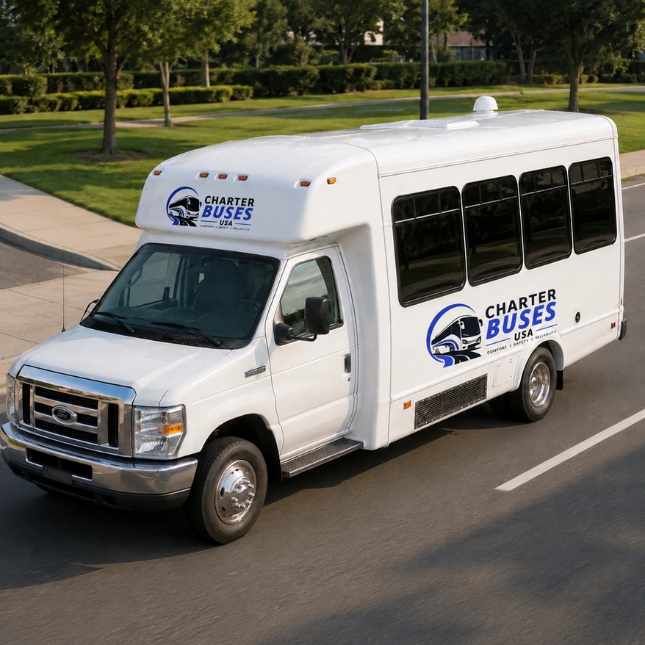
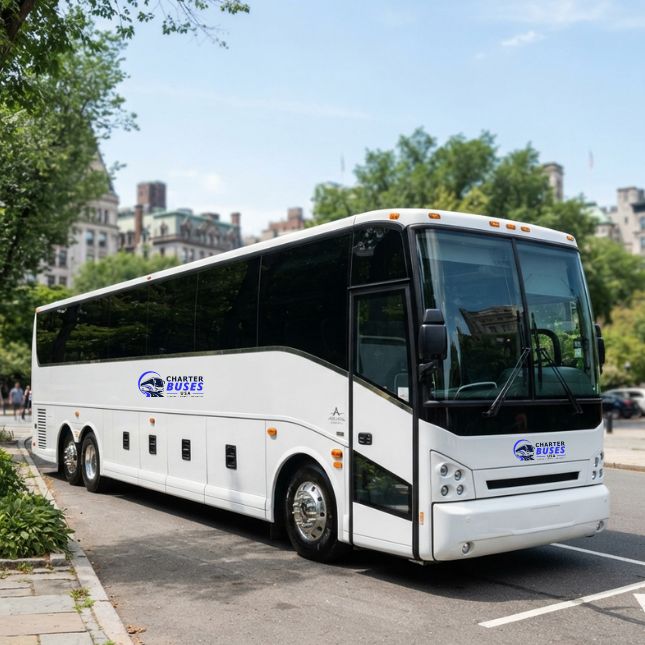
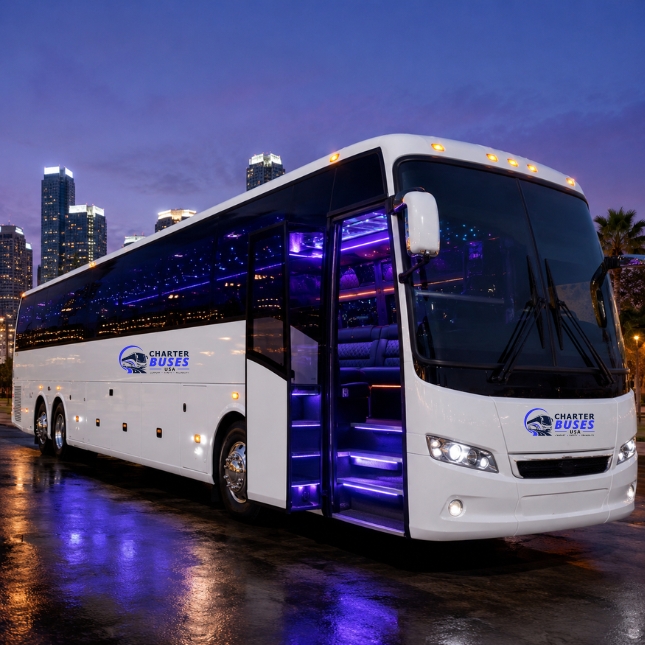
- Match the vehicle to the last hundred yards. A 45-foot motorcoach is perfect on I-684 and impractical on a winding private lane. We ask about the final approach before we recommend a size.
- Respect the commuter rhythm. The station area and downtown run busiest during weekday rush windows. A 7:30 a.m. group departure needs a different staging plan than a Saturday 11 a.m. one.
- Think regionally from the start. Mount Kisco trips frequently end in Manhattan, at an airport, at a Hudson Valley attraction or across the Connecticut line, so we quote the whole route rather than just the local leg.