How Many People Fit in a Charter Bus? A Complete Capacity Guide


If you’re planning a group trip, one of the first questions that comes up is simple: how many people fit in a charter bus? The answer isn’t a single number, because charter buses come in several sizes, each built for a different group size and travel style. In this guide, you’ll learn exactly how many passengers each bus type holds, what factors affect real-world capacity, and how to pick the right size for your event so nobody’s stuck standing in the aisle or paying for empty seats.
Whether you’re organizing a wedding shuttle, a corporate retreat, a school trip, or a cross-country tour, getting the capacity right saves money and prevents last-minute headaches. Let’s break down the numbers.
How Many People Fit in a Charter Bus? The Quick Answer
Most standard charter buses seat between 30 and 56 passengers, but the exact number depends on the vehicle’s length, seating configuration, and amenities. Here’s a fast reference before we go deeper:
- Mini charter buses: 18 to 25 passengers
- Mid-size charter buses: 25 to 35 passengers
- Full-size charter buses: 40 to 56 passengers
- Double-decker buses: 60 to 80+ passengers
These figures assume every passenger has their own seat and standard legroom. Add features like onboard restrooms, extra luggage bays, or wheelchair lifts, and that number can drop by a few seats. We’ll cover each size category in detail below, along with the trip types they’re best suited for.
Charter Bus Sizes and Capacities Explained
Charter bus companies typically classify their fleets by length and axle configuration, which directly determines how many rows of seats fit inside. Understanding these categories helps you compare quotes accurately when requesting pricing from operators.
Mini Charter Buses (18 to 25 Passengers)
Mini charter buses, sometimes called minibuses, are the smallest option in most rental fleets. They typically measure between 25 and 30 feet long and seat anywhere from 18 to 25 people, depending on the manufacturer and layout. These vehicles work well for:
- Small corporate teams or department outings
- Airport transfers for a family reunion or small wedding party
- Local sightseeing tours with fewer than two dozen guests
- Shuttle service between a hotel and a nearby venue
Mini buses are easier to maneuver in cities with tight streets or limited parking, which makes them a popular choice for urban tours and downtown pickups.
Mid-Size Charter Buses (25 to 35 Passengers)
Mid-size buses bridge the gap between minibuses and full-size coaches. They usually run 30 to 35 feet long and accommodate 25 to 35 passengers. These are a strong fit for:
- Mid-sized wedding guest lists
- Youth sports teams traveling with coaches and equipment
- Office shuttle programs for mid-sized companies
- Bachelor and bachelorette party groups (check out our complete guide to bachelor and bachelorette party charter bus rentals for planning tips)
Mid-size buses often include the same amenities as full-size coaches, such as air conditioning, reclining seats, and onboard entertainment systems, just in a slightly more compact shell.
Full-Size Charter Buses (40 to 56 Passengers)
This is the category most people picture when they hear “charter bus.” Full-size motorcoaches typically measure 40 to 45 feet long and seat between 40 and 56 passengers, with 50 to 56 being the most common range for standard coach seating. These buses are the workhorses of the group travel industry and are used for:
- Wedding transportation for large guest lists
- School field trips and band or choir tours
- Corporate events, conventions, and conferences
- Cross-country group trips and multi-day tours
- Church groups, family reunions, and community outings
Full-size coaches usually include reclining seats, overhead storage, large under-bus luggage bays, restrooms, and sometimes Wi-Fi or power outlets. If you’re curious about what these buses can hold beyond passengers, our breakdown of charter bus storage compartments explains exactly how much luggage fits underneath.
Double-Decker Buses (60 to 80+ Passengers)
Double-decker buses are less common in standard charter fleets but are available in some markets for very large groups. These buses stack two full levels of seating and can carry anywhere from 60 to more than 80 passengers, depending on configuration. They’re typically used for:
- Large-scale corporate events or conventions
- City sightseeing tours in major metro areas
- Music festivals or large group outings where one bus needs to replace two smaller ones
Because of their height and size, double-deckers have more route and parking restrictions than standard coaches, so they’re not always the right choice for every itinerary.
Factors That Affect How Many People Actually Fit in a Charter Bus
The passenger capacity listed by a rental company is a maximum number, but several real-world factors can reduce how many people comfortably fit on your specific trip. Understanding these variables helps you avoid overbooking a bus that technically “seats 56” but can’t realistically hold that many people with luggage and equipment.
Seating Configuration
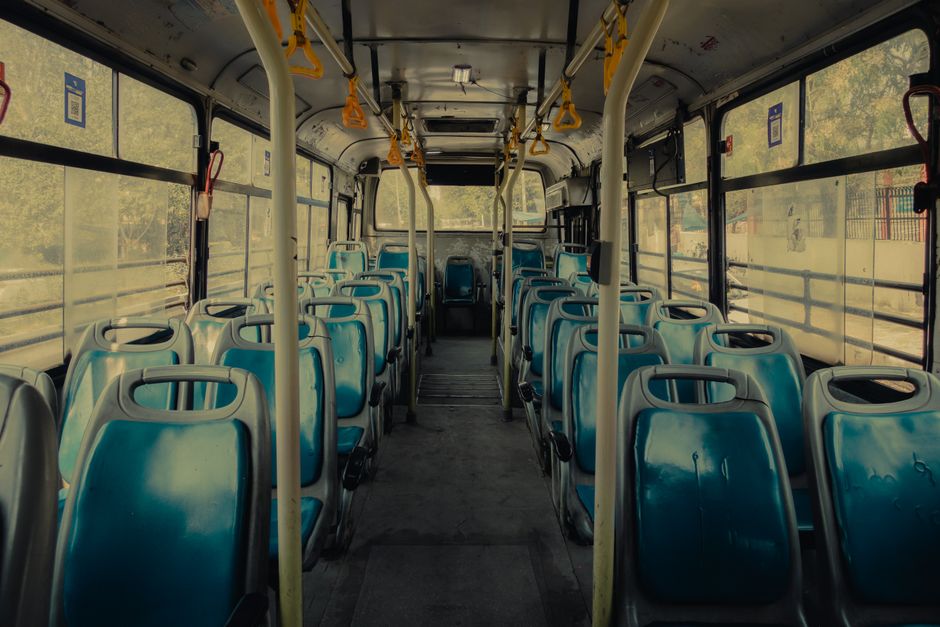
Some charter buses use a 2×2 seating layout (two seats on each side of the aisle), while others use a 2×1 layout for extra legroom, which reduces total capacity. Luxury or executive coaches often trade a few seats for wider, more comfortable seating, so a bus that could technically fit 56 passengers in economy configuration might only seat 44 to 48 in a premium layout.
Luggage and Equipment Space
If your group is traveling with suitcases, sports equipment, instruments, or event supplies, the number of people you can comfortably transport may need to shrink to leave room for gear. This is especially true for ski trips, band tours, and multi-day trips where each passenger brings a full suitcase. Our guide to charter bus storage and packing capacity walks through how to estimate luggage space needs before you book.
Wheelchair Accessibility and ADA Seating
Buses equipped with wheelchair lifts or ADA-compliant securement areas typically remove two to four standard seats to accommodate the equipment. If accessibility is a requirement for your group, it’s worth reviewing our accessibility features guide to understand how these adjustments affect total seating.
Onboard Restrooms
Many full-size charter buses include an onboard restroom, which takes up space that could otherwise hold two to four additional seats. Buses without a restroom generally have slightly higher seating capacity, but that trade-off matters most on longer trips.
Entertainment and Comfort Features
Buses with upgraded entertainment systems, extra-large monitors, or premium sound setups sometimes have a modified seating layout to accommodate the equipment. Check out our overview of charter bus entertainment options if in-ride entertainment is a priority for your group.
Driver and Crew Seating
Remember that the driver’s seat isn’t included in passenger capacity counts, and on some trips a tour guide or second driver may take up an additional seat that reduces available space for paying passengers.
How to Choose the Right Bus Size for Your Group
Once you know roughly how many people are attending, the next step is matching that headcount to the right vehicle. Here’s a practical way to think through it.
Step 1: Get an Accurate Headcount
Before requesting quotes, nail down your actual attendee number, not just an estimate. Overestimating leads to paying for a bigger bus than you need, while underestimating can leave people without seats. If your number is still fluctuating, ask the rental company about their policy for adjusting group size closer to the trip date.
Step 2: Add a Buffer for Comfort
A common mistake is booking a bus that seats exactly your headcount with zero buffer. If you’re inviting 50 people, a 56-passenger coach gives everyone breathing room and accounts for last-minute additions. For long trips, this buffer matters even more, since passengers will want to spread out and stay comfortable for multiple hours on the road.
Step 3: Match the Bus to the Occasion
Different events call for different vehicle types:
- Weddings: Mid-size or full-size coach depending on guest count
- Corporate shuttles: Mini or mid-size bus for daily commuter-style routes, as detailed in our employee shuttle service planning guide
- School trips: Full-size coach with ample luggage and equipment storage
- Conventions and conferences: Full-size coach, especially for multi-day events, as covered in our convention transportation guide
- Weekend getaways: Mid-size or full-size bus depending on group size, outlined further in our weekend getaway travel guide
Step 4: Consider the Route and Trip Length
Longer trips generally call for more amenities, which can slightly reduce seating capacity in exchange for comfort. Shorter, local trips can often use a higher-density seating layout without sacrificing passenger comfort.
Charter Bus Capacity vs. Comfort: Should You Book More Space Than You Need?
It’s tempting to book the smallest bus that technically fits your group to save money, but this can backfire, especially on trips longer than an hour. A packed bus with no extra seats means no room to spread out, store extra bags, or shift seats if someone gets motion sickness or needs more space.
As a general rule, industry experts recommend leaving at least 10 to 15 percent of seats open on trips longer than two hours. For a 50-person group, that means booking a 56-seat coach rather than a bus that seats exactly 50. This buffer also helps if you gain a few last-minute attendees, which happens often with weddings, reunions, and corporate events.
That said, booking a much larger bus than necessary wastes money. If your group is 20 people, there’s no reason to book a 56-passenger coach. Right-sizing the vehicle is one of the easiest ways to control costs, a topic we cover extensively in our guide on how to save money on charter bus rentals.
Charter Bus Capacity by Common Trip Type
To make things even more concrete, here’s how capacity needs typically break down by trip type, based on common industry booking patterns.
Weddings
Wedding shuttles often need to move guests from a hotel block to a ceremony and reception venue. Guest counts of 40 to 100 people commonly require either one full-size coach or two mid-size buses running on a shuttle loop.
School and Youth Group Trips
School trips often have 40 to 55 students plus chaperones, making a full-size coach the standard choice. Buses used for these trips usually need extra under-bus storage for backpacks, sports gear, or musical instruments.
Corporate Travel and Conventions
Corporate groups vary widely, from a 15-person executive retreat that fits comfortably in a mini bus to a 200-person conference that requires four or five full-size coaches running simultaneously. For multi-day conventions, coordinating multiple buses on a shuttle schedule is common, and we cover scheduling logistics in our convention transportation planning guide.
Cross-Country and Multi-Day Trips
Long-distance trips typically use full-size coaches with restrooms, reclining seats, and extra legroom, which sometimes reduces total seating from 56 down to 44 to 50 passengers to prioritize comfort over sheer capacity. Our cross-country trip planning guide goes into more detail on what to expect for multi-day travel.
Airport Transfers and Cruise Port Transfers
Airport and cruise transfers often involve moving large groups quickly with luggage, so capacity planning needs to account for both passengers and bags. Check our guides on airport transfer planning and cruise port transfer planning for capacity tips specific to those trip types.
Common Charter Bus Capacity Mistakes to Avoid
Even experienced trip planners make capacity mistakes that lead to awkward surprises on the day of travel. Here are the most common ones.
Assuming All Buses of the Same Size Have Identical Capacity
Two 45-foot coaches from different manufacturers can have different seat counts based on interior layout, restroom placement, and seating style. Always confirm the exact passenger count with the rental company rather than assuming based on bus length alone.
Forgetting About Luggage Space
A bus that seats 56 people might only comfortably store luggage for 40 people if everyone brings a full-size suitcase. Always ask about under-bus storage capacity separately from passenger capacity, especially for trips longer than a day.
Not Accounting for Chaperones, Staff, or Crew
School groups, tour groups, and corporate events often forget to count chaperones, tour guides, or staff members when calculating headcount, which can result in booking a bus that’s short two or three seats.
Booking Based on RSVP Estimates Alone
Wedding and event RSVPs often shift in the final weeks before a trip. Build in a buffer or confirm with your rental company what flexibility exists for adjusting bus size close to the departure date. Reviewing standard charter bus rental terms ahead of time helps you understand what changes are allowed and what fees might apply.
Overlooking Accessibility Needs
If any passengers require wheelchair access or other accommodations, factor that into your capacity planning early. Retrofitting these needs at the last minute can be difficult, and it’s much easier to book the right vehicle from the start.
How Charter Bus Capacity Compares to Other Group Transportation
It helps to see how charter bus capacity stacks up against other common group transportation options:
- Standard van: 10 to 15 passengers
- Sprinter van: 12 to 15 passengers
- Mini charter bus: 18 to 25 passengers
- School bus: 48 to 72 passengers (child seating capacity)
- Full-size charter bus: 40 to 56 adult passengers
- Double-decker bus: 60 to 80+ passengers
For groups larger than 15 people, a charter bus is almost always more cost-effective per passenger than renting multiple vans, and it keeps everyone traveling together rather than splitting into separate vehicles. According to the American Bus Association, motorcoach travel remains one of the most efficient ways to move large groups over both short and long distances.
Tips for Confirming Capacity Before You Book
Before signing a rental contract, take these steps to confirm the bus you’re booking actually fits your group’s needs:
- Ask for the exact seat count of the specific bus model, not just a size category
- Request photos or a seating diagram of the bus interior
- Confirm whether the seat count includes the driver’s seat (it typically does not)
- Ask about luggage bay dimensions if your group has heavy gear or lots of bags
- Clarify the company’s policy on last-minute headcount changes
- Ask whether the quoted price includes fuel, gratuity, or other fees, since these can affect your total cost regardless of bus size, a topic we explore in our guide to hidden fees in charter bus rentals
For additional background on general coach specifications and industry standards, Wikipedia’s overview of coach buses offers a helpful reference point on typical vehicle dimensions and classifications used across the industry.
Frequently Asked Questions About Charter Bus Capacity
How many people fit in a charter bus on average?
Most standard, full-size charter buses seat between 40 and 56 passengers, though the exact number depends on the seating layout, whether the bus has a restroom, and how much luggage space is needed. Mini and mid-size buses hold fewer passengers, typically in the 18 to 35 range.
How many people fit on a 56-passenger charter bus?
A bus advertised as a 56-passenger coach seats exactly 56 people in standard economy-style seating, not counting the driver. If the bus includes a restroom or extra legroom seating, the real capacity may be closer to 44 to 50 passengers.
What size bus do I need for 30 people?
For a group of 30 people, a mid-size charter bus in the 30 to 35 passenger range is usually the best fit. This leaves a small buffer for comfort without paying for unused seats on a larger coach.
Can charter buses hold luggage in addition to passengers?
Yes, most full-size charter buses have under-bus storage bays that can hold multiple suitcases per passenger, though the exact amount varies by bus model. Check out our detailed breakdown of charter bus storage compartments for specifics on how much luggage fits per trip.
Is it cheaper to book one large bus or two smaller buses?
In most cases, one large bus is more cost-effective per passenger than two smaller buses, since you’re only paying for a single driver, one set of fuel costs, and one rental fee. However, if your group needs to split into different pickup locations or arrival times, two smaller buses may make more logistical sense despite the added cost.
Final Thoughts on Charter Bus Capacity
So, how many people fit in a charter bus? The honest answer is that it depends on the bus size, layout, and amenities you choose, but most groups will fall into the 18 to 56 passenger range across mini, mid-size, and full-size coaches. Knowing your exact headcount, adding a small comfort buffer, and matching the bus type to your specific trip will help you avoid overpaying or overcrowding.
Before you book, always confirm the exact seat count with your rental provider rather than relying on general size categories, since layouts vary between bus models and manufacturers. With the right information in hand, you’ll be able to choose a charter bus that fits your group comfortably, keeps everyone together, and makes the entire trip smoother from pickup to drop-off.