Northeast Fall Foliage Group Trip Guide: Where to Go and How to Plan It

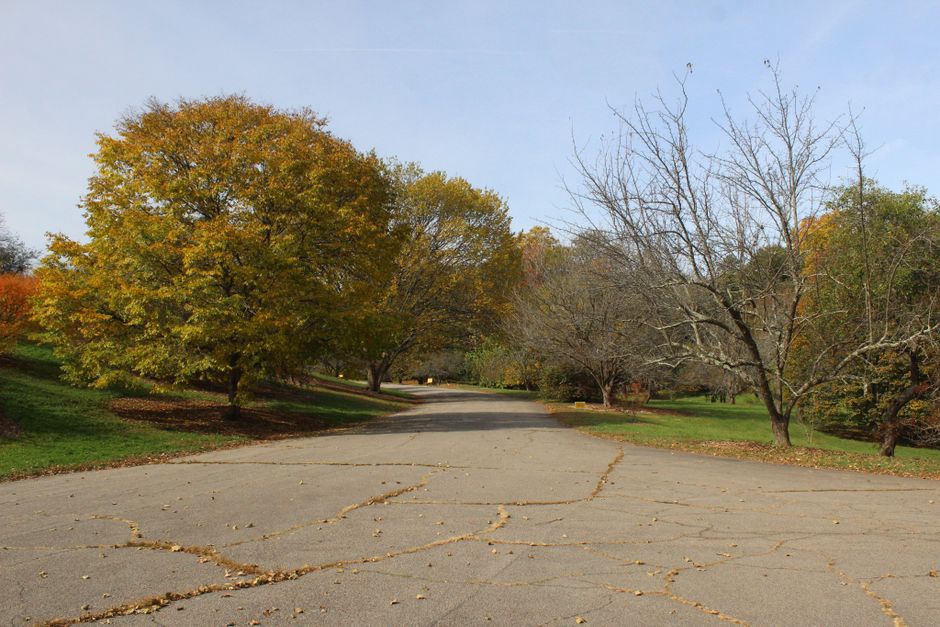
Every October, the Northeast turns into one of the most photographed landscapes on the planet. Sugar maples blaze red and orange, birches turn gold, and entire mountainsides look like they caught fire without any smoke. If you’re organizing a Northeast fall foliage group trip for a church group, school reunion, corporate retreat, or a big extended family gathering, timing and logistics matter just as much as the scenery itself.
This guide walks through when to go, where to go, how to handle group transportation, and what trip leaders need to know to pull off a smooth, memorable trip for a crowd of any size. By the end, you’ll have a state-by-state foliage calendar, real itinerary ideas, and a planning checklist that keeps your group moving instead of stuck in traffic or scrambling for parking in a tiny mountain town.
Why the Northeast Is the Best Region for a Fall Foliage Group Trip
No other region in the country packs this much color variety into such a compact area. Vermont, New Hampshire, Maine, Massachusetts, Connecticut, and upstate New York sit close enough together that a single road trip can cross state lines multiple times in one day. That density is exactly what makes group travel work so well here.
The tree mix helps too. Sugar maples produce the deep reds and oranges everyone pictures when they think of fall in New England, while birches and aspens contribute gold, and oaks hold onto a russet brown late into the season. Combine that with covered bridges, white church steeples, apple orchards, cider mills, and small-town main streets, and you have a setting that feels like it was built for group photos and scenic bus rides.
As a result, fall is the busiest travel season in this part of the country, which means planning ahead is not optional if you want good lodging, a reliable bus, and a route that avoids the worst of the weekend crowds.
When to Go: A State-by-State Fall Foliage Timeline
Foliage does not turn all at once across the Northeast. Color moves from north to south and from higher elevations to lower ones, which gives group planners a moving window of roughly six weeks to work with. Here is a general timeline, though actual dates shift a bit each year depending on rainfall and temperature.
Late September to Early October
- Northern Vermont (Stowe, Jay Peak, Northeast Kingdom)
- New Hampshire’s White Mountains and the Kancamagus Highway
- Northern and inland Maine, including the Moosehead Lake region
- The Adirondacks in upstate New York
Early to Mid-October (Peak for Most of the Region)
- Central and southern Vermont, including Woodstock and Killington
- The Berkshires in western Massachusetts
- The Litchfield Hills in northwest Connecticut
- Hudson Valley and the Catskills in New York
- Acadia National Park in Maine
Mid to Late October
- Coastal New England, including much of Rhode Island and coastal Massachusetts
- Long Island and lower Hudson Valley
- Southern Connecticut
Because leaf color depends on weather, not just the calendar, most state tourism boards run live foliage tracking maps in the fall. Vermont, New Hampshire, and New York all publish weekly updates, and Yankee Magazine’s foliage map is a reliable source that aggregates reports from across the region. Checking these in the two weeks before departure can help you shift a route slightly to catch peak color rather than arriving a week too early or too late.
Top Destinations for a Northeast Fall Foliage Group Trip
Some towns and parks are simply built for groups, with wide parking areas for buses, scenic overlooks, and enough restaurants and shops to keep a large group occupied for a few hours. Here are the destinations that consistently work best for group itineraries.
Stowe and the Green Mountains, Vermont
Stowe is the postcard version of a Vermont fall town, with a white church steeple, covered bridges, and mountain views from nearly every angle. Groups can ride the Stowe Mountain Resort gondola for a bird’s-eye view of the color, browse the shops along Main Street, and stop at a working cider mill or maple sugarhouse nearby. The Mountain Road corridor is wide enough for a charter bus and lined with pull-off spots for photos.
Woodstock and Quechee, Vermont
Quechee Gorge, often called Vermont’s
For related reading, see our guide on Top Group Travel Destinations in Texas for Your Next Trip.
Grand Canyon for its 165-foot gorge carved by the Ottauquechee River, is just a few miles from town and easy to reach by charter bus thanks to a large parking area right off Route 4. Groups can walk out onto the bridge for a sweeping view of the water and cliffs below, framed by maples and birches at peak color. Woodstock itself, a few miles further, is one of the most photographed villages in New England, with its covered bridge, green common, and brick storefronts. It is a good lunch stop, with several restaurants able to accommodate groups of 30 or more with advance notice.
The White Mountains and Kancamagus Highway, New Hampshire
The Kancamagus Highway, or “the Kanc” as locals call it, is a 34.5-mile stretch of Route 112 that cuts through the White Mountain National Forest and is widely considered one of the best fall drives in the country. The road has several designated pull-offs and picnic areas built for buses and RVs, including Sabbaday Falls and the Lower Falls Scenic Area, both of which offer short, flat walks to waterfalls surrounded by color. Groups often pair a Kanc drive with a stop in North Conway, a larger town with outlet shopping, restaurants, and public restrooms, all useful conveniences when traveling with 20, 30, or more people. For groups that want elevation without a hike, the Mount Washington Cog Railway and the Cannon Mountain Aerial Tramway both offer group rates and can lift dozens of passengers at a time above the tree line for panoramic views of the entire color palette below.
The Berkshires, Massachusetts
The Berkshires in western Massachusetts offer a quieter, more cultural alternative to the busier Vermont and New Hampshire routes. Towns like Lenox, Stockbridge, and Great Barrington are compact enough to explore on foot after parking a bus nearby, and the region is known for its arts scene as much as its scenery. Groups can combine foliage viewing with a stop at the Norman Rockwell Museum in Stockbridge or a performance at Tanglewood if the trip falls early enough in the season. The drive along Route 7 through the Berkshires passes rolling hills and old stone walls that turn brilliant shades of orange and red by early to mid-October, and the relatively flat terrain compared to the White Mountains makes it a comfortable option for groups that include older travelers or anyone who prefers gentler scenery over dramatic peaks.
The Adirondacks, New York
The Adirondack Park is the largest protected area in the contiguous United States, and its size means foliage color can vary significantly from one section to another during any given week. Lake Placid and Lake George are the two most group-friendly bases, each with enough hotels, restaurants, and parking to handle bus groups comfortably. Whiteface Mountain’s gondola and scenic highway both offer elevated views of the surrounding lakes and forest, and a boat cruise on Lake George is a relaxing way to see the shoreline color from the water rather than a bus window. Because the Adirondacks are so vast, it is worth confirming which specific towns or trails a tour operator plans to visit, since color can peak in the high peaks two or three weeks before it peaks in the lower lake towns.
Hudson Valley, New York
The Hudson Valley is an easy add-on for groups traveling from New York City, New Jersey, or Connecticut, since it sits close to major metro areas but still delivers a genuine fall foliage experience. Storm King Art Center, the Walkway Over the Hudson, and the historic mansions along the river in towns like Hyde Park and Rhinebeck all offer group tours and enough parking for buses. The Hudson Valley also tends to peak slightly later than the higher elevations further north, which makes it a good option for groups planning a trip in late October when the mountain regions have already dropped their leaves.
Litchfield Hills, Connecticut
Connecticut’s Litchfield Hills region is often overlooked in favor of its neighbors to the north, but it offers rolling farmland, covered bridges, and small towns like Kent and Litchfield that are easy to navigate with a large group. It is also one of the more convenient options for groups departing from New York City or the tri-state area, since travel time is shorter than a trip to Vermont or New Hampshire. Kent Falls State Park is a popular stop, with a series of cascading waterfalls visible from a short, well-maintained trail that most travelers can manage without difficulty.
Acadia National Park and Bar Harbor, Maine
Acadia National Park pairs fall foliage with dramatic coastal views, which makes it a distinct experience compared to the inland mountain destinations further south. The Park Loop Road offers wide, well-paved sections suitable for buses, and Cadillac Mountain provides sweeping views of the ocean framed by turning hardwoods below. Bar Harbor, just outside the park entrance, has restaurants and shops that can handle group traffic, though groups should confirm parking arrangements in advance since space near the park entrance fills quickly during peak season. According to the National Park Service’s fall foliage page for Acadia, color in this coastal region typically peaks about a week or two later than inland Maine, which is a useful detail when coordinating a multi-stop New England itinerary.
The Finger Lakes, New York
The Finger Lakes region blends fall color with vineyards, waterfalls, and lake views, and it tends to draw fewer crowds than the more famous New England towns. Watkins Glen State Park is the star attraction, with a gorge trail that winds past nineteen waterfalls in less than two miles, though the trail itself involves stairs and is best suited to groups that include at least some active walkers. For a lower-effort option, several wineries around Seneca and Cayuga Lakes offer group tastings with lake and vineyard views that are just as colorful as any mountain overlook, minus the hiking.
How to Plan a Northeast Fall Foliage Group Trip
Picking beautiful destinations is only half the job. The logistics of moving a large group through rural roads, small-town parking, and seasonal crowds require more planning than a typical city trip. Here is how experienced group leaders approach it.
Book Your Charter Bus Early
Fall foliage season is one of the busiest travel windows in the Northeast, and charter bus companies book up quickly for late September and October weekends. Reserving a vehicle at least two to three months ahead, and ideally earlier for peak weekends, gives you the best chance at securing the size and type of bus you need. When comparing options, think about whether a full-size motorcoach or a smaller vehicle makes more sense for your group and your route; our guide on charter bus versus rental vans breaks down the tradeoffs in comfort, cost, and driver responsibility. If your trip involves multiple stops over several days rather than a single round trip, it is also worth reviewing whether a round trip or one-way rental better fits your itinerary, especially if you plan to end your trip in a different city than where you started.
Build a Flexible Itinerary
Because peak color shifts by a week or more depending on weather, the most successful foliage itineraries build in flexibility rather than locking every stop to an exact date months in advance. A good approach is to choose a home base region, plan two or three primary destinations, and identify a couple of backup stops within a short drive in case the leaves have not turned yet, or have already dropped, at your first choice. Group leaders who check state foliage tracking maps in the two weeks before departure and stay in touch with local visitor centers tend to have the best luck catching color at its peak.
Budget for Peak Season Pricing
Hotels, restaurants, and even some attractions raise their rates during peak foliage weekends, particularly in small Vermont and New Hampshire towns where lodging is limited. Booking accommodations well in advance and considering weekday travel instead of weekend travel can meaningfully reduce costs. Groups that need to keep the trip affordable might also look at our roundup of budget-friendly group travel destinations for ideas on trimming costs elsewhere in the itinerary, such as packing meals for one day or choosing towns slightly off the main tourist corridor where prices tend to be lower.
Plan for Mountain and Rural Road Conditions
Many of the best foliage roads wind through mountains, feature sharp turns, and can be affected by sudden weather changes, especially at higher elevations where temperatures drop faster than expected. Before booking, it is worth confirming that your charter bus company and driver are experienced with mountain routes and that the vehicle has been properly inspected for the trip. Our charter bus rental safety checklist is a useful reference for group leaders who want to confirm licensing, insurance, and vehicle maintenance records before signing a contract, particularly for a trip that involves winding rural roads rather than straightforward highway driving.
Coordinate Group Logistics
Large groups moving through small towns need a plan for parking, restroom breaks, and meal stops that does not leave everyone standing around waiting. Many popular foliage towns have designated bus parking areas, but they can fill up fast on weekends, so calling ahead to confirm availability, or asking your driver to scout alternate lots, can save time on the day of the trip. Building in a slightly longer buffer between stops than you think you need is also wise, since photo stops along scenic roads tend to run longer than planned once everyone starts taking pictures.
Pack for Changing Weather
Fall weather in the Northeast can swing from warm and sunny to cold and rainy within the same day, especially at higher elevations. Group leaders should encourage travelers to pack in layers, bring a warm jacket even if the forecast looks mild, and wear shoes suitable for walking on wet leaves or uneven trail surfaces. A few extra essentials worth reminding your group about include:
- A light rain jacket or poncho, since fall showers are common and often brief
- Comfortable walking shoes with good traction for gorge trails and forest paths
- A portable phone charger, since photo-heavy trips drain batteries fast
- Cash or a card for small-town shops and farm stands that may not accept every payment type
- A reusable water bottle, since many scenic stops do not have easy access to drinking water
Sample 3-Day Northeast Fall Foliage Itinerary
For groups planning a long weekend, a three-day loop through Vermont and New Hampshire is one of the most efficient ways to see a wide range of foliage scenery without excessive driving time. Here is one version group leaders can adapt to their own starting point.
Day One: Arrival and Stowe
Depart early in the morning and arrive in Stowe by early afternoon. Spend the afternoon riding the gondola, walking Main Street, and visiting a nearby cider mill or sugarhouse before checking into lodging for the night.
Day Two: Quechee, Woodstock, and the Kancamagus Highway
Start the day with a stop at Quechee Gorge and a walk through Woodstock village, then head east toward New Hampshire to drive the Kancamagus Highway in the afternoon, stopping at Sabbaday Falls or the Lower Falls Scenic Area along the way. Overnight in North Conway or another White Mountains town with easy bus access.
Day Three: White Mountains and Departure
Spend the morning riding the Mount Washington Cog Railway or the Cannon Mountain Aerial Tramway for a final elevated view of the color before beginning the return trip home in the afternoon.
This kind of loop keeps driving time manageable each day while still covering some of the most photogenic stretches of road in the region, and it can easily be shortened to a two-day trip or extended to four or five days by adding destinations like the Berkshires or the Adirondacks.
Frequently Asked Questions About Northeast Fall Foliage Group Trips
When is the best time to see fall foliage in the Northeast?
Peak color generally moves from north to south and high elevation to low elevation between late September and late October. Northern Vermont, New Hampshire, and Maine’s inland areas often peak in late September to early October, while southern New England and lower-elevation valleys peak in mid to late October.
How far in advance should we book a charter bus for a foliage trip?
Booking two to three months ahead is a safe minimum for peak weekends in late September and October, since demand for buses in the Northeast spikes sharply during foliage season. Popular routes and larger vehicles tend to book up first.
Is it better to travel on a weekday or a weekend for foliage viewing?
Weekdays generally mean lighter crowds, easier parking, and sometimes lower lodging rates, while weekends offer more flexibility for groups whose members work standard schedules. If your group has the flexibility, a Tuesday through Thursday trip during peak color weeks often provides the most comfortable experience.
What should groups do if the leaves have not turned yet at their planned destination?
Having a backup destination within a short drive of your primary stop is the best safeguard. Checking state foliage tracking maps in the days before departure can also help you decide whether to shift your itinerary toward a higher elevation, where color often turns earlier, or a lower elevation, where it turns later.
Are Northeast foliage roads safe for a full-size motorcoach?
Most of the popular scenic routes, including the Kancamagus Highway and the roads through Stowe and Woodstock, are well-maintained and regularly used by tour buses. That said, experienced drivers and a company familiar with mountain routes make a noticeable difference, which is why reviewing a company’s safety practices before booking is worthwhile for any group traveling into hilly or mountainous terrain.
Final Thoughts
A Northeast fall foliage trip rewards groups who plan with a little flexibility built in, since the color itself does not follow a fixed calendar. Choosing a home base region, lining up a reliable charter bus early, and keeping an eye on foliage tracking maps in the weeks before departure will put any group in a strong position to catch the mountains, valleys, and small towns of New England and New York at their most vivid. Whether the plan is a quiet weekend in the Berkshires or a multi-day loop through Vermont and New Hampshire, the payoff for a well-planned trip is the same: mile after mile of color that is genuinely worth the drive.