
Charter Bus Rental for Trade Shows: The Complete Group Planning Guide

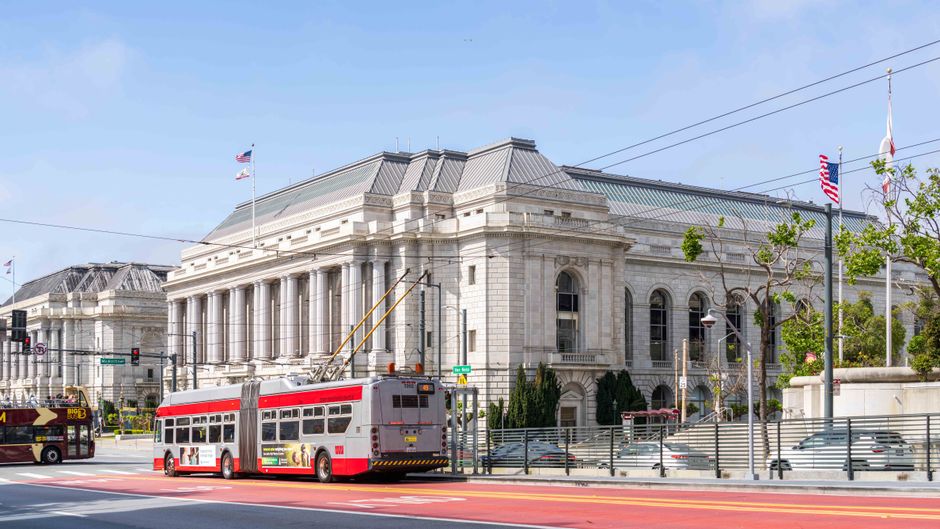
Trade show season means tight schedules, big crowds, and a convention center parking lot that fills up before 8 a.m. If you’re organizing transportation for exhibitors, staff, or attendees, a charter bus rental for trade shows can turn a logistical headache into one of the smoothest parts of your event. This guide walks through everything you need to know, from choosing the right vehicle size to negotiating multi-day contracts with a bus company.
Whether you’re moving a sales team from the airport to the convention floor, running shuttle loops between host hotels and the exhibit hall, or transporting an entire booth crew and their gear across town, group transportation planning follows a predictable set of rules. Get them right, and your team walks in relaxed and on time. Get them wrong, and you’re fielding angry texts about a missed keynote session.
Why Charter Buses Make Sense for Trade Show Transportation
Trade shows concentrate thousands of people into a small geographic footprint for a short window of time. Convention centers in cities like Las Vegas, Chicago, Orlando, and Atlanta see massive traffic surges during major shows, and rideshare surge pricing during peak arrival and departure times can be brutal. A charter bus rental solves several problems at once.
- Predictable costs: One flat rate covers your whole group instead of dozens of individual rideshare fares that spike during rush periods.
- Group cohesion: Your team travels together, which means fewer stragglers and a better shot at everyone making the opening session on time.
- Less stress on staff: Nobody has to coordinate carpools, hunt for parking, or navigate an unfamiliar city.
- Professional image: Arriving as a branded group in a clean, comfortable coach sets a tone before the booth even opens.
- Flexibility for gear: Charter buses have luggage bays that can handle booth materials, marketing collateral, and equipment that won’t fit in a sedan trunk.
Large corporate exhibitors already understand this. Many Fortune 500 companies charter buses for their entire trade show delegation rather than leaving transportation to chance. Smaller companies and associations can access the same benefit, often for less than the cost of individual airport transfers and daily rideshare trips combined.
Common Trade Show Transportation Scenarios
Not every trade show trip looks the same. Understanding which scenario applies to your event helps you scope the right rental.
Airport to Convention Center Transfers
If your team or attendees are flying in from out of town, a charter bus can meet them at the airport and take them directly to host hotels or the venue. This is especially useful for large exhibitor groups or associations bringing in members from multiple regions. If your event spans several days with staggered arrivals, you may need multiple pickup windows rather than a single transfer.
Hotel to Venue Shuttle Loops
This is the most common trade show use case. Attendees stay across several host hotels, and a shuttle loop runs on a set schedule between those hotels and the convention center throughout the day. Big shows like CES, NAB, or a major industry expo often contract dozens of buses running continuous loops from early morning until the exhibit hall closes.
Booth Crew and Equipment Transport
Sales teams and booth staff frequently need to move display materials, sample products, and marketing collateral between a warehouse, hotel, and the show floor. A charter bus with a large luggage bay can handle both people and gear in a single trip, which is far more efficient than renting cargo vans separately.
Multi-City Trade Show Circuits
Some industries run a circuit of regional trade shows throughout the year. If your team attends several shows in different cities, working with a national charter bus provider that can coordinate consistent service across locations saves time on vendor vetting for every event. For teams doing significant travel between shows, this overlaps with the planning considerations in our guide to charter bus rental for cross-country trips.
VIP and Client Transportation
Many exhibitors use trade shows to entertain clients or prospects. A separate, smaller charter or minibus dedicated to VIP guests, complete with a more personalized schedule, can be a smart add-on to your main transportation plan.
How to Choose the Right Bus Size for Your Trade Show Group
Bus sizing is one of the most common mistakes trade show planners make. Booking too small a vehicle means leaving people behind, and booking too large wastes money and creates awkward half-empty shuttle runs.
- Minibuses (18-30 passengers): Good for small teams, executive groups, or supplemental shuttle runs during off-peak hours.
- Mid-size buses (30-40 passengers): A solid middle ground for single-company delegations or smaller association groups.
- Full-size motorcoaches (45-56 passengers): Best for hotel-to-venue shuttle loops serving hundreds of attendees throughout the day, or large multi-department company groups.
If you’re not sure how many people will actually fit comfortably with luggage and booth materials on board, our charter bus capacity guide breaks down realistic seating numbers by vehicle type. As a rule of thumb, always overestimate slightly for trade shows since attendees tend to bring bags, coats, and promotional swag that eats into legroom.
Planning Your Trade Show Shuttle Schedule
Timing is where trade show transportation lives or dies. Unlike a one-way airport transfer, most trade show transportation involves a recurring schedule across multiple days.
Map Out Peak Arrival and Departure Times
Look at the show’s official schedule. Keynote sessions, exhibit hall opening times, and evening networking events all create predictable surges. Your bus schedule should have extra capacity right before these events and right after they end.
Build in Buffer Time
Convention center traffic is unpredictable, especially during major shows when tens of thousands of people are moving through the same few blocks. Add 15 to 20 minutes of buffer to every scheduled run so your team isn’t sprinting through a lobby to make a 9 a.m. session.
Decide Between Continuous Loops and Fixed Departures
For multi-day shows with hundreds of attendees, a continuous loop running every 20 to 30 minutes usually works better than fixed departure times, since it accommodates people who leave sessions early or arrive late. For smaller, single-company groups, fixed departure times at set intervals are simpler to manage and communicate.
Communicate the Schedule Clearly
Send the shuttle schedule to your group well before the show starts, and post it again at the hotel front desk and in a shared group chat or app. Confusion about pickup times is the single biggest cause of frustration in trade show transportation.
Cost Factors for Trade Show Charter Bus Rentals
Trade show transportation pricing depends on more variables than a simple point-to-point trip because of the multi-day, multi-run nature of the service.
- Number of days: Most major trade shows run three to five days, and you’ll typically need transportation for the full run of the show plus setup and teardown days.
- Number of buses: Large shuttle programs may require multiple buses running simultaneously during peak hours.
- Hours of service per day: A shuttle running from 6 a.m. to 10 p.m. costs more than one running only during core exhibit hall hours.
- Vehicle size: Larger motorcoaches cost more per day than minibuses but may be more cost-effective per passenger for large groups.
- City and season: Rates in major convention cities during peak trade show season (Las Vegas in January, Orlando in the fall) tend to run higher due to demand.
- Driver hours and overtime: Federal hours-of-service rules limit how long a driver can operate, which may require a second driver or driver swap for very long shuttle days.
For a detailed breakdown of how these variables interact, check out our charter bus rental cost calculator guide, which walks through realistic pricing scenarios. Multi-day trade show contracts are often negotiable, especially if you’re booking several buses or committing to the full run of the show, so don’t be afraid to ask for a package rate rather than paying day-by-day pricing.
Booking Timeline: When to Reserve Your Trade Show Bus
Major trade shows book up transportation resources fast, particularly in cities that host multiple large conventions back-to-back. Here’s a realistic timeline.
4 to 6 Months Before the Show
Start requesting quotes as soon as your travel dates and headcount estimates are set. Large national trade shows in cities like Las Vegas or Chicago can exhaust local charter bus inventory months in advance.
2 to 3 Months Before the Show
Finalize your vehicle count and confirm your shuttle schedule with the bus company. This is also when you should lock in your contract terms, cancellation policy, and payment schedule.
2 to 4 Weeks Before the Show
Confirm final headcounts, pickup locations, and any schedule adjustments based on the show’s finalized program. Share driver contact information with your on-site team lead.
1 Week Before the Show
Do a final walkthrough of the schedule with your bus provider and your internal team. Confirm exact pickup addresses, since many convention centers and hotels have multiple entrances and loading zones.
Working With Convention Centers and Host Hotels
Trade show transportation doesn’t happen in a vacuum. You’re coordinating with venue logistics teams and hotel staff, and getting this right matters as much as picking the right bus.
Loading Zone Rules
Convention centers have specific bus loading and unloading zones, and many require advance registration or permits for charter buses, especially during major shows with dozens of vendors running shuttles simultaneously. Ask your show’s operations or logistics contact for the designated bus zone map early in your planning process.
Hotel Coordination
If you’re running shuttles from multiple hotels, confirm each property’s loading area and any restrictions on bus size or idling. Some downtown hotels have narrow driveways that can’t accommodate a full-size motorcoach, which may require you to book a mid-size bus for those specific stops.
Security and Credentialing
Large trade shows sometimes require drivers to have credentials or badges to access certain loading areas. Confirm this requirement with the show organizer and pass any necessary paperwork to your bus company well before the event.
This overlaps significantly with general convention logistics, and if your trade show is part of a larger convention with multiple concurrent events, our convention transportation planning guide covers additional considerations for coordinating with venue operations teams.
Amenities That Matter for Trade Show Travel
Trade show attendees are often working during transit, whether that means answering emails, prepping talking points for a client meeting, or simply resting before a long day on the exhibit floor. Look for these amenities when booking.
- Wi-Fi: Many attendees want to stay connected during the ride, especially during longer airport transfers.
- Power outlets or USB ports: Phones and laptops need to stay charged through a long show day.
- Comfortable reclining seats: Multi-day shows are exhausting, and a comfortable ride helps people arrive fresh.
- Ample luggage storage: Booth materials, sample cases, and promotional items take up more room than typical luggage.
- Climate control: Especially important for shows in hot climates like Las Vegas, Phoenix, or Orlando.
- Onboard restroom: Useful for longer routes or continuous shuttle loops with unpredictable traffic delays.
Managing a Large Attendee Group vs. a Single Company Delegation
The planning approach differs quite a bit depending on whether you’re transporting your own company’s team or managing shuttle service for an entire trade show’s attendee base.
Single Company Delegations
If you’re coordinating transportation for your own sales team, executives, or booth staff, you have full control over the schedule. Focus on aligning bus departures with your team’s specific meeting schedule, client dinners, and booth shift changes rather than the show’s general timeline.
Association or Show-Wide Shuttle Programs
If you’re the show organizer contracting shuttle service for all attendees, you’ll need a much more robust operation, often multiple buses running simultaneous loops, real-time tracking so attendees know when the next bus arrives, and clear signage at every stop. This scale of operation usually requires working with a charter bus broker or provider experienced in large-scale event logistics rather than a single small operator.
Contract Terms Specific to Trade Show Rentals
Trade show bus contracts often differ from standard one-day charters because of the multi-day, recurring nature of the service. Pay close attention to these details before signing.
- Cancellation policy: Trade shows occasionally get postponed or scaled back. Understand your refund rights if the show itself changes dates.
- Overtime and extended hours clauses: If your show runs long or an evening networking event extends past the scheduled shuttle window, know what extra hours will cost.
- Driver rest requirements: Federal regulations limit driver hours, so confirm how the company plans to staff multi-day, long-hour shuttle schedules.
- Multiple vehicle coordination: If you’re booking several buses, clarify whether they’ll be dispatched from the same company or subcontracted, and confirm a single point of contact for schedule changes.
- Insurance and liability coverage: Make sure the company carries adequate commercial insurance for your group size.
For a full breakdown of contract language you’re likely to encounter, our guide to charter bus rental terms explains the industry jargon in plain language. It’s also worth reviewing our charter bus insurance guide if you’re arranging transportation on behalf of a company or organization, since liability exposure is different for corporate-sponsored travel than for personal trips.
Safety Considerations for Trade Show Transportation
Because trade show shuttles often run long days with tight schedules, safety compliance deserves special attention. Confirm that any company you hire is registered with the Federal Motor Carrier Safety Administration and has a clean safety record. You can check a carrier’s safety rating and out-of-service history before booking.
Ask about driver rotation plans for multi-day shuttle programs, vehicle inspection schedules, and emergency procedures in case of a breakdown during a critical shuttle window. Our charter bus rental safety checklist covers the essential questions to ask any provider before signing a contract, and it’s worth reviewing regardless of how experienced you are as a group travel planner.
Tips for a Smooth Trade Show Transportation Experience
- Assign an on-site transportation lead. Someone from your team should be the single point of contact for the bus company and drivers throughout the show.
- Use group messaging apps. A shared group chat or event app lets you push real-time schedule updates if traffic or session delays throw off timing.
- Label your buses. If you’re running multiple vehicles, simple numbered signs in the windshield help attendees find the right shuttle quickly.
- Plan for weather. Rain or extreme heat changes how quickly people load and unload, so build extra buffer time into your schedule during unpredictable weather seasons.
- Confirm gratuity expectations in advance. Multi-day charters often involve a different tipping approach than single-day trips, so check our driver tipping guide if you’re unsure how to handle gratuities for a several-day shuttle program.
- Keep a printed backup schedule. Technology fails, especially in crowded convention centers with overloaded Wi-Fi networks, so a printed schedule at hotel front desks is a smart backup.
Sustainability and Group Transportation
Trade shows increasingly emphasize sustainability, and group transportation is a straightforward way to reduce an event’s carbon footprint. A single charter bus can replace dozens of individual rideshare trips or rental cars, cutting down on both emissions and traffic congestion around the venue. If your company reports on sustainability metrics or your show organizer promotes green initiatives, highlighting shared transportation in your event materials is an easy win worth mentioning to stakeholders.
Frequently Asked Questions
How far in advance should I book a charter bus for a trade show?
For major trade shows in popular convention cities, book four to six months ahead if possible. Smaller regional shows may only need six to eight weeks of lead time, but popular convention seasons can tighten availability quickly, so earlier is always safer.
Can a charter bus rental handle booth equipment and display materials?
Yes. Most full-size motorcoaches have generous underneath luggage bays that can hold booth panels, sample cases, and marketing materials alongside passenger luggage. If you’re transporting unusually large equipment, mention this when requesting quotes so the provider can confirm bay capacity or recommend a vehicle with extra storage.
What’s the difference between a shuttle loop and a point-to-point charter for trade shows?
A shuttle loop runs continuously between fixed stops, such as a hotel and the convention center, on a repeating schedule throughout the day. A point-to-point charter is a single scheduled trip, like an airport pickup, with a defined start and end. Most multi-day trade shows use shuttle loops for daily venue transportation and point-to-point charters for airport transfers.
How much does a charter bus rental for a trade show typically cost?
Costs vary widely based on bus size, number of days, hours of daily service, and city, but multi-day trade show shuttle programs commonly range from a few thousand dollars for a short, single-bus program to tens of thousands for large, multi-bus shuttle operations spanning several days. Requesting a detailed quote based on your specific schedule is the most reliable way to get an accurate number.
Do I need multiple buses for a large trade show group?
If your group exceeds the capacity of a single motorcoach, or if you need simultaneous departures from multiple hotels, you’ll need more than one bus. Show organizers running attendee-wide shuttle programs for major conventions often contract several buses running staggered loops to keep wait times manageable during peak hours.
Final Thoughts
Trade show transportation is one of those details that attendees barely notice when it works and complain about loudly when it doesn’t. A well-planned charter bus rental keeps your team focused on the show itself instead of parking logistics, surge pricing, or missed sessions. Start early, size your buses realistically, build buffer time into every schedule, and choose a provider with real experience handling multi-day event logistics.
Get those pieces right, and your next trade show will run on a transportation plan nobody has to think twice about, which is exactly the goal.