Charter Bus Rental for Political Campaign Events: The Complete Planning Guide


Every winning campaign needs boots on the ground, and getting those boots to the right place at the right time is half the battle. That is where charter bus rental for political campaign events comes in. Whether you are moving volunteers to a canvassing kickoff, running a multi-city bus tour for a candidate, or shuttling supporters to a rally, a reliable motorcoach keeps your operation on schedule and on message.
In this guide, you will learn how campaigns of every size use charter buses, what it costs, how to stay compliant with campaign finance rules, and how to pick the right vehicle and operator for your event. We will also cover safety, booking timelines, and the small details that separate a smooth campaign trip from a logistical headache.
Why Political Campaigns Rely on Charter Bus Rentals
Campaigns run on momentum, and momentum requires people showing up, on time and in numbers. A charter bus solves several problems at once: it consolidates travel, controls the schedule, and turns transit time into productive time. Instead of coordinating twenty separate cars and hoping everyone arrives together, a campaign manager can load one bus and know exactly when the group will land.
There is also a visibility factor. A branded coach pulling into a rally site, county fair, or courthouse square draws attention before a single door opens. For candidates running statewide or district-wide races, a wrapped bus becomes a rolling billboard that reinforces name recognition in every town it passes through.
Finally, group transportation supports the field organizing model that most modern campaigns depend on. Volunteer canvassing, GOTV pushes, and rally attendance all hinge on getting enough people to the right location at the right hour. Charter buses make that logistically possible in a way that carpools and rideshares simply cannot match at scale.
Common Campaign Events That Call for Group Transportation
Not every campaign event needs a coach, but several recurring event types make charter bus rental for political campaign events almost a necessity once you reach a certain scale.
Campaign Rallies and Town Halls
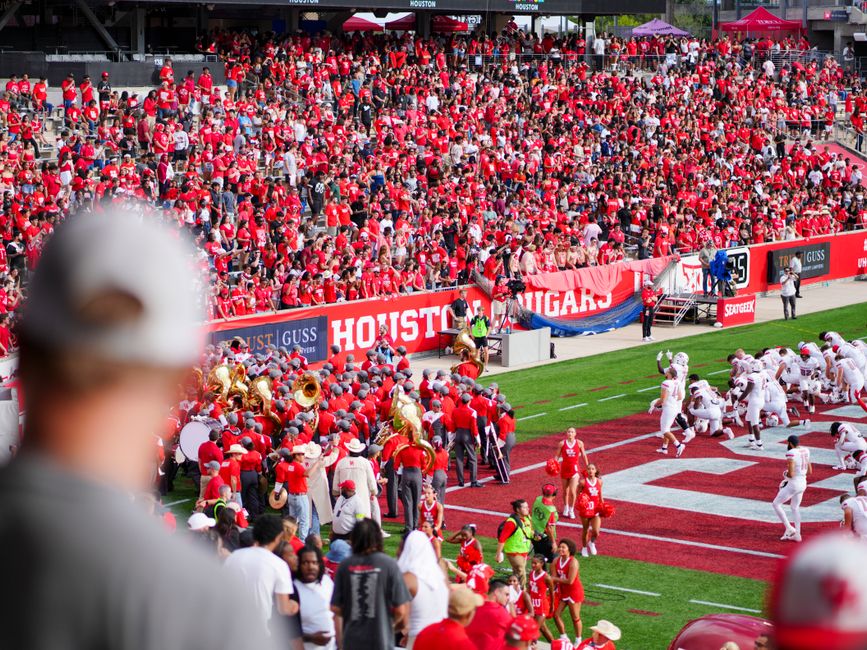
Rallies are won or lost on turnout. If your campaign is bringing supporters from surrounding counties, union halls, or college campuses to a central rally site, a bus (or a small fleet) ensures people arrive together, on time, and without the parking nightmare that comes with hundreds of individual cars converging on one venue.
Volunteer Canvassing Operations
Door-knocking programs often require moving dozens of volunteers from a staging location, such as campaign headquarters, to a target neighborhood miles away. A shuttle bus running loops between HQ and the canvass zone keeps volunteers moving efficiently and reduces the downtime between shifts.
Bus Tour Campaigns
Multi-stop bus tours are a classic campaign tactic, especially in the final weeks before an election. A candidate travels a wrapped coach through several cities or counties in a single day, holding brief stops, press availabilities, and meet-and-greets at each location. This format is common in statewide races, gubernatorial campaigns, and presidential primaries.
Get-Out-The-Vote (GOTV) Drives
On and around election day, campaigns often run shuttle service to help voters without transportation reach their polling location. Nonpartisan and partisan GOTV operations both use vans and buses for this purpose, though partisan efforts must follow specific disclosure and coordination rules covered later in this guide.
Conventions and Party Events
State conventions, county committee meetings, and national party gatherings frequently draw large delegations from across a region. Chartering a bus for delegates is a common cost-saving and coordination tactic, similar to how organizations handle convention transportation for trade groups and associations.
Key Benefits of Charter Bus Rental for Campaigns
Beyond simple logistics, chartering a bus offers strategic advantages that campaign managers should weigh when building an events budget.
- Predictable scheduling: A dedicated driver and vehicle mean the campaign controls departure and arrival times, rather than depending on individual drivers running late.
- Cost efficiency at scale: Splitting the rental cost across dozens of riders is often cheaper than reimbursing mileage or covering rideshare fares for the same group.
- Message discipline: Time on the bus can double as briefing time. Field directors can prep volunteers, run through talking points, or debrief after a canvass shift while everyone is together.
- Visibility and earned media: A wrapped coach parked at a rally or rolling through a downtown corridor generates organic attention and photo opportunities for local press.
- Reduced liability exposure: Professional drivers and commercially insured vehicles reduce the campaign’s risk compared to asking volunteers to drive personal cars long distances.
- Accessibility: Buses equipped with lifts or ramps help campaigns include volunteers and supporters who cannot drive themselves or who use mobility devices.
How to Choose the Right Charter Bus for Your Campaign
Not every event calls for the same vehicle. Matching the bus type to the trip purpose keeps costs in line and avoids wasted capacity.
Bus Size and Capacity
Campaign trips range from a 15-passenger van running a short canvass shuttle to a full 56-passenger motorcoach for a regional rally. Before requesting quotes, nail down a realistic headcount for each leg of the trip. If you are unsure how many seats a given vehicle actually holds once you factor in luggage, signage, and equipment, this charter bus capacity guide breaks down typical seating by vehicle type.
As a general rule:
- Mini-buses (20-30 passengers): Ideal for canvassing shuttles and smaller volunteer teams.
- Mid-size coaches (30-40 passengers): Good for regional rallies and staff travel between multiple event sites.
- Full-size motorcoaches (45-56 passengers): Best for statewide bus tours, large rally turnout, and convention delegations.
Branding and Wrap Options
If the bus itself is part of the campaign’s visual strategy, ask the charter company early about vinyl wrap compatibility, magnetic signage, or window clings. Some coaches accept full exterior wraps, while others only allow removable signage due to lease restrictions. Confirm this before your creative team designs anything, since retrofitting a wrap plan after booking can delay your tour launch.
Amenities That Matter
Campaign schedules are grueling, and the bus often functions as a mobile office as much as a mode of transport. Useful amenities include:
- Wi-Fi for staff to manage social media, press outreach, and scheduling on the move
- Power outlets or USB ports at every seat for phones and laptops
- A restroom on board, especially for multi-hour tour legs
- A PA system or microphone for briefings and morale-building on longer rides
- Ample luggage or equipment storage for signage, banners, and sound gear
Understanding Charter Bus Rental Costs for Campaign Events
Campaign budgets are scrutinized closely, and transportation is often one of the larger line items in a field or events budget. Several factors drive the final price:
- Trip distance and duration: A single-day rally shuttle costs far less than a multi-day, multi-city bus tour.
- Vehicle size: Larger motorcoaches cost more per hour than mini-buses, but they may be more cost-effective per rider on high-turnout events.
- Driver hours and overtime rules: Federal hours-of-service regulations limit how long a driver can be on duty, which may require a second driver or overnight layover on long tours.
- Wrap or signage installation: Custom exterior branding adds setup and removal costs on top of the base rental.
- Peak season and election-cycle demand: Charter availability tightens dramatically in the final weeks before an election, and prices tend to rise along with demand.
Because campaign transportation needs can shift week to week as the race tightens or the schedule changes, it helps to build a flexible transportation budget rather than a single fixed number. This charter bus cost calculator guide walks through how to estimate pricing accurately based on distance, group size, and trip length, which is useful when you need to model several scenarios for a finance director.
Campaign treasurers should also request itemized invoices from the bus company. Detailed billing makes it easier to properly categorize the expense for Federal Election Commission or state disclosure reporting, which is required for most campaign expenditures.
Legal and Compliance Considerations for Campaign Transportation
Political campaigns operate under a different rulebook than a typical corporate or leisure group booking a bus. Anyone planning transportation for a candidate, party committee, or PAC should understand a few compliance basics before signing a contract.
In-Kind Contribution Rules
If a business, individual, or organization offers free or discounted bus service to a campaign, that discount can count as an in-kind contribution subject to contribution limits and disclosure requirements. Campaigns should pay fair market rate for chartered transportation and document the transaction properly to avoid running afoul of campaign finance law. Organizations such as OpenSecrets publish useful explainers on how campaign expenditures and in-kind contributions are tracked and disclosed.
Coordination and Disclosure
Independent expenditure groups and PACs that provide bus transportation to rallies or events on behalf of a candidate must be careful about coordination rules, since improperly coordinated spending can trigger contribution limit violations. Campaign counsel should review any arrangement where a third party is paying for or organizing transportation tied to a specific candidate’s event.
Vehicle Safety Standards
Beyond finance law, campaigns have a basic duty of care to volunteers and staff riding on chartered vehicles. Before booking, confirm the operator’s safety record, insurance coverage, and driver qualifications. A quick review of a charter bus rental safety checklist gives campaign staff a straightforward list of items to verify, including carrier registration, insurance minimums, and vehicle inspection history, before any deposit goes out.
It is also worth understanding what your rental agreement actually covers if an incident occurs on the road. This charter bus insurance explainer covers the coverage types renters should expect from a legitimate operator, which is especially important for campaigns moving volunteers and staff on a tight schedule across multiple states.
Planning Timeline: Booking a Charter Bus for a Campaign
Campaign schedules can be chaotic, but transportation planning benefits from as much lead time as possible. Here is a general timeline field directors and events staff can use.
8 to 12 Weeks Before the Event
Identify the event calendar for the cycle, including rallies, bus tour dates, and known GOTV weekends. Request quotes from multiple charter companies and confirm vehicle availability for peak dates, since election-season demand can book up popular operators months in advance.
4 to 6 Weeks Before the Event
Finalize vehicle size based on projected headcount, lock in contracts, and confirm branding or wrap timelines if the bus will carry campaign signage. Review the contract language carefully, since rental agreements include specific terms around cancellation, overtime, and liability that differ from vendor to vendor. This guide to charter bus rental terms is a useful reference for staff who have never negotiated a motorcoach contract before.
1 to 2 Weeks Before the Event
Confirm final headcounts, pickup and drop-off addresses, and any last-minute schedule changes with the charter company. Share driver contact information with the field team and build a communication plan for day-of adjustments, since campaign schedules frequently shift due to breaking news or candidate availability.
Day of the Event
Assign a staff lead to manage boarding, timing, and communication with the driver. Build in buffer time between stops on multi-city tours, since traffic, unplanned press stops, and enthusiastic crowds almost always run longer than the printed schedule.
Safety Tips for Political Bus Tours
Campaign travel often happens under time pressure, which increases the temptation to cut corners. Resist that urge. A single accident or safety incident can dominate news coverage and derail a campaign’s momentum for days.
- Verify carrier credentials. Confirm the company operates under a valid federal operating authority and carries adequate liability insurance before signing anything.
- Check driver rest requirements. Long bus tour days should account for federally mandated driver rest periods, which may require scheduling a relief driver for multi-city, multi-day tours.
- Plan secure loading zones. Rally sites and press events can draw large crowds. Coordinate with local law enforcement or venue security on a safe, clearly marked loading and unloading zone away from foot traffic.
- Brief staff and volunteers. Give riders clear instructions on boarding procedure, seat assignments if needed, and what to do in case of an emergency stop or evacuation.
- Have a weather contingency plan. Outdoor rallies and tour stops are vulnerable to weather delays. Build flexibility into the schedule for rain, snow, or extreme heat, particularly for tours running through multiple climate zones.
The American Bus Association, an industry trade group representing motorcoach operators across North America, publishes general safety and operational resources at buses.org that can help campaign staff understand standard industry safety practices when vetting a charter company.
Tips for a Smooth Campaign Bus Trip
A few practical habits separate a well-run campaign transportation program from a chaotic one.
- Assign a single point of contact. One staffer should own the transportation relationship, from initial quote through the final invoice, to avoid miscommunication between field, communications, and finance teams.
- Build a rider roster. Know exactly who is supposed to be on each bus for each leg of the trip. This matters for headcount billing and for accountability if someone gets left behind at a stop.
- Pack a go-bag for the bus. Extra signage, batteries, phone chargers, water, and a basic first aid kit save time when something inevitably gets forgotten at headquarters.
- Coordinate with local advance teams. Advance staff at each tour stop should know the bus’s estimated arrival window and have a backup plan if the schedule slips.
- Debrief after each event. A five-minute debrief on the ride to the next stop, covering what worked and what did not, keeps the operation improving throughout the tour.
- Keep receipts and mileage documentation. Campaign finance compliance depends on clean recordkeeping, so save every invoice, contract, and payment confirmation related to the transportation expense.
Campaigns that run frequent multi-stop tours often face similar planning challenges to groups running cross-country charter bus trips, particularly around driver rest requirements, overnight logistics, and fuel stop planning across state lines.
Frequently Asked Questions
Is chartering a bus for a political campaign considered a campaign expenditure?
Yes. Paying fair market value for transportation used to support campaign activity, such as a rally shuttle or a bus tour, is a standard campaign expenditure and should be reported according to applicable federal or state disclosure rules. If the transportation is offered at a discount or for free by an outside party, it may need to be reported as an in-kind contribution instead.
How far in advance should a campaign book a charter bus?
Ideally, campaigns should book at least 8 to 12 weeks ahead of major events like statewide bus tours or high-turnout rallies, especially during peak election season when charter companies see heavy demand. Smaller shuttle needs, like a single day of canvassing transportation, can often be arranged with a few weeks’ notice, though earlier is always safer.
Can a charter bus be branded with campaign signage or wraps?
Many charter companies allow removable signage, magnetic decals, or window clings, and some permit full vinyl wraps depending on the vehicle’s lease terms. Always confirm branding options and any related fees with the operator before finalizing your creative and production timeline.
What size bus does a campaign typically need?
It depends on the event. A canvassing shuttle might only need a 20-passenger mini-bus, while a regional rally or convention delegation could require a full 56-passenger motorcoach. Base the decision on a realistic headcount for each specific leg of the trip rather than assuming one bus size fits every event.
Who is liable if an accident happens during a campaign bus trip?
Liability generally falls on the charter company and its insurance, provided the company is properly licensed and insured, though this can vary based on contract terms and the specifics of the incident. Campaigns should review the rental agreement’s liability and insurance provisions carefully before booking and confirm the operator carries adequate commercial coverage.
Final Thoughts
Transportation rarely gets the spotlight in campaign strategy discussions, but it quietly determines whether your field plan actually works on the ground. A well-managed charter bus rental for political campaign events turns a logistical challenge into a strategic asset, delivering volunteers, staff, and supporters where they need to be, on schedule, safely, and within budget.
Start early, vet your charter company’s safety and insurance credentials, understand the campaign finance implications of the arrangement, and build enough flexibility into your schedule to absorb the inevitable surprises of a campaign season. Get those fundamentals right, and your transportation plan becomes one less thing standing between your campaign and election day.