
Charter Bus Rental for Church Groups: The Complete Planning Guide

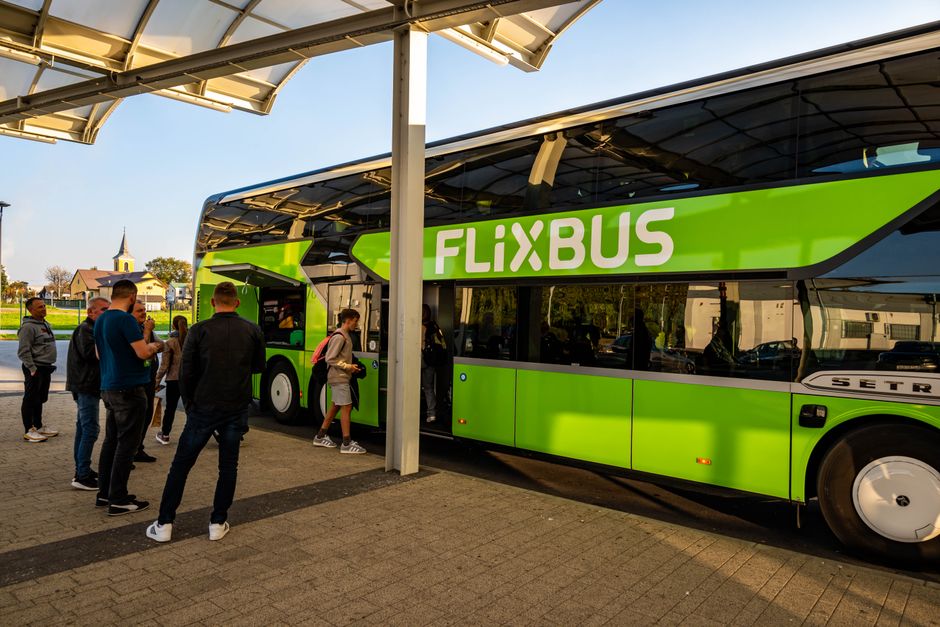
Coordinating transportation for a congregation is never as simple as it sounds. Between Sunday services, youth camps, mission trips, and holiday events, church leaders often find themselves juggling carpools, rental vans, and volunteer drivers who would rather be doing something else. A charter bus rental for church groups solves that problem by putting everyone on one vehicle, with a professional driver, on a schedule that fits your ministry instead of the other way around.
This guide walks through everything a pastor, youth director, or church administrator needs to know before booking a bus. You’ll learn how to figure out the right bus size, what trips make the most sense for group transportation, how pricing works, what safety questions to ask, and how to keep costs manageable on a limited church budget. Whether you’re planning a mission trip, a retreat, a funeral procession, or a simple Sunday shuttle, the information below will help you plan with confidence.
Why Churches Choose Charter Bus Rentals
Churches move people more often than most organizations realize. A single congregation might coordinate transportation for youth group trips, senior ministry outings, Vacation Bible School field trips, choir tours, mission trips, and denominational conferences all within the same year. Relying on a patchwork of personal vehicles and volunteer drivers creates liability risk, scheduling headaches, and inconsistent experiences for members.
A chartered bus consolidates all of that into one reservation. Instead of tracking who drove whom, coordinating gas money, or worrying about a member’s car breaking down halfway to a retreat center, church staff can hand the logistics to a licensed carrier and focus on the ministry itself.
Common Reasons Churches Book Charter Buses
- Mission trips and outreach events that require travel to another city or state
- Youth group retreats and camps held at off-site facilities
- Choir and worship team travel for competitions, festivals, or guest performances
- Denominational conferences and conventions that draw members from multiple congregations
- Senior ministry outings to museums, theaters, or other churches
- Funeral processions and memorial services requiring coordinated transportation for family and church members
- Holiday events such as Christmas light tours, Easter sunrise services at off-site locations, or Thanksgiving outreach programs
- Weekly or monthly shuttle service for congregations without adequate parking
Many of these trips overlap with broader categories covered elsewhere on this site. If your church is planning a spiritual retreat specifically, our guide to charter bus rental for religious retreats goes deeper into retreat-specific logistics like multi-stop pickups and extended-stay scheduling.
Choosing the Right Bus Size for Your Congregation
One of the first questions a rental company will ask is how many people are traveling. Getting this number right matters, because booking too small a bus means leaving members behind, while booking too large a bus wastes money on unused seats.
Typical Bus Sizes and Capacities
- Minibuses (18-30 passengers): Ideal for small youth groups, committee retreats, or a single Sunday school class heading to a field trip.
- Mid-size charter buses (30-40 passengers): A common choice for mid-sized congregations traveling to a conference or day trip.
- Full-size motorcoaches (44-56 passengers): Best for large congregations, combined youth groups from multiple churches, or multi-day mission trips where luggage space matters.
When estimating headcount, add a small buffer, typically five to ten percent, to account for last-minute sign-ups. It’s also worth asking whether children will need car seats or booster seats, since that affects usable seating and may require advance notice to the carrier.
Single Bus vs. Multiple Buses
Large congregations sometimes assume they need one enormous vehicle, but two mid-size buses can actually be more practical. Multiple buses allow you to depart from different neighborhoods or campuses, reduce loading time, and provide a backup if one vehicle has a mechanical issue. If your church has satellite campuses or multiple pickup neighborhoods, ask your rental company about coordinating a multi-bus itinerary with staggered departure times.
Planning the Trip: A Step-by-Step Approach
Church transportation coordinators, often a volunteer or an overworked administrative assistant, benefit from a clear checklist. Here’s a practical sequence for planning any church group trip by charter bus.
1. Confirm the Event Details First
Before contacting a bus company, nail down the date, exact address, expected arrival time, and departure time. Many retreat centers and conference venues have specific unloading zones or curfews for buses, so knowing these details up front speeds up quoting and avoids surprises later.
2. Estimate Headcount Early
Send out a sign-up sheet or online form at least three to four weeks before the trip. Church trips often see fluctuating attendance depending on the season, school schedules, and competing events, so build in a cutoff date for final headcount confirmation.
3. Request Quotes From Multiple Carriers
Get at least two or three quotes. Pricing can vary significantly based on bus size, trip distance, and how far in advance you book. Ask each company for a written quote that spells out the hourly rate or flat rate, mileage charges if applicable, driver gratuity policy, and any additional fees.
4. Verify Licensing and Insurance
Any reputable charter company should be registered with the Federal Motor Carrier Safety Administration (FMCSA) and carry adequate liability insurance. You can verify a carrier’s safety rating using the FMCSA’s SAFER system before signing a contract. This step matters more for churches than many organizations realize, since congregations often travel with children, elderly members, and people with mobility challenges.
5. Lock In the Contract and Deposit
Once you’ve selected a carrier, review the contract carefully. Pay attention to cancellation policies, payment deadlines, and what happens if headcount changes. If any of the terminology in the contract is unfamiliar, our breakdown of charter bus rental terms explains common language like “deadhead miles,” “minimum hours,” and “driver hours of service” in plain English.
6. Communicate the Plan to Your Congregation
Send a clear itinerary to everyone traveling: pickup location, pickup time, what to bring, and any rules about food, luggage, or electronics on the bus. Clear communication reduces no-shows and late arrivals, which keeps the whole trip on schedule.
Budgeting for a Church Charter Bus
Church budgets are often tighter than corporate or school budgets, so cost planning deserves special attention. Charter bus pricing typically depends on several factors:
- Distance and duration of the trip, including any multi-day components
- Bus size and the amenities included, such as restrooms, Wi-Fi, or reclining seats
- Seasonality, since spring break, summer camp season, and holiday weekends tend to carry higher demand and pricing
- Driver overnight accommodations for multi-day trips, which some contracts require the renting group to cover
- Fuel surcharges that fluctuate with market prices
Cost-Saving Strategies for Churches
- Book early. Reserving a bus 60 to 90 days in advance often secures better rates than last-minute bookings, especially during peak travel seasons like summer camp months.
- Combine trips when possible. If your youth group and your senior ministry are both traveling to a nearby city in the same month, see if schedules can be coordinated to share transportation costs.
- Ask about nonprofit or religious organization discounts. Some carriers offer reduced rates for churches and nonprofits, particularly for recurring bookings.
- Consider off-peak travel days. Weekday trips are often cheaper than weekend trips, and departing outside of rush hour can reduce total trip time and driver hours.
- Request itemized quotes. Comparing itemized pricing across carriers helps you spot hidden fees and negotiate more effectively.
Because many churches operate as registered nonprofits, some of the budgeting and vendor-negotiation strategies overlap with what we cover in our guide to charter bus rental for nonprofit organizations, particularly around requesting donation-adjacent discounts and structuring multi-trip contracts.
Safety Considerations Specific to Church Groups
Church trips frequently involve a wide age range in one vehicle, from toddlers in the nursery ministry to elderly members with limited mobility. That mix creates unique safety considerations that a general group trip might not face.
Questions to Ask Before Booking
- Does the bus have working seatbelts for every passenger, and are they required to be worn?
- What is the driver’s experience level, and how many hours of service will they be permitted to drive that day?
- Is the bus equipped with a wheelchair lift or ramp if needed for members with mobility limitations?
- What is the carrier’s policy on emergency stops, medical situations, or unscheduled restroom breaks?
- Does the company conduct background checks and drug testing on its drivers, as required by federal regulations?
For a full rundown of the safety questions every group leader should ask, whether for a church trip or any other kind of group travel, see our charter bus rental safety checklist. It covers driver qualifications, vehicle maintenance records, and insurance verification in more detail than we can fit here.
Supervising Children and Youth Groups
If your trip includes minors, plan adult chaperone ratios in advance, typically one adult per six to eight children depending on age, and assign specific chaperones to specific rows or sections of the bus. Establish clear rules about staying seated, wearing seatbelts, and appropriate behavior before departure, and consider a headcount check at every stop, not just at the final destination.
Special Occasions Churches Use Charter Buses For
Mission Trips
Mission trips often involve travel to unfamiliar areas, sometimes across state lines, with volunteers carrying tools, supplies, or donated goods. A charter bus with ample luggage storage keeps these items secure and out of the aisle, and a reliable carrier reduces the risk of missed connections when your team has a tight service schedule at the destination.
Youth Camps and Retreats
Summer camps and weekend retreats are among the most common reasons youth pastors book a bus. These trips often involve overnight stays, so it’s worth asking whether the carrier can accommodate multi-day scheduling, including driver rest requirements mandated by federal hours-of-service rules.
Choir and Worship Team Travel
Traveling choirs and worship bands need to arrive with instruments, sound equipment, and robes intact. A bus with enclosed luggage bays protects fragile equipment better than a caravan of personal vehicles, and arriving together as a group helps everyone stay on the same rehearsal schedule before a performance.
Denominational Conferences and Conventions
Many denominations hold annual or regional conventions that draw members from across a state or region. Chartering a bus for these events not only reduces the number of cars on the road but also gives members a chance to fellowship, pray, and plan together during the ride, turning travel time into ministry time.
Funeral and Memorial Transportation
Some churches charter buses to transport members to funerals or memorial services, particularly when the deceased was a prominent congregation member and many people wish to attend. A single coordinated vehicle can also simplify logistics for graveside services in cemeteries with limited parking.
Holiday and Seasonal Outreach
Christmas caroling routes, Easter sunrise services at outdoor venues, and Thanksgiving outreach events to shelters or food banks are all opportunities for a charter bus to keep large groups of volunteers moving efficiently through a busy schedule.
What’s Typically Included in a Church Charter Bus Rental
Church leaders new to chartering a bus are often surprised by how much is bundled into a single rental. Most contracts include the vehicle, a licensed professional driver, fuel, and standard maintenance, but the specifics can vary by company and bus type. Amenities commonly available include:
- Air conditioning and heating
- Reclining, padded seating
- Onboard restrooms (standard on most full-size motorcoaches)
- Overhead and under-bus luggage storage
- Wi-Fi and power outlets on newer models
- PA systems, useful for announcements, devotionals, or trip instructions
For a detailed line-by-line explanation of what’s typically bundled into a quote versus what might cost extra, take a look at our article on what is included in a charter bus rental. Understanding this ahead of time helps church committees compare quotes accurately instead of assuming all bids are apples to apples.
Charter Bus vs. Other Transportation Options for Churches
Some churches default to renting a school bus or asking volunteers to drive personal vehicles, but these options come with tradeoffs worth considering.
Charter Bus vs. School Bus
School buses are sometimes cheaper to rent, but they typically lack air conditioning consistency, restrooms, reclining seats, and luggage storage, which becomes a real problem on longer trips. Charter buses are generally better suited for trips over an hour or two, while school buses may work fine for a short local outing. Our comparison of charter bus rental versus school bus rental breaks down the pros and cons in more detail.
Charter Bus vs. Volunteer Carpools
Relying on member-driven carpools might seem free, but it introduces real liability exposure for the church, inconsistent arrival times, and the burden of asking volunteers to give up their own vehicle and driving time. It also fragments the group, which reduces the sense of community that many church trips are designed to build in the first place. If your church regularly coordinates volunteer transportation for outreach programs, our guide to charter bus rental for volunteer groups offers additional planning strategies that apply directly to church-run service programs.
Charter Bus vs. Rental Vans
Multiple 12- or 15-passenger vans require multiple licensed drivers, create convoy coordination challenges, and have historically carried a higher rollover risk than larger commercial buses, according to the National Highway Traffic Safety Administration. A single charter bus with one professional driver eliminates the need to coordinate several vehicles and reduces the number of decision points that can go wrong during a trip.
Booking Timeline: When to Reserve Your Church’s Bus
Timing your reservation correctly can be the difference between getting the exact bus size you want and settling for whatever is left available.
- 3+ months ahead: Ideal for large events like denominational conventions, multi-day mission trips, or summer camp season, when demand for buses spikes across schools, churches, and corporate groups alike.
- 6-8 weeks ahead: A safe window for youth retreats, choir trips, and single-day outings.
- 2-4 weeks ahead: Workable for smaller local trips, though bus selection may be more limited.
- Under 2 weeks: Possible for short-notice needs like a funeral, but expect fewer options and potentially higher pricing.
If your congregation books buses regularly, such as monthly senior outings or a recurring weekly shuttle, consider setting up a standing relationship or contract with one carrier. This often leads to priority scheduling and more predictable pricing over time.
Questions to Ask a Charter Bus Company Before You Sign
Before finalizing any contract, church trip coordinators should ask the rental company the following:
- What is your policy if the headcount changes closer to the trip date?
- Is gratuity for the driver included in the quote, or is it expected separately?
- What happens if the bus breaks down during the trip? Is a backup vehicle guaranteed?
- Can you accommodate multiple pickup locations if members are coming from different neighborhoods?
- Do you offer any discount for repeat bookings or nonprofit organizations?
- What is your cancellation and refund policy if the event is postponed?
If you’re chartering a bus for the first time and want a broader primer on the rental process itself, our charter bus rental FAQ for first-time renters answers many of the general questions that come up before anyone has ever booked a bus before.
Tips for a Smooth Trip Day
- Arrive at the pickup point at least 15 minutes early to account for loading time, especially with elderly members or young children.
- Designate a point person who communicates directly with the driver about schedule changes or unexpected stops.
- Bring a printed roster so chaperones and organizers can do quick headcounts at each stop.
- Pack a small first aid kit and know where it’s stored on the bus.
- Confirm restroom stop intervals in advance, particularly for trips with young children or elderly passengers.
- Share the driver’s estimated arrival time with anyone waiting at the destination, such as retreat center staff or conference organizers.
Frequently Asked Questions
How much does a charter bus rental for a church group cost?
Pricing varies widely depending on bus size, trip distance, and season, but a local day trip on a mid-size bus might range from a few hundred to around a thousand dollars, while multi-day mission trips or long-distance conventions can run considerably higher. Requesting itemized quotes from two or three carriers is the best way to get an accurate number for your specific trip.
Do churches get discounts on charter bus rentals?
Some carriers offer reduced rates for churches, nonprofits, and religious organizations, especially for recurring bookings or off-peak travel dates. It never hurts to ask directly, since discount policies aren’t always advertised publicly.
What size bus does a church youth group need?
It depends on the number of students, chaperones, and any equipment being transported. A group of 20 to 30 people typically fits comfortably on a mid-size bus, while larger youth groups or combined events with multiple churches may need a full-size motorcoach or two smaller buses.
Can a charter bus accommodate members with mobility limitations?
Many charter companies offer wheelchair-accessible buses with lifts or ramps, but availability varies by carrier and region. Request this accommodation when you first request a quote, since accessible buses may need to be scheduled further in advance.
Is it cheaper to rent a charter bus or use personal vehicles for a church trip?
Personal vehicles seem cheaper upfront since there’s no rental fee, but the hidden costs, gas reimbursement, wear and tear, liability exposure, and coordination time, often make a single charter bus more cost-effective and far less stressful once you factor everything in, especially for trips over 30 minutes away.
Final Thoughts
Church transportation doesn’t have to be a logistical headache handled by whoever happens to own the biggest van. A well-planned charter bus rental keeps your congregation together, reduces liability, and lets your staff and volunteers focus on the actual purpose of the trip instead of managing a convoy of personal cars.
Start by nailing down your headcount and trip details, request quotes from a few licensed carriers, and ask the safety and contract questions outlined above before signing anything. With the right planning, your church’s next mission trip, retreat, or convention can run smoothly from the moment the bus pulls up to the moment everyone gets home safely.