How Cold Does a Charter Bus Get? What Every Passenger Should Know

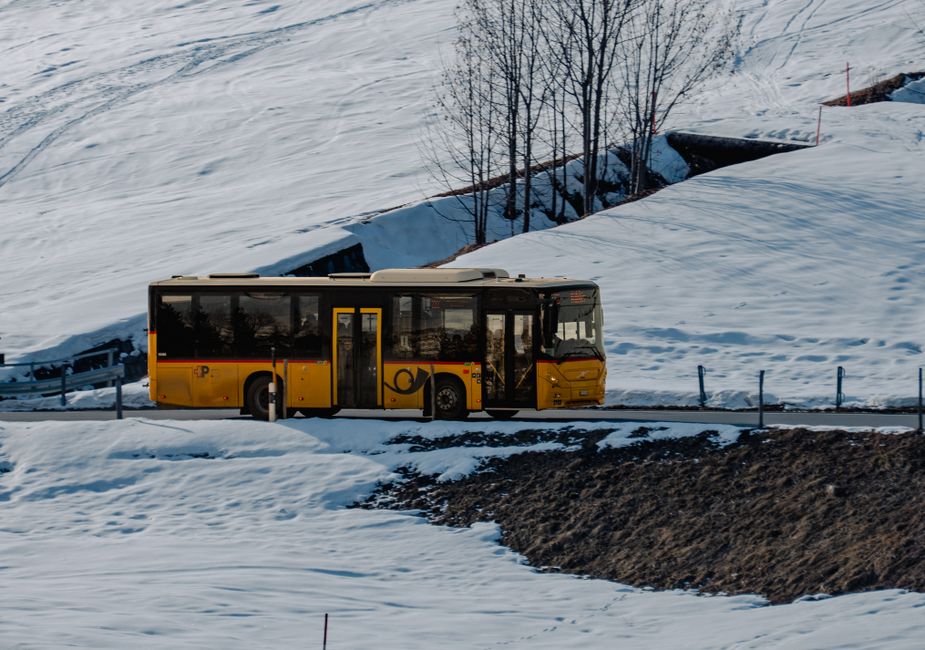
If you have ever boarded a charter bus in January and immediately regretted not wearing a heavier coat, you already know the answer isn’t simple. So, how cold does a charter bus get? On a typical trip, a well-maintained charter bus stays between 65 and 72 degrees Fahrenheit, even in freezing weather outside. However, temperatures can drop noticeably near doors, windows, and the back of the bus, and mechanical issues or long idle times can make things colder than expected.
In this guide, we will break down exactly what affects the temperature on a charter bus, why some seats feel colder than others, what happens when a bus heater fails, and how you can prepare so you are never caught off guard. Whether you are planning a winter ski trip, a late-night overnight journey, or a graduation ceremony in early spring, understanding bus climate control will help you and your group travel more comfortably.
How Cold Does a Charter Bus Get on Average?
Most modern charter buses are equipped with commercial-grade heating and cooling systems designed to keep the interior between 68 and 74 degrees Fahrenheit regardless of the outside temperature. These systems are similar to those found in large motorhomes or tour buses, using diesel-fired heaters, engine coolant heat exchangers, or auxiliary electric heating units to maintain a stable cabin temperature.
In practice, though, the actual temperature you feel depends on several variables:
- The age and condition of the bus’s heating system
- How long the engine has been running before departure
- Outside temperature and wind chill
- Number of passengers on board (body heat adds warmth)
- Seat location (front, middle, back, aisle, or window)
- How often the doors open and close during stops
On a cold winter day with temperatures in the teens or single digits, a charter bus with a properly functioning heater will typically keep the cabin around 65 to 70 degrees. That said, drafts near the entry door, luggage bay access points, and window seals can create localized cold spots that feel 5 to 10 degrees cooler than the rest of the bus.
Why Temperature Varies So Much From Seat to Seat
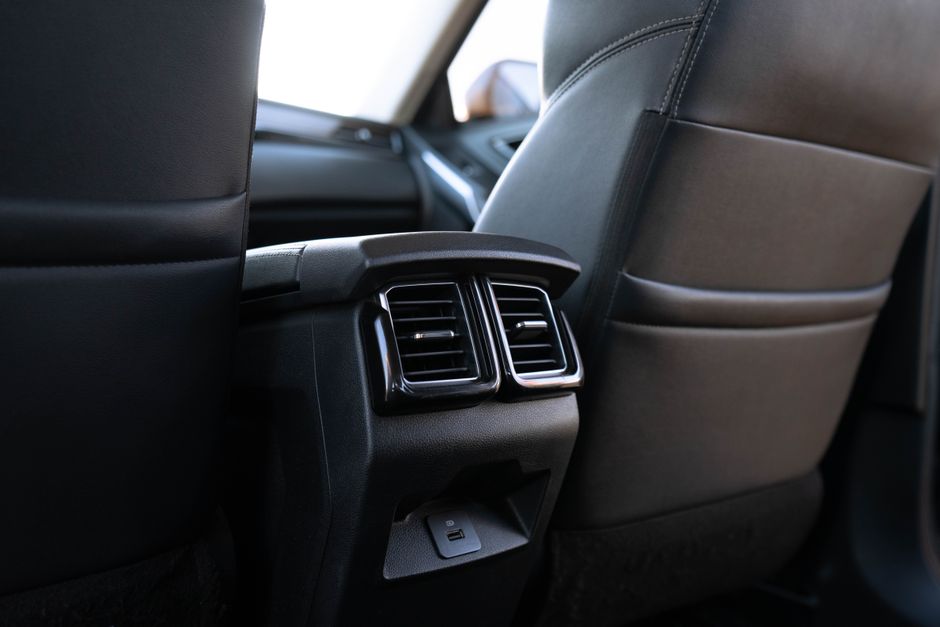
Unlike a car, a charter bus is a long, narrow space with heating vents typically located along the floor or lower side panels, and sometimes overhead as well. This means passengers near the front, closest to the driver and engine compartment, often feel warmer air first. Passengers in the rear, especially those near the restroom or emergency exit, may notice a chillier feel due to distance from the heat source and potential air leaks around the back door.
Window seats can also feel colder in winter because glass loses heat faster than insulated panel walls. If you are someone who runs cold, requesting an aisle seat or a seat closer to the middle of the bus can make a noticeable difference on a long winter trip.
What Affects Charter Bus Temperature Control
1. The Bus’s Heating System Type
Charter buses generally use one of a few heating methods:
- Engine coolant heating: Uses heat generated by the engine, circulated through the cabin via a heater core, similar to a car’s heater.
- Auxiliary diesel heaters: Independent heating units that can warm the cabin even when the engine is off or idling, common in newer coach models.
- Electric resistance heaters: Less common, but sometimes used for supplemental heat in specific zones of the bus.
Buses with auxiliary heaters tend to maintain more consistent temperatures because they are not solely dependent on engine operation. This matters especially during rest stops when the engine may be turned off temporarily.
2. Outside Weather Conditions
It should come as no surprise that the colder it is outside, the harder the heating system has to work. During extreme cold snaps, below zero Fahrenheit, even a well-functioning bus heater may struggle to keep the entire cabin uniformly warm, particularly in the first 15 to 20 minutes after starting the engine from cold.
Wind chill also plays a role. A bus parked outside overnight in windy, sub-zero conditions will take longer to warm up than one that has been running or parked in a garage.
3. Insulation Quality and Bus Age
Older charter buses, particularly those manufactured before the early 2000s, often have thinner insulation and less efficient window seals compared to newer models. As a result, older buses tend to lose heat faster and may feel colder overall, even with the heater running at full capacity.
Newer coaches, especially those built in the last 10 years, typically include improved insulation, double-pane windows, and more advanced climate control systems that maintain temperature more evenly throughout the cabin.
4. Passenger Load
A full bus with 50 passengers will generally feel warmer than a half-empty bus with 20 passengers, simply due to body heat. If you are traveling in a smaller group and the bus feels colder than expected, this is one reason why, and it is worth mentioning to your driver so they can adjust the thermostat accordingly.
How Cold Can It Get if the Heater Fails?
While rare, heating system failures do happen, especially on older buses or during extremely long trips where mechanical stress builds up. If a charter bus heater fails during a winter trip, the interior temperature can drop significantly, potentially matching or coming close to the outside temperature within an hour or two, depending on insulation and how many people are on board.
In a worst-case scenario, such as a breakdown on a highway during a snowstorm, temperatures inside the bus could realistically drop into the 40s or even lower if the vehicle is stationary for an extended period without auxiliary power. This is why reputable charter bus companies conduct pre-trip inspections and carry backup plans for cold-weather routes.
What Happens During a Breakdown in Cold Weather
If a charter bus breaks down in freezing conditions, a few things typically happen:
- The driver will usually keep the engine running if safely possible to maintain some heat.
- Passengers may be asked to keep coats and blankets accessible at all times during winter travel.
- The charter company will dispatch a replacement vehicle or roadside assistance as quickly as possible.
- In prolonged situations, passengers may be moved to a nearby shelter, rest stop, or warming location.
This is one of many reasons why it is smart to review your pre-trip checklist before any winter journey, packing extra layers, blankets, and hand warmers just in case.
Charter Bus Temperatures for Specific Trip Types
Ski Trips and Winter Mountain Travel
Ski trips present a unique challenge because buses often travel through mountainous, high-altitude terrain where temperatures can be significantly colder than at lower elevations. If you are organizing a winter mountain trip, it is worth reading our complete guide to charter bus rental for ski trips, which covers everything from equipment storage to cold-weather safety planning.
On these trips, buses may idle for longer periods at high elevations to maintain heat, and drivers are trained to monitor cabin temperature more closely due to the added risk of ice and snow affecting mechanical performance.
Overnight and Long-Distance Trips
During overnight trips, temperatures inside the bus can fluctuate more than on shorter daytime rides. As outside temperatures drop overnight, especially in fall and winter months, drivers typically adjust the heating system to keep passengers comfortable while they sleep. If you are planning an overnight journey, our overnight charter bus trips guide offers helpful tips on staying warm and comfortable through the night, including what to pack and how to dress in layers.
For long-distance charter bus travel, temperature consistency becomes even more important since passengers are on board for extended periods, sometimes crossing multiple climate zones in a single trip.
Early Morning and Late Evening Departures
If your charter bus trip departs very early in the morning or returns late at night, expect the cabin to be cooler at first, especially in fall, winter, or early spring. It usually takes 10 to 20 minutes of driving for the heating system to bring the cabin up to a comfortable temperature, particularly if the bus has been sitting outside overnight.
This is especially relevant for events like graduation ceremonies held in early morning hours or company retreats with early departure times. If you are organizing transportation for a graduation ceremony in cooler months, it is worth notifying your group to dress warmly for the initial boarding period.
How Charter Bus Companies Manage Cold Weather Comfort
Pre-Trip Warm-Up Procedures
Reputable charter bus companies typically start the bus’s engine and heating system 15 to 30 minutes before passenger boarding during cold weather months. This warm-up period allows the cabin to reach a comfortable temperature before anyone steps on board, reducing that initial cold shock many travelers associate with winter bus rides.
Zone-Based Climate Control
Some newer charter buses feature zone-based climate control, allowing drivers to adjust temperature settings for the front, middle, and rear sections independently. This technology helps address the common complaint of uneven heating that can occur on older, single-zone buses.
Regular Maintenance Checks
Heating systems require regular maintenance, including coolant checks, heater core inspections, and seal replacements around doors and windows. Charter companies that prioritize maintenance are far less likely to experience heating failures, which is one reason why choosing a reputable provider matters, particularly for winter travel.
Tips for Staying Warm on a Charter Bus
Even with a well-maintained heating system, it is smart to prepare for variable temperatures, especially on longer trips. Here are practical tips to stay comfortable:
- Dress in layers: A base layer, mid-layer, and outer layer allow you to adjust as needed throughout the trip.
- Bring a travel blanket: A compact fleece or thermal blanket takes up little space and adds significant warmth.
- Pack hand and foot warmers: These small disposable warmers are inexpensive and extremely effective for long winter rides.
- Choose your seat wisely: If possible, avoid seats directly next to the entry door or emergency exit in winter months.
- Wear warm socks and closed shoes: Feet tend to get cold first, especially near the floor vents or drafty areas.
- Bring a neck pillow with a hood or scarf: This helps retain body heat around the neck and shoulders during sleep on overnight trips.
- Stay hydrated: Cold, dry air inside heated vehicles can be dehydrating, so bring water even in winter.
What to Avoid Packing in the Cold
While it is important to bring warm items, avoid overly bulky coats that take up excessive space, since charter buses have limited overhead and under-seat storage. Instead, opt for compressible layers that pack down small but still provide warmth, similar to what you would bring on a flight.
How Cold Weather Affects Charter Bus Group Trips
School and University Groups
For school trips, cold weather planning is especially important since students may not always dress appropriately for extended outdoor waiting or cold bus interiors. If you are organizing transportation for a university event during winter months, it is wise to send a reminder to attendees about dressing warmly for the ride, particularly if there will be outdoor waiting time at pickup locations.
Corporate and Business Travel
Business groups traveling to conferences or company retreats in winter should also account for temperature comfort, particularly for early morning departures when the bus interior may still be cooling from an overnight parking period. Providing a brief note in trip communications about expected temperatures can help attendees prepare appropriately.
Large Group Considerations
Interestingly, larger groups often report feeling warmer overall due to combined body heat, which is one added benefit when booking a charter bus for large groups. Smaller groups, on the other hand, may want to request a slightly higher thermostat setting since fewer passengers means less passive body heat contributing to cabin warmth. This is worth keeping in mind when comparing options for a small group charter bus rental.
How Charter Bus Air Conditioning Compares in Summer
While this article focuses primarily on cold temperatures, it is worth noting that charter buses face the opposite challenge in summer, keeping cabins cool rather than warm. Most charter buses use a similar mechanical approach, engine-powered or auxiliary air conditioning units, to maintain comfortable temperatures around 70 to 75 degrees Fahrenheit even during hot summer months.
The same seat-to-seat variability applies in summer as well, with seats near the rear or windows sometimes feeling warmer due to sun exposure or distance from air conditioning vents. If you are planning a summer trip, such as transportation for theme park visits or summer camps, it is helpful to know that most modern coaches handle heat just as effectively as cold.
Signs a Charter Bus Has Heating Issues
If you suspect the heating system on your charter bus is not functioning properly, look for these signs:
- Cold air blowing from vents instead of warm air
- Noticeable temperature differences between front and back of the bus
- Windows fogging up excessively, which can indicate poor ventilation balance
- Persistent drafts near doors or emergency exits
- The driver mentioning mechanical concerns or delays related to the heating system
If you notice any of these issues early in your trip, it is reasonable to notify the driver or charter company promptly, since a heating malfunction is a safety concern in extreme cold, not just a comfort issue.
How to Choose a Charter Bus Company That Handles Cold Weather Well
Not all charter bus companies maintain their vehicles to the same standard, which can directly impact your comfort and safety during winter travel. When booking, consider asking these questions:
- How often is the heating system inspected and serviced?
- Do your buses use auxiliary heaters in addition to engine-based heating?
- What is your protocol if a heater malfunctions mid-trip?
- Do you provide backup vehicles for winter routes in case of mechanical issues?
A company that answers these questions confidently and specifically is generally a safer bet for cold-weather group travel. It is also worth reviewing the company’s deposit and cancellation policy, particularly for winter trips where weather-related delays or cancellations are more likely.
Frequently Asked Questions
How cold does a charter bus get inside during winter?
A properly functioning charter bus typically stays between 65 and 72 degrees Fahrenheit inside, even when outside temperatures drop well below freezing. However, seats near doors, windows, or the rear of the bus may feel a few degrees cooler due to drafts and distance from heating vents.
Do charter buses have heaters?
Yes, virtually all charter buses are equipped with heating systems, typically using engine coolant heat, auxiliary diesel heaters, or a combination of both. Newer coach models often include more advanced, zone-based climate control for more consistent cabin temperatures.
What happens if a charter bus heater breaks down in cold weather?
If a heater fails, cabin temperature can drop significantly over one to two hours, potentially approaching outside temperatures if the vehicle is stationary for an extended period. Reputable charter companies typically dispatch a replacement bus or provide roadside heating solutions to minimize passenger discomfort and safety risk.
Why does the back of the bus feel colder than the front?
The rear of a charter bus is often farther from the primary heat source and may be closer to drafty areas like the restroom or emergency exit. Additionally, heating vents are sometimes less concentrated toward the back, leading to a noticeably cooler feel compared to front or middle seats.
Should I bring a blanket on a charter bus in winter?
Yes, bringing a lightweight travel blanket is a smart precaution, even if the bus heating system works well. Blankets provide extra comfort during initial warm-up periods, overnight trips, or in the rare event of a heating malfunction.
Final Thoughts
So, how cold does a charter bus get? Under normal, well-maintained conditions, expect a comfortable 65 to 72 degree cabin regardless of how frigid it is outside. That said, seat location, bus age, passenger load, and occasional mechanical issues can all create pockets of cold air or, in rare cases, more significant temperature drops.
By dressing in layers, choosing your seat thoughtfully, and packing a few cold-weather essentials, you can stay comfortable no matter what the thermometer says outside. And if you are booking group transportation for a winter event, taking a few minutes to ask your charter company about their heating maintenance practices can make a meaningful difference in your overall travel experience.