Best Charter Bus for Elderly Travelers: A Complete Comfort and Safety Guide


Planning group travel for older adults comes with a different set of priorities than booking a bus for a college trip or a bachelorette party. Mobility, comfort, and safety move to the front of the line, and the wrong vehicle choice can turn an exciting outing into a stressful, exhausting ordeal. If you’re researching the best charter bus for elderly travelers, you’re likely organizing a senior center outing, a church group excursion, a retirement community day trip, or a family reunion that includes grandparents and great-grandparents.
This guide walks through everything that matters when choosing a charter bus for senior passengers, from wheelchair accessibility and seat design to restroom access, ride smoothness, and the right questions to ask a bus company before you sign a contract. By the end, you’ll know exactly what separates a senior-friendly coach from a standard rental, and you’ll be equipped to book with confidence.
Why Choosing the Right Charter Bus for Elderly Travelers Matters
Older adults often deal with reduced mobility, joint pain, balance issues, hearing or vision impairments, and medical conditions that require extra planning. A charter bus that works fine for a group of 25-year-olds heading to a concert may be completely unsuitable for a group of 70- and 80-year-olds heading to a casino or a botanical garden.
Steep steps, narrow aisles, hard seats, and long stretches without a restroom break can all create real problems. On the other hand, the right vehicle, paired with a thoughtful itinerary, can make a day trip enjoyable and low-stress for everyone involved, including caregivers and trip organizers.
In addition, choosing a coach designed with senior comfort in mind reduces liability risk for organizations like senior centers, churches, and assisted living facilities. A fall on unsafe steps or a medical incident during a long, restroom-free stretch is exactly the kind of situation you want to avoid through careful planning.
Key Accessibility Features to Look For in a Charter Bus for Elderly Travelers
Not all charter buses are built the same way, and accessibility features vary widely between vehicle types and companies. Here’s what to prioritize when comparing options.
Wheelchair Lifts and Ramps
If your group includes wheelchair users or passengers with walkers, you need a bus equipped with a wheelchair lift or a low-floor ramp system. Look for vehicles that are labeled ADA-compliant, meaning they meet accessibility standards set under the Americans with Disabilities Act. Ask the charter company directly how many wheelchair-accessible spots the bus has and whether the securement system has been tested and maintained.
Low-Step Entry and Handrails
Even passengers who don’t use mobility devices often struggle with the tall, steep steps found on some older coaches. Look for buses with:
- Wide, non-slip steps with contrasting edge markings
- Sturdy handrails on both sides of the entry door
- Interior grab bars along the aisle
- A driver willing to assist passengers on and off the bus
These small details make a significant difference for someone with arthritis, a recent hip replacement, or general balance concerns.
Seating and Legroom
Seniors often need more legroom than younger travelers, particularly if they have knee or hip issues, use a cane, or simply need room to shift positions during a long ride. Reclining seats with padded cushioning and adjustable headrests reduce fatigue on trips longer than an hour or two.
Restroom Access
An onboard restroom is close to essential for elderly group travel. Many seniors take medications that increase bathroom frequency, and the ability to use a restroom without waiting for the next rest stop reduces anxiety and discomfort considerably. Confirm the restroom is functional, clean, and easy to access from most seats on the bus.
Best Types of Charter Buses for Elderly Travelers
The
For related reading, see our guide on Charter Bus Rental for Theme Parks: The Complete Planning Guide.
best charter bus options for elderly travelers include several vehicle types, each offering different levels of comfort, accessibility, and space. Choosing the right one depends on your group’s mobility needs, trip length, and budget.
Standard Motorcoaches
Full-size motorcoaches are often the top choice for senior group travel because they offer the most legroom, the smoothest ride, and the widest range of comfort features. Most modern motorcoaches include reclining seats, individual air vents, tinted windows to reduce glare, and an onboard restroom. Because they run on air-ride suspension systems, they tend to absorb road bumps far better than smaller vehicles, which matters a great deal for passengers with back or joint pain. If your group is traveling more than 30 minutes, a standard motorcoach is usually the safest and most comfortable option.
Mini Coaches and Minibuses
For smaller senior groups, typically under 30 passengers, a mini coach or minibus can be a practical and cost-effective option. These vehicles are easier to maneuver in tight parking lots, which is especially useful for trips to smaller venues like medical centers, community events, or local restaurants. However, mini coaches often have less legroom and a higher step-up height than full-size coaches, so it’s important to confirm accessibility features before booking, particularly if any passengers use mobility aids.
Wheelchair-Accessible and ADA-Compliant Coaches
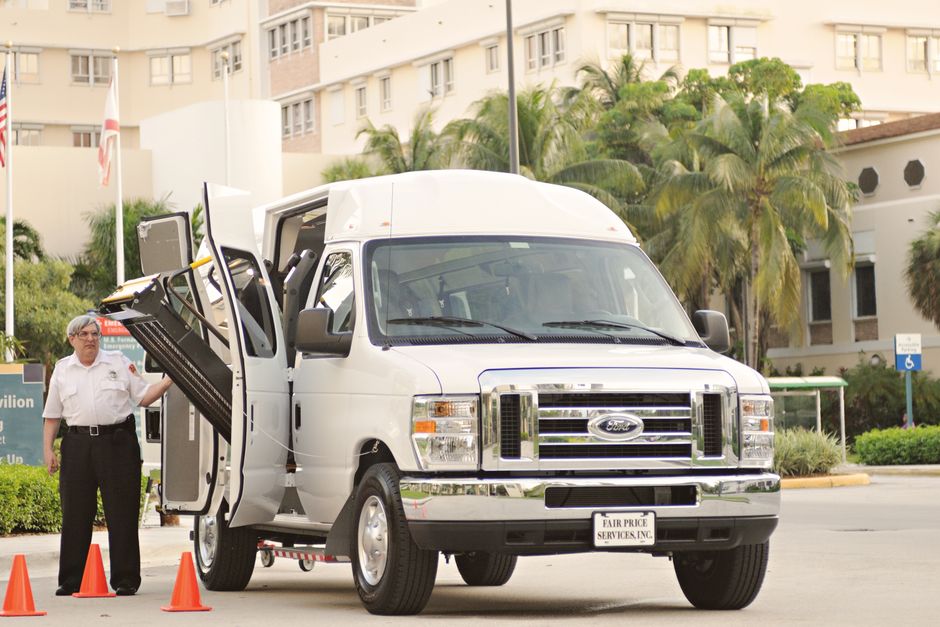
If your group includes passengers who use wheelchairs, walkers, or scooters, an ADA-compliant coach is essential rather than optional. These vehicles typically include a hydraulic lift or ramp, reinforced tie-down anchors to secure wheelchairs during transit, wider aisles, and designated accessible seating near the entrance. Not every charter company owns wheelchair-accessible vehicles, so this should be one of the first questions you ask when requesting quotes. Booking early is especially important for these coaches, since accessible vehicles are often in higher demand and limited in supply compared to standard buses.
Luxury Motorcoaches
For senior groups planning a special occasion, a milestone anniversary trip, or a longer multi-day tour, a luxury motorcoach can elevate the entire experience. These coaches often include leather reclining seats, extra-wide aisles, premium climate control zones, onboard entertainment systems, and sometimes even onboard refreshment centers. While luxury coaches typically cost more to rent, many senior groups find the added comfort well worth the investment, particularly for trips exceeding two or three hours.
Essential Safety Features for Senior Passengers
Comfort matters, but safety should always come first when planning transportation for elderly travelers. Seniors are statistically more vulnerable to injury from falls, sudden stops, or extreme temperatures, so the right charter bus should be equipped to minimize those risks at every stage of the trip.
Secure Seating and Seatbelts
Every seat on a modern charter bus should include a functioning seatbelt, and passengers should be encouraged, or assisted if needed, to buckle in before departure. Well-padded seats with sturdy frames also help prevent shifting during turns or sudden braking, which reduces the risk of falls for passengers with limited mobility or balance issues.
Emergency Exits and Evacuation Readiness
Ask the charter company how emergency exits are marked and whether the driver reviews evacuation procedures before departure, particularly for longer trips. Buses should have clearly labeled emergency exits, functioning emergency lighting, and a driver trained to assist passengers who may need extra time or help evacuating in an emergency.
Driver Training and Experience
The driver is arguably the single most important safety factor on any charter bus trip. For elderly groups, look for drivers who are patient, experienced with senior passengers, and willing to slow down for boarding and deboarding rather than rushing the process. Many reputable charter companies provide additional training for drivers assigned to senior tours, medical transport, or accessibility-focused routes. Don’t hesitate to ask the company directly about their driver vetting process, including background checks and years of experience.
Climate Control and Air Quality
Seniors are often more sensitive to temperature extremes than younger travelers, and some medical conditions make it harder for the body to regulate heat or cold. A bus with reliable, zone-controlled climate settings helps keep the cabin at a comfortable and consistent temperature throughout the trip, which is especially important during summer heat waves or winter cold snaps.
Non-Slip Flooring and Interior Grab Bars
Slips and falls are among the most common injuries during group travel, and the risk increases significantly for elderly passengers. Non-slip flooring in the aisle and entryway, combined with well-placed grab bars, gives passengers something secure to hold onto while moving through the bus, especially when the vehicle is in motion or parked on an uneven surface.
Comfort Amenities That Make a Real Difference
Beyond the basics of safety and accessibility, certain amenities can transform a long bus ride from exhausting to genuinely enjoyable for older travelers. When comparing charter bus options, keep an eye out for the following features.
- Reclining, cushioned seats that reduce pressure on the lower back and hips during extended sitting
- Individual climate and air vent controls so passengers can adjust their own comfort level
- Large, tinted windows that reduce glare while still offering scenic views
- Onboard restroom facilities that are clean, accessible, and well-maintained
- Power outlets or USB ports for charging phones, hearing aid accessories, or medical devices
- Quiet, smooth-riding suspension that minimizes vibration and jarring movements
- Ample overhead and under-seat storage for canes, walkers, oxygen tanks, or medical bags
None of these features are luxuries in the traditional sense. For elderly travelers, they are often the difference between arriving at a destination rested and ready to enjoy the day, or arriving exhausted, sore, and anxious about the return trip.
Planning a Senior-Friendly Charter Bus Trip
Choosing the right vehicle is only part of the equation. How you plan the trip itself has a major impact on how comfortable and stress-free the experience is for elderly passengers.
Build In Rest Stops
Even with a comfortable bus, sitting for extended periods can cause stiffness, swelling, or discomfort for older travelers. Plan rest stops every 90 minutes to two hours on longer trips, giving passengers a chance to stretch, use the restroom, and move around. If you’re planning a multi-day trip, our long-distance charter bus travel tips guide offers additional strategies for keeping passengers comfortable over extended hours on the road.
Think Carefully About Seating Assignments
Assigning seats near the front of the bus and closest to the restroom and exit door can significantly reduce the amount of walking required for passengers with limited mobility. It also allows the driver or a designated helper to keep a closer eye on anyone who might need extra assistance during the trip.
Account for Medication and Health Needs
Encourage passengers to bring medications, water, and any necessary medical supplies in an easily accessible bag rather than packed away in checked luggage. If your group includes anyone with dietary restrictions, mobility equipment, or medical devices requiring power, communicate these needs to the charter company in advance so the driver and vehicle can be properly prepared.
Pace the Itinerary Realistically
Whether you’re organizing a day trip or a multi-day tour, avoid overpacking the schedule. Elderly travelers generally do best with a slower pace that includes built-in downtime between activities. If your trip involves an overnight stay, our overnight charter bus trips guide covers additional planning considerations, from luggage handling to hotel coordination, that are especially useful for senior groups.
Consider Group Size Carefully
Smaller groups are often easier to manage for elderly travel, since it reduces boarding and deboarding time and allows for more personalized assistance. If you’re planning a trip for a moderate-sized senior group, our guide on choosing the right charter bus for small groups can help you determine the most appropriate vehicle size for your specific numbers.
Questions to Ask a Charter Bus Company Before Booking
Not every charter bus company is equally prepared to accommodate elderly passengers. Asking the right questions upfront helps you avoid unpleasant surprises on the day of travel.
- Does the vehicle have a wheelchair lift or ramp, and how much weight can it support?
- How many steps are required to board, and are handrails available on both sides?
- Is there a working, accessible restroom onboard?
- What is the driver’s experience level with senior or accessibility-focused trips?
- How does the company handle mobility equipment such as walkers, wheelchairs, or oxygen tanks?
- What is the seating capacity, and does it allow for extra space or empty seats if needed?
- What is the cancellation and deposit policy in case travel plans change due to health concerns?
That last question is worth taking seriously. Health circumstances can change quickly for elderly travelers, and understanding the company’s flexibility can save your group significant stress and expense. Our charter bus deposit and cancellation policy guide breaks down what to expect and what to negotiate before signing a contract.
Day-of-Trip Tips for a Smooth Experience
Even with the right vehicle and a well-planned itinerary, small logistical details on the actual day of travel can make a big difference for elderly passengers.
Arrive Early and Board Without Rushing
Give your group extra time to board the bus without feeling rushed. A driver or trip coordinator who is patient during boarding sets a calm tone for the entire trip and reduces the risk of falls or injuries caused by hurrying up the steps.
Assign a Point Person for Assistance
If your group is large, consider assigning a staff member, family member, or volunteer to help coordinate boarding, luggage, and restroom breaks. This person can also serve as the main point of contact with the driver for any special requests during the trip.
Coordinate Pickup and Drop-Off Locations Carefully
Choose pickup and drop-off points that minimize walking distance, especially if the location has uneven pavement, stairs, or a long distance from parking. Our charter bus pickup and drop-off guide offers practical advice for selecting safe, convenient locations that work well for groups with mobility considerations.
Communicate Clearly Throughout the Trip
Make announcements about rest stops, arrival times, and any schedule changes clearly and loudly enough for passengers with hearing difficulties to understand. Written itineraries or printed schedules can also help passengers who prefer visual reminders over verbal announcements.
Cost Considerations for Elderly Group Travel
Charter bus rental costs vary depending on vehicle size, trip length, and the level of accessibility equipment required. Wheelchair-accessible coaches and luxury motorcoaches typically cost more than standard vehicles due to specialized equipment and higher maintenance requirements. While it can be tempting to choose the least expensive option available, cutting corners on accessibility or comfort features often leads to a more stressful experience for elderly passengers and, in some cases, safety risks that far outweigh the cost savings.
When budgeting, it helps to request quotes from multiple companies and ask for a detailed breakdown of what’s included, such as driver gratuity, fuel surcharges, and any additional fees for accessibility equipment. According to the Americans with Disabilities Act (ADA), public transportation providers, including many charter services, are required to offer reasonable accommodations for passengers with disabilities, so don’t be afraid to ask directly about compliance if accessibility is a priority for your group.
Frequently Asked Questions
What size charter bus is best for a senior group trip?
It depends on your group size and mobility needs. For groups under 20 people, a mini coach may work well, while larger groups typically benefit from a full-size motorcoach with more legroom and onboard amenities. If several passengers use mobility devices, prioritize accessibility features over vehicle size alone.
Do all charter buses have wheelchair access?
No. Wheelchair-accessible coaches are a specific vehicle category equipped with lifts or ramps and reinforced tie-down systems. Not every charter company owns these vehicles, so it’s important to confirm availability and book early if your group requires this feature.
How long can elderly passengers comfortably ride a charter bus?
With proper rest stops, comfortable seating, and climate control, many elderly travelers can comfortably manage several hours of travel. Building in a break every 90 minutes to two hours helps prevent stiffness, swelling, and fatigue on longer trips.
What should I pack for an elderly relative on a charter bus trip?
Pack medications, water, snacks, a light blanket or shawl for temperature changes, and any necessary mobility aids or medical devices in an easily accessible bag rather than stored luggage. A small cushion can also add extra comfort for passengers with back or hip discomfort.
Are onboard restrooms available on all charter buses?
Most full-size motorcoaches include an onboard restroom, but smaller minibuses and mini coaches may not. Always confirm restroom availability directly with the charter company, especially for trips longer than an hour.
Final Thoughts
Planning transportation for elderly travelers requires a bit more attention to detail than a standard group trip, but the payoff is well worth it. A charter bus equipped with accessible boarding, comfortable seating, a functioning restroom, and a patient, experienced driver can turn a potentially stressful outing into a genuinely enjoyable experience for every passenger. By asking the right questions upfront, planning a realistic itinerary, and prioritizing safety features alongside comfort amenities, you can create a travel experience that lets seniors focus on the destination rather than the discomfort of getting there.