
Charter Bus for Team Building Events: The Complete Planning Guide

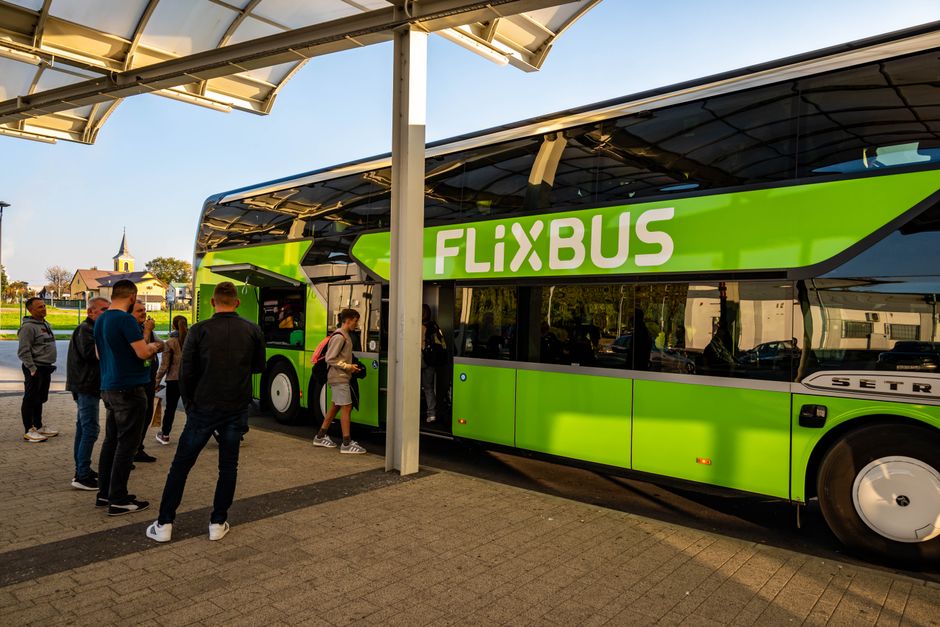
Getting a group of coworkers excited about a team building event is hard enough. Getting them all to the venue on time, in a good mood, and without twelve separate cars clogging up the parking lot is a whole different challenge. That’s where a charter bus for team building events earns its keep. It turns the commute itself into part of the experience instead of a logistical headache.
In this guide, you’ll learn when a charter bus makes sense for team building outings, how to pick the right size and amenities, what it costs, and how to plan the trip so your event actually feels like a break from the office rather than an extension of it. Whether you’re organizing a ropes course retreat, an escape room challenge, a winery tour, or a simple day at a bowling alley, the transportation decision affects everything else about the day.
Why Group Transportation Matters for Team Building Events
Team building only works if people actually engage with each other. That’s difficult to do when everyone drives separately, arrives at different times, and spends the day worrying about parking or gas money. A shared ride changes the dynamic before the event even starts.
When employees ride together, conversations start early. People who never talk in the office suddenly find themselves sitting next to someone from another department, and that’s often where the real team building begins, long before anyone touches a rope course or trivia sheet.
- Everyone arrives together: No stragglers, no waiting around for latecomers stuck in traffic.
- Reduced liability: Employees aren’t driving personal vehicles after a few drinks at a happy hour or winery stop.
- Lower stress: No one has to worry about directions, tolls, or where to park.
- Built-in bonding time: The ride there and back becomes part of the activity, not just a means to get to it.
- Cost efficiency: Splitting one bus rental is almost always cheaper than reimbursing mileage or paying for a dozen rideshare trips.
When Does It Make Sense to Rent a Charter Bus for Team Building?
Not every office outing needs a 50-passenger coach. However, once your group grows past 15 or 20 people, or the venue is more than a short drive from the office, group transportation starts to pay for itself in convenience alone.
Common Scenarios Where a Charter Bus Fits
- Off-site retreats at a lodge, ranch, or conference center
- Outdoor adventure activities like ziplining, ropes courses, or hiking
- Winery, brewery, or distillery tours where nobody should be driving afterward
- Volunteer days or community service events at a different location
- Sporting events, bowling, go-kart racing, or escape rooms
- Multi-department
For related reading, see our guide on Charter Bus Rental for University Events: The Complete Planning Guide.
mixers, holiday parties, or interdepartmental competitions that require everyone to arrive together and on schedule
If your team building day checks any of these boxes, a charter bus rental is worth serious consideration. The larger and more spread out your group, the more transportation becomes a logistical challenge worth solving upfront rather than during the event itself.
Choosing the Right Bus Size for Your Team
One of the most common mistakes companies make when booking group transportation is guessing at capacity instead of calculating it. Charter bus companies typically offer a range of vehicle sizes, and picking the wrong one can mean overpaying for empty seats or, worse, leaving people behind.
Mini Buses (18-30 Passengers)
Mini buses work well for smaller teams, single departments, or leadership groups heading to an off-site workshop. They’re easier to maneuver into tighter parking areas at wineries, ranches, or boutique venues, and they tend to be more budget-friendly for shorter trips.
Mid-Size Coaches (30-40 Passengers)
This is a popular choice for mid-sized companies or a handful of departments combining forces for a single outing. Mid-size coaches usually still include reclining seats, air conditioning, and enough legroom to keep a two-hour ride comfortable.
Full-Size Motorcoaches (46-56 Passengers)
For company-wide events, large retreats, or when combining multiple offices, a full-size motorcoach is often the most cost-effective option per person. These coaches typically include amenities like onboard restrooms, PA systems, overhead storage, and sometimes Wi-Fi and power outlets, which matter more the longer the ride.
When in doubt, it’s smart to round up slightly rather than book exactly to headcount. Last-minute additions, plus-ones, or a few employees who decide to carpool separately can throw off a tight count. For a deeper look at matching group size to the right vehicle, our guide on choosing the best charter bus for large groups breaks down capacity planning in more detail.
Amenities That Matter for Team Building Trips
Team building trips aren’t just about getting from point A to point B. The right onboard amenities can actually enhance the experience and set the tone before you even arrive.
- Reclining, cushioned seating: Especially important for trips over an hour, when comfort directly affects morale.
- Onboard restrooms: A must for longer drives or when the itinerary includes multiple stops without guaranteed facility access.
- Climate control: Air conditioning and heating keep everyone comfortable regardless of season.
- PA system or microphone: Great for icebreakers, trivia, or a quick briefing from a team lead before arrival.
- Power outlets and Wi-Fi: Useful if employees need to stay connected or if you’re running a presentation during the ride.
- Entertainment systems: Some coaches include screens or sound systems, which can be a fun way to kick off the day with music or a highlight reel from past events.
- Storage space: Overhead bins or underneath cargo holds matter if your team is bringing gear for activities like hiking, sports, or outdoor games.
Not every trip needs every amenity, but it’s worth asking your charter bus provider exactly what’s included versus what costs extra. Some companies bundle in Wi-Fi and outlets standard, while others treat them as premium add-ons.
How to Plan Your Charter Bus Booking
Booking a charter bus for a team building event follows a similar process to planning any other group outing, but a few details are specific to workplace trips, like coordinating with HR, aligning with company policies, and managing a guest list that might shift right up until the day of the event.
Step 1: Lock In the Date and Headcount Early
Popular charter bus companies book up quickly, especially during spring and fall, which are peak seasons for corporate outings. As soon as your team building date is confirmed, reach out to get a quote. Even a rough headcount is enough to start the conversation, and you can finalize exact numbers closer to the date.
Step 2: Map Out Pickup and Drop-off Logistics
Will everyone meet at the office parking lot, or are there multiple pickup points across different office locations? Clarify this early, since it affects both the bus size and the route. If your team is spread across a metro area, you might need to plan for two or three pickup stops before heading to the final destination. Our charter bus pickup and drop-off guide walks through how to structure this efficiently so no one is waiting around longer than necessary.
Step 3: Confirm Whether You Need Multiple Stops
Some team building days involve more than one location, such as a morning workshop followed by an afternoon activity at a different venue, or a group dinner after the main event wraps up. Charter buses can absolutely accommodate this, but it needs to be built into the itinerary and quote from the start. If your plan involves several destinations, it’s worth reading up on how multiple stops work with a charter bus rental before you finalize the schedule.
Step 4: Get Multiple Quotes
Pricing can vary significantly between charter bus companies depending on the vehicle type, trip distance, and time of year. Request quotes from at least two or three providers and compare not just the price, but what’s included, such as driver gratuity, fuel surcharges, and wait time at each stop.
Step 5: Review the Contract Details
Before signing, read through the deposit requirements, cancellation policy, and any fine print about overtime charges if the event runs longer than planned. Corporate events sometimes run behind schedule, and knowing the cost implications ahead of time avoids surprises on the invoice. Our charter bus deposit and cancellation policy guide is a useful reference if this is your first time booking group transportation for the company.
Budgeting for a Team Building Charter Bus
Cost is often the deciding factor between renting a bus and asking employees to drive themselves. Understanding what drives the price helps you budget accurately and avoid last-minute surprises.
What Affects the Price?
- Distance and duration: Longer trips or full-day rentals naturally cost more than a quick one-hour ride.
- Bus size: Larger coaches cost more upfront but often work out cheaper per person than booking two smaller buses.
- Time of year: Weekday mornings are typically less expensive than weekend evenings, when demand is higher across weddings, school events, and tours.
- Number of stops: Additional pickup points or destinations may add to the total cost, especially if there’s significant wait time built in.
- Amenities requested: Wi-Fi, entertainment systems, or premium seating can increase the rate slightly depending on the provider.
Ways to Keep Costs Reasonable
- Book during off-peak days or times when possible.
- Combine departments or offices onto one larger bus instead of multiple smaller ones.
- Confirm headcount early to avoid paying for a larger vehicle than necessary.
- Ask about round-trip versus one-way pricing, since some companies offer a discount for round-trip bookings.
- Compare quotes from a few providers rather than accepting the first one you receive.
Many companies find that once they factor in mileage reimbursement, parking fees, and the value of employee time, a single charter bus rental often costs less than expected compared to everyone driving separately.
Day-of Logistics: Making the Trip Run Smoothly
Even with a solid plan in place, the actual day of the event is where things can go sideways if details are overlooked. A few simple steps go a long way toward a stress-free experience.
Designate a Point Person
Someone on your team, whether that’s an HR coordinator, an office manager, or an event planner, should be the main point of contact with the driver and charter company. This person can relay any last-minute changes and keep the schedule on track.
Share the Itinerary With Employees Ahead of Time
Send out pickup times, the address of the departure point, and an estimated return time at least a few days before the event. Include any expectations, such as what to bring for outdoor activities or whether lunch is provided.
Build in Buffer Time
Team building activities rarely run exactly on schedule. Whether it’s a longer-than-expected icebreaker or a group photo that turns into twenty minutes of laughing at outtakes, padding your itinerary with a little extra time keeps the whole day from feeling rushed.
Confirm Headcount Before Departure
A quick check-in before pulling away from the pickup location prevents the awkward scenario of leaving someone behind. It also helps the driver plan an accurate departure time for the return trip.
Prepare for the Return Trip
After a long day of activities, the ride back is often when people relax, chat, and unwind. Consider it part of the experience rather than an afterthought. Some teams use the return trip to do a quick round of shoutouts or a casual debrief on what everyone enjoyed most.
For a broader pre-departure checklist that applies to any group trip, our charter bus travel checklist before departure is a handy resource to share with your point person.
Choosing the Right Charter Bus Company
Not all charter bus providers are created equal, and for a company-sponsored event, reliability matters just as much as price. Here’s what to look for when comparing options.
Licensing and Safety Records
Any reputable charter bus company should be able to provide proof of licensing, insurance, and a clean safety record. Don’t hesitate to ask directly about driver certifications and vehicle maintenance schedules.
Fleet Variety
A provider with a range of vehicle sizes gives you flexibility, whether your group ends up being 22 people or 52. It also means they can accommodate future company events without you needing to shop around again.
Clear Communication
From the first quote request to the day of the trip, the company should be responsive and transparent about pricing, policies, and any changes. If getting a straight answer feels difficult during the booking process, that’s often a preview of what communication will be like on event day.
Reviews and Reputation
Look for reviews specifically from corporate clients or groups similar in size to yours. A company that regularly handles business events, retreats, and conferences will already understand the professionalism and punctuality your team expects. If you’re also planning a larger offsite gathering later in the year, it may be worth reviewing our guide on charter bus rental for company retreats for additional planning insight that overlaps closely with team building logistics.
Making the Most of the Ride: Ideas for Onboard Team Building
The time spent traveling doesn’t have to be dead space between the office and the activity. With a little creativity, the bus ride itself can double as part of the team building experience.
- Icebreaker games: Simple questions or quick trivia rounds work well in a group setting and help mix people from different departments.
- Music playlists: Let employees submit songs ahead of time for a crowd-sourced playlist that plays during the ride.
- Snack stations: A small cooler with drinks and snacks passed around the bus is an easy way to keep energy up, especially on morning departures.
- Quick briefings: Use the PA system to review the day’s schedule, safety notes for outdoor activities, or a fun preview of what’s ahead.
- Group photos before departure: Kick off the day with a quick photo at the bus, which also doubles as a great recap post for internal newsletters or social media.
These small touches help set a positive tone before the main event even begins, and they signal to employees that the day has been thoughtfully planned rather than thrown together last minute.
Common Mistakes to Avoid
Even well-organized teams run into a few predictable hiccups when booking transportation for the first time. Keeping these in mind can save a lot of last-minute stress.
- Booking too close to the event date: Popular providers and vehicle sizes get reserved quickly, especially during busy seasons.
- Underestimating headcount: Always account for plus-ones, last-minute RSVPs, or employees who join a different department’s group.
- Skipping the contract details: Overtime fees and cancellation terms can catch organizers off guard if not reviewed ahead of time.
- Forgetting accessibility needs: If any employees require accommodations, confirm ahead of time that the bus and boarding process can support them.
- Not communicating pickup details clearly: A vague meeting point or unclear departure time is one of the most common causes of a delayed start.
Frequently Asked Questions
How far in advance should we book a charter bus for a team building event?
For most events, booking four to six weeks ahead gives you the best selection of vehicles and pricing. During peak seasons like spring and early fall, or around major holidays, aim for eight weeks or more to avoid limited availability.
Can a charter bus accommodate a group with mixed departure locations?
Yes. Many charter bus companies can plan a route with multiple pickup points before heading to the final destination, as long as this is communicated when requesting a quote so it can be factored into the pricing and schedule.
Is renting a charter bus actually cheaper than reimbursing mileage?
In many cases, yes. Once you factor in mileage reimbursement, parking costs, and the time lost coordinating carpools, a single bus rental often comes out even or cheaper, especially for groups of 20 or more.
What happens if our team building event runs longer than planned?
Most charter bus contracts include a policy for overtime charges if the trip extends beyond the scheduled hours. It’s worth confirming this rate ahead of time and building a buffer into your original booking window to avoid extra fees.
Do charter buses work well for outdoor or adventure-based team building activities?
Absolutely. Charter buses typically include storage space for gear, and many outdoor venues like ropes courses, ranches, or hiking trails have limited parking, which makes group transportation even more practical.
Final Thoughts
A charter bus rental turns team building transportation from a logistical headache into a seamless part of the experience. It keeps everyone together, removes the stress of directions and parking, and gives employees a chance to start connecting before the day’s activities even begin. Whether you’re planning a low-key afternoon of bowling or a full-day retreat at an off-site venue, taking the time to book the right vehicle, plan the route, and communicate clearly with your team pays off in a smoother, more enjoyable event for everyone involved. With a little upfront planning, the ride itself becomes just as valuable as the destination.