Can I Track My Charter Bus? GPS Tracking Explained

You booked the bus, you confirmed the pickup time, and now your group is standing outside wondering where the driver is. If you have ever asked yourself, can I track my charter bus?, you are not alone. It is one of the most common questions trip organizers ask once departure day arrives.
The good news is that most modern charter bus companies use GPS tracking technology, and many can share real-time location updates with you. However, the level of access you get depends on the company, the technology they use, and how you ask for it. In this guide, we will walk through exactly how charter bus tracking works, what tools are available, what to do if tracking is not offered, and how to plan ahead so you are never left guessing where your bus is.
By the end of this article, you will know what questions to ask your bus company, what tracking options actually look like in practice, and how to handle situations where live tracking is not possible.
Can I Track My Charter Bus? The Short Answer
Yes, in most cases you can track your charter bus, but it usually is not as simple as opening an app and watching a dot move on a map the way you would with a rideshare service. Charter bus companies operate differently than Uber or Lyft. Most charter buses are equipped with GPS tracking systems, but access to that data is typically managed by the dispatch team rather than shared directly with passengers through a public app.
This means the most reliable way to track your charter bus is usually through direct communication with your bus company’s dispatcher, your driver, or a designated point of contact rather than a live consumer-facing map. Some larger charter companies do offer live tracking links or fleet management portals that let group leaders monitor bus location in real time, so it is worth asking about this specifically when you book.
Why Charter Buses Are Different From Rideshare Tracking
Rideshare apps like Uber and Lyft are built around single-passenger, on-demand trips with consumer tracking baked into the platform from the start. Charter buses, on the other hand, are built for scheduled group transportation, often booked days, weeks, or months in advance. As a result, the technology stack looks different.
- Rideshare apps track one vehicle for one trip with instant passenger visibility.
- Charter bus companies manage dozens or hundreds of vehicles across multiple simultaneous trips.
- Charter bus GPS systems are usually built for fleet management and driver safety monitoring first, passenger visibility second.
- Many charter companies rely on phone or text communication with dispatch instead of a self-serve tracking app.
Understanding this distinction helps set realistic expectations. You can absolutely get location updates, but you may need to ask for them rather than expect an automatic notification.
How Charter Bus GPS Tracking Actually Works
Nearly every commercial charter bus on the road today is equipped with some form of GPS tracking hardware. This is not just a convenience feature, it is often tied to federal safety regulations, fleet maintenance schedules, and driver hour-of-service compliance under Department of Transportation rules.
Fleet Management Software
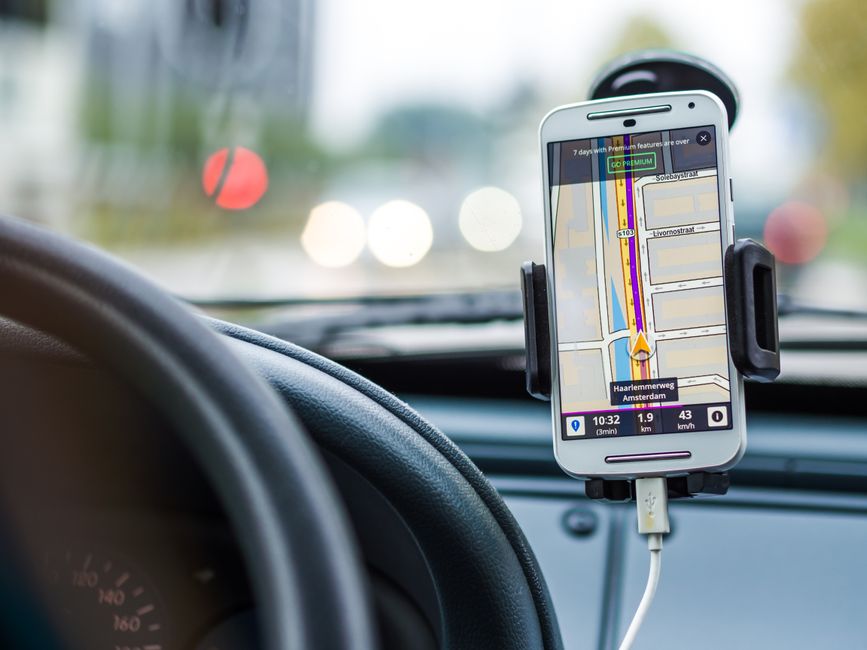
Most reputable charter bus companies use fleet management software that displays every vehicle’s location, speed, and route on a centralized dashboard. Dispatchers use this system to monitor delays, reroute buses around traffic, and confirm that drivers are following planned routes and required rest breaks.
This software is the backbone of charter bus tracking. When you call a company and ask
For related reading, see our guide on Charter Bus Rental for Theme Parks: The Complete Planning Guide.
for real-time location, this is the system a dispatcher is checking behind the scenes to answer your question accurately.
The catch is that this dashboard is typically an internal tool. It was built for logistics staff, not for a parent chaperoning a field trip or an event planner managing fifty passengers. Very few charter companies expose this raw data directly to customers because the interface is designed for fleet oversight, not consumer-friendly tracking. That said, the information inside it, the bus’s current location, estimated arrival time, and any delays, can absolutely be shared with you verbally or via text once you ask.
Driver Check-Ins
In many charter bus operations, especially smaller or mid-sized companies, tracking happens through a more human process rather than an automated one. Drivers are required to check in with dispatch at set intervals, at pickup, at rest stops, when departing a venue, and when approaching the final destination. Dispatch then relays this information to whoever requested it, whether that is a school administrator, a wedding planner, or a corporate event coordinator.
This system works well for most trips because it combines GPS accuracy with a human layer of confirmation. A driver checking in also gives dispatch the chance to flag issues like unexpected traffic, road closures, or mechanical concerns that a GPS dot on a map would not explain on its own.
Passenger-Facing Tracking Apps
A smaller but growing number of charter bus companies now offer passenger-facing tracking tools, similar to the kind of live map you might see when ordering a rideshare. These tools typically work in one of a few ways:
- A shareable link sent via text or email that shows the bus’s live location on a map
- A branded mobile app where group leaders log in to view the vehicle’s route and ETA
- A web portal tied to your reservation confirmation that updates periodically throughout the trip
These tools are most common among larger charter operators who serve corporate clients, school districts, and event companies that require documented visibility for safety and liability reasons. If having a live tracking link matters to your group, it is worth asking about this feature specifically when you request quotes, since not every provider advertises it upfront.
What Information Dispatchers Can Actually Give You
Even without a dedicated app, calling or texting your charter company’s dispatch line will usually get you more information than you might expect. Depending on the company’s internal systems, a dispatcher can typically tell you:
- The bus’s approximate current location (city, highway mile marker, or nearest exit)
- An updated estimated time of arrival based on current traffic conditions
- Whether the bus is on schedule, running early, or delayed
- Confirmation that the driver has checked in within the last scheduled interval
- Any known road conditions, detours, or weather issues affecting the route
What dispatchers usually cannot do is give you a live, continuously updating map link on demand unless the company has specifically built that capability into their customer service process. Think of it less like tracking a pizza delivery and more like calling an airline to ask about a flight’s status, you get accurate, real information, just not necessarily a moving dot you can watch scroll across your screen in real time.
Why Passenger Tracking Isn’t Always Automatic
It is a fair question to ask why, in an age when nearly every delivery service offers live tracking, charter buses have not universally adopted the same model. There are a few practical reasons behind this.
GPS Systems Are Built for Compliance First
Federal regulations under the Federal Motor Carrier Safety Administration require most commercial buses to use electronic logging devices (ELDs) that track driver hours of service. This data is primarily used to ensure drivers are not operating past legal driving limits and to support safety audits. The GPS tracking tied to these systems was designed with regulatory compliance and fleet safety in mind first, not customer convenience. Passenger-facing features, when they exist, are usually built on top of this core system rather than being the main purpose of it.
Group Travel Isn’t the Same as Individual Delivery Tracking
When you track a food delivery or a rideshare, there is one customer watching one specific trip. Charter bus trips typically involve one point of contact, a trip organizer, teacher, HR coordinator, or tour leader, managing the logistics for an entire group. Because of this, many companies default to communicating updates to that single point of contact rather than building infrastructure for dozens of individual passengers to track the same vehicle independently.
Not Every Company Has Invested in Consumer-Facing Technology
Charter bus companies range widely in size, from small family-owned operations with a handful of vehicles to large regional and national fleets. Smaller companies often provide excellent, personalized service but may not have the budget or technical infrastructure to build a live tracking portal. Larger companies are more likely to offer this feature, but it is not universal even among bigger operators.
How to Request Bus Tracking Information for Your Trip
If knowing your bus’s real-time location matters for your event, whether it’s a wedding timeline, a flight connection, or a school pickup schedule, the best approach is to be proactive rather than assuming tracking will be automatically available. Here is how to set that expectation early.
Ask During the Booking Process
When requesting quotes or finalizing a contract, ask the company directly: “Do you offer live GPS tracking for passengers, or will we need to call dispatch for updates?” This single question can save confusion on the day of your trip. It also gives you a chance to compare providers if tracking capability is a priority for your group.
Designate a Single Point of Contact
Rather than having multiple people from your group calling dispatch separately, appoint one trip leader or coordinator to be the main contact for location updates. This keeps communication organized, reduces the chance of conflicting information, and makes it easier for the charter company’s dispatch team to respond quickly.
Get the Dispatch Number, Not Just Customer Service
Many charter companies have a separate line for day-of-trip dispatch versus their general sales or customer service number. Before your trip, confirm you have the correct number to call on the actual travel day, ideally one that is staffed and monitored in real time rather than routed to a general voicemail box.
Confirm the Driver’s Contact Protocol
Some companies allow direct communication between the trip organizer and the driver, especially for smaller charters or private group bookings. Others prefer all communication to route through dispatch to keep an accurate record and avoid distracting the driver while behind the wheel. Ask which protocol your company follows so you know exactly who to contact if you need an update mid-trip.
Ask About Automatic Delay Notifications
Some charter companies proactively notify group leaders if a bus is running significantly behind schedule, rather than waiting for you to call and ask. This can be incredibly useful for time-sensitive events like graduation ceremonies or flight connections, where even a 20-minute delay changes your entire plan. Ask if this kind of notification is part of their standard service.
GPS Tracking and Multi-Stop or Complex Itineraries
Tracking becomes even more valuable when your trip involves multiple pickup points, stops along the way, or a layered itinerary. If your group is coordinating several pickup locations, dispatch tracking can confirm exactly when the bus will arrive at each stop, which helps you avoid the awkward situation of one group standing in a parking lot wondering if the bus is still coming. If you are planning a trip with several stops, our guide on whether a charter bus can make multiple stops covers how to structure these itineraries so tracking and timing stay manageable.
For complex day trips, having a dispatcher who can confirm real-time location at each leg of the journey adds a layer of reassurance, particularly for school groups, tour organizers, and corporate events where dozens of people are relying on a tight schedule.
GPS Tracking on Overnight and Long-Distance Trips
Tracking takes on a different level of importance during overnight or long-distance charter bus trips. When a bus is traveling for eight, ten, or more hours, group leaders and family members often want more frequent updates, especially if the trip crosses multiple states or time zones.
On overnight trips, dispatch check-ins tend to happen at rest stops, driver changeovers, and major highway milestones. If your group is planning a multi-day trip, it is worth reading our complete guide to overnight charter bus trips, which covers scheduling, rest breaks, and what to expect from communication during those longer stretches on the road.
Long-distance trips also introduce more variables, weather, traffic across multiple regions, and mandatory driver rest periods that can affect timing. Because of this, GPS tracking (or dispatcher-relayed updates) becomes less about curiosity and more about practical trip management. If you’re mapping out a longer route, our guide to long-distance charter bus travel includes additional tips for staying informed and comfortable throughout an extended journey.
Common Scenarios Where Bus Tracking Really Matters
While every charter bus trip benefits from clear communication, some situations make real-time location updates especially important.
Airport Transfers and Flight Connections
When your group’s schedule is tied to a flight departure or arrival, even small delays can have a ripple effect. Knowing exactly where your bus is and its estimated arrival time allows you to make backup plans if needed, such as adjusting check-in timing or notifying airline staff of a group’s delayed arrival.
School Field Trips and Youth Group Travel
Parents and school administrators often want reassurance about student safety and timing, particularly for trips involving younger children. Being able to call dispatch and get a confirmed location and ETA offers peace of mind, especially for after-school pickup coordination.
Wedding and Event Transportation
Weddings run on tight, often unforgiving timelines. If a shuttle bus carrying guests is running behind, the ceremony or reception schedule can be affected. Wedding planners frequently request tracking updates specifically to coordinate ceremony start times with guest arrival.
Corporate Events and Conferences
For business conferences and company retreats, transportation delays can throw off registration schedules, keynote timing, or off-site activities. Event coordinators benefit from having a reliable line of communication with dispatch to manage these moving pieces.
Multi-Vehicle Group Trips
When a group is traveling in more than one bus, tracking helps ensure all vehicles arrive together or in a coordinated sequence, which matters for events like reunions, tours, or large-scale field trips where the group needs to move as a unit.
What to Do If You Can’t Get a Real-Time Location
Sometimes, despite your best efforts, you may not be able to get an exact live location, particularly with smaller charter companies that rely on manual check-ins rather than app-based tracking. If this happens, here are a few practical steps.
- Call the dispatch line directly rather than the general customer service number, since dispatch usually has more immediate access to driver location and status.
- Ask for the last confirmed check-in time and location rather than expecting a live GPS coordinate. This still gives you a reasonable estimate of progress.
- Request a callback if the driver is between check-in points so dispatch can follow up once they have updated information.
- Build buffer time into your schedule for time-sensitive events, since even the best tracking system cannot eliminate traffic or weather delays.
- Keep the driver’s or dispatcher’s direct number handy throughout the trip in case you need to reach out for an update without going through multiple phone transfers.
Setting realistic expectations from the start, rather than assuming an app-based live map will always be available, helps prevent unnecessary stress on travel day.
Questions to Ask Before You Book
If tracking capability is important for your group, use these questions during the quote or booking process to clarify exactly what to expect:
- Do you offer a live tracking link or app for passengers, or is tracking handled through dispatch only?
- What number should we call on the day of travel for location updates?
- How often do drivers check in with dispatch during the trip?
- Will we be notified proactively if the bus is running significantly behind schedule?
- Can we get updates for multiple pickup points if our itinerary has more than one stop?
Getting clear answers to these questions before your trip, rather than during it, ensures your group knows exactly how to stay informed and who to contact if plans shift. This kind of preparation pairs well with a broader pre-trip planning checklist to make sure nothing falls through the cracks before departure day.
Frequently Asked Questions About Charter Bus Tracking
Can I track my charter bus using an app like I would a rideshare?
Sometimes, but not always. Some larger charter companies offer a live tracking link or app, but many rely on dispatcher check-ins and phone updates instead. It is best to ask your specific provider what tracking options they offer before your trip.
Who should I contact if I want a location update during the trip?
In most cases, the company’s dispatch line is your best resource, since dispatchers have direct access to driver check-ins and GPS fleet data. If your group has a designated coordinator, that person should typically be the one making these calls to keep communication consistent.
Why doesn’t every charter bus company offer live GPS tracking for passengers?
GPS systems on charter buses are primarily installed for regulatory compliance, safety monitoring, and fleet management rather than passenger convenience. Building a consumer-facing tracking tool requires additional technology investment that not every company, especially smaller operators, has implemented.
Is GPS tracking required by law on charter buses?
Most commercial buses are required to use electronic logging devices to monitor driver hours of service under federal transportation regulations. While this isn’t the same as a passenger tracking app, it does mean nearly every charter bus already has GPS technology on board.
Can I get tracking updates for multiple pickup or drop-off locations?
Yes, in most cases dispatch can provide estimated arrival times for each stop on your itinerary. This is especially useful for trips with several pickup points, and it’s worth confirming this ability directly if your pickup and drop-off plan involves multiple locations.
Final Thoughts
So, can you track your charter bus? In most cases, yes, just not necessarily in the same way you might track a rideshare or food delivery. Nearly every charter bus is equipped with GPS technology, but that data typically lives inside a company’s internal fleet management system rather than a passenger-facing app. The good news is that with a quick phone call to dispatch, you can usually get accurate, real-time information about your bus’s location, status, and estimated arrival time.
The key to a stress-free experience is setting expectations early. Ask your charter company directly about their tracking process before booking, designate one point of contact for updates, and keep dispatch’s direct number on hand for the day of travel. Whether you’re organizing a school field trip, a wedding shuttle, a corporate event, or a long-distance group tour, knowing how to get reliable updates will help your trip run smoothly from pickup to drop-off.