Best Scenic Routes for Charter Bus Groups in Colorado

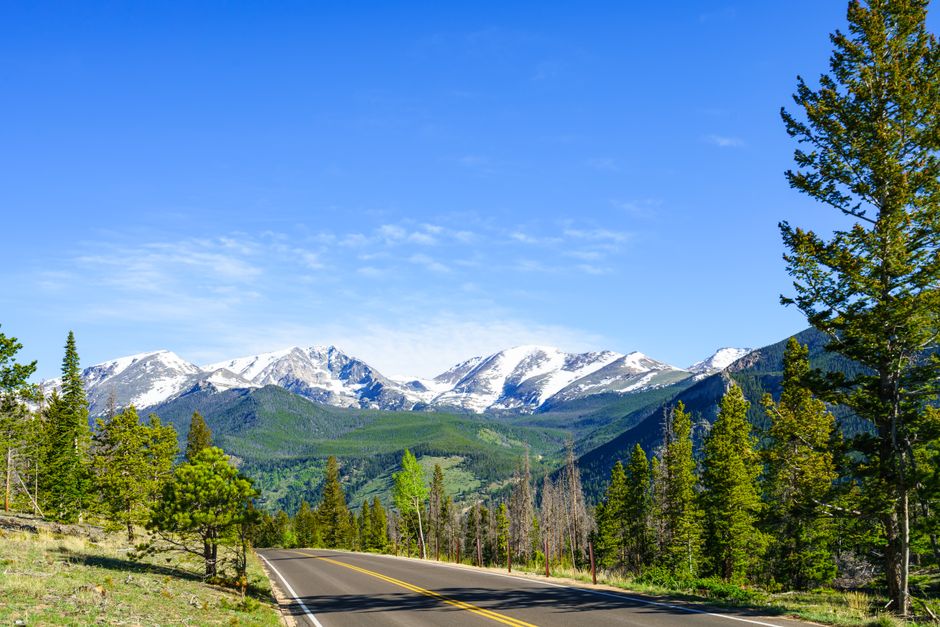
Colorado’s mountains, canyons, and high alpine passes make it one of the most rewarding states in the country for a group road trip. If you’re planning a tour, reunion, corporate retreat, or school trip through the Rockies, choosing the right scenic routes for charter bus groups in Colorado can turn an ordinary transfer into the highlight of the entire itinerary.
This guide walks through the best scenic byways and mountain routes for group travel by bus, along with practical planning advice on altitude, road restrictions, seasonal closures, and how to pick a bus that can actually handle the terrain. Whether you’re coordinating a wedding party heading to Aspen, a tour group visiting Rocky Mountain National Park, or a corporate group exploring the San Juan Mountains, you’ll find route-specific details you can use right away.
Why Colorado Is a Top Destination for Charter Bus Scenic Tours
Colorado offers something few other states can match: a dense network of paved, well-maintained scenic byways that climb through some of the highest terrain in North America. Many of these roads are officially designated as National Scenic Byways or All-American Roads, which means they’re built and maintained with tourism and safety in mind.
For group travel specifically, Colorado has a few distinct advantages:
- Most major scenic byways are paved, two-lane highways suitable for full-size motorcoaches, though some passes have length or width restrictions worth checking in advance.
- Scenic routes connect well-known destinations like Aspen, Vail, Durango, Estes Park, and Colorado Springs, so groups can combine sightseeing with a real destination stay.
- The state’s tourism boards maintain detailed road condition and closure information, which makes trip planning easier for group leaders and drivers alike.
That said, mountain driving comes with its own set of considerations, especially for larger vehicles. Before diving into specific routes, it helps to understand what makes a route
For related reading, see our guide on How Wide Is a Charter Bus? Full Dimensions Guide for Groups.
ideal for group travel. A truly charter-bus-friendly scenic route needs wide, well-graded lanes, manageable grades and switchbacks, reliable cell service or emergency pull-offs, and enough parking capacity at overlooks for a 40-foot motorcoach to stop safely. Not every scenic byway in Colorado checks every box, which is why route selection matters just as much as the destination itself.
Before booking a driver and vehicle for a mountain scenic tour, group leaders should also think about the physical dimensions of the bus itself. Some passes have posted length restrictions, tight hairpin turns, or narrow shoulders that make a shorter shuttle a better fit than a full-size coach. It’s worth reviewing our height guide for charter buses and our weight guide for charter buses before finalizing a route, especially if your itinerary includes older mountain passes or unpaved sections near ghost towns and mining camps.
1. Trail Ridge Road: Rocky Mountain National Park
Trail Ridge Road is arguably the most famous scenic drive in Colorado, and for good reason. As the highest continuous paved highway in the United States, it climbs to an elevation of 12,183 feet and offers sweeping views of alpine tundra, snow-capped peaks, and wildlife that you simply won’t see from lower elevations.
For charter bus groups, Trail Ridge Road is a fantastic option between late May and mid-October, when the road is fully open (it closes seasonally due to snow). The route runs approximately 48 miles between Estes Park on the eastern side and Grand Lake on the western side, making it an easy day trip or the centerpiece of a longer Colorado itinerary.
- Best for: School groups, senior tours, and general sightseeing groups who want a dramatic, photogenic drive without technical off-roading.
- Group tip: The Alpine Visitor Center, located near the highest point of the road, has a large parking area that can typically accommodate motorcoaches, though arriving early in the day helps avoid crowding during peak summer months.
- Watch for: Sudden weather changes at high elevation. Even in July, temperatures at the summit can be 30 to 40 degrees cooler than in Estes Park, so groups should pack layers.
Because Rocky Mountain National Park requires timed-entry reservations during peak season, group organizers should coordinate permits well in advance. Charter bus companies experienced in national park routes can often help navigate these logistics, which is one more reason to book with an operator familiar with Colorado’s mountain corridors.
2. The San Juan Skyway: Durango, Silverton, Ouray, and Telluride
Designated as one of the original All-American Roads, the San Juan Skyway is a 236-mile loop through the San Juan Mountains in southwestern Colorado. This route connects four of the state’s most charming mountain towns and passes through some of the most dramatic alpine scenery in the Rockies.
The most talked-about stretch of this loop is the section between Ouray and Silverton, nicknamed the Million Dollar Highway. Historians still debate the origin of the name, some say it refers to the cost of construction, others to the gold-flecked gravel once used as fill, but no one debates the views. This 25-mile stretch of US 550 clings to sheer cliffs with few or no guardrails, offering unobstructed views of waterfalls, old mining structures, and the jagged peaks of the San Juans. For charter bus groups, this is a route best enjoyed with an experienced mountain driver behind the wheel and a group that trusts the process.
- Best for: Photography groups, history and mining enthusiasts, and travelers who appreciate dramatic mountain engineering as much as natural scenery.
- Group tip: Silverton and Ouray both offer motorcoach parking near their historic downtown districts, making it easy to plan a lunch or overnight stop in either town before continuing the loop.
- Watch for: Narrow lanes and tight switchbacks on the Million Dollar Highway section. This is a route where hiring a charter company with verified mountain driving experience matters more than almost anywhere else in the state.
Beyond the Million Dollar Highway, the rest of the San Juan Skyway rewards groups with rolling ranchland views near Durango, the Victorian architecture of Telluride, and sweeping vistas from Lizard Head Pass. Because the full loop takes the better part of a day to drive comfortably, many tour operators break it into segments, pairing it with overnight stays in Durango or Telluride so groups can enjoy the towns themselves, not just the road between them.
3. Peak to Peak Scenic Byway: Central Colorado’s Historic Mountain Corridor
Colorado’s oldest designated scenic byway, the Peak to Peak Highway, runs roughly 55 miles between Central City and Estes Park, linking a string of former mining towns with unbroken views of the Continental Divide. Unlike some of the higher, more remote byways in the state, this route stays relatively close to the Front Range, making it an efficient add-on for groups already exploring the Denver or Boulder metro areas.
- Best for: Groups with limited time who still want a genuine mountain experience, including corporate retreats, day-trip tour groups, and photography clubs chasing fall foliage.
- Group tip: The aspen groves along this route turn a brilliant gold in late September, making it one of the most popular fall color drives in Colorado. Booking a charter bus for this window months in advance is strongly recommended, since demand spikes quickly once leaf-peeping season begins.
- Watch for: Weekend traffic congestion near Nederland and Black Hawk, particularly during festival season or when casino traffic overlaps with sightseeing crowds.
The byway also passes near Golden Gate Canyon State Park and the town of Ward, giving groups plenty of opportunities for short stops, wildlife viewing, and photo breaks without adding significant time to the overall itinerary. Because the road is well maintained and doesn’t involve the extreme elevation gain of some other byways, it’s a comfortable choice for groups that include older travelers or anyone sensitive to altitude changes.
4. Independence Pass: Aspen to Twin Lakes
Independence Pass carries State Highway 82 over the Continental Divide at an elevation of 12,095 feet, connecting the resort town of Aspen with the historic mining community of Twin Lakes. It is one of the highest paved mountain passes in the United States accessible by highway, and it delivers some of the most sweeping, unobstructed views anywhere in the Rockies.
- Best for: Groups traveling between Aspen and the Arkansas River Valley who want a scenic alternative to the longer valley routes, as well as leaf-peeping tours in early autumn.
- Group tip: The pass is closed in winter, typically from early November through late May, so this route is strictly a warm-weather option. Groups planning shoulder-season trips should always confirm the pass is open before finalizing an itinerary.
- Watch for: Extremely narrow sections near the summit, including some stretches where two-way traffic must negotiate tight curves with minimal shoulder space. Not every charter bus operator will run this route, and some intentionally avoid it during peak summer traffic hours.
Because of its narrow profile, Independence Pass is a route where bus dimensions really matter. Groups working with an operator should ask directly whether their vehicle’s width and turning radius are suitable for this specific road, a detail covered in more depth in our guide on how wide a charter bus actually is and how that affects mountain routing decisions.
5. Mount Evans Scenic Byway: The Highest Paved Road in North America
For groups chasing bragging rights as much as scenery, the Mount Evans Scenic Byway is hard to beat. This road climbs to more than 14,000 feet, making it the highest paved road on the continent, and it offers views that stretch across dozens of miles of Rocky Mountain wilderness. The byway begins near Idaho Springs, less than an hour from Denver, making it one of the most accessible high-alpine drives for groups based in the metro area.
- Best for: Bucket-list group trips, outdoor education programs, and any traveler who wants to say they’ve been above 14,000 feet without leaving their seat.
- Group tip: Mountain goats and bighorn sheep are commonly spotted along the upper stretches of the road, so groups interested in wildlife photography should plan for extra stop time near the summit parking area.
- Watch for: Extreme altitude effects. Passengers can experience headaches, shortness of breath, or lightheadedness at this elevation, even without physical exertion. Groups with older travelers, young children, or anyone with respiratory or heart conditions should plan accordingly and keep water on board.
Because temperatures at the summit can be dramatically colder than at the base, even in midsummer, this is one route where climate awareness really pays off. If your group is unsure how a mountain climb like this affects onboard comfort, our breakdown of how cold a charter bus can get is a useful resource for setting expectations before departure.
6. Pikes Peak Highway: America’s Mountain
Just outside Colorado Springs, the Pikes Peak Highway climbs roughly 19 miles from the town of Cascade to the 14,115-foot summit of Pikes Peak, the mountain that famously inspired the song “America the Beautiful.” While personal vehicles regularly drive the full route, large motorcoaches face restrictions on this road, so group organizers need to plan carefully.
- Best for: Groups who want the payoff of a 14er summit view without a hike, paired with a visit to the newly renovated summit visitor center.
- Group tip: Many charter groups instead ride the Pikes Peak Cog Railway to the summit and use a motorcoach only for transportation to and from the railway depot in Manitou Springs. This combination sidesteps size restrictions on the highway itself while still delivering the summit experience.
- Watch for: Seasonal closures and timed-entry requirements during peak summer months. Group organizers should check current highway and railway regulations well ahead of a planned trip, since rules for large vehicles on this route have changed over the years.
Even when the coach itself can’t make the full summit drive, Pikes Peak remains one of the most rewarding day-trip anchors for a Colorado Springs based itinerary, especially when paired with nearby attractions like the Garden of the Gods.
7. Colorado River Headwaters Scenic Byway: Grand Lake to Kremmling
This lesser-known byway follows the infant Colorado River from its headwaters near Grand Lake through wide-open ranchland and past dramatic canyon walls on its way to Kremmling. At roughly 80 miles, it’s a quieter, less trafficked alternative to some of the state’s more famous routes, which makes it a favorite among groups looking to avoid summer crowds.
- Best for: Groups seeking a slower-paced, nature-focused itinerary, including birdwatching tours, fishing groups, and retreats built around the Rocky Mountain National Park western entrance.
- Group tip: Pairing this byway with the western side of Trail Ridge Road creates a full-day loop that showcases both the alpine tundra of the park and the river valley scenery on the way out, without retracing the same road twice.
- Watch for: Limited services along much of the route. Groups should plan fuel and restroom stops carefully, since long stretches pass through open ranchland with few facilities.
8. Grand Mesa Scenic Byway: Colorado’s Western Slope
Rounding out the list is the Grand Mesa Scenic Byway, a roughly 63-mile route across the largest flat-topped mountain in the world, located on Colorado’s Western Slope near Grand Junction. Unlike the jagged peaks of the Rockies further east, Grand Mesa offers a different kind of alpine scenery, with hundreds of lakes, dense forests, and long views across the Grand Valley below.
- Best for: Groups exploring western Colorado’s wine country and fruit-growing regions who want to add a scenic mountain detour without venturing far from Grand Junction.
- Group tip: The byway is dotted with more than 300 lakes, several of which have pull-off areas suitable for short group stops, picnic lunches, or fishing breaks.
- Watch for: Rapid weather shifts in early fall and late spring, when snow can appear at the higher elevations even while the valley below stays mild.
Choosing the Right Charter Bus for Colorado’s Mountain Routes
Not every motorcoach is built the same, and Colorado’s mountain roads have a way of exposing the difference. Before booking a scenic route through the Rockies, group leaders should think through a few practical factors that go beyond simply picking a pretty drive on a map.
Engine Performance and Altitude
Climbing thousands of feet in elevation puts real strain on a vehicle’s engine and braking system. Reputable charter companies operating in Colorado use coaches maintained specifically for mountain driving, with engine and brake systems suited to sustained climbs and long descents. This is not a detail to take for granted when booking, especially if a company’s fleet primarily serves flat, low-elevation regions.
Driver Experience
Mountain driving is a specialized skill. Switchbacks, steep grades, and roads with minimal shoulder space require a driver who has logged real hours on similar terrain, not just a commercial license. When requesting quotes, it’s worth asking directly whether the assigned driver has specific experience on the route you’re planning to take.
Bus Size and Group Needs
Some of Colorado’s most scenic roads have width and length restrictions that rule out larger motorcoaches entirely. Group leaders should match their bus size to both the route and the group’s headcount. For groups in the 25 to 45 passenger range, our guides on the best charter bus for 25 passengers and the best charter bus for 45 passengers break down which vehicle sizes make sense for different group configurations, which becomes especially relevant when a route has known space constraints.
Weather Preparedness
Because temperature swings and sudden weather changes are common at elevation, groups should pack layers regardless of the season, and organizers should build some schedule flexibility into mountain-route itineraries in case of temporary road closures due to snow, rockslides, or fog.
Accessibility and Comfort for All Travelers
Scenic mountain routes are popular with senior tour groups, school trips, and multigenerational family reunions alike, which means comfort and accessibility deserve real consideration. Long climbs, high altitude, and winding roads can be more taxing for older travelers or those with mobility challenges. If your group includes passengers who may need extra support, it’s worth reviewing our guides on whether charter buses are a good fit for senior citizens and ADA lift availability on charter buses before finalizing your booking.
Planning Tips for a Successful Colorado Scenic Charter Trip
Beyond choosing the right route and the right bus, a few planning habits can make the difference between a smooth mountain trip and a stressful one.
- Book early for peak season. Summer and early fall are the busiest travel windows in Colorado’s mountains, and charter availability tightens quickly, especially for popular routes like Trail Ridge Road and the Peak to Peak Highway.
- Build in buffer time. Mountain roads take longer to drive than the mileage alone suggests. A 60-mile stretch through switchbacks and scenic overlooks can easily take twice as long as the same distance on a highway.
- Plan photo and rest stops in advance. Coordinating with your driver ahead of time about where the group will stop for photos, restrooms, or meals keeps the day running smoothly and avoids awkward on-the-fly decisions at pull-offs that may not accommodate a full-size coach.
- Compare quotes carefully. Not all charter quotes account for the added time, fuel, and wear that mountain routes require. Our guide on how to compare charter bus quotes walks through the details worth checking before you commit to a company, particularly for longer scenic itineraries.
- Check seasonal road status. Passes like Independence Pass close entirely in winter, and even summer weather can bring temporary closures. Always confirm current conditions close to your travel date rather than relying solely on typical seasonal patterns.
Frequently Asked Questions
What is the most scenic charter bus route in Colorado?
Trail Ridge Road through Rocky Mountain National Park is widely considered the most scenic and accessible route for charter groups, offering dramatic alpine tundra views along a well-maintained highway. Groups looking for something more remote and rugged often prefer the San Juan Skyway in southwestern Colorado.
Are there charter bus routes in Colorado that are open year-round?
Lower-elevation routes like the Colorado River Headwaters Byway and portions of the Peak to Peak Highway typically stay open year-round, though winter conditions can still cause temporary closures. High mountain passes such as Independence Pass and Trail Ridge Road close seasonally, generally from late fall through late spring.
Can a full-size motorcoach handle all of Colorado’s mountain passes?
Not always. Some narrow, high-elevation roads like sections of Independence Pass or the upper stretches of the Pikes Peak Highway have restrictions that limit access for larger vehicles. It’s important to confirm route compatibility with your charter company before booking, since bus dimensions vary significantly between models.
How far in advance should groups book a scenic Colorado charter trip?
For peak travel windows like summer weekends and fall foliage season, booking three to six months in advance is a good rule of thumb. Popular routes and experienced mountain drivers get booked up quickly once the season begins.
Do these scenic routes work well for senior or accessibility-focused groups?
Many of them do, particularly lower-intensity routes like the Peak to Peak Highway and the Colorado River Headwaters Byway. Higher-elevation routes like Mount Evans or Trail Ridge Road can be more physically demanding due to altitude, so it’s worth planning extra rest time and consulting with your charter provider about accessibility features and pacing.
Final Thoughts
Colorado’s scenic byways offer some of the most spectacular group travel experiences in the country, from the alpine tundra of Trail Ridge Road to the cliffside drama of the Million Dollar Highway. But these routes reward careful planning just as much as they reward a sense of adventure. Matching the right bus, the right driver, and the right itinerary to each specific road is what turns a beautiful drive into a genuinely great group trip. With the right preparation, any of the routes covered here can become the highlight of a Colorado travel itinerary, offering views that are simply impossible to experience any other way.