Best Places to Visit in Colorado with a Large Group

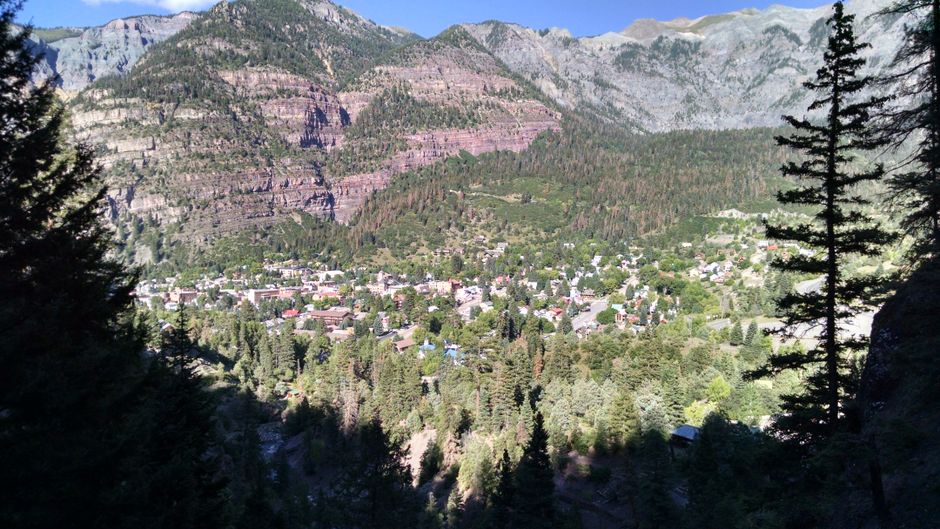
Colorado draws more than 90 million visitors a year, and it’s easy to see why. Between snow-capped peaks, red rock formations, historic mining towns, and lively college cities, the state packs an incredible variety of scenery into a manageable footprint. But planning a trip for ten people is one thing. Planning one for forty, sixty, or a hundred is an entirely different challenge.
If you’re a school trip coordinator, a church group leader, a corporate event planner, or someone organizing a family reunion, you already know that finding the best places to visit in Colorado with a large group means more than picking pretty scenery. You need destinations with enough capacity, parking for buses, group ticketing options, and activities that keep everyone engaged, whether they’re seven years old or seventy.
In this guide, we’ll walk through the top Colorado destinations that actually work for big groups, along with practical planning tips for lodging, transportation, timing, and logistics. By the end, you’ll have a shortlist of stops that can anchor an itinerary for a group of any size.
Why Colorado Works So Well for Large Group Travel
Colorado has a few built-in advantages that make it a smart choice for group trips. First, the state has a dense cluster of major attractions along the Front Range, meaning you can hit several bucket-list stops without spending entire days on the road. Denver, Colorado Springs, and Boulder sit within roughly an hour of each other, which keeps travel time manageable for a packed itinerary.
Second, many of Colorado’s biggest draws, such as national parks, amusement parks, and outdoor recreation areas, were built to handle high visitor volume. That means group parking, ticket booths, visitor centers, and food service are already set up to accommodate large crowds.
Third, Colorado’s shoulder seasons (late spring and early fall) offer mild weather and thinner crowds, which is ideal for groups that need flexibility and want to avoid long lines at popular sites.
Planning Considerations Before You Go
Before diving into specific destinations, it helps to nail down a few logistics that will shape your entire itinerary.
Group Transportation
Colorado’s attractions are spread across a big state, and mountain driving is not the same as flat interstate driving. Elevation changes, winding roads, and mountain pass closures in winter can complicate self-driving arrangements for large groups. Many organizers find that renting a charter bus simplifies everything: one vehicle, one driver who knows the routes, and no worrying about a caravan of rental cars getting separated. If you’re trying to figure out sizing and amenities for your group, this guide on choosing the right charter bus for large groups breaks down what to look for based on headcount and trip length.
Lodging Capacity
Not every hotel can accommodate a group of 50 or more. Look for properties with block booking options, meeting spaces, and on-site parking large enough for a bus. Denver, Colorado Springs, and the ski towns generally have the most large-group-friendly lodging inventory.
Altitude Adjustment
Much of Colorado sits above 5,000 feet, and popular stops like Rocky Mountain National Park and Pikes Peak climb well above 10,000 feet. Altitude sickness is a real concern for large groups, especially if your itinerary jumps straight into high-elevation activities. Build in a day or two at lower elevation before tackling the highest points, and make sure everyone stays hydrated.
Seating and Boarding Logistics
With a big group, boarding and reboarding a vehicle efficiently at each stop matters more than people expect. Assigning seats ahead of time cuts down on confusion and speeds up departures. If you want a system that works, this charter bus seating chart guide offers a practical framework for organizing large groups by age, mobility needs, or chaperone assignments.
Denver: The Natural Hub for Group Itineraries
Denver is the logical starting point for almost any Colorado group trip. It has an international airport, a walkable downtown, and enough attractions to fill several days on its own.
Denver Botanic Gardens
This 24-acre garden in the heart of the city hosts themed exhibits, sculpture displays, and seasonal events. Group tours can be arranged in advance, and the site has ample bus parking nearby. It’s a good low-key stop to break up a day of higher-energy activities.
Red Rocks Park and Amphitheatre
Just outside Denver, Red Rocks is one of the most photographed venues in the country. Even without a concert on the calendar, groups can hike the surrounding trails, take in the natural rock formations, and visit the on-site visitor center. If your trip happens to line up with a concert, Red Rocks handles massive crowds regularly, so large group logistics are already part of the venue’s design. Groups traveling for a specific show or festival weekend may find it useful to review this festival group travel guide for coordinating drop-off and pickup around event traffic.
Downtown Denver and Union Station
Denver’s Union Station has been converted into a lively hub of restaurants, shops, and a boutique hotel. It’s an easy walking district that works well for groups who want some free time to explore independently before regrouping. The 16th Street Mall nearby offers additional dining variety for large parties.
Denver Museum of Nature and Science
With planetarium shows, an IMAX theater, and rotating exhibits, this museum is built for school groups and family reunions alike. Advance group reservations are recommended for parties over 15 people, and the museum offers discounted group rates.
Rocky Mountain National Park
No Colorado itinerary is complete without a stop at Rocky Mountain National Park, roughly 90 minutes from Denver. The park’s Trail Ridge Road is the highest continuous paved road in the United States, climbing above 12,000 feet with pull-offs for photos and short hikes.
What Works for Large Groups
The park has multiple large parking areas, including at the Alpine Visitor Center, Bear Lake, and the Beaver Meadows Visitor Center. Bear Lake is especially popular because it offers a flat, accessible loop trail suitable for a wide range of fitness levels, making it a good option for groups with mixed mobility needs, including seniors or younger children.
Timed Entry Reservations
During peak summer months, Rocky Mountain National Park requires timed entry reservations for certain areas. Large groups should book these well in advance, since availability can disappear quickly during July and August.
Wildlife Viewing
Elk are common in the park, particularly during the fall rut when bulls bugle to attract mates. Groups visiting in September or October have a strong chance of seeing large herds near Moraine Park and Horseshoe Park, which makes for a memorable, low-effort activity that doesn’t require much hiking.
Colorado Springs: A Cluster of Group-Friendly Attractions
Colorado Springs sits about an hour south of Denver and offers one of the highest concentrations of large-group attractions in the state.
Garden of the Gods
This free public park features dramatic red sandstone formations set against the backdrop of Pikes Peak. The visitor center has a large parking lot that accommodates buses, and the main trail loop is paved and wheelchair accessible. It’s one of the easiest natural attractions in Colorado for large groups to enjoy together, since everyone can explore at their own pace without needing technical hiking gear. Guided Segway tours, rock climbing outings, and Jeep tours are also available for groups that want a more active experience, though these typically require advance booking and smaller sub-groups of 8 to 12 people.
Pikes Peak and the Cog Railway
Pikes Peak rises to over 14,000 feet and can be reached either by driving the Pikes Peak Highway or by riding the historic Broadmoor Manitou and Pikes Peak Cog Railway. The cog railway is a favorite with large groups because it removes the stress of mountain driving and lets everyone take in the scenery together. Groups of 20 or more should call ahead to reserve a block of seats, since individual train cars have limited capacity and popular departure times sell out during summer weekends.
For groups arriving by charter bus, the Pikes Peak Highway tollbooth can accommodate larger vehicles, but drivers should confirm height and length restrictions in advance. The summit visitor center has a gift shop, donut shop, and restrooms, all of which get crowded quickly once a full bus unloads, so building in extra time at the top is a good idea.
Other Colorado Springs Attractions Worth Grouping Together
Colorado Springs also offers the U.S. Olympic & Paralympic Training Center, which provides free guided tours that work well for school groups, sports teams, and military groups. The Cheyenne Mountain Zoo, built into the side of a mountain, offers panoramic views along with animal exhibits, and it has group ticketing options that can save a significant amount per person for parties of 15 or more.
Because these attractions sit within a short drive of one another, many tour planners build a full day around Colorado Springs, moving from Garden of the Gods in the morning to Pikes Peak in the afternoon and finishing at the zoo before dinner. This kind of multi-stop itinerary is much easier to manage with a private charter bus than with a fleet of personal vehicles, since the whole group arrives and departs together and no one has to worry about losing a parking spot or coordinating separate drivers. If your group is planning several stops in one day, it helps to understand how multi-stop charter bus routes work before you finalize the schedule.
Denver: The Gateway City With Something for Everyone
Denver is the natural hub for most Colorado group trips, since it has the state’s largest airport, the widest selection of hotels, and a downtown core that’s easy to navigate on foot once your group has parked or been dropped off.
Red Rocks Amphitheatre
Located just outside the city in Morrison, Red Rocks is one of the most famous outdoor concert venues in the country, carved directly into natural red sandstone formations. Beyond concerts, the venue and surrounding park offer a popular set of stone stairs that locals use for group fitness workouts, plus hiking trails and a visitor center with exhibits on the venue’s history. Large groups attending a concert here should know that parking is extremely limited and fills up fast, which is one of the biggest reasons tour groups and event planners rely on chartered transportation instead. If your group is headed to a concert or festival at Red Rocks, it’s worth reviewing a festival transportation guide to understand drop-off zones and pickup logistics.
Downtown Denver and Union Station
Union Station has been transformed into a hub of restaurants, shops, and a boutique hotel, and its central location makes it a natural meeting point for groups splitting off into smaller activities before reconvening for dinner. Larimer Square, just a few blocks away, offers historic architecture, restaurants, and rooftop bars that work well for evening group gatherings.
Denver Botanic Gardens and Denver Zoo
The Denver Botanic Gardens spans 24 acres and includes themed gardens, a conservatory, and rotating art installations. Group tickets and guided tours are available for parties of 10 or more, and the site has ample bus parking near its main entrance. The Denver Zoo, located in City Park, is similarly group friendly, with discounted group rates and a layout that’s manageable for groups with strollers, wheelchairs, or slower walkers.
Why Denver Works Well as a Base
Because Denver sits within a two-hour drive of Rocky Mountain National Park, Colorado Springs, and Boulder, many group organizers use it as a home base for a multi-day trip, taking day excursions to nearby destinations and returning to the same hotel each night. This approach reduces the amount of packing and repacking your group has to do and keeps logistics simpler for chaperones or trip leaders managing a large roster of names, room assignments, and meal plans.
Boulder: A College Town With Outdoor Appeal
Boulder blends a walkable downtown with immediate access to dramatic foothill scenery, making it a popular half-day or full-day stop for groups traveling between Denver and Rocky Mountain National Park.
Pearl Street Mall
This pedestrian shopping district is lined with restaurants, street performers, and local shops, and it’s an easy place to turn a large group loose for an hour or two with a set meeting time and place. Because it’s entirely walkable and closed to vehicle traffic, chaperones tend to find it easier to keep track of a group here than in a typical mall or shopping center.
The Flatirons and Chautauqua Park
The Flatirons are a set of dramatic slanted rock formations visible from most of Boulder, and Chautauqua Park at their base offers hiking trails ranging from easy strolls to challenging climbs. Large groups with mixed fitness levels can split into smaller clusters here, with more ambitious hikers tackling the steeper trails while others stay closer to the park’s grassy meadow and historic auditorium.
Mountain Towns: Breckenridge, Vail, and Aspen
Colorado’s ski towns aren’t just for winter trips. In the summer months, Breckenridge, Vail, and Aspen all shift into destinations built around hiking, mountain biking, alpine slides, and gondola rides, and many of the same lodges and group-booking systems used for ski season apply just as well to summer group travel.
Breckenridge
Breckenridge offers the BreckConnect Gondola, which links the town’s Main Street to the ski area’s base without requiring a car, and the Fun Park at the base of the mountain includes an alpine slide, mini golf, and a ropes course that all offer group rates. Main Street itself is lined with restaurants that can handle large reservations, provided your group calls ahead, since many restaurants in these smaller mountain towns have limited seating compared to city venues.
Vail
Vail Village has a European-style pedestrian core with cobblestone paths, making it another easy walking destination for large groups. In summer, the Epic Discovery adventure park offers zip lines, a mountain coaster, and canopy tours that can be booked in group blocks. Vail also hosts a busy summer concert and event calendar, so checking the town’s calendar before booking a trip date can help you avoid, or intentionally seek out, a crowded weekend.
Aspen
Aspen tends to attract a slightly more upscale traveler, but it still offers plenty for large groups, including the Maroon Bells, widely considered one of the most photographed mountain scenes in North America. Because of extremely limited parking at Maroon Bells during peak season, most visitors, including large groups, are required to take a shuttle bus from Aspen Highlands rather than driving directly to the site. Group organizers should plan around this shuttle system well in advance, since space is limited and reservations are often required.
Durango and the Silverton Narrow Gauge Railroad
In the southwestern part of the state, Durango offers a slower-paced, historic alternative to the busier Front Range destinations. The Durango and Silverton Narrow Gauge Railroad is the town’s signature attraction, a coal-fired, steam-powered train that has been running through the San Juan Mountains since 1882.
Booking for Large Groups
The railroad offers dedicated group sales representatives and can arrange private car rentals for groups of 20 or more, which is worth considering for reunions, corporate retreats, or school trips that want to keep everyone together rather than splitting across multiple train cars. Because the round trip to Silverton takes most of a day, groups should plan this as the primary activity for that day rather than trying to combine it with other sightseeing.
Mesa Verde National Park
About 45 minutes from Durango, Mesa Verde National Park protects thousands of archaeological sites built by the Ancestral Pueblo people, including well-preserved cliff dwellings. Many of the most famous dwellings require ranger-guided tours with timed tickets and physical requirements like climbing ladders, so groups with members who have mobility limitations should check the accessibility notes for each tour before booking. Groups traveling with older adults or anyone using a wheelchair should look closely at the park’s accessible viewpoints, since not every dwelling tour can accommodate mobility equipment.
Great Sand Dunes National Park
Great Sand Dunes, located in south-central Colorado, features the tallest sand dunes in North America, rising more than 750 feet above the surrounding valley floor. There are no marked trails on the dunes themselves, which means groups can spread out and choose their own path up, making it naturally suited to large, loosely organized groups.
What Large Groups Should Know
Medano Creek, which flows at the base of the dunes seasonally, is a popular spot for wading and playing, particularly in late spring when snowmelt increases the flow. Sand sledding and sandboarding are popular activities, and equipment can be rented from shops just outside the park entrance. Because the dunes offer very little shade and can reach extreme surface temperatures in summer afternoons, groups are generally advised to visit early in the morning or in the evening, and to bring more water than they think they’ll need.
Choosing the Right Transportation for a Large Group Trip Through Colorado
Colorado’s biggest attractions are spread across a large state, often connected by winding mountain roads, high-altitude passes, and limited parking at trailheads and scenic overlooks. This combination makes transportation one of the most important decisions a group organizer will make, often more important than the destinations themselves.
Why Groups Choose Charter Buses for Colorado Trips
A private charter bus keeps a large group together from the moment they leave home until the moment they return, which removes the need to coordinate multiple personal vehicles, rental cars, or rideshares across unfamiliar mountain terrain. It also solves the parking problem at popular sites like Garden of the Gods, Red Rocks, and Rocky Mountain National Park, where lots designed for cars fill up fast but reserved bus parking is often set aside separately. Group leaders planning a trip with dozens of travelers should look into how to choose the right charter bus for a large group before comparing quotes, since bus size, amenities, and luggage capacity all affect the final price.
Comfort at High Altitude
Many of Colorado’s top destinations sit above 7,000 feet, and some, like the summit of Pikes Peak, exceed 14,000 feet. Altitude sickness is a real concern for visitors who aren’t used to thinner air, especially older adults, young children, or anyone with a preexisting respiratory or heart condition. A comfortable, climate-controlled bus with onboard restrooms allows travelers to rest between stops rather than pushing through discomfort to get back to a parked car. Groups traveling with older adults or anyone who needs extra mobility support should also review what to expect from ADA-accessible charter buses so no one in the group is left without a comfortable way to board or exit the vehicle.
Planning Seating and Logistics Ahead of Time
Once a group grows past 20 or 30 people, deciding who sits where, how luggage gets stored, and how the group splits up at each stop becomes its own small project. Building a simple seating chart for the group before departure day can prevent confusion at each boarding point and helps chaperones or tour leaders do a quick headcount before pulling away from every stop.
Packing for a Multi-Stop Colorado Itinerary
Colorado’s weather can shift dramatically within a single day, especially at higher elevations, where mornings can start near freezing and afternoons can climb into the 80s. Groups moving between a downtown attraction and a mountain trailhead in the same day need to pack layers, sun protection, and enough water for everyone. A group packing checklist can help trip leaders make sure nothing critical gets left behind, particularly for groups with kids, seniors, or anyone unfamiliar with high-altitude travel.
Best Times of Year to Visit Colorado With a Large Group
Timing a large group trip well can make the difference between smooth logistics and a frustrating scramble for parking, tickets, and reservations.
Summer (June through August)
Summer is peak season for nearly every attraction on this list. Rocky Mountain National Park’s timed entry system is in full effect, Maroon Bells requires shuttle reservations, and hotel rates in mountain towns hit their highest point. Groups visiting in summer should book lodging, tickets, and transportation months in advance whenever possible.
Fall (September and October)
Fall offers cooler temperatures, dramatic aspen foliage, and the elk rut in Rocky Mountain National Park, all while crowds and prices drop noticeably from their summer peak. This makes fall one of the best overall windows for large groups that have some flexibility in scheduling.
Winter (November through March)
Winter shifts the focus toward ski towns like Breckenridge, Vail, and Aspen, along with indoor attractions in Denver and Colorado Springs. Mountain driving conditions can be challenging in winter, which is another reason many groups prefer a professional driver experienced with snow and ice over navigating unfamiliar mountain passes themselves.
Spring (April and May)
Spring is considered shoulder season in much of Colorado, with lingering snow at higher elevations but milder weather in Denver and Colorado Springs. It’s often the most affordable time to visit, though some higher-elevation trails and roads may still be closed or partially inaccessible.
Sample Multi-Day Itinerary for a Large Group
Many groups touring Colorado for the first time ask for a rough framework to build their own schedule around. Here’s one commonly used structure for a five-day trip based out of Denver:
- Day 1: Arrive in Denver, settle into lodging, and spend the evening at Union Station and Larimer Square.
- Day 2: Day trip to Rocky Mountain National Park, focusing on Bear Lake and wildlife viewing at Moraine Park.
- Day 3: Day trip to Colorado Springs for Garden of the Gods, the Pikes Peak Cog Railway, and the Cheyenne Mountain Zoo.
- Day 4: Boulder for Pearl Street Mall and the Flatirons, followed by an evening event at Red Rocks Amphitheatre if the schedule allows.
- Day 5: Free morning in Denver at the Botanic Gardens or Denver Zoo, followed by departure.
Groups with more time often extend this itinerary to include a mountain town like Breckenridge or a longer excursion to Durango and Mesa Verde, though those destinations typically require an overnight stay away from Denver given the driving distance involved.
Frequently Asked Questions
What is the best home base for a large group visiting Colorado?
Denver is the most practical home base for most large groups because of its central location, major airport, and wide selection of hotels that can accommodate block bookings. From Denver, most of the state’s top attractions, including Rocky Mountain National Park, Colorado Springs, and Boulder, are within a two-hour drive.
Do large groups need reservations for Rocky Mountain National Park?
Yes, during peak summer months the park requires timed entry reservations for many popular areas. Large groups should book these reservations as early as possible, since availability tends to disappear quickly, especially for weekend dates in July and August.
Is it better to rent multiple cars or book a charter bus for a large group in Colorado?
For groups larger than about 15 people, a charter bus is generally more practical than multiple rental cars, since it keeps everyone together, simplifies parking at popular attractions, and removes the risk of vehicles getting separated on unfamiliar mountain roads.
Which Colorado attractions are best suited to groups with limited mobility?
Garden of the Gods, Bear Lake in Rocky Mountain National Park, and the Denver Botanic Gardens all offer paved or well-maintained accessible paths that work well for groups including seniors, young children, or travelers using mobility devices.
How far in advance should a large group book tickets and lodging for Colorado?
For a summer trip, most experienced organizers recommend booking lodging, major attraction tickets, and transportation at least three to six months in advance, since popular dates at places like Maroon Bells, Rocky Mountain National Park, and the Silverton railroad can sell out well before the trip date arrives.
Final Thoughts
Colorado offers an unusually deep bench of destinations that work well for large groups, from the accessible trails and dramatic rock formations around Colorado Springs to the mountain railroads of Durango and the towering dunes near Alamosa. The key to a smooth trip isn’t just picking great destinations, it’s matching those destinations to the size and needs of your specific group, booking tickets and reservations early, and choosing transportation that keeps everyone together and comfortable across long driving distances and high-altitude terrain. With the right planning, a large group can experience the full range of what Colorado has to offer, from red rock formations and alpine lakes to historic railroads and lively downtown districts, without the logistics overwhelming the trip itself.