Best US Cities for a Charter Bus Wine Tour

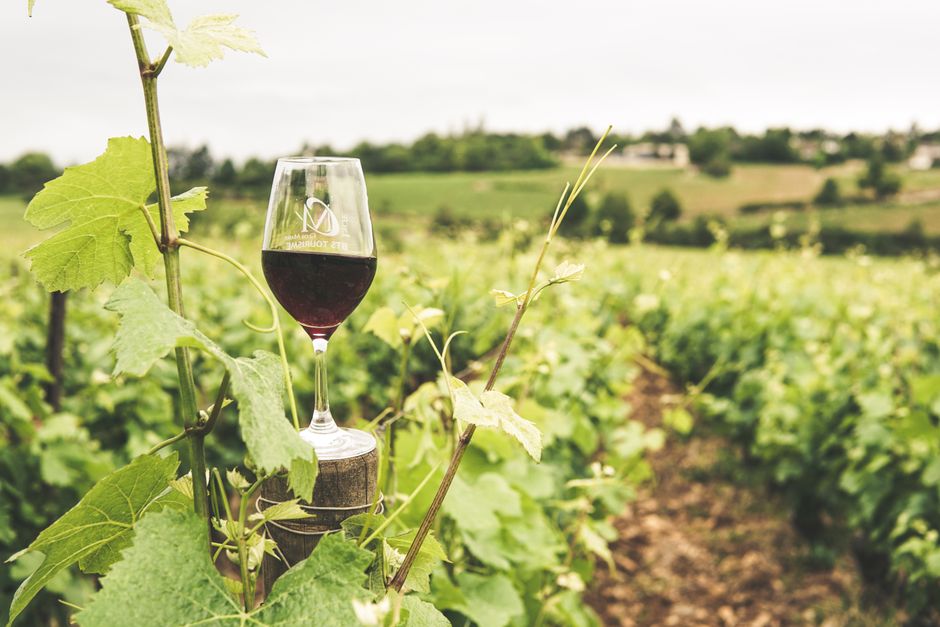
Nothing turns a group celebration into an unforgettable weekend quite like a charter bus wine tour. Instead of assigning a designated driver or splitting everyone into separate cars, a group of friends, coworkers, or family members can relax, sip, and socialize while a professional driver handles the roads between tasting rooms. However, not every wine region is built the same way, and some cities make it far easier to plan a smooth, safe, and scenic charter bus wine tour than others.
In this guide, we’ll walk through the best US cities for a charter bus wine tour, what makes each region worth visiting, and how to handle logistics like bus size, driver scheduling, and winery reservations. Whether you’re organizing a bachelorette weekend in Napa or a corporate retreat in the Texas Hill Country, you’ll find practical, real-world advice here that goes beyond a simple list of pretty vineyards.
Why a Charter Bus Is the Smartest Way to Tour Wine Country
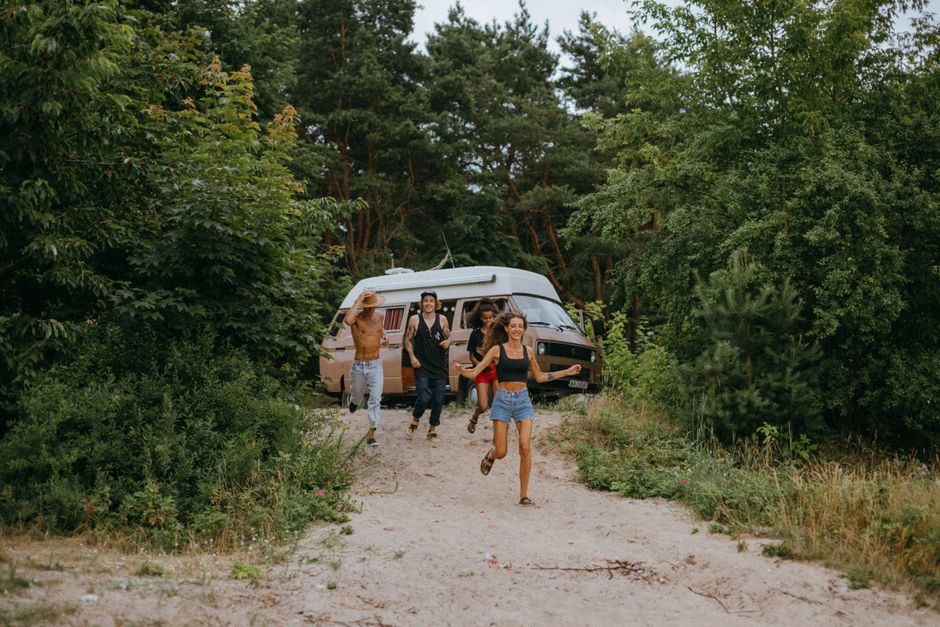
Wine tours and personal vehicles don’t mix well, and most experienced travelers figure that out the hard way. A charter bus solves the biggest problems that come with self-driven wine trips, and it does so while making the day more fun for everyone involved.
- No one has to stay sober. With a professional driver behind the wheel, every member of the group can actually enjoy the tastings instead of watching the clock or limiting their pours.
- Groups get better treatment at wineries. Many tasting rooms offer private rooms, discounted flights, or extended pours for larger groups arriving together, something that’s hard to arrange when everyone shows up in separate cars.
- Parking stops being a headache. Popular wine regions like Napa and Sonoma have limited lots, and a single bus takes up far less space than a dozen separate vehicles.
- You can fit more wineries into one day. A pre-planned route with a driver who knows the area means less time wasted on directions and more time in the tasting room.
- Everyone travels together. A charter bus keeps the group in one place, which matters a lot for bachelorette parties, milestone birthdays, and company outings where you don’t want stragglers.
As a result, a charter bus wine tour tends to feel more like a curated experience and less like a logistical scramble. That’s exactly why wine country shuttle services have become such a popular niche within the group travel industry.
What to Consider Before Booking a Charter Bus Wine Tour
Before picking a destination, it helps to understand the moving parts behind a group wine trip. Getting these details right up front saves you from surprises on the actual travel day.
Group Size and Bus Type
Wine tour groups range from eight-person bachelorette parties to sixty-person company retreats, and the right vehicle depends entirely on your headcount. A mid-size sprinter van might work fine for a small group visiting two or three wineries, while a larger group touring all day will likely need a full-size motorcoach with a restroom on board.
If you’re planning for a mid-size group, our guide on the best charter bus for 25 passengers breaks down seating layouts and amenities that matter for day trips. For larger parties, the best charter bus for 35 passengers guide and the best charter bus for 45 passengers guide are useful starting points for comparing vehicle options.
Amenities That Actually Matter on a Wine Tour
Not every amenity is essential, but a few make a real difference on a full-day wine tour:
- An onboard restroom, especially for tours longer than three hours
- Climate control, since wine country afternoons can get hot even in cooler regions
- A sound system for music between stops
- Tinted windows for sun protection during long scenic drives
- Storage space for wine purchases, coolers, and gift bags
Driver Hours and DOT Regulations
Charter bus drivers are subject to federal hours-of-service rules, which limit how long they can drive without a break. If your itinerary includes an early morning pickup, an all-day tasting schedule, and a late dinner, it’s worth confirming with your bus company that the driver’s hours can legally cover the whole trip. Building in a buffer, rather than packing the schedule too tightly, keeps the day from getting derailed.
Accessibility Needs
If anyone in your group uses a wheelchair or has mobility limitations, confirm ahead of time that the bus you’re booking can accommodate them. Our guide on whether charter buses have ADA lifts explains what to ask for when booking. Groups traveling with older relatives may also want to review our guide to the best charter bus for elderly travelers, since wine country roads often include gravel lots and uneven terrain that can be tricky to navigate.
Best US Cities for a Charter Bus Wine Tour
Now for the main event. Below are the US cities and regions that consistently offer the best combination of wineries, scenery, road infrastructure, and charter bus availability. Each one has its own personality, so the right pick depends on your group’s taste, budget, and how far you’re willing to travel.
1. Napa Valley, California
Napa is the name most people think of first, and for good reason. The valley is roughly 30 miles long, packed with more than 400 wineries, and built around a handful of well-traveled roads that make bus routing fairly simple. Groups can hit three or four wineries in a single day without long drives between stops, and many high-end estates along the Silverado Trail offer private group tastings for parties arriving by bus.
Because Napa gets so much tourist traffic, parking is limited and expensive at many popular wineries, which makes a charter bus even more valuable here. Groups coming from the Los Angeles area sometimes combine a Napa trip with other stops; our roundup of group getaways from Los Angeles covers a few nearby options worth considering if you want to extend the trip beyond wine tasting alone.
2. Sonoma County, California
Just west of Napa, Sonoma offers a more laid-back alternative with a similar concentration of wineries but noticeably less traffic. The county spans several distinct sub-regions, including the Russian River Valley, Dry Creek Valley, and the town of Sonoma itself, so a bus tour here often covers more ground and more varied scenery than a typical Napa day trip.
Sonoma tends to appeal to groups who want a quieter, less commercialized wine experience, along with lower average tasting fees compared to Napa. Family-owned wineries are common, and many are happy to host groups with advance notice, which makes it an easy region for a charter bus itinerary built around smaller, more personal tastings.
3. Paso Robles, California
Paso Robles, located roughly halfway between Los Angeles and San Francisco, has grown into one of California’s most respected wine regions without losing its relaxed, small-town character. It’s known for bold red blends, particularly Rhône varietals like Syrah and Grenache, and the wineries here are generally more spread out than in Napa or Sonoma.
That spread-out layout is exactly where a charter bus earns its keep. Rather than everyone piling into separate cars for a 15-minute drive between wineries, a bus keeps the group together and turns travel time into a chance to relax. Paso Robles also tends to be more budget-friendly, both for tastings and for lodging, which makes it a smart choice for groups watching costs.
4. Temecula Valley, California
Tucked between Los Angeles and San Diego, Temecula Valley has become a go-to weekend destination for Southern California wine lovers. It’s especially popular for bachelorette parties and birthday groups, and several wineries here are set up specifically for group visits, complete with patio seating, live music, and food pairings.
Temecula’s wineries sit along a compact stretch of road, which keeps drive times short and makes it realistic to visit four or five spots in a single day. Because it’s closer to major Southern California cities than Napa or Paso Robles, it’s also one of the more affordable regions for booking a charter bus, especially for day trips that don’t require overnight lodging.
5. Willamette Valley, Oregon (near Portland)
Just south of Portland, the Willamette Valley has built an international reputation for Pinot Noir, and the region’s rolling green hills make for a genuinely beautiful drive. Wineries here tend to be smaller and more intimate than the large-scale estates in Napa, with many family-run operations offering tastings hosted by the actual winemakers.
Because the Willamette Valley covers a large area with wineries scattered across multiple sub-appellations, a charter bus with an experienced local driver is especially useful for routing an efficient day. According to the Willamette Valley Winegrowers Association, the region includes hundreds of wineries across nine distinct AVAs, so a bit of local knowledge goes a long way in building a route that doesn’t waste time backtracking.
6. Walla Walla, Washington
Walla Walla might not be the first name that comes to mind for wine tourism, but it’s earned a loyal following among serious wine drinkers. The region produces highly regarded Cabernet Sauvignon and Syrah, and its small-town downtown area has its own cluster of tasting rooms within walking distance of each other.
A charter bus wine tour in Walla Walla often works well as a hybrid trip: park the bus downtown, walk to a handful of tasting rooms clustered together, then load back up for a scenic drive to a few outlying estate wineries. This mix of walkable and drivable stops makes Walla Walla a nice change of pace from regions where every stop requires getting back in the vehicle.
7. Texas Hill Country (Fredericksburg, near Austin and San Antonio)
The Texas Hill Country wine region, centered around the town of Fredericksburg, has exploded in popularity over the past decade. It’s now the second-most-visited wine region in the country by some estimates, and it draws heavily from both Austin and San Antonio, which are each less than 90 minutes away.
What makes this region especially well-suited to bus tours is the concentration of wineries along US Route 290, sometimes nicknamed the
Wine Road, since it runs nearly the entire length of the tasting room corridor. Groups can hit six or seven wineries in a single day without ever driving more than a few minutes between stops. Fredericksburg also has a walkable Main Street with additional tasting rooms, shops, and restaurants, making it easy to build in a lunch stop or a bit of downtime between wineries. Because the region draws such large weekend crowds, groups that book a charter bus often find it easier to secure reservations and avoid the parking headaches that come with dozens of individual cars trying to squeeze into small winery lots.
8. Finger Lakes, New York
The Finger Lakes region in upstate New York is one of the most underrated wine destinations in the country, particularly for Riesling. The area is built around a series of long, narrow lakes, and the wineries tend to cluster along the shorelines, offering some genuinely stunning scenery to go along with the tastings. Seneca Lake and Cayuga Lake each have their own dedicated wine trails with dozens of member wineries.
Groups coming from Rochester, Syracuse, or even Buffalo can reach the Finger Lakes in under two hours, making it a realistic day trip or overnight getaway. Because the wineries are spread out along winding lakeside roads, a charter bus is particularly useful here. It lets everyone relax and enjoy the view instead of watching for sharp curves, and it means nobody has to worry about being the sober driver navigating unfamiliar rural roads after a full day of tastings.
9. Paso Robles, California
Paso Robles sits about halfway between Los Angeles and San Francisco on California’s Central Coast, and it has quietly become one of the state’s most respected wine regions. It’s especially known for bold red blends and Rhone-style varietals, and its wineries tend to have a more laid-back, less crowded feel than those in Napa or Sonoma.
Because Paso Robles covers a large geographic area with wineries spread across rolling hills on both sides of Highway 101, a charter bus wine tour here benefits from careful route planning. Many groups organize their day around one side of the region, such as the westside wineries known for cooler-climate wines, rather than trying to cover the entire appellation in a single trip. Groups traveling up from Los Angeles sometimes combine a Paso Robles wine tour with other stops along the coast. For ideas on how to structure a broader Southern California group trip, this guide to group getaways from Los Angeles covers several destinations that pair well with a Central Coast wine excursion.
10. Virginia Wine Country (near Washington, D.C.)
Virginia’s wine industry has grown substantially over the past two decades, and the state now has over 300 wineries, many of them concentrated in the rolling hills of Loudoun County, sometimes called “D.C.’s Wine Country” because it sits less than an hour from downtown Washington. The region is known for its picturesque vineyards set against a backdrop of the Blue Ridge Mountains, along with a growing reputation for Viognier and Bordeaux-style reds.
Because so many Virginia wineries are located on working farms with limited parking, groups arriving by charter bus often get a smoother welcome than groups showing up in a caravan of personal vehicles. Many wineries in the area also host private groups for tastings and tours, so booking ahead and coordinating arrival times with a bus company helps keep the day on schedule.
11. Traverse City, Michigan
Traverse City might come as a surprise on a list of top wine destinations, but the Old Mission and Leelanau peninsulas that stretch out into Grand Traverse Bay have developed a strong reputation for cool-climate wines, particularly Riesling and Pinot Noir. The scenery alone, with vineyards overlooking the deep blue waters of Lake Michigan, makes it worth the trip even for visitors who aren’t die-hard wine enthusiasts.
Both peninsulas have loosely organized wine trails, and the driving distances between wineries are short enough that a full day tour can comfortably include five or six stops. Traverse City also has a walkable downtown with tasting rooms for wineries that don’t have a physical vineyard location in town, which adds flexibility for groups who want a mix of scenery and convenience.
What to Look for When Booking a Charter Bus for a Wine Tour
Not every charter bus rental is set up the same way, and wine tours have a few unique requirements that are worth thinking through before booking. Here are the main factors group leaders should consider.
Group Size and Vehicle Type
Wine tours tend to work well with mid-sized groups, since larger parties can overwhelm small tasting rooms and slow down the pace of the day. A minibus or coach in the 25 to 45 passenger range is often the sweet spot for a group of friends, a bridal party, or a corporate outing. If you’re trying to figure out the right vehicle size for your group, resources like this guide to the best charter bus for 25 passengers or this one covering the best charter bus for 35 passengers can help you match the vehicle to your headcount without paying for unused seats.
Onboard Amenities
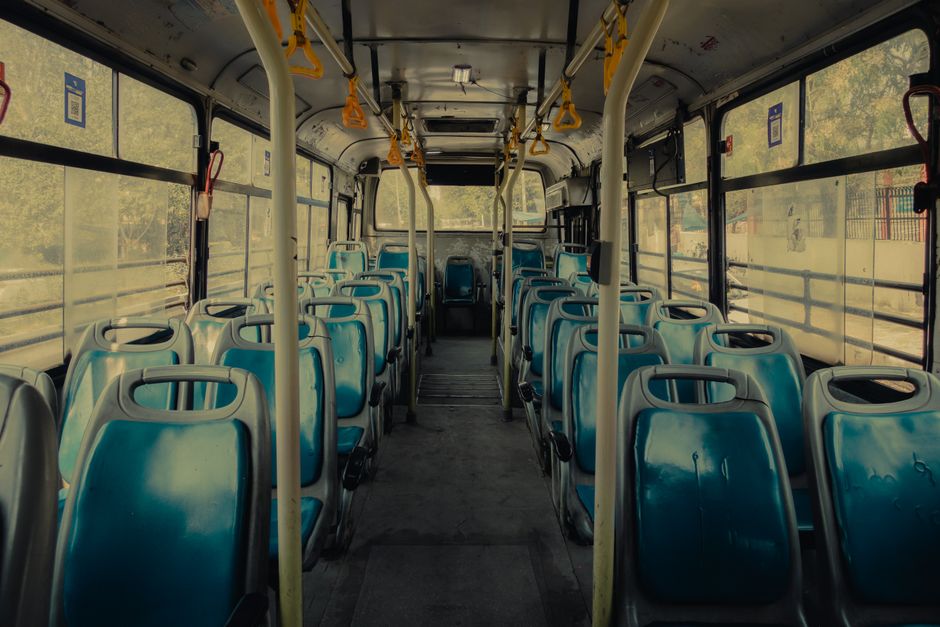
A good wine tour bus should have comfortable, reclining seats, since passengers will be sitting for stretches of time between stops. Climate control matters too, particularly for tours that run through hot Texas or California afternoons or cooler fall days in the Finger Lakes or Michigan. Some coaches also offer onboard restrooms, which can be a meaningful convenience on longer tours with multiple hours of driving between wineries.
Driver Experience with Wine Country Routes
Rural wine country roads can be narrow, winding, and occasionally poorly marked, especially in areas like Sonoma’s backroads or the Texas Hill Country’s farm-to-market roads. An experienced driver who is familiar with the region, or at least comfortable navigating rural routes, makes a noticeable difference in how smoothly the day goes. When comparing quotes from different companies, it’s worth asking directly about the driver’s experience with wine country logistics, since not every operator is equally comfortable with tight winery driveways and gravel parking areas.
Transparent Pricing
Wine tours often involve extra stops, waiting time at each winery, and sometimes a longer overall day than a typical point-to-point charter. Make sure the quote you receive accounts for the full itinerary, including wait time, rather than just drive time between destinations. If you’re not sure how to evaluate pricing across multiple companies, this guide on how to compare charter bus quotes breaks down what should and shouldn’t be included in a fair estimate. It’s also worth reviewing what typically falls outside the base rental price, since gratuities, parking fees at certain wineries, and overtime charges can catch groups off guard if they aren’t discussed upfront.
Planning Tips for a Smooth Charter Bus Wine Tour
Booking the bus is only part of the process. A well-run wine tour also depends on smart planning around the itinerary itself.
Limit the Number of Stops
It’s tempting to try to pack in as many wineries as possible, but most successful tours stick to four or five stops in a single day. This leaves enough time at each location for a proper tasting, a tour if one is offered, and some unstructured time to relax, without rushing the group back onto the bus every 45 minutes.
Book Tastings in Advance
Many popular wineries, especially in Napa, Sonoma, and the Texas Hill Country, require reservations for groups above a certain size. Calling ahead not only secures your spot but also gives the winery a heads-up to prepare for a larger party, which often results in better service and a smoother check-in process.
Build in a Real Lunch Break
Tasting wine on an empty stomach is neither comfortable nor advisable. Building a proper lunch stop into the middle of the day, whether at a winery with a restaurant or a nearby town, helps keep the group’s energy up and makes the tastings later in the day more enjoyable.
Communicate the Schedule Clearly
Group members should know the pickup time, the order of stops, and roughly how long the group will spend at each location. Sharing a simple printed or digital itinerary ahead of time cuts down on confusion and keeps everyone on the same page when it’s time to load back onto the bus.
Plan for All Types of Travelers
Wine tour groups often include a mix of ages and mobility levels, especially for events like birthdays, anniversaries, or multi-generational family trips. If your group includes older adults or anyone with mobility needs, it’s worth confirming that the bus and the wineries themselves can comfortably accommodate everyone. Guides like this one on choosing a charter bus for elderly travelers offer useful pointers on comfort and accessibility features to look for when booking.
Why a Charter Bus Beats Driving Yourselves
Some groups still weigh the idea of renting a few cars or SUVs instead of booking a bus, but for wine tours specifically, the case for a charter bus is especially strong.
The most obvious reason is safety. Wine tasting, by design, involves alcohol consumption spread across an entire day, and even responsible tasting adds up. A professional driver removes the guesswork of figuring out who has had too much to drive and eliminates the risk of a DUI entirely for every member of the group.
There’s also a real cost argument. Splitting the cost of a single charter bus across a group is frequently cheaper per person than paying for multiple rental cars, plus fuel, plus parking at each winery. Many wineries charge separately for vehicle parking during busy season, and a bus consolidates all of that into a single stop.
Finally, there’s the simple fact that a shared bus keeps the group together. Wine tours are social events almost by definition, and splitting into separate cars means the group is constantly regrouping at each stop, waiting for stragglers, and potentially getting separated on unfamiliar roads. A single bus keeps everyone moving as a unit and turns the travel time between wineries into part of the fun rather than a logistical hassle.
Best Times of Year to Book a Wine Tour
Timing matters almost as much as location when planning a charter bus wine tour. Most wine regions have a distinct high season, typically late summer through fall, when harvest activities are in full swing and many wineries host special events. Napa and Sonoma, for example, see a surge of visitors during “crush” season in September and October, when grapes are being harvested and pressed. This is an exciting time to visit, but it also means higher prices, more crowded tasting rooms, and the need to book both wineries and transportation well in advance.
Spring is another strong option in most regions, particularly in areas like Texas Hill Country and Virginia, where wildflowers and mild temperatures make for a pleasant day outdoors. Groups that prefer a quieter, less crowded experience often choose to visit during the shoulder seasons of late spring or early fall, when the weather is still comfortable but the crowds have thinned out.
Winter tours are less common but not unheard of, especially in warmer climates like Texas Hill Country or parts of California. Some wineries actually offer better group rates and more flexible scheduling during their slower months, which can be worth exploring if your group has flexibility on dates.
Frequently Asked Questions
How many wineries can a group realistically visit in one day?
Most well-planned wine tours include between three and five wineries in a single day. This allows enough time for a proper tasting and some relaxed downtime at each stop without rushing the group. Trying to squeeze in more than five often leads to a rushed, less enjoyable experience.
What size charter bus is best for a wine tour?
It depends on the group, but mid-sized vehicles in the 25 to 45 passenger range tend to work well for most wine tour groups, since they’re large enough for bridal parties, corporate outings, or big friend groups but still small enough to fit comfortably at most winery parking areas. Smaller groups may prefer a minibus, while larger groups celebrating a big event might need a full-size motorcoach.
Do wineries require advance reservations for large groups?
Many do, especially in popular regions like Napa, Sonoma, and Texas Hill Country. Reservation requirements typically kick in for groups of eight or more, though this varies by winery. It’s always a good idea to call ahead and confirm group policies before finalizing your itinerary.
Is it more affordable to book a charter bus or rent individual cars?
For groups of six or more, a charter bus is often more cost-effective once you factor in fuel, individual parking fees, and the value of not needing a designated driver. It also removes the safety risk that comes with driving after a day of tastings, which many groups consider worth the cost on its own.
What’s the best time of year for a wine country charter bus tour?
Fall harvest season, typically September and October, is the most popular time to visit most wine regions, though it also comes with higher prices and bigger crowds. Spring and early fall shoulder seasons offer a good balance of pleasant weather and smaller crowds, while winter can be a budget-friendly option in warmer climates.
Final Thoughts
From the rolling hills of Napa and Sonoma to the lakeside vineyards of the Finger Lakes and the wildflower-lined roads of Texas Hill Country, the United States offers no shortage of excellent destinations for a group wine tour. What separates a good trip from a great one usually comes down to planning: choosing a region that matches your group’s interests, mapping out a realistic itinerary, and booking reliable transportation that lets everyone enjoy the day without worrying about driving.
A charter bus wine tour takes the stress out of the logistics, keeps the group together, and turns the travel time between wineries into part of the experience rather than an afterthought. Whether you’re planning a bachelorette weekend, a corporate retreat, or simply a fun day out with friends, booking the right bus for the right group size and route is the foundation of a smooth, memorable trip through wine country.