Best Group Road Trips in California: 15 Routes Worth Planning Around

California has more miles of coastline, mountain pass, and desert highway than almost any group trip planner knows what to do with. That’s both a blessing and a headache. A blessing because you’ll never run out of options. A headache because narrowing down the best group road trips in California means wading through hundreds of possible routes, seasonal closures, and driving distances that look short on a map but take four hours in real traffic.
This guide cuts through that noise. Below you’ll find fifteen routes that consistently work well for groups, whether you’re organizing a church retreat, a corporate outing, a school trip, or a big family reunion. For each one, we’ll cover what makes it worth the drive, how long to budget, and what to watch out for when you’re moving a group of fifteen, thirty, or fifty people instead of just a carful of friends.
You’ll also get practical planning advice on group transportation, timing your trip around California’s notoriously unpredictable traffic and weather, and how to keep a large group happy over multiple driving days. By the end, you should have a shortlist of routes that fit your group’s size, budget, and interests.
Why California Is Ideal for Group Road Trips
Few states pack this much variety into a single road trip. In one week, a group can go from redwood forests to desert dunes to alpine lakes without ever leaving state lines. That range means you can build an itinerary around almost any theme: wine and food, national parks, beaches, history, or a mix of everything.
California’s highway system is also built for long-distance group travel. Major routes like Highway 1, Interstate 5, and Highway 101 connect nearly every major attraction, and most are wide enough and well-maintained enough to comfortably handle a full-size motorcoach. That matters more than people realize; some scenic byways in other states are simply too narrow or winding for a large bus, but California’s main tourist corridors are built to handle heavy traffic, including tour buses and RVs.
Finally, the state’s sheer number of overnight-worthy stops makes multi-day group itineraries easy to plan. You’re rarely more than two hours from a town with hotels, restaurants, and something worth stopping for, which keeps drive times manageable and gives your group regular breaks.
How to Choose the Right Route for Your Group
Before you commit to any specific itinerary, think through a few practical factors:
- Group size: A van works for 10-14 people, but groups of 20 or more typically need a full-size motorcoach for comfort and cost efficiency.
- Season: Mountain routes like Tioga Pass or Highway 89 close in winter, while desert routes like Joshua Tree are miserable in July.
- Group interests: Wine tasting groups, outdoor adventure groups, and history buffs will want very different itineraries even within the same region.
- Driving time tolerance: Some groups (especially seniors or families with young kids) do better with shorter daily drives and more stops.
- Budget: Chartering a bus for a week-long loop costs more upfront than a single day trip, but it often saves money compared to fuel, parking, and multiple rental cars.
If you’re coordinating a trip from a major hub like Los Angeles, it’s worth reviewing options for group getaways from Los Angeles to see how many of these routes can start right from your city without a long drive to a rental depot.
1. The Pacific Coast Highway: San Francisco to San Diego
This is the road trip most people picture when they think of California. Highway 1 hugs the coastline for roughly 500 miles, passing through Monterey, Big Sur, San Luis Obispo, Santa Barbara, and Los Angeles before ending in San Diego.
For a group trip, plan at least five to seven days to do it justice. Trying to rush the Pacific Coast Highway defeats the purpose; the whole appeal is stopping constantly for viewpoints, small towns, and beach breaks.
Highlights Along the Way
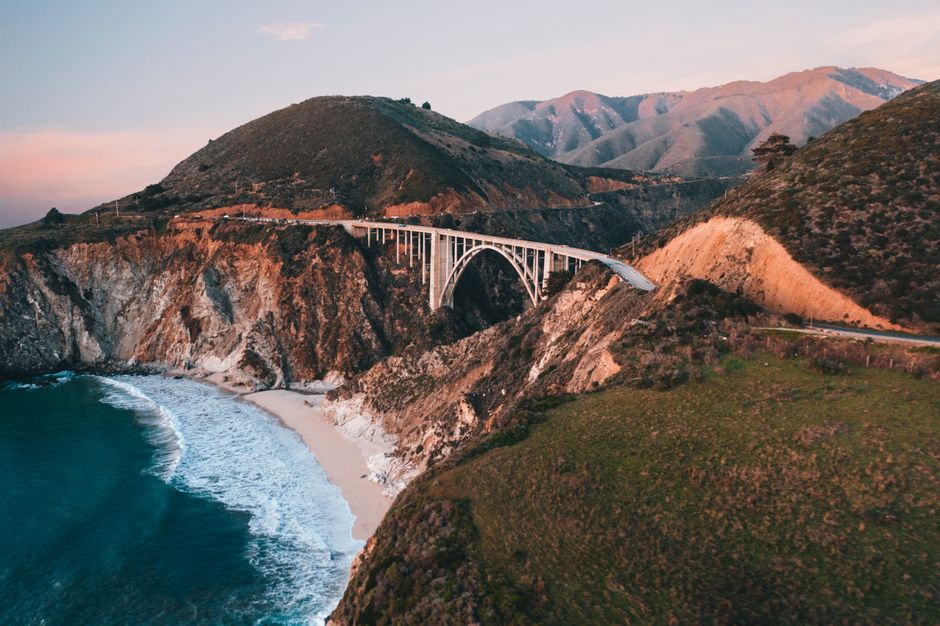
- Big Sur’s cliffside views and the Bixby Creek Bridge
- Hearst Castle in San Simeon
- Santa Barbara’s Spanish colonial architecture and wine country
- Santa Monica Pier and Venice Beach
- Balboa Park and the San Diego Zoo
Groups traveling by motorcoach should know that some sections of Highway 1 through Big Sur have narrow, winding stretches with occasional closures due to landslides. It’s worth checking current road conditions through Caltrans’ road conditions page before finalizing a route, and building in a backup plan using Highway 101 as an inland alternative if needed.
2. Wine Country Loop: Napa Valley and Sonoma
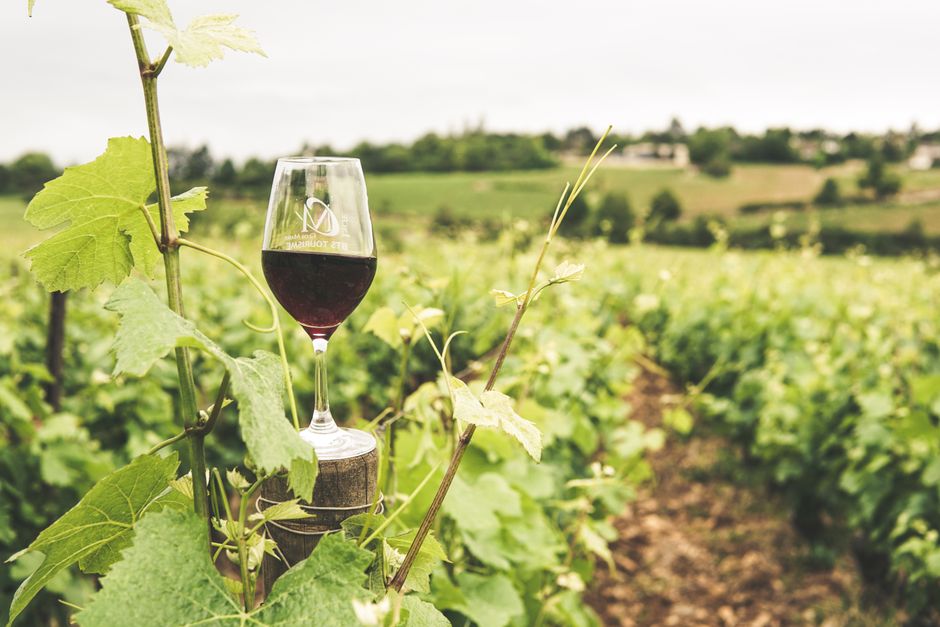
For groups more interested in food and wine than hiking boots, the Napa-Sonoma loop is one of the most efficient group trips in the state. It’s compact, roughly 45 minutes from downtown San Francisco, and packed with tasting rooms, farm-to-table restaurants, and boutique inns.
This is one of the easiest itineraries to run as a single-day or two-day group trip, which makes it popular for corporate retreats, birthday groups, and bachelor or bachelorette parties.
What Makes It Work for Groups
- Many wineries offer private tasting rooms built for groups of 20+
- Short driving distances between stops means less time on the road, more time enjoying the destination
- A designated driver situation is basically mandatory here, which makes chartering transportation a practical safety decision, not just a convenience
Because wine tasting and driving obviously don’t mix, this is one of the clearest cases where a chartered bus or van makes more sense than a caravan of personal cars. Everyone gets to actually enjoy the tastings instead of splitting the group between drivers and passengers.
3. Yosemite and the Sierra Nevada Foothills
Yosemite National Park draws over 3 million visitors a year, and for good reason. Granite cliffs, waterfalls, and giant sequoias make it one of the most photographed landscapes in the country.
A group road trip here typically starts in the Central Valley (Fresno or Merced are common jumping-off points) and winds up through the Sierra Nevada foothills before entering the park.
Planning Considerations
- Summer is peak season, meaning heavy traffic and crowded trailheads; late spring and early fall offer a quieter experience with still-good weather
- Tioga Pass (Highway 120 through the park) closes in winter, usually from November through May or June, so check seasonal access before planning
- Large motorcoaches have some size restrictions on certain park roads, so confirming vehicle size limits with the National Park Service ahead of time saves headaches
Groups planning a multi-day stay should book lodging well in advance. Yosemite Valley accommodations fill up months ahead for summer weekends, and nearby gateway towns like Oakhurst and Mariposa become the practical alternative once valley lodging is full.
4. Lake Tahoe Loop
Lake Tahoe sits on the California-Nevada border and offers something for nearly every kind of group: skiing and snowboarding in winter, hiking and water sports in summer, and casinos year-round on the Nevada side.
The full loop around the lake is about 72 miles and can be driven in a few hours, but most groups spread it over two or three days to actually stop and enjoy the beaches, overlooks, and small towns along the way.
Seasonal Notes
Winter trips to Tahoe require serious planning around snow chains and road conditions; some passes require chain restrictions for vehicles without four-wheel drive. Summer trips, by contrast, are straightforward but busier, especially around July 4th and Labor Day weekends.
This route is popular with corporate groups doing ski retreats, as well as multigenerational family reunions that want a mix of adventure activities and simple relaxation by the water.
5. Highway 395: The Eastern Sierra Route
Highway 395 runs along the eastern edge of the Sierra Nevada and is one of the most underrated scenic drives in the state. It’s less crowded than Highway 1 or the routes into Yosemite, which makes it appealing for groups who want dramatic scenery without the tourist crush.
Notable Stops
- Mono Lake’s otherworldly tufa towers
- Bodie Ghost Town, one of the best-preserved gold rush towns in the country
- Mammoth Lakes for hiking and hot springs
- Alabama Hills near Lone Pine, famous as a filming location for countless Western movies
This route works particularly well for outdoor adventure groups, photography clubs, and history-focused tours. It’s a longer drive with fewer big towns along the way, so groups should plan fuel and rest stops carefully, especially in winter when some services close down.
6. Joshua Tree and the Southern California Desert
Joshua Tree National Park anchors a desert loop that also touches Palm Springs, the Salton Sea, and, for the more adventurous groups, Anza-Borrego Desert State Park.
Fall through spring is the ideal window here. Summer temperatures regularly exceed 100°F, which makes outdoor group activities uncomfortable and, frankly, risky for larger groups with mixed fitness levels.
Good For
- Retreat groups looking for a quiet, scenic setting away from cities
- Photography and stargazing groups, since Joshua Tree has some of the best dark skies in Southern California
- Groups combining desert scenery with a Palm Springs stay for pools, spas, and mid-century architecture tours
7. Highway 101 Redwood Route
If your group wants trees instead of beaches, the Redwood Route along Highway 101 through Northern California delivers some of the tallest trees on Earth. Redwood National and State Parks, along with the Avenue of the Giants, are the main draws.
This is a quieter, greener alternative to the more famous Highway 1 coastal drive, and it appeals to groups who want a slower, nature-focused pace rather than a packed sightseeing itinerary.
Route Highlights
- Avenue of the Giants, a 31-mile scenic byway through old-growth redwood groves
- Redwood National and State Parks, home to some of the tallest trees in the world
- Eureka and Arcata for Victorian architecture and coastal charm
Because this region gets significant rainfall much of the year, groups should plan for wet weather even outside of what most people think of as the rainy season. Layered clothing, waterproof jackets, and comfortable walking shoes are worth recommending in any pre-trip packing list you send to your group.
Good For
- Nature and hiking clubs who want towering scenery without desert heat or coastal crowds
- School and educational groups studying ecology, conservation, or California history
- Groups who prefer a slower, contemplative pace over a packed, photo-stop-every-ten-minutes itinerary
8. Gold Country Highway 49
Highway 49, named for the 49ers of the California Gold Rush, winds through the Sierra Nevada foothills connecting historic mining towns like Sutter Creek, Placerville, Nevada City, and Columbia State Historic Park. It’s one of the most underrated group road trip routes in the state, offering small-town charm, well-preserved 19th-century architecture, and a slower pace than the coastal routes.
Groups interested in history will find plenty to do here, from gold panning demonstrations to walking tours of buildings that have barely changed since the 1850s. It also pairs naturally with a Lake Tahoe or Sacramento leg, since Highway 49 runs roughly parallel to the Sierra foothills.
Route Highlights
- Columbia State Historic Park, a preserved Gold Rush town with costumed interpreters
- Sutter Creek and Murphys for wine tasting and antique shopping in a historic setting
- Nevada City, one of the best-preserved Gold Rush towns in California
This route works well nearly year-round, though spring and fall offer the most comfortable temperatures for walking tours through these hillside towns.
Good For
- History and heritage groups, including school field trips and genealogy clubs
- Wine club outings looking for a lower-key alternative to Napa
- Multigenerational family reunions that want a mix of activity and relaxation
9. Lake Tahoe Loop
The roughly 72-mile loop around Lake Tahoe is one of the most scenic short drives in the country, and it works exceptionally well for groups because there’s so much to do at every stop. The lake itself straddles the California-Nevada border, with the California side offering South Lake Tahoe’s casinos and beaches and the North Shore’s quieter, more upscale resort towns.
Groups can tackle this as a day trip loop from a home base in South Lake Tahoe, or extend it into a multi-day itinerary with stops for hiking, boating, and gondola rides at Heavenly Mountain Resort.
Route Highlights
- Emerald Bay State Park, considered one of the most photographed spots in California
- Heavenly Village and gondola for panoramic lake views
- Sand Harbor on the Nevada side, worth the short detour for its clear water and granite boulders
Summer brings warm weather and full access to hiking trails, while winter transforms Tahoe into a ski and snowboard destination. Groups traveling in winter should build in extra time for mountain driving conditions, which can slow down even the most experienced motorcoach drivers.
Good For
- Ski and snowboard club trips during winter months
- Corporate retreats that want a resort-style home base with outdoor activities nearby
- Summer camp groups and youth organizations looking for lake activities and hiking
10. Napa and Sonoma Wine Country
Wine country is a perennial favorite for group trips, and for good reason. Napa and Sonoma Valleys offer hundreds of wineries within a compact, easily navigable area, many of which offer private tastings and tours built specifically for groups. This is one of the few routes on this list where hiring a charter bus isn’t just convenient, it’s genuinely the safest and smartest way to travel, since wine tasting and driving obviously don’t mix.
Groups can base themselves in Napa, Sonoma, or Santa Rosa and structure each day around two or three winery visits, with lunch stops in Yountville or Healdsburg, both known for their farm-to-table restaurant scenes.
Route Highlights
- Silverado Trail, a quieter alternative to Highway 29 with equally impressive wineries
- Sonoma Plaza, a walkable historic square surrounded by tasting rooms and shops
- Calistoga for mud baths and hot springs after a day of wine tasting
Fall harvest season, typically late September through October, is the most popular time to visit, though it also means higher prices and more crowds. Spring offers similar scenery with mustard flowers blooming between the vine rows and fewer tourists competing for reservations.
Good For
- Bachelorette and bachelor party groups
- Corporate incentive trips and client appreciation events
- Milestone birthday celebrations and anniversary trips
11. Death Valley National Park Loop
Death Valley is an extreme destination in every sense, and that’s exactly why it appeals to certain groups. It holds the record for the hottest air temperature ever recorded on Earth, and its otherworldly landscape of salt flats, sand dunes, and colorful badlands makes for an unforgettable group excursion, provided you time it right.
This is strictly a fall-through-spring destination. Summer temperatures routinely exceed 120°F, and even short walks outside a vehicle can become dangerous. From November through March, though, daytime temperatures are pleasant and the park’s stark beauty is on full display.
Route Highlights
- Badwater Basin, the lowest point in North America at 282 feet below sea level
- Zabriskie Point for sunrise views over eroded badlands
- Mesquite Flat Sand Dunes, ideal for photography groups and short group hikes
Because services inside the park are limited, groups should plan meals and restroom stops carefully, and a charter bus with onboard restroom facilities is a genuine advantage here given the long stretches between amenities.
Good For
- Geology and astronomy clubs, since Death Valley is a certified International Dark Sky Park
- Photography groups chasing unique desert light and landscapes
- Adventure travel groups looking for a destination outside the typical California itinerary
12. Mount Shasta and Lassen Volcanic Loop
Far Northern California doesn’t get nearly the attention that Southern California does, but the region around Mount Shasta and Lassen Volcanic National Park offers dramatic mountain scenery, volcanic landscapes, and a much quieter experience than the state’s more famous parks. Mount Shasta itself is a dormant volcano rising over 14,000 feet, visible from dozens of miles away and a striking backdrop for any group photo.
Lassen Volcanic National Park, about 90 minutes south of Mount Shasta, is one of the few places in the world where you can see all four types of volcanoes. It’s also far less crowded than Yosemite or Sequoia, which makes it appealing for groups that want scenery without the crowds.
Route Highlights
- Mount Shasta City for small-town charm and mountain views
- Bumpass Hell in Lassen Volcanic National Park, a geothermal area with boiling springs and steam vents
- Burney Falls, often called one of the most beautiful waterfalls in California
Snow can linger at higher elevations well into early summer, so groups planning hiking-focused itineraries should aim for July through September for full trail access.
Good For
- Outdoor and geology-focused school groups
- Retreat groups seeking true solitude and minimal crowds
- Regional travel clubs looking to explore lesser-known California destinations
13. San Diego to Julian Apple Country
This shorter route makes an easy day trip or overnight excursion from San Diego, climbing from the coast into the Cuyamaca Mountains to the historic gold-mining-turned-apple-orchard town of Julian. It’s a gentle, low-stress route that works well for groups that don’t want a long travel day but still want a change of scenery from the city.
Julian is famous for its apple pie, and nearly every group that visits ends up stopping at one of the town’s bakeries. Beyond the pie, the town has a walkable historic downtown, small museums, and nearby Cuyamaca Rancho State Park for light hiking.
Route Highlights
- Downtown Julian’s historic buildings and apple pie shops
- Cuyamaca Rancho State Park for easy group hikes and picnicking
- Santa Ysabel, a small detour stop known for its own bakeries and roadside farm stands
Fall is the peak season here, when apple harvest festivals bring the whole town to life, though the drive is pleasant nearly year-round. Occasional snow in winter adds a novelty factor for a region not known for cold weather.
Good For
- Senior groups and retirement communities looking for a short, easy day trip
- Family groups with young kids who don’t do well on long drives
- Groups combining a coastal San Diego stay with a single mountain day trip
14. Sequoia and Kings Canyon National Parks
Home to the largest trees on the planet by volume, Sequoia and Kings Canyon National Parks sit next to each other in the southern Sierra Nevada and are often visited together. The General Sherman Tree, the largest tree in the world by volume, draws visitors from around the globe, but the parks also offer dramatic canyon views, granite peaks, and far fewer crowds than Yosemite just a few hours north.
Groups traveling by motorcoach should note that some roads within the parks have length and width restrictions, so it’s worth confirming vehicle specifications with the park service or your bus provider well ahead of time.
Route Highlights
- General Sherman Tree, accessible via a short paved trail suitable for most fitness levels
- Kings Canyon Scenic Byway, one of the most dramatic drives in the Sierra Nevada
- Moro Rock, a granite dome with sweeping valley views for groups up for a moderate climb
Summer and early fall offer the best road access, since some higher-elevation areas close in winter due to snow. Late spring can bring beautiful wildflower blooms at lower elevations.
Good For
- Outdoor education programs and science-focused school trips
- Groups looking for a quieter alternative to Yosemite with similarly impressive scenery
- Hiking and nature clubs of all ages, thanks to a range of trail difficulty options
15. Highway 1 Big Sur to Los Angeles
No list of California group road trips would be complete without the stretch of Highway 1 running from Big Sur down through San Luis Obispo, Santa Barbara, and into Los Angeles. This route captures everything people picture when they imagine a California road trip: cliffside ocean views, small beach towns, and a nearly constant string of scenic overlooks worth stopping for.
Groups departing from or returning to Los Angeles often use this route to bookend a longer Northern California itinerary, and it pairs naturally with several stops already covered on this list, including Hearst Castle and the Central Coast towns near Highway 101.
Route Highlights
- Bixby Creek Bridge, one of the most photographed bridges in the country
- Santa Barbara’s Spanish colonial architecture and waterfront promenade
- Solvang, a Danish-style village worth a lunch stop for its bakeries and shops
Because this stretch includes narrow, winding cliffside roads, it’s worth double-checking with your bus company about vehicle size and driver experience on coastal routes, particularly around Big Sur where lanes are tight and shoulders are minimal.
Good For
- Groups departing from or returning to Los Angeles, since it connects easily with other popular group getaways from Los Angeles
- Photography and content creator groups chasing iconic California coastal shots
- Any group looking for a classic, bucket-list California driving experience
Planning a Group Road Trip in California: What to Consider
With fifteen routes to choose from, narrowing down the right one comes down to a few practical questions. How long is your group willing to travel each day? What’s the mix of ages and mobility levels in your group? And what kind of experience are you after: relaxed and scenic, packed with activities, or somewhere in between?
A few planning tips apply across nearly every route on this list:
- Book your vehicle early, especially in peak season. Spring and summer weekends fill up fast for charter bus rentals in California, particularly for wine country and coastal routes.
- Build in buffer time. Scenic routes like Highway 1 and the Sierra foothills take longer than GPS estimates suggest once you factor in photo stops and slower mountain or coastal driving speeds.
- Check seasonal road closures. Mountain routes through Tahoe, Lassen, and Sequoia can have limited access in winter and early spring due to snow.
- Match the route to your group’s mobility needs. Some destinations, like Yosemite Valley or Julian, are easy for all fitness levels, while others involve steeper trails or longer walks between parking and attractions.
- Understand your contract before you sign. Knowing what’s included, what counts as overtime, and how cancellations are handled can save a lot of headaches later. It’s worth reviewing how a charter bus contract typically works before booking any multi-day itinerary.
If your group includes older travelers or anyone with mobility limitations, it’s also worth thinking through logistics ahead of time, from bathroom stop frequency to how much walking each stop requires. Groups organizing trips specifically for older adults may find it helpful to reference a dedicated guide to planning senior group trips before finalizing an itinerary.
Budget is another major factor. Wine country and coastal resort towns tend to run more expensive, while routes like Highway 49 Gold Country or the Julian apple country day trip are considerably easier on the wallet. Groups trying to stretch their travel budget further might also want to look at general strategies from a guide on budget-friendly group travel destinations for ideas that apply beyond California as well.
Frequently Asked Questions
What is the best time of year for a group road trip in California?
It depends on the route. Coastal drives like Highway 1 and the Redwood Route are enjoyable nearly year-round, though summer brings fog to many coastal areas. Desert destinations like Joshua Tree and Death Valley are best visited from fall through spring to avoid extreme heat. Mountain routes through Tahoe, Lassen, and Sequoia are most accessible from late spring through early fall, once snow has cleared from higher elevations.
How many people can a charter bus accommodate for a California road trip?
Charter buses typically range from smaller minibuses seating around 20 passengers up to full-size motorcoaches that seat 50 or more. The right size depends on your group count, luggage needs, and whether you want extra room for onboard amenities like restrooms and entertainment systems, all of which are worth discussing with your bus provider before booking.
Is it cheaper to rent a charter bus or have everyone drive separately?
For groups of ten or more, a charter bus is often more cost-effective once you account for gas, parking, tolls, and the value of everyone’s time not spent behind the wheel. It also keeps the group together, which matters a lot on multi-stop itineraries where separate cars can easily get split up or lost.
Do charter buses handle winding mountain or coastal roads safely?
Reputable charter bus companies use professional drivers experienced with exactly these kinds of routes, including narrow coastal roads like Big Sur and mountain passes near Tahoe and Yosemite. It’s still worth confirming with your provider that your specific route has been driven before, especially for larger vehicles on the tightest sections of Highway 1.
Can a charter bus accommodate multi-day itineraries with overnight stops?
Yes, most charter bus companies regularly handle multi-day trips with overnight stays, and many drivers are trained to work within required rest periods so the group’s schedule and the driver’s hours align smoothly. This is especially useful for longer routes on this list, like the full Pacific Coast Highway or a combined Yosemite and Tahoe itinerary, where a single day trip simply isn’t enough time.
Final Thoughts
California’s size and geographic variety mean there’s genuinely a route on this list for almost any group, whether that’s a wine club chasing tasting rooms in Sonoma, a school group studying redwood ecosystems, or a multigenerational family reunion looking for an easy coastal weekend. The key to a smooth trip isn’t just picking a beautiful route, it’s matching that route to your group’s pace, budget, and comfort level, then booking transportation that can handle the specifics of California driving, from mountain passes to narrow coastal roads. With the right planning, any one of these fifteen routes can turn into the kind of trip your group talks about for years.