Can You Sleep on a Charter Bus? What to Expect and How to Rest Well

If you’ve got an overnight trip coming up or a long haul across several states, one question probably keeps popping into your head: can you sleep on a charter bus? The short answer is yes, absolutely, but the quality of that sleep depends on a handful of factors you can actually control before you ever board the vehicle.
In this guide, you’ll learn exactly what sleeping on a charter bus feels like, which seats give you the best shot at real rest, what gear to pack, and how overnight coach travel compares to flying or driving yourself. By the end, you’ll know how to turn a long ride into productive downtime instead of a restless blur of half-sleep and neck cramps.
Yes, You Can Sleep on a Charter Bus, But It’s Not Like Sleeping in a Bed
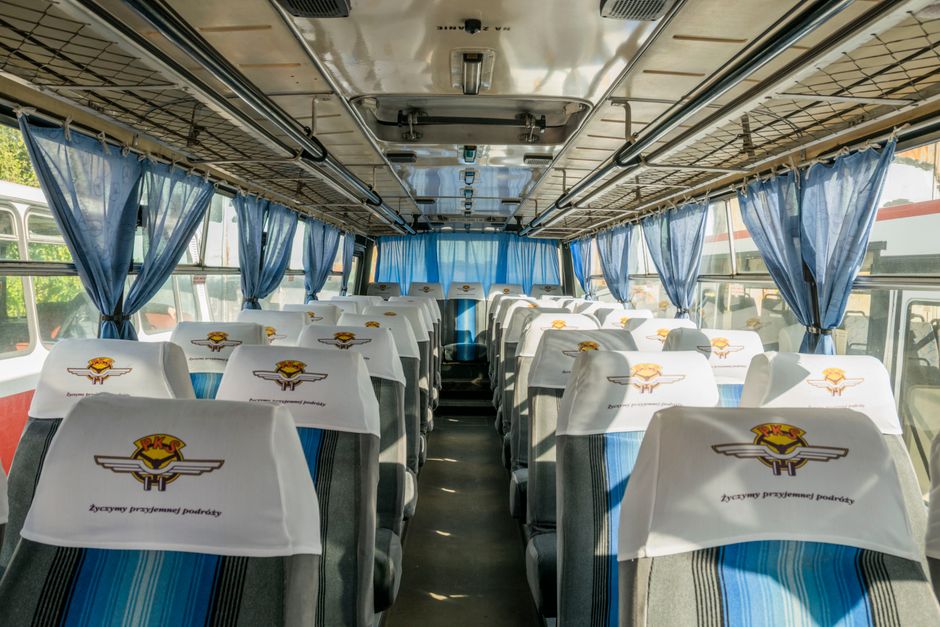
Charter buses are built for long-distance comfort, not for full horizontal sleep. Most standard charter coaches come with high-backed, reclining seats, individual headrests, and legroom that’s noticeably more generous than what you’d get on a commercial flight. That combination makes dozing off realistic for most passengers, especially on overnight routes.
However, you won’t be lying flat unless you’re on a specialty sleeper coach (more on that below). Instead, you’ll be reclining in an upright-leaning position, similar to a long car ride where you tilt the seat back and use a travel pillow. For many travelers, that’s more than enough to log several hours of decent rest, particularly if the trip runs through the night when the bus is dark, quiet, and moving at a steady highway pace.
Why People Assume You Can’t Sleep on a Bus
The misconception mostly comes from experiences on city transit buses or budget intercity lines with stiff, upright seating and no recline function. Charter buses are a different category entirely. They’re chartered specifically for groups traveling together over longer distances, which means operators equip them with amenities meant to keep passengers comfortable for hours at a stretch, not just a quick commute across town.
What Determines How Well You’ll Sleep
Not every charter bus ride offers the same sleep potential. Several variables affect whether you’ll wake up refreshed or stiff and cranky.
Time of Departure
Overnight departures are, by far, the easiest trips to sleep through. When a bus leaves late in the evening and arrives early the next morning, the natural darkness and the group’s collective tiredness work in your favor. Most passengers dim their reading lights, conversations die down, and the cabin settles into a quiet, sleep-friendly atmosphere.
Daytime trips are trickier. Sunlight, conversation, frequent stops, and general daytime energy make it harder to nod off, even on a comfortable seat. If you specifically need sleep, ask your group organizer whether the itinerary includes an overnight leg, or check out this complete guide to overnight charter bus trips for how these late-night routes are typically structured.
Seat Type and Bus Model
Charter bus fleets vary. Some coaches include:
- Standard reclining seats with adjustable headrests
- Extra-legroom rows near the front or in premium sections
- Footrests or leg rests on higher-end motorcoaches
- Reading lights and individual air vents you can control
The newer and higher-tier the coach, the more likely you’ll find seats designed with rest in mind. When booking, ask the operator directly what seat features their vehicles include, since this can vary significantly between companies and even between buses in the same fleet.
Noise and Lighting
A quiet cabin makes an enormous difference. Groups that keep phone volumes down, use headphones, and dim overhead lights after a certain hour create conditions much closer to a red-eye flight than a rowdy field trip. If you’re traveling with a large group, especially students or coworkers, setting quiet hours as part of your trip plan helps everyone sleep better.
Road Conditions and Route
Highway driving is smoother than stop-and-go city routes. Long stretches of interstate travel, common on trips covering hundreds of miles, tend to produce a steady rocking motion that many people find genuinely soothing. Routes with lots of turns, traffic, or frequent braking make sleep more difficult.
Best Seats for Sleeping on a Charter Bus
Where you sit matters just as much as when you travel. A few seat-selection strategies can meaningfully improve your rest.
Window Seats Win
A window seat gives you something to lean against and a wall to block out the aisle activity. Many travelers prop a travel pillow between their head and the window to create a makeshift headrest that keeps their neck from bobbing every time the bus shifts.
Avoid the Back Row (Usually)
The rear of the bus sits closest to the engine and restroom, both of which can mean more noise and more foot traffic throughout the night. Middle sections of the coach tend to offer a smoother ride and less disruption from passengers getting up to use the restroom.
Skip Seats Over the Wheel Wells
Seats positioned directly above the wheel wells often have less legroom and a slightly elevated seat base, which can make reclining less comfortable. If you have a choice, pick a row that isn’t directly over the axle.
Front Rows for Light Sleepers
If you’re sensitive to motion or prefer to see the road ahead, front seats offer a smoother sense of orientation and are usually farther from the restroom traffic. They’re also typically quieter since they’re farther from social clusters that tend to form at the back of the bus.
What to Pack for a Comfortable Night on the Road
A few small items can transform an uncomfortable ride into a genuinely restful one. If you’re prepping for a trip, add these to your bag before departure, and check our charter bus travel checklist for a full rundown of what to bring before you leave.
Sleep Essentials
- Travel pillow: A U-shaped neck pillow or inflatable travel pillow supports your head against sudden stops or turns.
- Blanket or oversized scarf: Bus air conditioning tends to run cold overnight, and a lightweight blanket keeps you from waking up chilled.
- Eye mask: Even with dimmed cabin lights, reading lights and phone screens can be distracting. An eye mask blocks it all out.
- Earplugs or noise-canceling headphones: Engine hum, conversations, and road noise are easier to tune out with proper ear protection.
- Compression socks: Long periods of sitting can cause swelling in your feet and ankles. Compression socks help circulation on multi-hour rides.
- Layered clothing: Temperatures fluctuate between boarding areas, rest stops, and the bus cabin itself, so dressing in layers keeps you comfortable no matter the setting.
Items to Keep Close, Not in Overhead Storage
Keep your phone, wallet, ID, and any medications in a small bag at your feet or in the seatback pocket in front of you. Overhead bins are fine for jackets and larger bags, but you don’t want to be climbing over sleeping passengers at 2 a.m. searching for your phone charger.
How Charter Buses Compare to Other Overnight Travel Options
If you’re deciding between a charter bus, a red-eye flight, or driving through the night yourself, it helps to compare the actual sleep experience each one offers.
Charter Bus vs. Flying Overnight
Airplane seats are narrower and offer less recline than most motorcoach seats. Airports also require early check-ins, security lines, and boarding procedures that eat into your rest time before you even sit down. A charter bus, by contrast, lets you board once and settle in for the entire trip without additional stops for security or connections.
Charter Bus vs. Driving Yourself
Obviously, you can’t sleep while driving. If your group is covering serious mileage, a charter bus allows every passenger, including the person who would otherwise be behind the wheel, the chance to actually rest. This is one of the biggest advantages groups cite when choosing a bus over a caravan of personal vehicles, especially for long-distance charter bus travel spanning several hundred miles.
Charter Bus vs. Sleeper Trains
Sleeper trains with actual berths offer better horizontal sleep, but they’re far less flexible in terms of route and availability, and they cost significantly more per passenger. Charter buses go virtually anywhere there’s a road, making them a practical option even if the sleep quality is a notch below a private train berth.
Do Sleeper Coaches Exist?
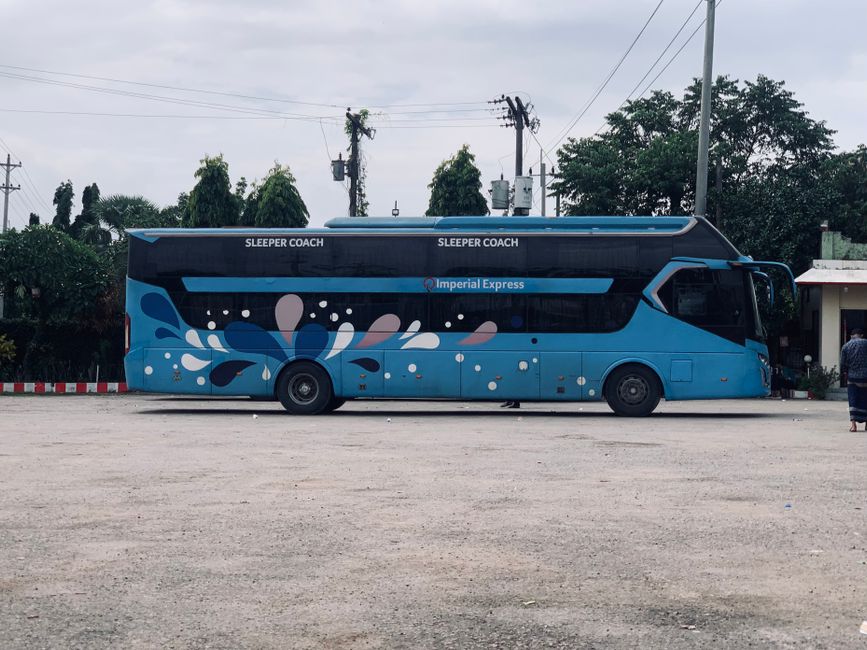
Yes, though they’re less common than standard charter buses. Sleeper coaches, sometimes used for touring musicians, sports teams, or long-haul crews, include actual bunks stacked in a private cabin area, similar to a small dormitory on wheels. These are specialized vehicles and typically not part of a standard charter bus rental fleet used for school trips, corporate travel, or group tours.
For most group travel needs, whether that’s a university event, a company outing, or a family reunion, a standard motorcoach with reclining seats is what you’ll be booking. If your group specifically needs sleeper-style accommodations, mention that during the quote process so the operator can advise whether specialty vehicles are available in your area.
Rest Stops and Their Role in Sleep Quality
Federal regulations require charter bus drivers to take breaks after a certain number of consecutive driving hours. These mandatory rest stops mean your trip won’t be one uninterrupted stretch of highway. Instead, you’ll likely stop every few hours for fuel, driver breaks, and restroom access.
While these stops interrupt sleep somewhat, they’re generally brief, and most passengers who are genuinely asleep can stay that way through a quick fuel stop. It’s the longer meal or extended rest stops that tend to wake people fully. If your itinerary includes several planned stops, groups sometimes coordinate ahead of time to decide which stops are essential and which can be skipped to preserve sleep time. Our guide on how multiple stops work on a charter bus breaks down what to expect and how to plan around them.
How Many Stops Should You Expect Overnight?
On a typical overnight route covering 400 to 600 miles, expect somewhere between two and four stops, depending on fuel needs and driver hour limits. Drivers are legally required to rest after extended periods behind the wheel, and reputable charter companies build these breaks into the schedule from the start rather than treating them as an afterthought.
Tips for Falling Asleep Faster on a Charter Bus
Even with the right seat and gear, some people simply have a harder time sleeping in transit. These practical strategies can help.
Board Already Tired
If your trip starts late in the evening, try to stay active and awake earlier in the day rather than napping beforehand. Boarding the bus already tired makes it much easier to fall asleep once you’re settled into your seat.
Avoid Caffeine Before Departure
It sounds obvious, but a coffee or energy drink right before boarding can keep you wired for hours. Stick to water or herbal tea in the couple of hours leading up to departure if sleep is your priority.
Use a Consistent Pre-Sleep Routine
Just like at home, a small routine signals your brain that it’s time to wind down. Put away your phone, put on your eye mask, adjust your seat, and take a few slow breaths. Repeating the same sequence each time you travel trains your body to associate those actions with rest.
Recline Early, Not Late
Once the bus is moving and the cabin has settled, recline your seat and get into position early rather than waiting until you’re already exhausted. Fighting fatigue while sitting upright wastes valuable rest time you could be using to actually sleep.
What About Sleeping During Daytime Trips?
Daytime charter bus rides, common for school field trips, museum visits, or corporate travel between cities, aren’t designed around sleep, but short naps are still realistic. Many passengers doze for 20 to 40 minutes during a long daytime stretch, particularly after lunch or during a quiet portion of the route.
If you know you’ll want a nap during a daytime trip, the same gear (eye mask, neck pillow, headphones) still applies. The main difference is that you’re working with shorter windows of quiet rather than a full night’s rest.
Special Considerations for Groups With Kids or Teens
If you’re chaperoning a group of students or younger travelers on an overnight bus trip, sleep dynamics work a little differently. Younger passengers often struggle to settle down, especially in the first hour or two after departure when excitement is still running high.
Setting Quiet Hours
Many chaperones and trip organizers set a specific
“quiet hours” window, typically starting an hour or so after departure, when lights dim, music stops, and conversation is expected to taper off. Announcing this schedule before departure, rather than mid-trip, helps students mentally prepare and reduces pushback once quiet hours actually begin.
Assigning Seats Strategically
Seat assignments make a noticeable difference on trips with kids or teens. Placing more talkative or high-energy students near chaperones, and keeping close friend groups slightly separated, can cut down on late-night chatter that keeps other passengers awake. Some organizers also rotate seating halfway through longer trips so no one is stuck next to a restless neighbor for the entire ride.
Packing Comfort Items for Younger Travelers
Younger passengers benefit from the same sleep gear adults use, but it helps to remind them (and sometimes their parents) to pack it ahead of time. A rolled-up hoodie, a small travel pillow, or a favorite blanket can make a bus seat feel far more familiar and easier to fall asleep in. For school groups, chaperones often find it useful to include sleep gear reminders directly in the packing list sent home before the trip, similar to the packing guidance covered in this charter bus travel checklist before departure.
How Charter Bus Companies Support Overnight Comfort
Reputable charter bus operators understand that overnight and long-distance routes come with different expectations than a quick daytime shuttle. Many companies configure their fleets and policies with rest in mind, even if the coach isn’t a dedicated sleeper bus.
Cabin Climate Control
Most modern charter buses include onboard climate control that keeps the cabin at a steady, comfortable temperature throughout the night. Drivers can typically adjust this from the front of the bus, and passengers can usually request a change if the cabin feels too warm or too cool.
Dimmed Lighting and Reduced Noise Policies
On overnight routes, many operators automatically dim interior lighting once the trip is underway and encourage passengers to keep noise to a minimum after a certain hour. Some companies include this expectation in their trip guidelines so groups know what to expect before boarding.
Rest Stops Timed for Recovery
Drivers on long overnight routes typically schedule stops with rest in mind, aiming for breaks that don’t interrupt the deepest part of the night’s sleep cycle whenever possible. While federal hours-of-service rules dictate when drivers must stop and rest, experienced operators often plan routes so that mandatory breaks land at reasonable times, such as early evening or early morning, rather than in the middle of the night. You can read more about how these stops are typically planned in this guide to long-distance charter bus travel tips.
Choosing the Right Bus for Overnight Sleep
Not all charter buses are built the same way, and if sleep quality is a priority for your trip, it’s worth asking about the specific coach your group will be riding in before booking.
Ask About Seat Recline and Legroom
Some charter coaches offer deeper recline angles and additional legroom compared to standard models. If your group is planning an overnight trip, ask your rental provider whether the assigned bus includes upgraded seating, extra legroom, or footrests, since these features can significantly change how well passengers sleep.
Confirm Onboard Amenities
Charging ports, Wi-Fi, and onboard restrooms all contribute indirectly to sleep quality. A working restroom means passengers aren’t anxious about needing a stop, and charged devices mean fewer people are stressed about dead phones when they wake up. If your group is touring theme parks, ski resorts, or other destinations with early wake-up times, confirming these amenities in advance, similar to the planning steps outlined in a charter bus rental for ski trips, can help everyone start the day rested.
Consider Group Size and Bus Layout
Larger groups spread across a full-size coach often have more room to spread out and claim extra seats for sleeping, while smaller groups might be better suited to a minibus or mid-size coach where the cabin feels less cavernous overnight. If you’re still deciding on the right vehicle size, resources like this guide on choosing the best charter bus for large groups can help match your group’s size to a coach that supports better rest.
What to Avoid the Night Before an Overnight Trip
Preparation for good bus sleep doesn’t start when you board, it starts the day before.
Skip Heavy Caffeine Late in the Day
Coffee, energy drinks, and even certain sodas consumed late in the afternoon can linger in your system long enough to interfere with falling asleep once you’re on the bus, especially if departure is in the evening. Try to taper caffeine intake earlier in the day if you know you’ll want to sleep during the ride.
Don’t Overpack Your Carry-On
A carry-on stuffed to the brim makes it harder to get comfortable, since you’ll likely be shifting bags around at your feet or on your lap for the entire trip. Pack only what you’ll need for the ride itself (sleep gear, snacks, a phone charger, any medication) in an easily accessible bag, and store the rest in the luggage bay.
Avoid Heavy Meals Right Before Boarding
A large, heavy meal right before departure can cause discomfort once you’re seated for hours. Lighter meals or snacks in the hours leading up to boarding tend to sit better during travel and make it easier to relax into sleep.
Frequently Asked Questions About Sleeping on a Charter Bus
Is it comfortable to sleep sitting up on a charter bus?
It can be, especially with the right prep. Charter bus seats recline further than most airplane seats, and pairing that recline with a neck pillow, footrest, or rolled-up blanket for lumbar support makes upright sleep considerably more comfortable than most people expect.
How many hours of sleep can I realistically get on an overnight charter bus?
Most passengers get somewhere between four and six hours of broken sleep on an overnight trip, depending on the route, the number of stops, and how prepared they are with sleep gear. It’s rarely a full, uninterrupted eight hours, but a solid amount of rest is achievable.
Are charter buses quieter at night than during the day?
Generally, yes. Most groups naturally quiet down once the sun sets, and many operators encourage dimmed lighting and reduced noise after a certain hour on overnight routes, which creates a calmer environment for sleep.
Can I bring my own pillow and blanket on a charter bus?
Yes, passengers are almost always welcome to bring personal sleep items like pillows, blankets, and eye masks. These items are usually treated as personal carry-on items and don’t count against any group luggage limits.
What if I can’t sleep at all during an overnight trip?
That’s normal for some travelers, especially first-time overnight bus riders. If sleep isn’t happening, resting with your eyes closed, listening to a podcast, or simply relaxing in a reclined position still helps your body recover some energy, even without full sleep.
Final Thoughts on Sleeping During a Charter Bus Trip
Sleeping on a charter bus is absolutely possible, and for many overnight and long-distance trips, it’s an expected part of the experience. While a coach bus seat isn’t a bed, a bit of preparation, the right gear, and realistic expectations go a long way toward turning travel time into genuine rest time. Whether you’re chaperoning a group of students, coordinating a company retreat, or simply trying to catch a few hours of sleep on your way to the next destination, planning ahead for comfort makes the entire trip smoother for everyone on board.