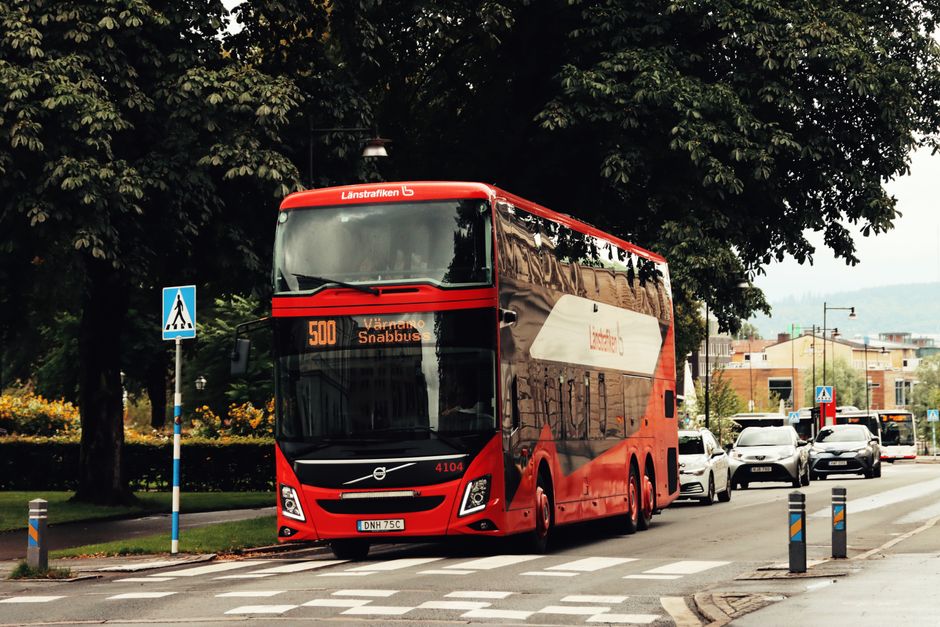
Charter Bus From Buffalo to Toronto: Border Crossing and Group Itinerary

The border is not the slow part. On an ordinary weekday, the inspection booth at a Niagara River bridge often takes less time than finding a parking spot near a Buffalo pickup lot. What actually eats a group’s day is everything around the booth: a missing birth certificate, a parent letter left on a kitchen counter, a rider with an old impaired driving conviction nobody mentioned, a coach sent to secondary inspection because a teenager has a vape cartridge in a backpack.
Buffalo to downtown Toronto is about 100 miles (roughly 160 km), and the drive itself is usually 1.75 to 2.5 hours depending on Gardiner Expressway traffic. Add a realistic border allowance and you are looking at 2.5 to 3.5 hours each way for a well-prepared group. This guide lays the trip out as a series of checkpoints, from the night before departure to the moment the coach rolls back into New York, so you can see where time is gained or lost.
If you are still choosing a vehicle or getting a price, start with our Buffalo charter bus rental page. For a broader look at cross-border coach rules beyond this one corridor, read what groups need to know about charter buses crossing the US-Canada border.
Checkpoint 0: The Roster, Two Weeks Out
Every smooth crossing starts with a spreadsheet. Border officers on both sides can ask anyone on the coach for identification, and the fastest groups are the ones where the leader can answer questions about every rider without digging. Build the roster early and lock it a few days before travel.
What the roster should hold
- Full legal name exactly as it appears on the travel document.
- Date of birth and citizenship.
- Document type the rider will carry (passport, passport card, enhanced license, NEXUS, green card, birth certificate for eligible minors).
- For minors: parent or guardian name, address and phone, and whether a consent letter is on file.
- An emergency contact who is not on the trip.
A shared signup form makes collection easier; our charter bus passenger signup form template can be adapted with a citizenship column. Send the final roster to the bus operator too. Their driver will be asked who is on board and what the trip is.
Ask the awkward question privately
Canada can refuse entry to visitors with certain criminal records, and impaired driving is the one that catches American groups most often. Immigration, Refugees and Citizenship Canada explains that a driving while impaired conviction may make a visitor inadmissible, even if it happened years ago in the United States. Remedies exist, such as criminal rehabilitation or a temporary resident permit, but they take time and are granted at an officer’s discretion.
Send adult riders a private note: “If you have any criminal conviction, including a DUI, please contact me confidentially before we finalize the roster.” It is far kinder to sort this out in October than to leave a chaperone at the Canadian booth in front of forty students.
Documents by Traveler Type
Two governments set the rules on this trip. Canada decides who can enter Canada; the United States decides what documents its citizens and residents need to come home. The table summarizes what the Canada Border Services Agency’s travel and identification documents page and US federal rules say for land travel. When in doubt, bring a passport.
| Traveler | Entering Canada by land | Returning to the US by land | Extra paperwork to carry |
|---|---|---|---|
| US citizen adult | Passport recommended; other proof of identity and citizenship accepted, such as an enhanced driver’s license | Passport, passport card, NEXUS or enhanced driver’s license | None, unless a criminal record applies |
| US citizen minor with a parent | Passport or birth certificate | Under 16: original or copy of birth certificate is accepted | Custody papers if shared custody; letter from the other parent if they are not traveling |
| US citizen minor in a school, church or youth group | Passport or birth certificate, plus written permission from parents | Under 19 with an organized group: birth certificate accepted when the leader provides a letterhead roster with parental consent | Signed consent letter from each family, with parent contact details and a copy of the parent’s ID |
| US green card holder | Valid permanent resident card; passport not required by land from the US | Permanent resident card | Carry passport anyway in case of questions |
| International student or visa holder | Passport, plus a Canadian visitor visa or eTA as their nationality requires | Passport, valid US visa or status documents, and the I-20 or DS-2019 signed for travel where applicable | Check with the school’s international office well before departure |
| Canadian citizen | Canadian passport recommended; other citizenship proof accepted | Passport, NEXUS or enhanced driver’s license | None for a short visit |
Two notes on the table. First, the US group rule for minors under 19 comes from federal regulations and requires a letter on the organization’s letterhead listing each child, their date and place of birth, and a parent or guardian, with the leader certifying that consent was obtained. Second, visa and eTA needs vary by country, so international riders should check their own case with Canada’s immigration department rather than relying on a group summary.
The consent letter for minors
Canada’s immigration department says that minors arriving with an adult who is not their parent, such as a coach or teacher, should carry written permission from their parents or guardians, with contact details and a photocopy of the parent’s signed passport or ID. Officers may not ask for it, but a child can be refused entry if the officer is not satisfied the trip was authorized.
A good letter names the child, the supervising adult, the trip dates, the destination, and both parents’ phone numbers. Notarizing is not required by Canada for this situation, but many school districts do it anyway. Keep originals in one folder with the group leader, sorted alphabetically to match the roster.
Checkpoint 1: Buffalo Departure
Pick a departure lot with room for the coach to turn around and for parents to linger. Many Western New York groups gather in suburbs rather than downtown, so a lot near the I-190 or the I-290 is often easier. Our Western New York charter bus page lists the towns we commonly serve, and suburban groups can also look at coach rentals in Tonawanda.
Before anyone boards, do a document check. Each rider holds up their document, the leader matches it to the roster, and the rider puts it in a front pocket or lanyard pouch. This takes ten minutes in a parking lot and can save forty at the bridge. Remind everyone, out loud, that cannabis in any form stays home.
The cannabis reminder
Cannabis is legal for adults in both New York and Ontario, which leads people to assume it can cross. It cannot. The CBSA states plainly that taking cannabis across the border remains illegal in either direction, for medical or recreational use. On a coach, one rider’s mistake can delay everyone while officers search the bus. Ask riders to check jackets, bags and vape devices before boarding.
Checkpoint 2: Choosing the Bridge
Three Niagara River bridges are realistic for a Buffalo to Toronto coach, and one is off the table. Your operator will pick based on wait times and destination, but you should know the options so the plan makes sense.
Peace Bridge (Buffalo to Fort Erie)
The Peace Bridge leaves from Buffalo’s west side and lands in Fort Erie, where the Queen Elizabeth Way (QEW) begins. It is the most direct crossing from the city. The Buffalo and Fort Erie Public Bridge Authority posts current toll rates including a bus category; the toll is collected only when entering Canada, and the bridge is cashless, taking E-ZPass, credit and debit.
Lewiston-Queenston Bridge
About 30 minutes north of downtown Buffalo, the Lewiston-Queenston Bridge connects I-190 to Highway 405 and then the QEW. The Niagara Falls Bridge Commission lists buses as permitted and notes designated tour bus lanes. It is the usual alternative when the Peace Bridge is backed up, and the natural choice if the group is starting in Niagara County.
Rainbow Bridge (Niagara Falls)
The Rainbow Bridge links downtown Niagara Falls, New York, to Niagara Falls, Ontario. It bars trucks and commercial freight, but the commission’s bridge guide lists buses as permitted, with tour bus lanes. It makes sense when the itinerary includes a stop at the Canadian side of the Falls on the way to Toronto. If you are building a Falls day, our Niagara Falls, NY charter coach page covers local service.
The one to skip
The Whirlpool Rapids Bridge does not take buses. It is reserved for passenger vehicles with NEXUS (and Global Entry for US-bound traffic) and has limited hours. A rider with NEXUS sometimes suggests it; the coach cannot use it.
| Bridge | Buses allowed? | Lands near | When it makes sense |
|---|---|---|---|
| Peace Bridge | Yes | Fort Erie, start of the QEW | Most direct from Buffalo city and southtowns |
| Lewiston-Queenston | Yes, with tour bus lanes | Queenston, Hwy 405 to QEW | Peace Bridge delays; Niagara County pickups |
| Rainbow | Yes (no trucks) | Niagara Falls, Ontario tourist district | Falls stop on the way |
| Whirlpool Rapids | No | Niagara Falls, Ontario | Not an option for a coach |
The CBSA publishes live border wait times for the busiest land crossings, including all three bus-friendly Niagara bridges. Have someone check it 30 minutes before reaching the I-190 split, and let the driver decide whether to switch bridges.
Checkpoint 3: CBSA Inspection Entering Canada
Bus inspection is different from a car lane. Procedures vary by port and by day, so treat what follows as typical rather than guaranteed. The driver pulls into a bus lane and speaks with an officer first. Sometimes an officer boards and checks documents seat by seat. Sometimes everyone takes their bags off and walks through the building. The officer decides.
How to make it fast
- Ten minutes before the bridge, the leader announces: phones away, sunglasses and earbuds off, documents in hand.
- The group leader sits at the front with the roster, consent letters and an itinerary that names the Toronto hotel or venue.
- Each rider answers their own questions briefly and honestly. No jokes about contraband.
- Declare everything, including food and gifts. On a land crossing, the CBSA treats travelers as responsible for what is in the vehicle.
- If asked to deboard, take all carry-on bags and stay together in the building.
ArriveCAN and the Advance Declaration in 2026
ArriveCAN is no longer a COVID-era requirement. The remaining feature, the Advance CBSA Declaration, is optional and, as described by the CBSA in its 2026 travel tips, is offered for air travelers at participating airports. As of November 2026 we found no CBSA source describing it for bus passengers at land crossings, so your riders do not need to submit anything in advance for a Niagara bridge. Check CBSA’s site a week before travel in case that changes.
Duty-free basics for adults
Visitors can bring reasonable personal items. For alcohol, the CBSA’s duty-free limits are about 1.5 liters of wine, 1.14 liters of spirits or 8.5 liters of beer, only for travelers who meet the provincial age limit, which is 19 in Ontario; adults should confirm with the CBSA how these limits apply to visitors. A school or youth group should simply ban alcohol on the trip. For adult groups, our guide to bringing alcohol on a charter bus covers operator rules, which are often stricter than customs rules.
Coming back, US residents who were out of the country for under 48 hours generally get a smaller duty-free allowance than those who stayed longer. Keep receipts for anything bought in Canada and declare it at the US booth.
Checkpoint 4: The QEW Drive
From Fort Erie or Queenston, the coach follows the QEW around the western end of Lake Ontario through St. Catharines, past Hamilton and Burlington, then through Oakville and Mississauga into Toronto via the Gardiner Expressway. Distances in Canada are posted in kilometers and speeds in km/h, which riders sometimes find confusing on a map app.
Traffic builds from the Burlington Skyway toward Toronto, and weekday rush hours on the Gardiner can add 30 to 60 minutes. A coach that clears the border at 8:30 a.m. is often fighting the tail of the inbound rush. If your Toronto event has a fixed start time, add a cushion. Most groups do not need a rest stop on a trip this short; if you do, ask the driver to plan one at a highway service center with bus parking rather than improvising.
Checkpoint 5: The Toronto Curb
Toronto is more organized about coaches than many cities. The City of Toronto’s page on parking for buses in Toronto explains that about 75 on-street spaces are reserved for buses downtown and in a few other areas, free to use within posted limits. Buses may stop briefly in No Parking or No Standing areas while actively loading, but they cannot wait there.
The city also lists signed motorcoach loading areas at three downtown spots, including near a major hotel on York Street and at a theater on Victoria Street. Toronto’s anti-idling bylaw allows no more than one minute of idling in a 60-minute period, so the coach will not sit with the engine running while you shop. The city does not run bus parking lots; private lots and the Rogers Centre grounds are the usual waiting options.
The cabotage rule that shapes your Toronto day
Here is a rule most organizers have never heard of. A US-based coach in Canada is there for an international trip. It can carry your group from Buffalo to Toronto, move your group between your own stops, and bring you home. What it generally cannot do is sell local rides inside Canada, such as picking up a separate Toronto group for a city tour, or doing a one-way transfer that starts and ends in Canada for people who did not come across with it.
The CBSA memorandum on international commercial transportation sets the general conditions for foreign-based vehicles, but it is written mostly around freight and does not spell out bus scenarios in detail. If your plan involves anything unusual, such as adding Toronto riders or splitting the group onto different vehicles, ask your operator to confirm with the CBSA before you book. For a normal group itinerary with your own riders, this is not a problem. Our article on whether a charter bus can make multiple stops covers how to list stops on a quote.
Checkpoint 6: CBP Inspection Coming Home
The return crossing usually takes longer than the trip in, particularly on Sunday afternoons and holiday Mondays. US Customs and Border Protection often has every rider take their bags into the building, where documents are checked and bags may be scanned. Allow at least an hour at the bridge on a busy return, more on a holiday weekend.
The same document discipline applies. Each rider has the document they used going in, the leader has the minors’ letter on letterhead, and the international students have their US status papers. Food is the other common snag: fresh fruit, meat and some dairy may not be allowed into the US, so tell riders to finish or toss snacks before the bridge. Declare purchases, and keep receipts together.
Bridge choice on the way back
There is no toll to enter the US on the Peace Bridge. The Niagara Falls Bridge Commission sets its own bus tolls for Lewiston-Queenston and Rainbow, so ask the operator how bridge tolls appear on your quote for each direction. The driver will often choose a different bridge on the return if one shows a shorter wait. Agree with the operator ahead of time that this is their call.
Sample Itineraries
These samples use approximate times and assume a well-prepared group with no secondary inspection. Use them as a starting frame and adjust with your operator. For a blank version you can fill in, try our charter bus itinerary template.
Day trip: Toronto attractions and back
- 6:15 a.m. Riders arrive at the Buffalo-area lot for the document check.
- 6:30 a.m. Coach departs toward the Peace Bridge.
- 7:00 to 7:45 a.m. Canadian inspection window.
- 9:30 a.m. Drop-off downtown at a signed loading area or the venue’s coach entrance.
- 9:45 a.m. to 4:30 p.m. Attractions, lunch and free time. Coach parks in a bus space or private lot.
- 4:45 p.m. Pickup at the same confirmed point.
- 6:30 to 7:45 p.m. US inspection window, including a possible wait.
- 8:15 p.m. Arrival back at the Buffalo lot.
That day runs about 14 to 15 hours from the driver’s report time, which brushes against the federal limit that bars driving after 15 hours on duty. Federal rules for passenger carriers also cap driving at 10 hours after eight hours off. If your day stretches later, the operator may need a second driver or a shorter itinerary. Our guide to charter bus driver hours of service explains the rules in plain language.
Overnight: two days with a Falls stop
| When | Day 1 | Day 2 |
|---|---|---|
| Morning | Depart Buffalo 8:00 a.m.; cross at Rainbow Bridge; Niagara Falls, Ontario, viewing stop | Hotel breakfast; walking time or a second attraction |
| Midday | QEW to Toronto; lunch downtown | Final activity; pick up packed lunches |
| Afternoon | Main event, museum or game; coach to hotel | Depart Toronto by 2:00 p.m. to beat the worst of the outbound rush |
| Evening | Hotel check-in; dinner within walking distance; driver off duty | CBP inspection; arrive Buffalo early evening |
An overnight takes pressure off every checkpoint. The driver gets a full rest, the group is not racing a clock at the border, and you can leave Toronto early enough on day two to avoid the heaviest return lines. Remember to budget the driver’s hotel room; our guide on who pays for driver hotels explains how that usually works. For longer trips, our overnight charter bus trip guide has more planning detail.
Who Takes This Trip, and What Each Group Should Watch
School groups carry the heaviest paperwork load, with a consent letter and a document for every student and a letterhead roster for the US return. Start the paperwork at the permission slip stage, and read our school field trip charter service page for vehicle options.
Sports teams heading to tournaments or games in Toronto often travel with equipment, which should be declared as personal-use gear. Team buses also tend to run on tight game-day clocks, so an overnight before a morning game is usually worth it; see our sports team charter bus page.
Adult tour and church groups have lighter paperwork but more criminal-record risk, more medications, and more shopping to declare on the return. Make the private DUI question part of your registration, and remind riders that prescription medicine should travel in its original container.
Border Day Questions From Trip Leaders
How long does a charter bus take from Buffalo to Toronto?
The drive is about 100 miles and usually 1.75 to 2.5 hours without the border. With inspection, plan 2.5 to 3.5 hours each way for a prepared group, and longer on holiday weekends or Sunday afternoon returns.
Which bridges can a charter bus use?
The Peace Bridge, the Lewiston-Queenston Bridge and the Rainbow Bridge all accept buses. The Whirlpool Rapids Bridge does not. Your driver will choose based on live wait times and your route.
Do US students need passports to go to Toronto?
Not always. US citizens under 16, and under 19 in an organized group with parental consent, can use a birth certificate at a US land crossing. Canada also accepts proof of citizenship such as a birth certificate. A passport or passport card is still the simplest option.
Do we need a consent letter for every minor?
For minors traveling without their parents, Canada recommends written permission from parents or guardians with contact details and a copy of the parent’s ID. It is strongly advised, and a child can be refused entry without it.
Can someone with a DUI enter Canada?
A DUI may make a visitor inadmissible. Depending on timing, the person may apply for criminal rehabilitation or a temporary resident permit, both at Canada’s discretion. Start the conversation weeks before departure, not at the bridge.
Do riders need ArriveCAN?
No. ArriveCAN is not mandatory. Its optional Advance Declaration is described by the CBSA for air travelers at participating airports, not for bus passengers at land crossings. Confirm on the CBSA site before your trip.
Can our US bus run a local tour for a Toronto group?
Generally, no. A US-based coach in Canada should serve the group it brought across. Picking up separate local passengers raises cabotage and customs issues, so ask your operator to confirm anything beyond your own itinerary.
Plan Your Buffalo to Toronto Crossing
Tell us your group size, departure lot, Toronto destination, dates and whether you want a day trip or an overnight. We will help you choose a coach, plan the driver’s day around the border and flag anything that needs attention before you go. Request pricing through our Buffalo to Toronto quote request, or call +1 (308) 304-6668 to talk with a planner.