
How Many Seats Are on a Mini Bus? A Complete Capacity Guide

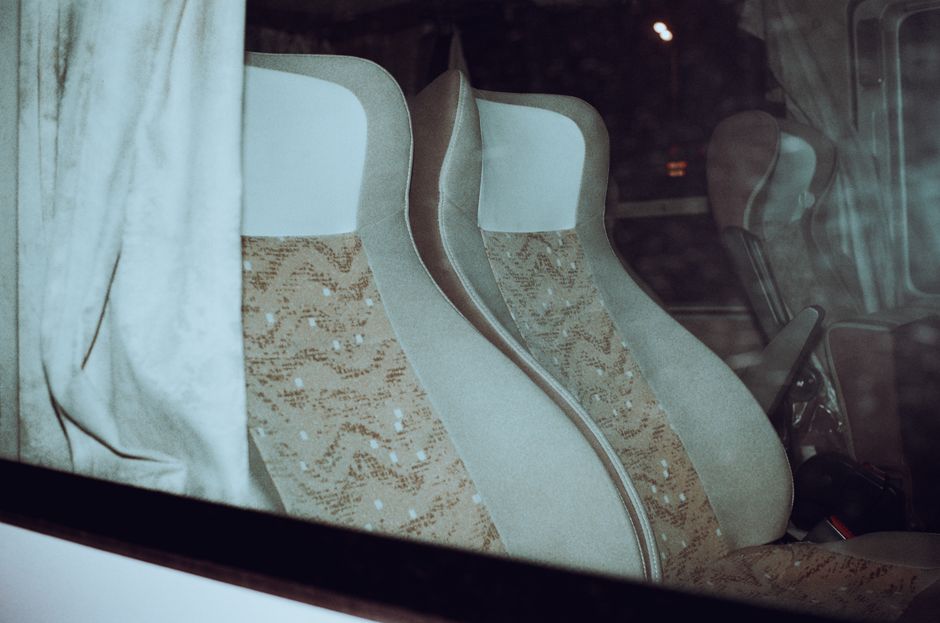
If you’re planning a group trip and weighing your transportation options, you’ve probably asked yourself: how many seats are on a mini bus? It’s one of the first questions to answer before you book, because getting the capacity wrong can mean paying for empty seats or scrambling for a second vehicle at the last minute.
The short answer is that a mini bus typically seats between 8 and 30 passengers, depending on the model, the layout, and whether luggage space is factored in. However, that range is wide enough that it pays to dig deeper. In this guide, you’ll learn the standard seating capacities for different mini bus sizes, how factors like luggage and wheelchair access affect seat count, what size mini bus fits your specific event, and how mini buses compare to other group transportation options like charter buses and vans.
By the end, you’ll have a clear picture of exactly how many seats you need and which mini bus size matches your group.
How Many Seats Are on a Mini Bus? The Quick Answer
A mini bus generally holds anywhere from 8 to 30 passengers, making it one of the most flexible options in group transportation. Unlike a full-size charter bus, which can carry 50 or more people, a mini bus is designed for small to mid-sized groups who don’t need the extra space but still want more comfort and capacity than a van offers.
Here’s a general breakdown of common mini bus seating capacities:
- Small mini bus: 8 to 15 seats
- Mid-size mini bus: 16 to 20 seats
- Large mini bus: 21 to 30 seats
Keep in mind that these numbers can shift based on the manufacturer, the interior configuration, and whether the vehicle includes amenities like a restroom, extra luggage racks, or wheelchair lift equipment. As a result, two mini buses with the same exterior length can have noticeably different seat counts.
Mini Bus Seating by Size Category
Not all mini buses are built the same way. Charter companies and rental agencies typically classify mini buses into a few standard size categories, each suited to a different type of group. Let’s break down what you can expect from each one.
Small Mini Buses (8 to 15 Seats)
Small mini buses are the go-to choice for tight-knit groups such as family reunions, small corporate teams, or airport shuttle runs. These vehicles are often built on a van chassis, which makes them easier to maneuver in cities and tighter parking lots.
Typical uses include:
- Airport transfers for small groups
- Wedding party transportation
- Small school or church outings
- Corporate shuttle services between offices or hotels
Because of their smaller footprint, these mini buses are also more fuel-efficient and easier to park than larger buses, which can be a meaningful advantage for events in downtown areas.
Mid-Size Mini Buses (16 to 20 Seats)
Mid-size mini buses strike a balance between capacity and maneuverability. This is often the sweet spot for many group outings because it comfortably fits a mid-sized group without the bulk of a full-size bus.
Common uses include:
- Youth sports teams and their coaches
- Bachelor or bachelorette party transportation
- Corporate retreats and team-building events
- Wine tours and brewery crawls
Many mid-size mini buses also include upgraded amenities like reclining seats, air conditioning zones, and sometimes onboard entertainment systems, which make them appealing for events where comfort matters as much as capacity.
Large Mini Buses (21 to 30 Seats)
At the upper end of the mini bus category, you’ll find vehicles that seat up to 30 passengers. These are sometimes referred to as
For related reading, see our guide on Charter Bus vs Mini Bus: Which One Should You Rent?.
large-capacity minibuses or mini coaches, since they blur the line between a traditional mini bus and a full-size motorcoach. Despite the higher seat count, these vehicles are still classified as mini buses because they typically ride on a single rear axle chassis and don’t include some of the amenities found on full-size charter buses, such as onboard restrooms or overhead luggage racks.
Large mini buses are ideal for:
- Larger wedding parties and guest shuttles
- Company-wide outings for small to mid-sized businesses
- School field trips with a full classroom
- Group tours where a full-size coach isn’t necessary
If your group is approaching the 30-passenger mark, it’s worth comparing your options with a larger vehicle. Our complete charter bus capacity guide breaks down how full-size coaches compare in terms of seating, amenities, and cost, which can help you decide whether a large mini bus or a small charter bus is the better fit for your trip.
What Affects Mini Bus Seating Capacity?
While the general seating ranges above give you a helpful starting point, the exact number of seats on any given mini bus can vary based on several factors. Understanding these variables will help you avoid surprises when you’re comparing quotes from different rental companies.
Vehicle Make and Model
Not all mini buses are built the same. Manufacturers like Ford, Freightliner, and Mercedes-Benz produce chassis that are then customized by different coach builders, each of which may configure the interior differently. A 25-foot mini bus from one manufacturer might seat 20 passengers, while a similarly sized vehicle from another builder seats only 18 because it includes a larger luggage area or a rear lavatory.
Seat Size and Spacing
Comfort-focused mini buses often use wider seats with more legroom, which reduces the total number of seats that fit into the vehicle. Budget-oriented shuttle buses, on the other hand, may pack in tighter rows to maximize headcount. If you’re booking for a long trip, it’s worth asking whether the seats are standard shuttle-style bench seats or more spacious reclining seats, since this can affect both comfort and capacity.
Luggage and Storage Needs
Mini buses used for airport transfers or multi-day trips often sacrifice a row or two of seating to accommodate luggage racks or a small rear storage compartment. If your group has substantial luggage, sports equipment, or event materials, factor this into your seat count expectations, since the advertised maximum capacity may not reflect how many seats are usable once storage space is accounted for.
ADA Compliance and Wheelchair Accessibility
Many mini bus companies offer wheelchair-accessible vehicles equipped with a lift or ramp. These vehicles typically have a lower total seat count because space must be reserved for securement areas. For example, a mini bus that would normally seat 20 passengers might only seat 16 once two wheelchair positions are built in. If accessibility is a requirement for your group, always confirm the adjusted seating capacity rather than assuming the standard number applies.
Driver and Crew Seating
The advertised seating capacity of a mini bus usually excludes the driver’s seat. On longer trips or larger events, some rental companies also provide a second staff member, such as a tour guide or attendant, which can take up an additional seat. Always clarify whether the quoted capacity includes or excludes these additional seats.
Common Mini Bus Seating Layouts
Beyond simply counting seats, it helps to understand how those seats are arranged, since layout affects comfort, group interaction, and ease of boarding.
2×2 Configuration
This is the most common layout for mid-size and large mini buses. Seats are arranged in pairs on either side of a center aisle, similar to a small airplane or full-size motorcoach. This layout maximizes seating capacity while still allowing passengers to move down the aisle to reach rear seats.
2×1 Configuration
Some smaller mini buses use a 2×1 layout, with two seats on one side of the aisle and a single seat on the other. This creates a slightly wider aisle and more personal space per passenger, which can be a nice touch for corporate clients or VIP transportation, though it does reduce total capacity compared to a 2×2 layout.
Perimeter or Bench Seating
Perimeter seating, where seats line the walls of the vehicle facing inward, is more common in shuttle-style mini buses used for short transfers. While this layout can technically fit more people into a smaller footprint, it’s generally less comfortable for longer rides since passengers face each other rather than facing forward.
Rear Bench Seats
Many mini buses include a rear bench seat that spans the width of the vehicle, capable of fitting three or more passengers depending on width. These seats are often used as the last boarding row and can sometimes be folded down or removed to create extra luggage space when needed.
How to Choose the Right Mini Bus Size for Your Group
Picking the right mini bus isn’t just about matching your headcount to the maximum seating number. A few practical guidelines can help you choose a vehicle that comfortably fits your group and your trip requirements.
1. Add a Buffer of 2 to 4 Seats
It’s rarely a good idea to book a mini bus that seats exactly your group size. Last-minute additions, unexpected plus-ones, or extra luggage can quickly cause problems. Booking a vehicle with two to four extra seats gives you flexibility without significantly increasing cost.
2. Consider Trip Length
For short transfers under an hour, tighter seating configurations are usually fine. For longer trips, such as a multi-hour wine tour or an out-of-town wedding, prioritize comfort by choosing a mini bus with more legroom, even if that means fewer total seats.
3. Account for Luggage and Equipment
If your group is traveling with suitcases, golf clubs, musical instruments, or sports gear, ask your rental provider how much storage space is available and whether that affects the usable seat count.
4. Think About Accessibility Needs
If anyone in your group uses a wheelchair or has mobility limitations, confirm ahead of time that the mini bus you’re booking has the necessary lift, ramp, and securement space, and double-check how this impacts total seating.
5. Compare Mini Buses to Other Vehicle Types
Sometimes a mini bus isn’t the right fit at all. If your group exceeds 30 passengers, or if you want amenities like an onboard restroom, entertainment system, or reclining first-class seating, a full-size charter bus may be a better choice. Our guide on Charter Bus vs Mini Bus: Which One Should You Rent? walks through the key differences to help you decide which option suits your event, budget, and comfort expectations.
Mini Bus Seating Capacity by Group Type
To make things even more practical, here’s a quick reference for how mini bus seating typically aligns with common group sizes and event types:
- 1 to 10 guests: A small mini bus with 10 to 15 seats is usually more than enough, especially for airport runs or short local trips.
- 11 to 16 guests: A mid-size mini bus in the 16-seat range provides a comfortable fit with little to no wasted space.
- 17 to 20 guests: Look for mini buses in the upper mid-size range, and consider whether luggage will require extra room.
- 21 to 30 guests: A large mini bus is typically the most cost-effective option, though it’s worth comparing pricing against a small charter bus.
- 30+ guests: At this point, a full-size charter bus will almost always be more comfortable and practical than stretching a mini bus to its limit.
Cost Considerations Tied to Seating Capacity
Seating capacity doesn’t just affect comfort, it also plays a direct role in pricing. In general, the more seats a mini bus has, the higher the hourly or daily rental rate, since larger vehicles cost more to operate, maintain, and insure. However, booking a mini bus that’s too small for your group can end up costing more overall if you need to rent a second vehicle or upgrade last minute.
A helpful rule of thumb is to calculate the cost per seat rather than just looking at the total rental price. For example, a 20-seat mini bus renting for $600 for a few hours works out to about $30 per seat, while a 14-seat mini bus renting for $500 works out to roughly $36 per seat. Running this quick calculation can help you determine which vehicle offers better value for your specific group size.
Safety and Regulations Around Mini Bus Seating
Seating capacity on mini buses isn’t just a matter of comfort, it’s also tied to safety regulations. In the United States, vehicles designed to carry more than 15 passengers, including the driver, generally fall under stricter federal safety standards and may require the driver to hold a Commercial Driver’s License (CDL). This is one reason why some 15-passenger mini buses are marketed specifically to stay just under that threshold, while larger 16-plus seat models require a different level of licensing and inspection.
When booking a mini bus, especially through a professional charter company, you don’t need to worry about these regulatory details yourself, but it’s a good sign that a company is reputable if they can clearly explain their vehicle classifications, driver qualifications, and safety inspection schedules.
Frequently Asked Questions About Mini Bus Seating
What is the average number of seats on a mini bus?
Most mini buses seat between 10 and 30 passengers, with 14 to 20 seats being the most common range for standard rentals. The exact number depends on the manufacturer, seat spacing, and any additional features like luggage storage or wheelchair accessibility.
How many seats does a 15-passenger mini bus actually have?
A 15-passenger mini bus typically has 15 seats for passengers plus a separate seat for the driver, bringing the total occupancy to 16 people including the driver. Always confirm with your rental provider whether their stated capacity includes the driver’s seat.
Can a mini bus be customized with fewer seats for more comfort?
Yes. Many rental companies offer customized mini buses with fewer, more spacious seats, sometimes including reclining seats, extra legroom, or VIP-style configurations. If comfort is a priority for your trip, ask if a lower-capacity, higher-comfort version of the vehicle is available.
How many seats do I need for a wedding shuttle mini bus?
This depends on your guest list and how many shuttle runs you plan to make. If you’re transporting your entire wedding party plus close family, a mid-size mini bus with 16 to 20 seats often works well. For larger guest lists, consider either a large mini bus or multiple shuttle trips with a smaller vehicle.
Is it better to rent a mini bus or a charter bus for a large group?
If your group is under 30 people, a mini bus is usually more cost-effective and easier to park. For groups larger than 30, or if you want additional amenities like a restroom or extra luggage space, a full-size charter bus is typically the better option. Comparing both vehicle types side by side, as outlined in our charter bus vs mini bus comparison, can help you make the right call for your specific event.
Final Thoughts
So, how many seats are on a mini bus? As you’ve seen, the answer ranges anywhere from around 10 to 30 seats, depending on the size category, seating layout, and any special features like luggage storage or wheelchair accessibility. Rather than focusing solely on the maximum number of seats a mini bus can hold, it’s smarter to think about your group’s actual needs, including comfort, luggage, trip length, and accessibility requirements.
By understanding the different mini bus size categories and the factors that influence seating capacity, you’ll be well-equipped to choose the right vehicle for your next airport transfer, wedding, corporate event, or group outing. And if your group ends up being larger than expected, don’t hesitate to compare mini bus options against full-size charter buses to find the most comfortable and cost-effective solution for your trip.