How to Plan a Group Wine Tour Weekend: The Complete Step-by-Step Guide

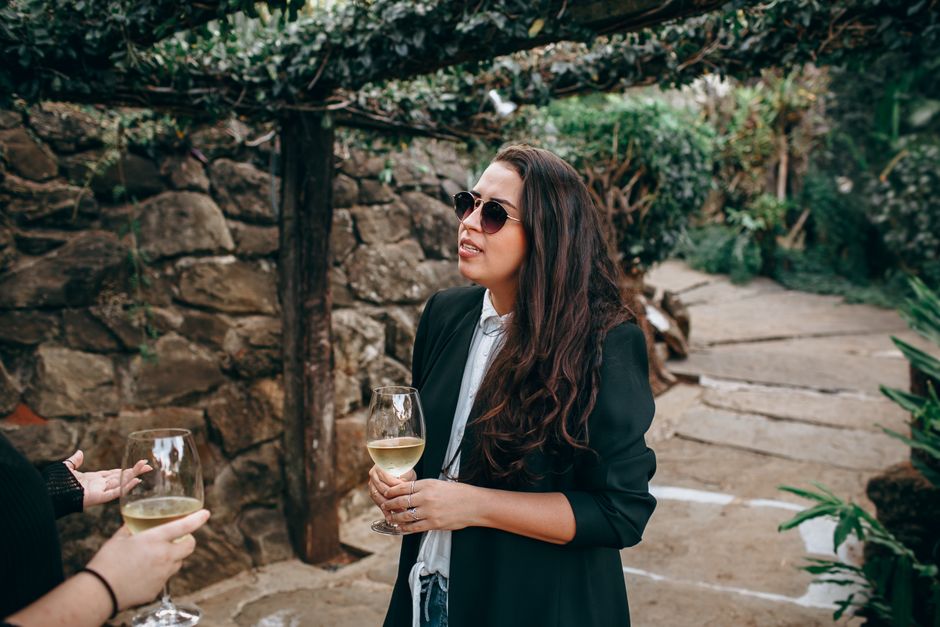
Planning a group wine tour weekend sounds simple until you start juggling ten different schedules, three wineries that don’t take walk-ins, and a friend who insists on driving even though nobody wants to be the designated sober one. A great wine weekend takes more coordination than people expect, but it also rewards that effort tenfold. Good planning turns a chaotic group outing into a relaxed, memorable trip full of great pours, good food, and inside jokes that last for years.
This guide walks through every stage of planning a group wine tour weekend, from picking a destination and setting a budget to booking transportation, building a realistic itinerary, and avoiding the mistakes that trip up first-time organizers. Whether you’re planning a bachelorette weekend, a milestone birthday celebration, a corporate retreat, or just a trip with friends who love good wine, you’ll find a practical framework here you can actually use.
Why a Group Wine Tour Weekend Works So Well
Wine country trips hit a sweet spot that few other group getaways manage. There’s structure (tastings, tours, reservations) mixed with plenty of downtime for conversation, scenery, and relaxation. Unlike a theme park trip or a packed city tour, a wine weekend doesn’t require constant movement or decision-making, which makes it easier to plan for a large group with different energy levels and interests.
Wine regions also tend to be compact. Most established wine trails cluster dozens of tasting rooms within a 20 to 30 mile radius, which means you can visit three or four wineries in a single day without spending half your time in the car. That geographic density is exactly why a group wine tour weekend works better with shared transportation instead of a caravan of separate vehicles trying to stay together on winding country roads.
Step 1: Choose Your Wine Region
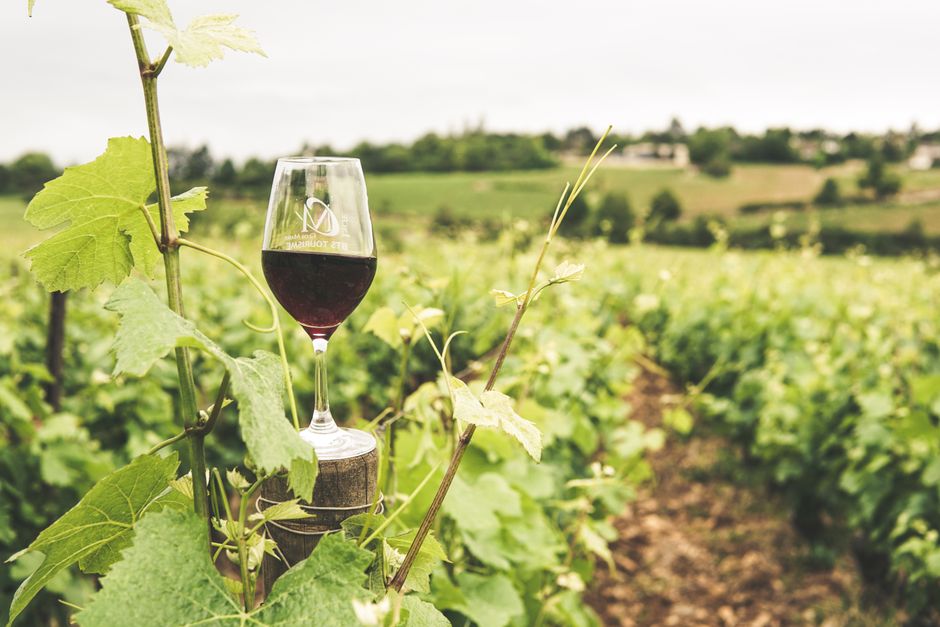
The first real decision in planning a group wine tour weekend is picking a destination that matches your group’s size, budget, and travel radius. The United States has wine regions in nearly every corner of the country now, so you don’t need to fly to Napa to have a great experience.
Popular Domestic Wine Regions to Consider
- Napa Valley and Sonoma, California: The gold standard for wine tourism, with world-class wineries, upscale dining, and polished tasting room experiences. Expect higher prices and the need to book far in advance, especially on weekends.
- Finger Lakes, New York: Known for rieslings and a more laid-back, scenic vibe along the lakeshores. Great for groups who want a quieter, less crowded alternative to California.
- Willamette Valley, Oregon: A pinot noir haven with a relaxed, low-key atmosphere and gorgeous rolling hills. It pairs well with a broader Pacific Northwest itinerary.
- Texas Hill Country: A rapidly growing wine scene centered around Fredericksburg, with a fun, social atmosphere and lower price points than the coasts.
- Virginia Wine Country: Close to Washington D.C. and popular for weekend trips, with historic backdrops and a growing reputation for quality wine.
- Walla Walla, Washington: A smaller but respected region with an intimate, small-town feel that’s great for groups who want fewer crowds.
If your group is based in the South, wine country isn’t always the first place people think to look, but there are more overlooked stops than most people realize. For groups exploring destinations outside the obvious wine hubs, it’s worth browsing options like the ones featured in this guide to hidden gems in the American South, several of which sit close to emerging wine trails.
Questions to Ask Before Picking a Destination
Before locking in a location, run through these questions with your group or planning committee:
- How far is everyone willing to travel, and does that favor driving or flying?
- What’s the group’s budget range per person for the whole weekend?
- Does the group prefer a bustling, social wine region or a quieter, scenic one?
- Are there dietary restrictions or preferences (some wineries pair heavily with cheese and charcuterie, others offer full restaurant menus)?
- Is this trip tied to a specific event, like a wedding or reunion, that limits the possible dates?
Once you answer these, the list of realistic destinations usually narrows itself down quickly.
Step 2: Set a Budget and Headcount
Nail down your headcount and budget early, because both numbers shape almost every other decision, including transportation, lodging, and which wineries you can realistically book.
A typical group wine tour weekend budget includes:
- Transportation: Charter bus, shuttle van, or rideshare costs for getting to the region and moving between wineries.
- Lodging: Hotels, vacation rentals, or bed-and-breakfasts for one to three nights.
- Winery tastings and tours: Typically $15 to $50 per person per winery, sometimes more for reserve tastings or private tours.
- Meals: Breakfast, lunch, dinner, and any planned group dining experiences.
- Gratuities: For drivers, tour guides, and winery staff.
- Miscellaneous: Wine purchases, souvenirs, and shipping costs if people buy more bottles than they can carry home.
For a mid-range weekend, budget roughly $300 to $600 per person, covering two nights of lodging, four to six winery visits, group transportation, and meals. Luxury trips in regions like Napa can easily push past $1,000 per person, while budget-friendly regions like Texas Hill Country or the Finger Lakes can come in noticeably lower.
Lock in your headcount as early as possible. Many wineries require a minimum group size for private tastings and set maximum capacity limits for larger groups, so a firm number helps you avoid scrambling to adjust bookings later.
Step 3: Pick the Right Dates
Timing affects everything from pricing to crowd levels to what’s actually happening at the wineries you visit. A few things to weigh when choosing your weekend:
Peak Season vs. Off-Season
Harvest season (typically late summer through fall, depending on the region) is the most popular time to visit wine country. It’s beautiful, and many wineries host special harvest events, but it’s also the most expensive and crowded time to travel. Spring and early summer offer milder crowds and often lower rates, while still giving you good weather and blooming vineyards.
Weekday vs. Weekend Visits
If your group has any flexibility, consider starting your trip on a Thursday or Friday rather than jumping straight into a Saturday. Wineries are noticeably less crowded on weekdays, tasting room staff have more time to spend with your group, and some venues offer weekday discounts. A Thursday-to-Sunday trip also spreads your winery visits across four days instead of cramming everything into a packed Saturday.
Local Events to Check For
Search for local festivals, harvest celebrations, or wine club release events happening during your target dates. These can either be a huge draw (if you want to join in) or a scheduling headache (if they mean fully booked tasting rooms and packed roads). Either way, it’s worth knowing about them before you finalize your dates.
Step 4: Book Group Transportation
Transportation is where a lot of group wine tour weekends succeed or fall apart. Wine country roads are often narrow, winding, and dotted with pedestrians, cyclists, and slow-moving traffic near tasting rooms. Add alcohol into the mix, and coordinating separate cars becomes both inconvenient and genuinely risky.
Why a Charter Bus Makes Sense for Wine Tours
Booking a charter bus or shuttle for your group wine tour weekend solves several problems at once:
- Safety: Nobody has to worry about driving after a tasting, which is the single biggest safety concern on any wine trip.
- Group cohesion: Everyone arrives and leaves together, so you’re not waiting around for stragglers or splitting up between multiple cars.
- Comfort: A charter bus gives your group room to relax, chat, and even nap between stops, which keeps energy levels up for a full day of tastings.
- Simplified logistics: One vehicle, one driver, one pickup and drop-off schedule. That’s a lot fewer moving parts for the trip organizer to manage.
Many groups don’t realize that a professional driver on a chartered vehicle typically stays with the group for the full day rather than dropping people off and disappearing. If you’re unsure how this works, this breakdown of whether charter bus drivers stay with the group explains what to expect from pickup to final drop-off.
How Far in Advance to Book
Weekend charter bus rentals, especially during peak wine season (May through October), get booked up fast. Aim to reserve your vehicle at least six to eight weeks in advance, and earlier if you’re traveling during harvest season or a major holiday weekend. If you’re wondering why weekend rates tend to run higher than weekday pricing, it comes down to demand, and this article on why weekend charter bus rentals are more expensive lays out the pricing factors in detail so you can plan your budget accordingly.
What to Look for in a Charter Bus Contract
Before signing anything, read the contract closely. Look for cancellation policies, overtime rates if your day runs long, gratuity expectations, and what happens if your headcount changes. If contract language feels confusing, this guide to understanding a charter bus contract breaks down the terms every group organizer should know before booking.
Consider Travel Insurance
For larger trips with significant deposits on tastings, lodging, and transportation, travel insurance can protect your group’s investment if plans fall through unexpectedly. It’s worth reviewing this charter bus travel insurance guide before your trip, particularly if you’re organizing for a large group with non-refundable bookings.
Step 5: Book Wineries and Tastings in Advance
Gone are the days of showing up to a winery and wandering in for a casual tasting, at least for groups. Most wineries now require advance reservations for parties of six or more, and some cap group sizes altogether or route large groups to a separate area.
How Many Wineries Should You Visit Per Day?
Three wineries per day is the sweet spot for most groups. That typically breaks down to a mid-morning stop, an early afternoon stop with lunch, and a late afternoon stop before heading back to lodging. Cramming in four or five wineries sounds appealing on paper, but it usually leads to rushed visits, palate fatigue, and a group that’s more tired than relaxed by dinner time.
Mix Up the Experience
Rather than booking the same style of tasting at every stop, vary the experience throughout the day:
- A casual walk-up tasting room to start the day light
- A guided vineyard or cellar tour at a mid-size winery
- A seated, food-paired tasting for your final stop of the day
This keeps the day feeling fresh instead of repetitive, and it gives different members of your group a chance to enjoy the parts of wine touring they like best, whether that’s the education, the scenery, or simply the wine itself.
Call Ahead for Large Groups
Even if a winery’s website says walk-ins are welcome, call ahead if your group is larger than six or eight people. Many tasting rooms have limited seating and staff, and showing up unannounced with a big group can mean a long wait or a less personalized experience. A quick phone call also gives you the chance to ask about private tasting rooms, food pairing options, and any minimum spend requirements.
Step 6: Plan Lodging
Where your group sleeps affects the whole feel of the trip, from how much you socialize in the evenings to how easy the morning pickup is for your transportation.
Lodging Options for Wine Tour Groups
- Vacation rentals or large houses: Great for groups who want to cook some meals together, hang out in a shared living space, and keep costs down by splitting one larger rental instead of multiple hotel rooms.
- Boutique hotels or inns: Offer more privacy per person and often better proximity to tasting rooms and restaurants, though at a higher per-night cost.
- Bed and breakfasts: A charming option for smaller groups, often located directly in or near wine country, though they may not accommodate larger parties without booking multiple rooms.
- Resort properties: Some wine regions have resort-style lodging with pools, spas, and on-site dining, which can be worth the splurge for a milestone celebration.
Whichever option you choose, confirm that your lodging has enough parking or a clear pickup point for your charter bus or shuttle. A confusing driveway or a lodging property with strict quiet hours can create unnecessary friction on pickup mornings.
Book Lodging Close to the Wine Trail
Staying centrally located within the wine region cuts down on transit time between your hotel and the wineries, which means more time actually tasting wine and less time sitting in traffic. If your group is spread across multiple properties, choose one central pickup location for your transportation to keep the schedule simple.
Step 7: Build a Realistic Itinerary
A well-built itinerary balances structure with breathing room. Overpacking the schedule is one of the most common mistakes group organizers make when planning a wine tour weekend.
Sample Three-Day Wine Weekend Itinerary
Friday: Arrival Day
- Afternoon: Group arrives via charter bus or shuttle, checks into lodging
- Evening: Casual welcome dinner at a local restaurant, no wine touring scheduled
- Optional: Early evening tasting room visit if your group arrives before 4 p.m.
Saturday: Full Wine Touring Day
- 9:30 a.m.: Pickup from lodging
- 10:00 a.m.: First winery visit, light tasting
- 12:00 p.m.: Lunch, either at a winery restaurant or a stop in town
- 1:30 p.m.: Second winery visit, guided tour and tasting
- 3:30 p.m.: Third winery visit, seated tasting with food pairing
- 5:30 p.m.: Return to lodging, downtime before dinner
- 7:30 p.m.: Group dinner reservation
Sunday: Relaxed Departure
- Morning: Late breakfast, optional farmers market or local shop visit
- Midday: One final casual tasting or vineyard walk, if time allows
- Afternoon: Charter pickup for departure
This structure leaves room for spontaneous stops, bathroom breaks, and the inevitable slower pace that comes with a group of ten or more people moving together.
Build in Buffer Time
Add 15 to 20 minutes of buffer time between each stop on your itinerary. Groups take longer to load and unload than individuals, tastings often run a few minutes over, and nobody wants to feel rushed while photographing a vineyard sunset. Buffer time is what separates a relaxed wine weekend from a stressful one.
Assign a Point Person
Even in the friendliest group, someone needs to be the point of contact for the winery staff, the bus driver, and the restaurant hosts. This doesn’t need to be a formal role, but having one person handle headcounts, confirm reservations, and communicate schedule changes keeps the day running smoothly.
Step 8: Plan Food and Pairing Experiences
Wine tastings go a lot better on a full stomach, and food is often the highlight that ties the whole weekend together.
Book at Least One Food-Paired Tasting
Many wineries offer a seated experience that pairs several wines with small courses of cheese, charcuterie, or a full tasting menu. These experiences run longer than a standard tasting, usually 60 to 90 minutes, so build extra time into your schedule for them. They’re also a great way to end a day of touring, since your group gets a real meal alongside the wine.
Plan Lunch Ahead of Time
Don’t assume you’ll find a table for ten at a random restaurant in the middle of wine country on a Saturday afternoon. Reserve lunch in advance, or plan a picnic lunch at a winery that allows outside food (many do, especially on their patios or lawns). Some wineries even offer picnic-style boxes you can pre-order for the group.
Consider Dietary Restrictions Early
Ask about dietary restrictions when you’re finalizing your headcount, not the week before the trip. Most wineries and restaurants can accommodate vegetarian, gluten-free, or other dietary needs, but they need advance notice, especially for group reservations and pre-set tasting menus.
Step 9: Manage Group Costs and Payments
Money is one of the most common sources of friction on group trips, so it’s worth setting clear expectations early.
Ways to Split Costs
- One organizer pays upfront, group reimburses: Simple to track but puts financial risk on one person if others don’t pay promptly.
- Shared group payment app: Apps that let everyone contribute to a shared pool work well for splitting transportation and lodging costs.
- Pay-as-you-go at each stop: Works for tastings and meals but can slow down the group if everyone is individually settling bills.
For big-ticket items like the charter bus and lodging, it’s usually best to collect deposits from everyone before booking. This avoids the situation where an organizer fronts thousands of dollars and then has to chase people down for reimbursement after the trip.
Set a Clear Cancellation Policy Within the Group
Decide early what happens if someone drops out. Will they lose their deposit? Can they find a replacement? Setting this expectation before booking anything prevents awkward conversations later, especially since many wineries, hotels, and transportation providers have their own strict cancellation windows.
Step 10: Safety and Group Etiquette
A wine tour weekend is meant to be fun, but a few ground rules keep it enjoyable for everyone, including the people serving you at each stop.
Pace Yourselves
Encourage the group to use spit buckets, drink water between tastings, and eat throughout the day. Tasting portions are usually small (an ounce or two per pour), but they add up quickly across three or four wineries.
Respect Winery Staff and Property
Wineries are working farms and businesses, not just backdrops for photos. Stay within marked areas, don’t touch equipment or barrels without permission, and tip your tasting room staff, especially for guided tours or larger groups that take extra time and attention.
Have a Plan for Anyone Who Overdoes It
With a large group, it’s realistic that someone might drink more than planned. Because you’re traveling by charter bus rather than individual cars, this is far less of a safety issue than it would otherwise be, but it’s still worth having a quiet, low-key plan (a designated seat near the front, extra water on hand) rather than letting it become a group-wide distraction.
Know the Region’s Open Container Laws
Rules vary by state and even by charter company regarding consuming alcohol on the bus itself. Confirm this with your transportation provider ahead of time so there are no surprises on pickup day.
Packing List for a Group Wine Tour Weekend
- Comfortable, closed-toe shoes for walking through vineyards and cellars
- Layered clothing, since wine cellars and outdoor tasting patios can vary widely in temperature
- A light jacket or sweater for cooler evenings, even in summer
- Sunglasses and sunscreen for outdoor tastings
- A reusable water bottle to stay hydrated between pours
- Cash for tips, especially at smaller family-run wineries that may not process card tips smoothly
- A small cooler bag if you plan to bring wine purchases back on the bus
- Phone charger or portable battery pack for photos throughout the day
Common Mistakes to Avoid When Planning a Group Wine Tour Weekend
Overpacking the Schedule
Trying to squeeze five or six wineries into a single day almost always backfires. Groups end up rushed, tired, and less able to actually enjoy the wine. Stick to three solid stops per day.
Booking Transportation Too Late
Charter buses and shuttles for popular wine regions book up months in advance during peak season. Waiting until a few weeks before the trip often means settling for a smaller vehicle, a higher price, or no availability at all.
Not Confirming Group Size Limits at Wineries
Some wineries cap tasting room groups at eight or ten people, meaning a group of fifteen might need to split into two tasting sessions or find a venue set up for larger private groups. Confirm capacity limits before finalizing your itinerary, not after arriving.
Forgetting About Shipping Wine Home
If your group plans to buy wine at each stop, ask about shipping options at the winery, especially for larger groups traveling by plane or crossing state lines with alcohol shipping restrictions. Many wineries offer discounted shipping for case purchases, which can also make it easier to split costs among a few people who want to buy in bulk.
Ignoring the Return Trip
Plan for a mellow return trip. After two or three days of tastings, your group will likely be more interested in napping on the bus than squeezing in one more stop. Build your Sunday schedule with that lower energy level in mind.
Adapting the Plan for Different Group Types
Bachelorette or Bachelor Parties
These groups often want a mix of wine touring and a livelier evening component. Consider booking one day of wineries and reserving the second night for a livelier dinner or activity back at your lodging or in a nearby town.
Corporate Retreats
For work groups, keep tastings a bit more low-key and build in time for team activities or a private group dinner with a short program. A charter bus keeps the group together for informal bonding time between stops, which is often harder to replicate with rental cars.
Milestone Birthdays and Anniversaries
These trips benefit from splurging on one standout experience, like a private tour, a reserve tasting, or a special dinner, layered around otherwise standard tastings. Consider looping in a scenic overlook or sunset stop as a memorable moment for photos.
Multigenerational Family Trips
Mix in non-wine activities like a farmers market, a scenic drive, or a casual lunch spot so that non-drinking family members and younger adults still feel included throughout the weekend.
Where to Find a Group Wine Tour Weekend Near You
If your group isn’t tied to a specific wine region, look at what’s within a reasonable drive of your home city. A shorter charter bus ride keeps costs down and gives your group more time actually in wine country instead of on the road getting there. Groups near Los Angeles, for example, have several wine-adjacent day trip and weekend options worth comparing against a full Napa or Sonoma trip, similar to the destinations covered in this guide to top group getaways from Los Angeles.
Checking regional guides for your home base is a smart first step before committing to a farther, more expensive destination. It’s often the case that a great wine weekend is closer than your group assumes.
Frequently Asked Questions
How many people should be in a group wine tour weekend?
Most wineries comfortably accommodate groups of 8 to 20 people for private or semi-private tastings, though this varies by venue. Groups larger than 20 often need to split into smaller tasting sessions or book a venue specifically set up for large groups. Confirm capacity with each winery when you make your reservations.
How far in advance should I book a group wine tour weekend?
Book major elements like transportation, lodging, and winery reservations at least six to eight weeks in advance, and even earlier (two to three months) if you’re traveling during peak harvest season or over a holiday weekend. Popular wineries and charter bus companies fill up fast during high season.
Is it cheaper to rent a charter bus or have everyone drive separately?
When you factor in gas, parking, the risk of a DUI or accident, and the value of keeping the group together, a charter bus is almost always the more cost-effective and safer option for a group wine tour weekend, especially for groups of eight or more.
How many wineries can you realistically visit in one day?
Three wineries per day is the ideal pace for most groups. This allows enough time at each stop for a proper tasting or tour without rushing, while also leaving room for lunch and travel time between locations.
What should I do if someone in the group doesn’t drink wine?
Most tasting rooms offer non-alcoholic options like juice or sparkling water, and many wine regions have scenic overlooks, shops, or light hiking trails nearby. Non-drinkers can also simply enjoy the scenery, the food, and the social time without feeling excluded from the wine itself.
Final Thoughts
A group wine tour weekend takes more planning than a typical weekend getaway, but the payoff is worth it. Picking the right region, locking in transportation early, spacing out your tastings, and building in buffer time all add up to a trip that actually feels relaxing instead of rushed. The details matter here: a reliable charter bus, a realistic schedule, and clear communication with your group turn a good idea into a genuinely great trip.
Start with your destination and headcount, work backward through transportation and lodging, and leave plenty of room in the schedule for the parts that can’t be planned, like the conversations that happen over a shared bottle of wine at the end of a long, sunny day in the vineyards.