Charter Bus for Film Production Crews: The Complete Planning Guide

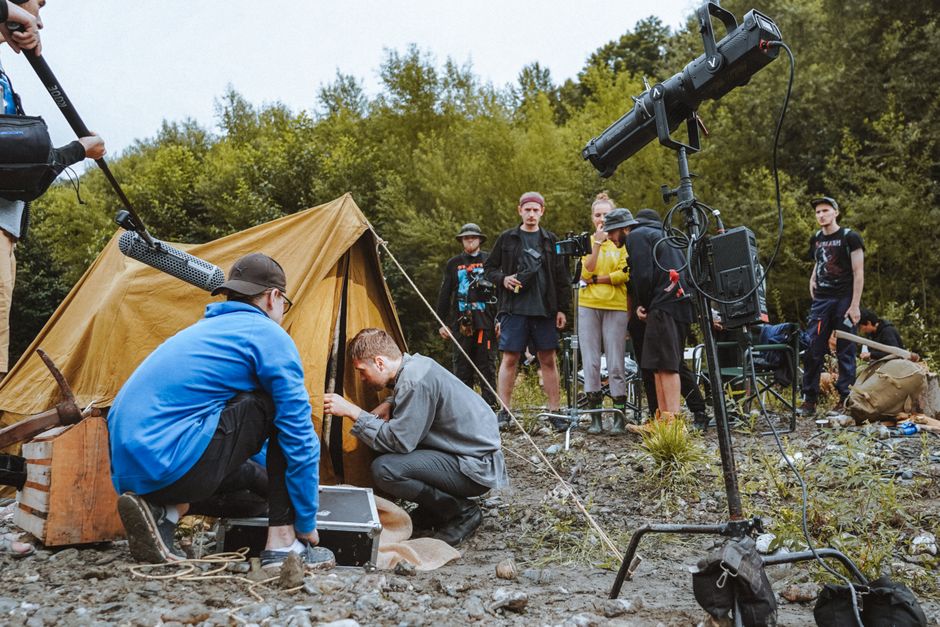
Anyone who has worked on a film set knows that moving people is half the battle. A charter bus for film production crews solves one of the most stubborn logistical headaches in the industry: getting dozens of cast, crew, background actors, and equipment handlers to a location on time, every time, without the chaos of individual vehicles clogging up a set. Whether you’re shooting a feature film in a rural town, running a multi-week television production, or handling a commercial shoot with a tight call sheet, reliable group transportation keeps your production on schedule and on budget.
In this guide, we’ll walk through everything a production coordinator, transportation captain, or line producer needs to know about renting a charter bus for film production crews. You’ll learn how to plan crew transportation around call times, what amenities matter most for long shoot days, how to handle multiple locations and unpredictable schedules, and how to budget for transportation without blowing your below-the-line costs. We’ll also cover safety, insurance, and the practical details that separate a smooth production from a logistical nightmare.
Why Film Productions Rely on Charter Buses
Film sets are notoriously time-sensitive. A crew that shows up late, scattered across ride-shares stuck in traffic, can cost thousands of dollars in lost shooting time. As a result, many production companies now build group transportation into their logistics plan from day one rather than treating it as an afterthought.
A charter bus for film production crews offers a single, predictable transportation solution that solves several problems at once:
- Consolidated call times: Everyone departs from one or two pickup points at the same time, which simplifies the assistant director’s call sheet.
- Reduced parking pressure: Remote locations, historic districts, and busy urban sets often have limited parking. One bus replaces 30 to 50 individual cars.
- Better crew accountability: Transportation coordinators know exactly who is on set and who isn’t, which matters for insurance and safety compliance.
- Cost efficiency: Renting a bus is often cheaper than reimbursing mileage, parking, and rideshare fees for a large crew over multiple shoot days.
- Crew morale: Long days are easier to endure when crew members can rest, eat, or review sides during transit instead of driving themselves after a 14-hour day.
Productions of all sizes use this approach, from independent films with a 25-person crew to major studio productions moving 100+ background actors between a holding area and set.
Who Needs Group Transportation on a Film Set
Film production transportation isn’t just about moving the camera department. Depending on the scope of your shoot, a charter bus may serve several different groups:
Cast and Principal Talent
While lead actors often travel separately in smaller vehicles for privacy and scheduling flexibility, supporting cast frequently travels together, especially on location shoots far from a hotel base.
Crew Departments
Camera, lighting, grip, sound, art department, wardrobe, hair and makeup, and production office staff all need to arrive and depart together, particularly when a set is in a remote or hard-to-access location.
Background Actors and Extras
This is often the largest transportation need on a production. Background actors are frequently bussed from a central holding facility or parking lot to set, sometimes multiple times per day for costume changes or scene resets.
Crew from Hotel to Set on Location Shoots
When a production relocates to a different city or region, the entire crew often stays at one or two hotels. A charter bus becomes the daily shuttle between lodging and set, similar in structure to how groups plan overnight charter bus trips for other large-group travel needs.
Key Logistical Challenges Charter Buses Solve
Unpredictable Call Times
Film schedules shift constantly. A 6 a.m. call time can become a 4:30 a.m. call time overnight due to weather, permit changes, or a scene running long the day before. Charter bus companies that specialize in production work understand this volatility and build flexibility into their contracts, unlike standard shuttle services that expect fixed pickup windows.
Remote and Unusual Locations
Productions frequently shoot in locations with no public transit access: abandoned warehouses, rural farmland, national parks, or closed-off downtown streets. A charter bus can navigate these locations more reliably than a fleet of rideshares, and drivers experienced with production work know how to handle base camp parking, staging areas, and street closures.
Multiple Stops and Split Crews
Some shoot days require picking up crew from more than one hotel or hub, dropping equipment trucks at a different point than talent, or shuttling between a holding area and the actual set multiple times per day. If your production needs this kind of flexibility, it helps to understand how multiple stops work with charter bus rentals before you lock in your transportation plan.
Confidentiality and Security
High-profile productions often require discretion. Charter buses with tinted windows and controlled access keep talent and sensitive script pages away from public view, which is a meaningful advantage over public transportation or scattered rideshare pickups outside a studio lot.
Types of Charter Buses Used in Film Production
Not every production needs the same type of vehicle. Matching the bus type to your crew size and shoot conditions keeps costs reasonable and logistics simple.
Mini Buses (20-30 Passengers)
Ideal for smaller crews, second unit teams, or background actor groups on independent films. These are easier to maneuver on tight streets or narrow location roads, similar to the flexibility discussed in guides for charter bus rentals for 20 people.
Mid-Size Coaches (30-40 Passengers)
A common choice for crew departments on mid-budget productions. This size balances comfort with the ability to access locations that a full-size coach might struggle to reach, and it lines up with the planning considerations covered in a charter bus rental guide for 40 people.
Full-Size Coaches (50-60 Passengers)
Used for large background actor moves, big-budget studio productions, or when consolidating multiple departments into one shuttle run. These buses typically include underbody storage for equipment cases, which matters when transporting production gear alongside people. For crews this size, the planning details in a charter bus rental guide for 60 people translate well to production logistics.
Sprinter Vans and Executive Shuttles
For smaller talent groups, directors, or department heads who need flexibility without the footprint of a full coach, sprinter vans offer a middle ground between a private car and a full charter bus.
Planning Charter Bus Transportation for a Film Shoot
Step 1: Map the Shoot Schedule Before Booking
Before contacting a charter bus company, gather your shooting schedule, call sheet template, and location list. Production transportation coordinators typically need to know:
- Number of shoot days requiring transportation
- Call times and estimated wrap times for each day
- Pickup locations (hotels, crew parking, holding areas)
- Drop-off locations (set, base camp, staging areas)
- Number of passengers per vehicle, broken down by department if needed
Even if exact call times aren’t finalized, giving the bus company a realistic range helps them staff drivers and plan routes appropriately.
Step 2: Decide Between Daily Charters and a Multi-Day Contract
Most productions save money by booking a charter bus company for the duration of the shoot rather than day by day. A multi-day or weekly contract typically includes:
- A dedicated driver or driver team familiar with your locations
- Consistent vehicle assignment, which builds familiarity and trust with crew
- Simplified invoicing for the production accountant
- Priority scheduling if call times shift
For productions running several weeks or months, this arrangement resembles the extended commitments covered in guides for long-distance charter bus travel, where consistency and driver familiarity matter as much as the vehicle itself.
Step 3: Coordinate Pickup and Drop-Off Points With Your Locations Manager
Your locations department will already be negotiating parking and staging with property owners or municipalities. Loop your transportation coordinator into these conversations early. A well-planned pickup and drop-off point avoids the common production problem of a bus circling a block because there’s nowhere legal to stop. For general best practices, a pickup and drop-off planning guide outlines the fundamentals that apply just as well to a film set as they do to any large group outing.
Step 4: Confirm Parking and Staging Arrangements for the Bus Itself
A 45-foot coach needs somewhere to park during a 12-hour shoot day, and that space has to accommodate other production vehicles, equipment trucks, and honeywagons. Many municipalities have specific rules about where charter buses can idle or park for extended periods, so it’s worth reviewing charter bus parking rules before finalizing your base camp layout, especially in dense urban locations where street parking is contested.
Step 5: Build in Buffer Time for Schedule Changes
Film schedules move. A scene that was supposed to wrap by 3 p.m. might run until 6 p.m. because of a lighting issue or a difficult stunt sequence. Book your charter bus company with the understanding that pickup and drop-off times may shift, and clarify in your contract how overtime driver hours are billed.
Budgeting for Charter Bus Transportation on a Production
Transportation is a below-the-line cost that line producers track closely. Understanding the pricing structure helps you build an accurate budget line rather than guessing.
Factors That Affect Cost
- Number of shoot days: Multi-week bookings usually come with a reduced daily rate compared to one-off charters.
- Bus size: Larger coaches cost more per day but reduce the number of vehicles needed overall.
- Distance and driving time: Locations far from your production office or hotel base increase driver hours and fuel costs.
- Overtime and standby hours: Long shoot days that run past the originally quoted hours typically incur additional charges.
- Driver overnight accommodations: On multi-day location shoots, you may need to cover driver lodging if the bus stays overnight near set.
Ways to Control Costs
- Consolidate pickup points into fewer locations rather than picking up crew from five different hotels.
- Negotiate a flat weekly or monthly rate for the duration of principal photography.
- Coordinate background actor shuttles separately from crew shuttles if their schedules diverge significantly, to avoid paying for idle time.
- Review the charter company’s deposit and cancellation terms carefully, since production schedules change often. Understanding a typical charter bus deposit and cancellation policy ahead of time prevents surprise fees when a shoot day gets pushed or canceled due to weather.
Amenities That Matter for Production Crews
Film crews spend long hours in transit, especially on location shoots with hotels far from set. The right amenities turn transit time into productive or restful time rather than wasted time.
Wi-Fi and Power Outlets
Production assistants, script supervisors, and department heads often need connectivity during transit to send call sheets, review script revisions, or handle last-minute schedule changes.
Comfortable, Reclining Seats
After a 14-hour shoot day, crew members want to rest on the ride back to the hotel. Reclining seats and adequate legroom make a measurable difference in crew fatigue and morale.
Climate Control
Whether shooting in summer heat or winter cold, a bus with reliable climate control keeps crew comfortable regardless of exterior conditions, particularly important when call times span pre-dawn hours through late evening.
Storage for Equipment
Camera cases, sound bags, and personal gear need secure storage. Underbody cargo bays on full-size coaches handle this far better than trunk space in individual cars.
Restroom Access
On long transit routes to remote locations, an onboard restroom prevents unnecessary stops and keeps the schedule tight.
Safety and Insurance Considerations for Production Transportation
Film productions carry substantial liability insurance, and transportation is part of that risk profile. When vetting a charter bus company for a production, confirm the following:
- Commercial insurance coverage: Verify the company carries adequate liability coverage and can provide a certificate of insurance naming your production as an additional insured party if required by your completion bond or studio insurer.
- Driver qualifications: Confirm drivers hold valid commercial driver’s licenses and have clean safety records, since production drivers often work irregular, long hours similar to crew members.
- Vehicle inspection records: Ask for recent maintenance and safety inspection documentation, especially for buses that will be used daily over a multi-week shoot.
- Hours-of-service compliance: Federal regulations limit how many consecutive hours a commercial driver can operate. Make sure your production schedule doesn’t inadvertently push drivers past legal limits, which can happen on shoots with unpredictable wrap times.
Building a short pre-trip checklist for your transportation coordinator, similar to a general charter bus travel checklist before departure, helps standardize this vetting process across every vendor a production works with.
Coordinating Charter Buses With the Assistant Director’s Department
The transportation department doesn’t operate in isolation. Close coordination with the first and second assistant directors keeps the whole operation running smoothly.
Sync Call Sheets With Bus Schedules
The call sheet is the single source of truth for the entire crew. Transportation times should be printed directly on it, including pickup location, departure time, and estimated arrival at set.
Assign a Transportation Captain
Larger productions benefit from a dedicated transportation captain who manages the charter bus relationship, handles day-of schedule changes, and communicates directly with the AD department when call times shift.
Use a Check-In System
A simple sign-in sheet or digital check-in at the bus door helps the AD department confirm who made it to set and who didn’t, which matters for both safety and scheduling.
Plan for Wrap Transportation Separately
Wrap times are far less predictable than call times. Build flexibility into your end-of-day transportation plan, and communicate clearly with the bus company about how late-running days will be handled and billed.
Background Actor Transportation: A Special Case
Background actor logistics deserve their own section because the numbers involved are often larger and the turnover is higher than for crew.
Central Holding Areas
Large productions typically establish a central holding facility, such as a school gymnasium, community center, or large parking lot with tents, where background actors check in, get costumed, and wait for their scenes.
Shuttle Runs Throughout the Day
Background actors are often shuttled to set in waves rather than all at once, especially when a scene only requires a portion of the group at a time. This means your charter bus may need to run multiple round trips per day rather than a single morning and evening run, which is a different use case than the single fixed-route trips covered in guides for large event transportation, but the underlying scheduling principles are similar.
Managing Large Group Counts
Productions with hundreds of background actors sometimes need several buses running simultaneously. Working with a charter company experienced in coordinating transportation for large groups makes it easier to manage multiple vehicles, drivers, and routes without confusion at the holding area.
Location Shoots: Charter Buses for Multi-City and Regional Productions
When a production moves between cities or spends weeks in a single regional location, transportation planning becomes more complex than a local shoot.
Hotel-to-Set Shuttle Routines
Crews staying at one or two hotels near the shoot location typically need a consistent daily shuttle. Establishing a routine route and schedule, even if call times shift daily, helps drivers learn the fastest paths and reduces confusion for tired crew members trying to find their bus after a long day.
City-to-City Moves
Some productions relocate entire units between cities partway through the shoot. In these cases, a charter bus functions much like a long-distance group travel arrangement, and the same principles that apply to long-distance charter bus travel, such as rest stop planning and driver rotation, apply directly to production moves.
Overnight and Multi-Day Considerations
If a shoot requires the crew to travel overnight to reach a distant location, the same comfort and safety considerations used for overnight charter bus trips apply, including driver rest requirements and onboard amenities for sleeping or resting during transit.
Working With Studios and Union Requirements
Union productions, particularly those under IATSE, Teamsters, or SAG-AFTRA agreements, often have specific rules about crew transportation that non-union independent productions don’t face.
Teamsters and Driver Jurisdiction
On union productions, driving duties for production vehicles, including charter buses used for cast and crew, may fall under Teamsters jurisdiction in certain markets. Confirm with your production’s labor relations contact whether your charter bus drivers need to be union-affiliated or whether outside vendor drivers are permitted.
Meal Penalties and Transportation Timing
Union agreements often include meal penalty clauses tied to how long crew members go without a break. Transportation delays that push meal times back can trigger financial penalties, so tight coordination between the transportation captain and the AD department is essential on union shoots.
Background Actor Union Rules
SAG-AFTRA background actor agreements may include specific provisions about transportation to and from set, particularly regarding wrap times and travel pay. Production coordinators should confirm these details with the production’s SAG-AFTRA representative before finalizing transportation contracts.
Choosing the Right Charter Bus Company for Film Production Work
Not every charter bus company is equipped to handle the unpredictability of a film set. When vetting vendors, look for these qualities:
Experience With Production Schedules
Ask directly whether the company has worked with film, television, or commercial productions before. Experienced vendors understand that call times shift and won’t penalize you unreasonably for last-minute changes.
Fleet Flexibility
A good production vendor can scale up or down depending on your crew size that day, offering everything from a sprinter van for a small unit to a full-size coach for a large background actor move.
Local Knowledge
Drivers familiar with the filming region can navigate street closures, permit-restricted areas, and unconventional parking arrangements far more efficiently than a driver unfamiliar with the area.
Clear Contract Terms
Review the contract for details on overtime billing, cancellation policies, and how schedule changes are handled. A transparent deposit and cancellation policy protects your production budget when shoot days inevitably shift.
References From Other Productions
Ask for references from other line producers or transportation coordinators who have used the company for production work. Word of mouth within the local film community is often the most reliable indicator of quality.
Common Mistakes to Avoid
- Booking too late: Charter bus availability tightens during busy filming seasons in popular production hubs. Book as soon as your shooting schedule is locked.
- Underestimating passenger counts: Always account for last-minute crew additions, extra background actors, or visiting studio executives who need transportation.
- Ignoring parking logistics for the bus itself: A bus with nowhere to park during a 12-hour shoot day creates unnecessary stress for everyone involved.
- Failing to communicate schedule changes quickly: The charter company needs advance notice when call times shift so they can adjust driver hours and avoid overtime surprises.
- Overlooking union and labor requirements: Skipping this step can lead to costly penalties or scheduling conflicts on union productions.
Frequently Asked Questions
How far in advance should a production book a charter bus for a film crew?
For productions with confirmed shooting schedules, book at least three to four weeks in advance, especially during peak production seasons in major filming markets. For larger crews or multi-week shoots, six weeks of lead time gives the charter company enough runway to secure the right vehicles and drivers.
Can charter buses accommodate last-minute call time changes?
Many charter companies experienced in production work build flexibility into their contracts specifically because film schedules change frequently. It’s important to discuss this upfront and confirm how the company handles day-of adjustments and any associated fees.
What size charter bus is best for a film production crew?
It depends on your department sizes and background actor counts. A mid-size coach of 30 to 40 seats works well for most crew departments, while full-size coaches of 50 to 60 seats are better suited for large background actor moves or combined department shuttles.
Do charter buses used for film crews need special insurance?
Productions typically require the charter bus company to provide a certificate of insurance, and many productions ask to be named as an additional insured party. Confirm this requirement with your production insurance broker before finalizing a vendor.
How do productions handle transportation for background actors versus crew?
Background actors are often shuttled in waves from a central holding area, sometimes requiring multiple round trips per day, while crew typically follows a single morning pickup and evening drop-off routine between a hotel and set. Large productions frequently run separate buses for each group to keep schedules manageable.
Final Thoughts
A charter bus for film production crews isn’t just a convenience, it’s a logistical tool that keeps a production running on schedule, protects the budget, and reduces the stress of moving large groups of people to unpredictable locations. From background actor shuttles to hotel-to-set crew runs on multi-week location shoots, the right transportation plan touches nearly every department on a production. By booking early, choosing a vendor experienced with the unique demands of film schedules, and building flexibility into your transportation contract, you can turn one of the trickiest parts of production logistics into one of the smoothest.