Can You Smoke on a Charter Bus? Rules, Policies, and What to Expect

If you’re planning a group trip and you or someone in your party smokes, you’ve probably wondered: can you smoke on a charter bus? The short answer is no. Charter buses are almost universally non-smoking vehicles, and this rule applies whether you’re booking a 12-hour overnight trip or a quick two-hour ride to a game. But the full picture is more nuanced than a simple yes or no, and it’s worth understanding the reasons behind the policy, what counts as “smoking,” and how smokers can still plan a comfortable trip.
In this guide, we’ll break down the laws behind charter bus smoking policies, what happens if someone breaks the rules, how vaping and marijuana fit into the equation, and practical tips for managing nicotine cravings on a long ride. Whether you’re a trip organizer trying to set expectations for your group or a traveler figuring out how to survive a five-hour bus ride without a cigarette, this article has you covered.
Can You Smoke on a Charter Bus? The Direct Answer
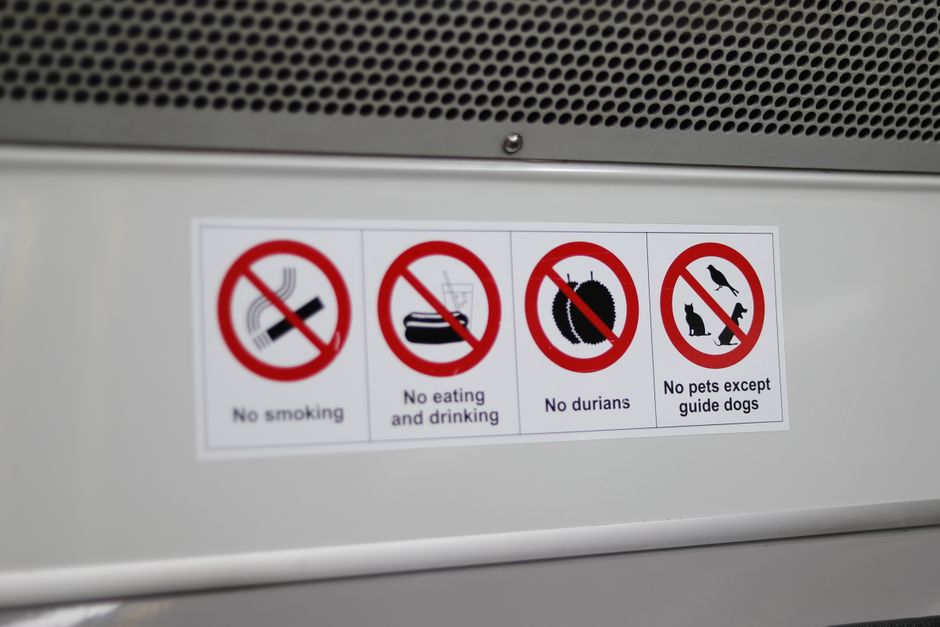
No, you cannot smoke on a charter bus. Nearly every charter bus company in the United States enforces a strict no-smoking policy inside the vehicle, and this includes traditional cigarettes, cigars, pipes, and in most cases, vaping devices and e-cigarettes as well. This rule isn’t just a company preference; it’s rooted in federal transportation regulations, state and local laws, insurance requirements, and basic passenger safety.
Some companies allow smoking during scheduled rest stops, but the moment you step back on board, the cigarette needs to be out. There is no charter bus operator that permits smoking while the vehicle is in motion, and drivers have full authority to enforce this rule, including pulling over or ending a trip early if passengers refuse to comply.
Why Charter Buses Have No-Smoking Policies
Understanding why smoking is banned on charter buses helps explain why the rule is so consistently enforced across the industry. It’s not an arbitrary decision made by individual companies; it’s a combination of legal requirements, safety concerns, and practical business considerations.
Federal and State Laws
Smoking on commercial buses has been restricted in the United States since the late 1980s. The Department of Transportation and various state transportation authorities have implemented rules prohibiting smoking on interstate buses, and many states have expanded these protections to cover all commercial passenger vehicles, including charter buses used for weddings, school trips, and corporate travel. Because charter buses often cross state lines, operators typically adopt the strictest applicable standard to avoid legal complications.
Beyond bus-specific transportation rules, many states have general clean indoor air acts that classify any enclosed public conveyance, including charter buses, as a no-smoking environment. Violating these laws can expose both the passenger and the bus company to fines.
Company Liability and Insurance
Charter bus companies carry substantial insurance policies to protect their vehicles, drivers, and passengers. Smoking introduces a fire risk, and insurers often include no-smoking clauses as a condition of coverage. If a fire were to start on a bus due to smoking, the company could face massive liability, not to mention the obvious danger to everyone on board with limited quick-exit options at highway speed.
In addition, smoke residue and burn damage to seats, curtains, and carpeting are expensive to repair. Most charter bus rental agreements include specific language about cleaning fees or vehicle damage charges tied to smoking, which we’ll cover in more detail later in this article.
Health and Safety Concerns
Secondhand smoke is a serious health concern in any enclosed space, and a charter bus is about as enclosed as it gets. Unlike a car with open windows, a moving bus recirculates air through its ventilation system, meaning smoke (and vape aerosol) can spread throughout the cabin quickly and linger for hours. For passengers with asthma, allergies, or other respiratory conditions, this isn’t just an inconvenience, it can be a genuine health hazard.
Group trips often include a wide range of ages and health backgrounds, from young children on a school trip to older adults on a casual outing. A no-smoking policy protects the comfort and wellbeing of everyone on board, not just the person who wants to smoke.
What Counts as “Smoking” on a Charter Bus?
The definition of smoking has expanded over the last decade, and charter bus policies have adjusted accordingly. When a company says “no smoking,” they typically mean more than just traditional cigarettes.
Vaping and E-Cigarettes
Most charter bus companies treat vaping the same as smoking, even though e-cigarettes don’t produce traditional smoke. The vapor from e-cigarettes still contains chemicals and creates a visible cloud that can bother other passengers, trigger smoke detectors on some buses, and leave a lingering odor depending on the flavor used. If you’re wondering whether vaping counts under your rental company’s no-smoking policy, the safest assumption is yes, it does.
Some travelers assume vaping is a gray area because it’s technically not “smoke,” but drivers are trained to treat it identically to cigarette use. Attempting to vape discreetly on board is one of the most common ways travelers unintentionally violate charter bus policies.
Marijuana and THC Products
Even in states where recreational marijuana is legal, smoking or vaping marijuana on a charter bus is prohibited. This is because charter buses often cross state lines, and marijuana remains illegal at the federal level. A bus operating under federal transportation guidelines cannot legally allow drug use on board, regardless of state-level legalization. This applies to smoking, vaping, and in many cases, edible consumption is also restricted or at least discouraged due to company policy, especially on group trips involving minors.
Smokeless Tobacco and Other Products
Chewing tobacco, snuff, and similar smokeless products are generally allowed since they don’t produce smoke or vapor, but spitting or leaving residue on the bus can still result in cleaning fees. It’s always best to check with your specific charter bus company, since policies can vary slightly from one operator to the next.
What Happens If You Smoke on a Charter Bus?
Breaking the no-smoking rule on a charter bus isn’t just frowned upon, it typically comes with real consequences. Charter bus companies take this seriously because the costs and risks fall on them if the policy isn’t enforced.
Cleaning Fees and Fines
Most charter bus rental contracts include a specific cleaning fee for smoking violations, and this fee can range from $100 to $500 or more depending on the company and the severity of the issue. Smoke odor is notoriously difficult to remove from bus upholstery, and if a burn or stain results from smoking, the charge can be even higher. These fees are usually outlined in the rental agreement, so it’s worth reading the fine print before your trip. For a deeper look at how deposits and penalties typically work, check out this charter bus deposit and cancellation policy guide, which explains how companies handle fees tied to contract violations.
Being Removed From the Trip
Drivers have the authority to stop the bus and address the situation directly if someone is caught smoking. In more serious cases, particularly if a passenger refuses to comply after being warned, the driver can end the trip early or have the offending passenger removed at the next safe location. This is rare, but it does happen, and it can disrupt the entire group’s schedule, not just the individual smoker’s.
Smoke Detector Triggers and Delays
Many modern charter buses are equipped with smoke detectors in the restroom and cabin areas. Triggering one of these detectors, even accidentally through vaping, can cause delays while the driver investigates or, in some cases, requires a stop to ventilate the bus. This isn’t just an inconvenience for the smoker, it affects the entire group’s arrival time.
Designated Smoke Breaks During Charter Bus Trips
While smoking isn’t allowed on board, charter bus trips typically include scheduled stops where smokers can step outside. Understanding how these breaks work can help you plan around your habit without disrupting the group.
How Often Do Buses Stop?
On long-distance trips, charter buses generally stop every two to three hours for fuel, restroom breaks, and driver rest periods, which are often required by federal hours-of-service regulations. These stops typically last between fifteen and thirty minutes, giving smokers a reasonable window to step outside. If you’re planning a trip that spans several hours, it helps to look at how long-distance charter bus travel is typically structured, since stop frequency and timing can vary based on distance and route.
Shorter trips, like a two-hour ride to a sporting event, may not include any stops at all, which means smokers should plan accordingly before boarding.
Tips for Planning Smoke Breaks
- Ask the driver or trip coordinator at the start of the trip about the planned stop schedule.
- Use the first rest stop to gauge how long breaks typically last so you can plan your next one.
- Bring nicotine gum or patches as a backup for longer stretches between stops.
- Stay close to the bus during stops, since drivers work on a schedule and can’t wait for stragglers.
- Communicate with your group leader if you have specific needs, especially on overnight charter bus trips where stops might be less frequent during nighttime driving hours.
Alternatives for Smokers on Long Charter Bus Trips
If you’re a regular smoker and you know you’re facing a long ride without the ability to light up, planning ahead makes a real difference. Here are some practical strategies that other travelers have found helpful.
Nicotine Replacement Options
Nicotine patches, gum, and lozenges are discreet, don’t produce smoke or vapor, and are generally allowed on board since they don’t violate any smoking policy. Many smokers use these as a bridge during long stretches of travel, switching back to cigarettes during rest stops.
Time Your Last Cigarette Strategically
Rather than smoking right before boarding, consider timing your last cigarette closer to the actual departure so the craving curve doesn’t hit as hard during the first leg of the trip. Some travelers find it easier to manage a four-hour stretch if they’ve smoked within the last thirty minutes rather than two hours prior.
Bring Distractions
Cravings are often as much psychological as physical. Bringing headphones, a good podcast, a book, or a phone loaded with games can help pass the time and reduce the mental fixation on wanting a cigarette.
Talk to Your Group Organizer in Advance
If you’re part of a large group trip, such as a company retreat or a university event, it doesn’t hurt to ask the organizer whether extra stops can be built into the itinerary. Reasonable requests are often accommodated, especially if multiple people in the group have similar needs.
Charter Bus Smoking Policy: What to Check Before You Book
Not all charter bus companies word their smoking policies the same way, and it’s worth doing a little homework before you sign a rental agreement, especially if smoking-related questions matter to your group.
Read the Rental Agreement Carefully
Look specifically for language about smoking, vaping, and cleaning fees. Reputable companies will spell this out clearly, often in a section covering passenger conduct or prohibited items. If it’s not mentioned, don’t assume it’s allowed; call the company directly and ask.
Ask About Rest Stop Frequency
If smoking breaks matter to your group, ask the company how often the bus typically stops on a route similar to yours. This is especially relevant for trips that involve ski trip travel through mountain routes or other areas where stops might be less frequent due to road conditions.
Clarify the Vaping Policy Specifically
Since vaping occupies a bit of a gray area in public perception, it’s smart to ask directly whether e-cigarettes are treated the same as traditional smoking. Most companies will say yes, but getting a clear answer avoids awkward situations mid-trip.
Understand the Consequences
Ask what happens if a passenger is caught smoking. Is it a warning first, or an automatic fee? Knowing this ahead of time helps you set clear expectations with your group and avoid surprises on the invoice after the trip.
Tips for Group Leaders and Organizers
If you’re the one responsible for planning the trip, whether it’s a graduation ceremony, a summer camp outing, or a corporate event, setting clear expectations about smoking before departure can prevent headaches later.
Communicate the Policy Early
Send a group email or text ahead of the trip clarifying that smoking, including vaping, is not allowed on board. People are far more likely to comply when they know the rule in advance rather than finding out when the driver corrects them.
Build in Reasonable Stops
If you know several members of your group smoke, factor that into your itinerary planning. Reviewing a general pre-departure checklist can help ensure you haven’t overlooked details like stop scheduling, restroom breaks, and driver rest requirements that naturally align with smoke break opportunities.
Designate a Point of Contact
Having one person, whether it’s you or a co-organizer, available to answer questions from the driver or address passenger conduct issues keeps things running smoothly. This is particularly useful for larger charters, similar to what’s recommended in guides on choosing the right bus for large groups, where clear communication becomes more important as passenger count increases.
Common Misconceptions About Smoking on Charter Buses
There’s a surprising amount of confusion around this topic, so let’s clear up a few myths.
“It’s My Private Charter, So the Rules Don’t Apply”
Some travelers assume that because they’ve rented the entire bus for a private group, standard smoking rules don’t apply. This isn’t true. The no-smoking policy is tied to the vehicle itself, the insurance covering it, and applicable laws, not to who has booked it. A private charter is still subject to the same restrictions as a shared shuttle service.
“Vaping Doesn’t Count Because It’s Not Real Smoke”
As covered earlier, this is one of the most common misunderstandings. Vapor still counts under nearly every charter bus company’s policy, and attempting to vape discreetly is one of the fastest ways to trigger a smoke detector or upset fellow passengers.
“The Driver Won’t Notice”
Drivers are trained to notice smoke and vapor almost immediately due to smell, visible clouds, or detector alerts. Bus interiors are relatively small, enclosed spaces, and odors travel fast. It’s rare for a driver not to notice smoking on board.
“I Can Smoke Near an Open Window”
Charter buses don’t typically have windows that open enough to ventilate smoke effectively, and even a small amount of smoke can trigger detectors or bother nearby passengers. This workaround simply doesn’t hold up in practice.
Smoking Policies Compared: Charter Buses vs. Other Transportation
It helps to put charter bus smoking rules in context by comparing them to other common forms of group transportation.
- Commercial airlines: Smoking has been banned on all domestic flights since 1990, and this includes vaping. Charter buses follow a similar zero-tolerance approach.
- Trains: Amtrak and most commuter rail systems prohibit smoking in passenger cars, though some long-distance trains offer designated smoking stops similar to charter bus rest stops.
- Personal vehicles: Unlike a charter bus, a private car allows the driver to make their own smoking rules, which is often why people underestimate how strict charter bus policies actually are.
- Rideshare services: Companies like Uber and Lyft prohibit smoking in vehicles as part of their community guidelines, mirroring the same liability and cleanliness concerns charter companies face.
Across nearly every mode of shared or commercial transportation, the trend is the same: enclosed, shared spaces don’t allow smoking, and charter buses are no exception.
What About Medical or Special Circumstances?
Occasionally, travelers ask whether medical exceptions exist, particularly for nicotine replacement vape devices prescribed for cessation purposes. In general, charter bus companies don’t make exceptions for any type of vaping device, regardless of its intended medical use, simply because enforcement would be inconsistent and difficult to verify. If you have a specific medical need, it’s worth calling the charter company ahead of time to discuss your situation, but don’t expect a blanket exception to be granted.
Frequently Asked Questions
Can you smoke on a charter bus during rest stops?
Yes, most charter bus companies allow smoking during scheduled rest stops as long as it happens outside the vehicle. Once the bus is moving again, smoking is not permitted inside the cabin under any circumstances.
Is vaping treated the same as smoking on a charter bus?
In almost all cases, yes. Charter bus companies typically classify vaping and e-cigarette use under the same no-smoking policy that applies to traditional cigarettes, cigars, and pipes.
What happens if you’re caught smoking on a charter bus?
Consequences vary by company, but common outcomes include a cleaning fee (often $100 to $500), a formal warning from the driver, or in serious cases, removal from the trip at the next available stop.
Can marijuana be smoked on a charter bus in states where it’s legal?
No. Even in states with legal recreational marijuana, charter buses prohibit smoking or vaping marijuana on board because federal transportation regulations still classify it as illegal, and buses often cross state lines during a single trip.
How often do charter buses stop for smoke breaks on long trips?
Most charter buses stop every two to three hours for fuel, restroom use, and driver rest periods, which typically double as informal smoke breaks. Shorter trips under two hours may not include any stops at all.
Final Thoughts
So, can you smoke on a charter bus? No, not while it’s moving, and in most cases, not vaping either. The policy exists for good reasons: legal compliance, insurance requirements, fire safety, and the comfort of everyone sharing the ride. That said, smokers aren’t left without options. Scheduled rest stops, nicotine replacement products, and a little advance planning can make even a long trip manageable without breaking any rules.
If you’re organizing a group trip, the best move is to communicate the no-smoking policy clearly before departure and build reasonable rest stops into your itinerary. And if you’re the one who needs a cigarette break, just wait for the next stop, it’ll come sooner than you think.