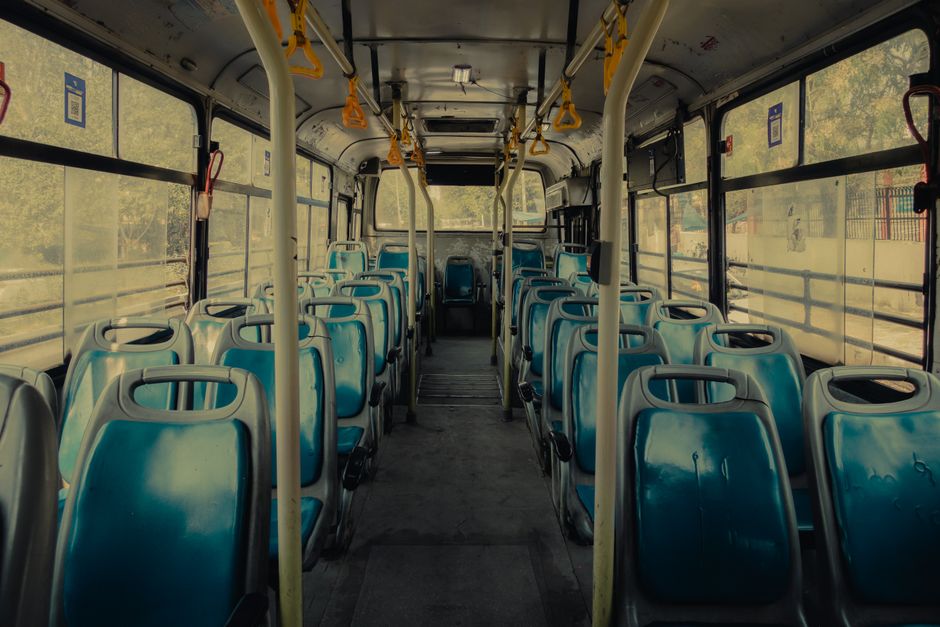
Charter Bus Seating for Tall Passengers: How to Ride in Comfort


If you have ever unfolded your 6-foot-4-inch frame into a bus seat only to spend the next four hours with your knees jammed against the seatback in front of you, you already know why charter bus seating for tall passengers deserves real attention before you book. Legroom is not a minor detail. It is the difference between arriving at your destination refreshed and arriving stiff, sore, and cranky.
In this guide, we will walk through everything a tall traveler or a group organizer needs to know about finding comfortable seating on a charter bus. You will learn which bus types offer the most legroom, how seat pitch actually works, what questions to ask a charter company before you sign a contract, and practical tips for staying comfortable on a long ride even if you cannot control which seat you get. Whether you are 6 feet tall or 6 feet 8 inches tall, there are ways to make sure your next charter trip does not turn into an endurance test.
Why Charter Bus Seating for Tall Passengers Is Often Overlooked
Most charter buses are designed with average adult dimensions in mind. Seat pitch, which is the distance between a point on one seat and the same point on the seat in front of it, is usually set between 30 and 34 inches on standard motorcoaches. That works fine for someone who is 5 feet 6 inches tall. However, it can feel cramped fast for someone over 6 feet.
Unlike airlines, which now advertise extra-legroom seats as a paid upgrade, most charter bus companies do not market seating comfort by height. As a result, tall passengers often have to do their own research or simply ask the right questions when booking. Group organizers planning trips for basketball teams, volleyball squads, corporate groups with taller executives, or family reunions with a mix of heights need to think about this too, since one uncomfortable passenger can affect the mood of an entire trip.
The Real Cost of Cramped Seating
Sitting with your knees bent at a sharp angle for hours is not just uncomfortable, it can actually be a health concern. Poor circulation, muscle stiffness, and lower back strain are common complaints from tall travelers after long rides in tight seating. On trips longer than three or four hours, this discomfort can turn into genuine pain that lingers for a day or two afterward.
For group trips, this matters even more. If you are chartering a bus for a university event or a multi-day tour, a handful of uncomfortable tall passengers can sour the experience for the whole group, especially if they are vocal about it. Planning ahead solves this problem before it starts.
Understanding Seat Pitch, Legroom, and Recline
Before you can compare buses, it helps to understand the terminology charter companies use to describe seating space. These terms get thrown around loosely, so knowing what they actually mean puts you in a better position to ask smart questions.
Seat Pitch
Seat pitch is the industry term for the space between a fixed point on one seat and the same point on the seat directly behind or in front of it. It is not the same as legroom, but it is the closest measurable proxy for it. Standard charter buses typically offer:
- Standard motorcoaches: 30 to 32 inches of seat pitch
- Premium or executive coaches: 34 to 36 inches of seat pitch
- Minibuses and shuttle buses: often less, sometimes as tight as 27 to 29 inches
For reference, most tall adults start to feel cramped anywhere under 33 inches of pitch, especially on trips lasting more than two hours.
Actual Legroom
Legroom is the usable space between your seat and the seat in front of you once you subtract the thickness of the seatback and any tray tables, footrests, or under-seat storage. A bus can advertise generous seat pitch but still have limited legroom if the seats themselves are bulky or if there is a metal frame or storage bin under the seat ahead of you.
Recline and Seat Design
Reclining seats can help tall passengers stretch out a bit, but they also reduce the space for the person behind them. On full buses, this becomes a courtesy issue as much as a comfort one. Ask the charter company whether the coach has adjustable headrests too, since taller riders often need the headrest positioned higher than the default setting allows.
Which Charter Bus Types Offer the Most Legroom?
Not all charter buses are built the same, and the vehicle type matters a lot when comfort for tall passengers is the priority. Here is a breakdown of common options.
Full-Size Motorcoaches
Full-size motorcoaches, the large 45 to 56 passenger buses typically used for long-distance trips, tend to offer the best legroom of any charter option. Many are built with reclining seats, adjustable footrests, and seat pitch in the 32 to 34 inch range. Premium or executive versions of these coaches sometimes drop the seat count to increase spacing, which is a smart move for groups that include several tall travelers.
Mini and Mid-Size Buses
Minibuses and mid-size buses, which typically seat 20 to 35 passengers, are more likely to have tighter seat pitch because manufacturers try to maximize seat count in a smaller shell. If your group includes multiple tall passengers, a minibus is usually not the ideal choice for anything beyond short trips of an hour or two.
Sprinter Vans and Limo Buses
Sprinter vans can actually be surprisingly good for tall passengers because of their higher roofline, though bench-style seating in some models can still be tight on legroom. Limo-style buses often have lounge or perimeter seating, which gives passengers more freedom to stretch legs out at an angle rather than straight ahead, a real advantage for anyone over 6 feet tall.
Double-Decker Buses
Double-decker buses vary widely. The upper deck sometimes has less headroom due to the curved roofline, which can be uncomfortable for tall passengers even if legroom is fine. If you are considering a double-decker for a tour, ask specifically about headroom on both levels, not just seat pitch.
Questions Tall Passengers Should Ask a Charter Bus Company
Charter bus websites rarely list seat pitch measurements, so getting real answers usually means asking directly. Here are the questions worth raising before you book.
- What is the seat pitch on this specific vehicle? Ask for actual inches, not vague descriptions like “plenty of legroom.” Seat pitch is measured from a point on one seat to the same point on the seat in front of it, and even a two-inch difference can be the deciding factor between a comfortable ride and a miserable one for someone over 6 feet tall.
- How much headroom is there in the aisle and at the seats? This matters most for anyone taller than 6’2″ or so, since low luggage racks and curved rooflines can force tall passengers to duck or tilt their heads for hours at a time.
- Are there any rows with extra legroom, such as exit rows or the front row behind the driver? Many charter buses have at least one or two rows with more space due to the wheelchair lift mechanism, the door well, or the driver’s partition. Ask if these rows can be reserved for tall passengers.
- Can seats recline, and if so, how far? Reclining seats can help tall passengers shift their weight and stretch out a bit, especially on overnight or long-distance trips.
- Is the restroom onboard, and how much clearance does it have? This sounds like a minor detail, but tall passengers often find onboard restrooms cramped. Knowing this in advance helps set expectations.
- What is the age and model of the bus? Older buses sometimes have more legroom because manufacturers hadn’t yet started maximizing seat counts as aggressively as they do today. Newer buses might have nicer amenities but tighter seat pitch.
- Can our group choose or request specific seats in advance? Some charter companies allow pre-assigned seating, which means tall passengers can claim the roomier rows before anyone else boards.
Asking these questions before signing a contract puts you in a much stronger position than trying to negotiate comfort after the bus has already arrived. Most reputable charter companies are happy to answer detailed questions about their fleet, and hesitation to provide specifics is often a red flag. For groups that are still deciding on a vehicle type, our guide to choosing the right bus for smaller groups covers additional factors worth weighing alongside comfort.
Practical Tips for Tall Passengers Booking a Charter Bus
Beyond asking the right questions, there are several strategies tall passengers and trip organizers can use to make any charter bus ride more comfortable, regardless of the exact seat pitch.
Request the Front Row or an Exit Row
The row directly behind the driver often has a bit more space because of how the front of the bus is configured. Exit rows, when present, may also offer more legroom due to door mechanisms that require extra clearance. If you know someone in your group is tall, ask the driver or coordinator if that person can sit in one of these rows.
Sit on the Aisle, Not the Window
Aisle seats give tall passengers the option to stretch one leg into the aisle during quieter moments of the trip, such as during rest stops or when the bus is lightly loaded. This small bit of flexibility can make a multi-hour ride noticeably more bearable.
Bring a Travel Cushion or Lumbar Support
A compact travel cushion can help adjust seating position and reduce strain on the lower back, which is often where tall passengers feel discomfort first. Inflatable neck pillows and lumbar cushions are lightweight and easy to pack for any trip.
Stand and Stretch During Stops
Long-distance charter trips typically include scheduled rest stops every few hours. Tall passengers should make a point of standing, walking, and stretching during every single stop rather than staying seated. Simple stretches for the hamstrings, hips, and lower back can prevent stiffness from building up over a long ride.
If you are planning a longer trip with multiple stops, our guide on multiple stops during charter bus trips explains how to plan a route that keeps everyone, including tall passengers, comfortable throughout the journey.
Dress for the Ride
Loose, breathable clothing and slip-on shoes make it easier to shift positions in a confined seat. Compression socks can also help with circulation on longer rides, since tall passengers sitting with bent knees for extended periods are more prone to leg stiffness and swelling.
Coordinate With the Group Organizer Early
If you are traveling as part of a school group, sports team, corporate event, or tour group, let the organizer know about your height and seating needs as early as possible. Organizers who know in advance can request specific vehicles, reserve better rows, or even mention the need when comparing quotes from different charter companies. For groups managing this kind of logistics, our seating chart planning guide for large groups offers a useful framework for balancing everyone’s comfort needs, including taller passengers, when assigning seats.
What Trip Organizers Should Know About Seating Tall Passengers
If you are organizing a group trip, whether it is a school outing, a corporate retreat, or a wedding shuttle, being proactive about seating comfort benefits the whole group, not just the tallest members. A few best practices can make a noticeable difference.
Collect Height Information During Registration
When gathering RSVPs or headcounts for a trip, consider adding a simple question about height or seating preferences. You do not need exact measurements, just enough information to know if you have several passengers over 6 feet tall who might benefit from front-row or aisle seating.
Communicate Needs to the Charter Company in Advance
Charter companies cannot accommodate needs they don’t know about. Mentioning that your group includes several tall passengers when requesting quotes allows the company to recommend vehicles with better legroom or to flag any known limitations with certain buses in their fleet.
Avoid Overpacking the Bus
Choosing a bus with a few extra empty seats, rather than one that is packed to full capacity, gives tall passengers room to shift into an open seat if one becomes available partway through the trip. This is especially useful on buses without reserved seating.
Consider the Trip Length When Choosing a Vehicle
A short 45-minute transfer to a local venue does not require the same level of scrutiny as an 8-hour trip to a ski resort or a multi-day tour. For longer trips, it is worth paying a bit more for a vehicle with better seat pitch and more amenities. Our guides on planning charter bus rentals for ski trips and theme park trips both touch on how trip length and destination should influence vehicle selection.
Build in Extra Stretch Time
When mapping out the itinerary, especially for long-distance trips, build in a few extra minutes at rest stops specifically for stretching. This benefits tall passengers most, but everyone on the bus tends to appreciate a longer break after several hours of sitting.
How Seating Comfort Affects the Overall Trip Experience
It is easy to underestimate how much seating comfort shapes the overall impression of a trip. A tall passenger who spends six hours cramped into a seat with insufficient legroom is likely to arrive tired, stiff, and irritable, which can affect their mood and energy for whatever event or activity awaits at the destination. This is particularly relevant for trips tied to performance or attention, such as graduation ceremonies, business conferences, or company retreats, where showing up refreshed matters.
On the flip side, a charter bus with generous seat pitch, good headroom, and a thoughtful seating arrangement allows tall passengers to arrive in far better shape, both physically and mentally. Comfortable seating contributes to a more positive group dynamic overall, since passengers who are not distracted by discomfort tend to be more engaged, more social, and more satisfied with the trip as a whole.
Frequently Asked Questions About Charter Bus Seating for Tall Passengers
What is considered a good seat pitch for tall passengers?
Most tall passengers, especially those over 6 feet, are more comfortable with a seat pitch of at least 36 to 40 inches. Anything below 32 inches tends to feel cramped for extended periods, even if it is tolerable for shorter trips.
Can I request a specific seat on a charter bus?
It depends on the charter company and the nature of the trip. Some companies allow pre-assigned seating, especially for private group charters, while others operate on a first-come, first-served basis. It is always worth asking directly, since many companies will accommodate reasonable requests for passengers with height or mobility needs.
Are certain charter bus brands or models better for tall passengers?
Full-size motorcoaches from established manufacturers generally offer more consistent seat pitch and headroom than minibuses or older vehicles. However, seat pitch can vary even within the same brand depending on how a specific bus was configured, so it is best to ask about the individual vehicle rather than relying on the brand name alone.
What should I bring to make a long charter bus ride more comfortable as a tall traveler?
A small travel cushion or lumbar support, an inflatable neck pillow, compression socks, and loose, comfortable clothing can all help. Slip-on shoes also make it easier to shift positions without disturbing neighboring passengers.
Should I mention my height when booking a charter bus for a group trip?
Yes. Letting the trip organizer or charter company know in advance gives them the chance to recommend a more suitable vehicle, reserve a roomier seat, or otherwise plan around your needs. This is especially useful for trips longer than two or three hours.
Final Thoughts
Charter bus seating does not have to be a source of dread for tall passengers. With the right questions, a bit of advance planning, and some simple in-trip strategies, even a multi-hour ride can be comfortable rather than something to endure. Whether you are a tall traveler booking your own seat or an organizer planning a trip for a group that includes taller passengers, taking seating comfort seriously pays off in a smoother, more enjoyable journey for everyone involved. If you are still working out the broader logistics of your trip, our complete guide for first-time charter bus passengers is a great next stop for additional planning tips.