Quilting and Craft Guild Bus Trips to Shows and Conventions

Here is a truth every guild trip chair learns on the first outing: quilters and crafters always come home with more than they left with. Fat quarters, a new cutting mat, three patterns, a bolt-end bargain, a skein of hand-dyed yarn, maybe a sewing machine they swore they would not buy. Then there is the show program, the class handouts and the tote bag full of free samples.
That makes quilting and craft guild bus trips a special category of group travel. You are not only moving people, you are moving purchases. You are also dealing with long show days, crowded vendor halls, early departures and members who range from energetic first-timers to longtime quilters who prefer to sit and study the award winners.
This playbook answers the questions guild trip chairs ask most often, in roughly the order they come up, from choosing a show to unloading the last bag back in the church parking lot.
Why Do Guilds Charter a Bus Instead of Carpooling?
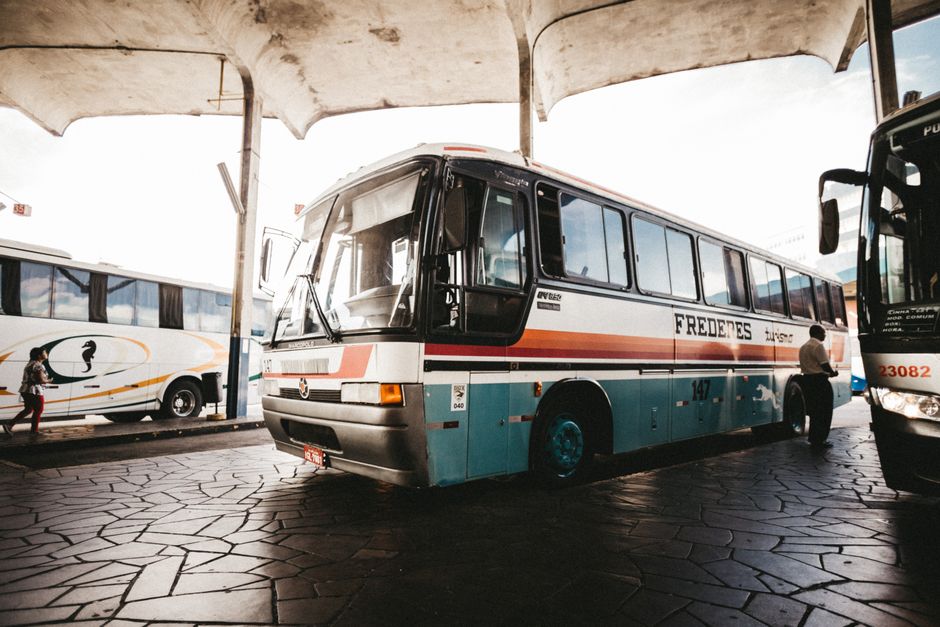
Guilds have carpooled to shows for decades, and for a handful of members it still works. But once a trip grows past two or three cars, a chartered vehicle starts to make a lot of sense:
- Cargo space. A full-size coach has large under-floor bays. Your members’ purchases ride below, not on their laps.
- No parking stress. Major shows at convention centers often charge for parking and fill early. A bus drops at the door.
- Everyone gets to shop. No one has to save energy for the drive home.
- The trip becomes a guild event. Show-and-tell on the ride home is half the fun.
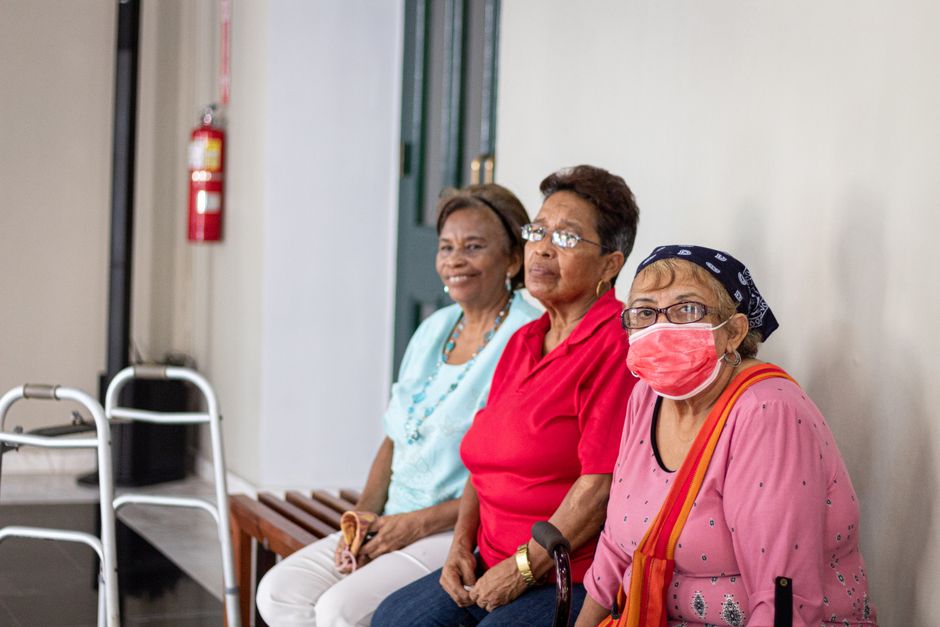
- Accessibility. Members who no longer drive long distances can still attend.
Many guilds also use bus trips as a membership perk or a modest fundraiser by opening extra seats to non-members. Our article on why friend groups choose charter bus trips touches on the social side, and our charter bus vs. multiple cars cost comparison covers the math.
Which Show or Convention Should We Pick?
Start with what your members want: competition quilts to study, a huge vendor mall, classes, or a combination. Then weigh drive time. A great show four hours away may be a better trip than a smaller show forty minutes away, as long as you plan the timing right.
Examples of popular shows and fiber events
Dates, venues and formats change, so confirm on each official site before you plan.
| Event | Typical Season | What Draws Guilds |
|---|---|---|
| AQS QuiltWeek (multiple U.S. cities) | Several dates through the year | Judged quilts, vendors, workshops; locations rotate, so a show may be within day-trip range |
| International Quilt Festival, Houston | Fall | One of the largest quilt shows in the country; best as a multi-day trip |
| Road to California | Winter | Large West Coast show with classes and a big vendor hall |
| Great Wisconsin Quilt Show, Madison | Late summer / early fall | Popular Midwest guild destination with exhibits and vendors |
| Maryland Sheep & Wool Festival | Spring | Fiber, yarn and spinning; great for knitting and weaving guilds |
| New York State Sheep & Wool Festival, Rhinebeck | Fall | Iconic fiber festival in the Hudson Valley |
Regional and state quilt shows, guild shows in neighboring towns and destination quilt shops also make excellent trips. Some destination retailers, such as Missouri Star Quilt Co. in Hamilton, Missouri, actively welcome guild buses and have offered perks for groups that call ahead. Always ask a shop or show whether they have a group program.
If your guild is in New York, the Rhinebeck festival pairs naturally with our Hudson Valley charter bus service. Texas guilds heading to Houston can review our Houston charter bus rental page.
Day Trip or Overnight?
A simple rule of thumb: if the one-way drive is more than about three hours, consider an overnight. Here is why.
- A six-hour round trip plus six hours on a show floor makes for a very long day, especially for older members.
- Driver hours are limited by federal rules. The FMCSA hours-of-service regulations cap daily driving and on-duty time for passenger carriers, so very long day trips may need a second driver. Our article on driver hour limits explains the basics.
- Large shows are hard to see in one day. Members who take classes need more time.
A two-day trip with one hotel night often costs less per hour of show time than a marathon day trip with a second driver. Our same-day return trip guide and overnight charter trip guide walk through both options.
How Many Seats Should We Book?
Guild membership is not the same as trip interest. A guild of 80 may fill 25 seats or 55, depending on the show. To estimate:
- Send a no-commitment interest poll at a meeting and by email.
- Expect roughly 60 to 75 percent of “interested” members to pay a deposit.
- Count anyone who has already said yes to a ride.
- Decide whether non-members, spouses or friends can fill remaining seats.
Then match the vehicle:
- Under 15: Sprinter van, but note limited cargo space
- 15–30: Mini bus; confirm rear luggage capacity
- 30–56: Full-size charter bus with under-floor bays and a restroom
For shopping-heavy trips, size up. A guild of 28 with big shopping plans may be happier in a full-size coach than a packed mini bus. Our guides on 25-passenger charters and 45-passenger charters help you choose.
How Do We Handle All the Shopping?
This is the question that makes guild trips unique. Plan for cargo like you plan for people.
Know your cargo capacity
Under-floor storage on a full-size coach is generous, but it is not unlimited, especially on overnight trips where suitcases are already taking space. Our articles on how many bags fit under a charter bus and storage compartments explained give typical numbers.
Set simple purchase rules
- Label everything. Give each member colored tags or masking tape with their name. Dozens of identical show tote bags look the same in a cargo bay.
- Big items need a heads-up. If someone plans to buy a sewing machine, longarm accessories, a quilt frame or a spinning wheel, they should tell the trip chair beforehand.
- Ship what will not fit. Many vendors ship purchases home. Encourage members to ask.
- No cargo in the aisle. Bags in the aisle are a tripping and safety hazard. Our guide to charter bus rules for passengers explains why.
- Mid-day drop runs. If the bus is parked nearby, schedule one or two windows when members can drop purchases at the bus so they are not carrying bags all day.
Protect fabric and fiber
Fabric and yarn are vulnerable to spills and moisture. Remind members to bag purchases in plastic before stowing, especially on rainy days.
What Does a Good Show-Day Schedule Look Like?
Here is a sample day trip for a guild of 48 traveling about two and a half hours each way.
| Time | Plan | Note |
|---|---|---|
| 6:15 a.m. | Check-in at meeting lot | Name tags, cargo tags, coffee |
| 6:30 a.m. | Depart | Show program and maps handed out on the bus |
| 7:45 a.m. | Rest stop | Fifteen minutes, quick breakfast option |
| 9:10 a.m. | Arrive at show | Doors usually open around 9–10 a.m. |
| 9:15 a.m.–12:00 p.m. | Quilt exhibits and judged categories | Members see quilts before vendor crowds peak |
| 12:00 p.m. | Optional bag drop at the bus | Driver meets members at a set location |
| 12:00–3:45 p.m. | Lunch and vendor mall | Lunch on your own inside the venue |
| 4:00 p.m. | Meet at bus; headcount | Load purchases by name tag |
| 4:15 p.m. | Depart | Show-and-tell of purchases on the ride home |
| 5:30 p.m. | Dinner stop | Pre-arranged group-friendly restaurant |
| 7:45 p.m. | Return to meeting lot | Unload by tag; check under seats for forgotten items |
Our tips for how early a charter bus should arrive and pickup and drop-off planning help you fine-tune the start and end of the day.
What About a Two-Day Show Trip?
For large shows or longer drives, an overnight trip gives members a relaxed pace and time for classes. Here is a pattern many guilds use.
| Day | Plan | Planning Note |
|---|---|---|
| Day 1 morning | Depart around 7:00 a.m.; rest stop; lunch en route | Keep the first day’s drive under five hours if possible |
| Day 1 afternoon | Arrive at show; exhibits and judged quilts | Fewer crowds in the afternoon at many shows |
| Day 1 evening | Hotel check-in; group dinner; purchases stay on the bus | Confirm the bus is parked in a secure lot overnight |
| Day 2 morning | Classes or vendor mall at opening | Members with classes set their own schedule |
| Day 2 midday | Final shopping, lunch at the venue | Last bag drop at the bus by 1:30 p.m. |
| Day 2 afternoon | Depart by 2:00 p.m.; one quilt shop stop on the way home | Return before late evening |
Ask your operator whether purchases can stay locked in the cargo bay overnight. Most drivers are happy to oblige, but members should keep valuables like new machines or expensive tools with them in the hotel. Our guide on multi-day charter tours covers driver rest and lodging.
What If Members Are Taking Classes at the Show?
Workshops and lectures are a major draw at bigger shows, but they complicate group timing. A few tips:
- Collect class schedules at sign-up. If several members have a class ending at 4:00 p.m., do not set a 4:00 p.m. departure.
- Plan for supplies. Class supply lists can include machines, cutting mats and fabric. Make sure there is cargo space on the outbound trip, not only for purchases on the way home.
- Consider overnight trips for class-heavy groups. Full-day classes plus a long drive make for an exhausting single day.
- Assign a class contact. One person tracks who is in which class and when each ends.
Who Does What? Volunteer Roles for Guild Trips
A single trip chair cannot do everything well on a 50-person show trip. Spreading the jobs keeps the day smooth.
| Role | Main Job |
|---|---|
| Trip chair | Books the bus and show tickets, owns the schedule, talks to the driver |
| Treasurer | Collects deposits and final payments, tracks transfers and refunds |
| Bus captain | Takes attendance at every boarding and handles onboard announcements |
| Cargo captain | Hands out bag tags, oversees loading and unloading by name, checks the bays before departure |
| Fun committee | Organizes games, raffles and the show-and-tell on the ride home |
The Trip Chair’s Day-Of Checklist
- Printed roster with emergency contacts and mobility notes
- Show tickets or group confirmation, printed and on your phone
- Driver’s name and cell number, plus the operator’s dispatch number
- Bag tags, markers and masking tape
- Cash or card for the driver’s gratuity in an envelope
- Small first aid kit, tissues and hand sanitizer
- Bottled water and a few spare snacks
- Printed schedule cards for every member
- A plastic bin or two for loose purchases in the cargo bay
Our pre-departure checklist has a printable version you can adapt.
Can We Add Quilt Shops or a Shop Hop?
Absolutely, and many guilds do. A shop stop on the way home turns a single show into a full fabric day. A few guidelines keep it manageable:
- Call ahead. Small shops appreciate warning before a bus of 45 shoppers arrives. Many will add staff, put out refreshments or offer a group discount.
- Check bus access. Small-town shops may have limited parking. Ask where a coach can stop.
- Set firm shop times. Forty-five minutes per shop is plenty for most stops. Announce the departure time when you arrive.
- Limit the number. Two or three shops in a day is enjoyable. Five becomes a blur.
Our guide on whether a charter bus can make multiple stops explains how operators handle extra stops.
What Should We Charge Per Seat?
A sample cost worksheet
Use your real quotes, but here is the structure most guilds follow:
- Charter bus quote, including any parking, tolls and fuel surcharges
- Group admission tickets for the show
- Driver gratuity
- Hotel rooms if overnight, plus the driver’s room if billed to you
- Snacks, water, name tags and printing
- A small contingency of five to ten percent
Divide the total by about 85 percent of your seat count to protect against dropouts. Many guilds charge members slightly less than non-members.
For a breakdown of charter costs, see what is included in a charter bus quote and what is not included. Guilds registered as nonprofits should read how nonprofits can get charter discounts.
Deposits and refunds
Your guild will pay the charter company a deposit when you book. Collect member deposits early enough to cover it. A common approach:
- A non-refundable deposit per person when signing up
- Final payment due a few weeks before the trip
- Refunds only if the guild cancels the trip, but seat transfers allowed anytime
Our refund policy guide helps you align your guild rules with your operator’s terms.
What Information Should the Sign-Up Form Collect?
A good sign-up form saves hours of follow-up. Include:
- Full name and cell phone number
- Emergency contact name and number
- Member or guest status
- Mobility needs, such as walker, wheelchair or difficulty with stairs
- Dietary needs for any group meal
- Roommate preference for overnight trips
- Planned large purchases that need cargo space
- Class registrations at the show, if any
- Payment method and deposit confirmation
If members use mobility aids, request a lift-equipped vehicle when you book. Our guides on ADA lifts on charter buses and bringing a wheelchair on a charter bus explain what to ask.
How Do We Keep the Group Together at a Huge Show?
Large conventions can cover hundreds of thousands of square feet. Members will scatter, and that is fine, as long as they come back on time.
- Buddy system: Pair members, especially first-timers.
- Group text thread: Share the departure time and pickup location, and post reminders an hour and 20 minutes before boarding.
- Printed card: Give each member a card with the bus location, departure time and trip chair’s cell number.
- Meeting landmark: Pick an easy spot inside the venue for anyone who gets lost.
- Firm departure: Announce that the bus leaves at the stated time, and stick to it within reason. Our charter bus etiquette guide is a handy reference to share with members.
How Can We Make the Ride Part of the Fun?
The bus ride is where guild friendships deepen. A few ideas:
- Hand-sewing or knitting on the ride, if members feel comfortable and the ride is smooth
- A quilt-trivia game or “name that block” quiz
- A raffle for a donated fat-quarter bundle
- Show-and-tell of purchases on the way home
- Planning the guild’s next challenge or charity quilt
Sharp tools like rotary cutters and scissors should stay packed while the bus is moving. Our group travel games guide has more ideas for long rides.
Beyond Quilting: Trips for Other Craft Guilds
Everything above applies to knitting circles, weaving guilds, woodcarvers, scrapbookers, bead societies and other craft groups, with a few differences worth noting:
- Fiber and wool festivals are often held at fairgrounds with gravel lots and long walks between barns. Comfortable shoes and a rain plan matter more than at an indoor convention center.
- Woodworking and carving shows attract heavy, bulky purchases such as tools and lumber. Size up the vehicle and confirm cargo weight with your operator; our article on how much weight a charter bus can carry explains the limits.
- Scrapbooking and paper craft conventions often include multi-day crops. Members bring rolling totes and supplies, so plan cargo space for the outbound trip as well.
- Craft fairs where members sell are a different trip type entirely. If members are vendors, they need setup time, display equipment and an earlier arrival than shoppers.
- Museum textile exhibits pair well with a shop stop and lunch, giving a more relaxed day than a crowded show floor. Our museum trip guide covers the logistics.
Mixed-interest trips can work well too. A fiber festival in the morning and a quilt museum in the afternoon gives both knitters and quilters something to love.
Lessons Guild Trip Chairs Learn the Hard Way
- Departure times slip unless you guard them. Announce the time, repeat it and stick to it.
- The cargo bay fills faster than you think. Plan it before the trip, not in the parking lot at 4:00 p.m.
- Someone always leaves something behind. Walk the aisle and check the overhead racks after every stop.
- Members love knowing the plan. A printed schedule card reduces repeated questions by half.
- Thank-yous matter. A note to the driver and the host shop builds goodwill for next year’s trip.
Frequently Asked Questions
How far ahead should a guild book a bus for a quilt show?
Book three to six months ahead for major shows, and even earlier for spring and fall weekends when charter demand peaks. See our guide on how far in advance to book.
Can a charter bus wait at the convention center all day?
Often yes, if the venue has motorcoach parking. Some venues charge a fee or require the bus to park off-site. Confirm with the show and your operator.
What if a member buys something too big for the bus?
Ask the vendor to ship it. For planned large purchases, members should notify the trip chair in advance so cargo space can be reserved.
Can non-members join a guild bus trip?
That is up to your guild. Many open remaining seats to friends and non-members, often at a slightly higher price.
Do charter buses have restrooms for long show trips?
Most full-size coaches do. Smaller vehicles may not. Our bathroom guide explains which vehicles include them.
Thread It All Together
A great quilting or craft guild bus trip comes down to a few things: pick a show your members are excited about, size the vehicle for people and purchases, set a schedule with clear meeting times, handle money and deposits early, and plan the cargo as carefully as the seating. Do that, and your guild will be planning the next trip before the bus is unloaded.
Ready to start? Request a free charter quote with your show dates and headcount, or browse our group transportation services and full vehicle lineup.