
What Is the Maximum Weight a Charter Bus Can Carry?

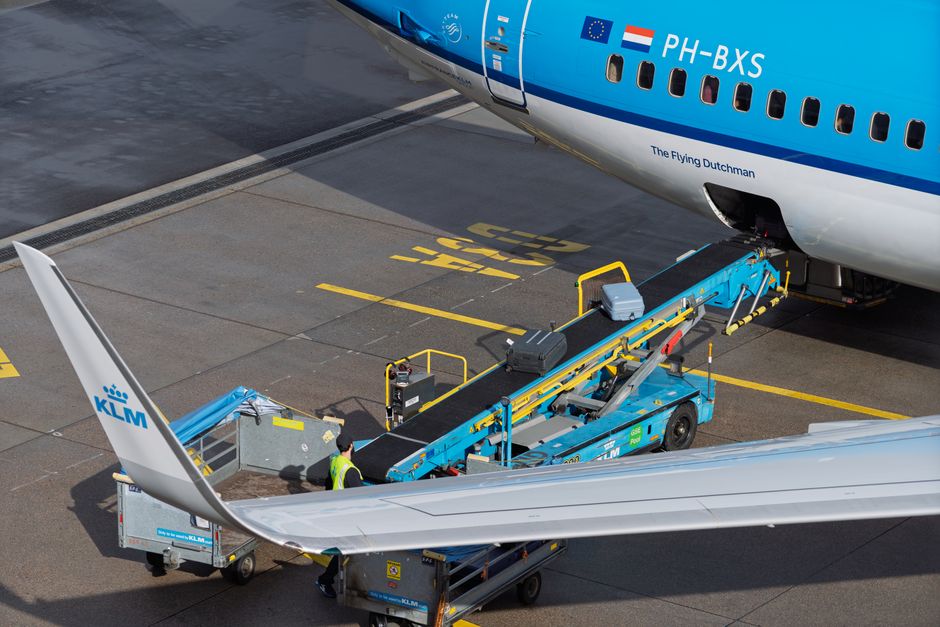
If you’ve ever wondered whether your group, luggage, and gear will push a charter bus past its limits, you’re asking a smarter question than most trip planners ever consider. The maximum weight a charter bus can carry depends on several factors, including the bus model, axle configuration, passenger count, and how much luggage or equipment comes along for the ride. Understanding these limits matters not just for legal compliance but for the safety and comfort of everyone on board.
In this guide, we’ll break down exactly how charter bus weight capacity works, what federal and state regulations require, and how to figure out whether your group’s plans fit within safe limits. Whether you’re organizing a school trip, a corporate retreat, or a cross-country tour, this information will help you plan smarter and avoid costly surprises on travel day.
Why Charter Bus Weight Limits Matter
Weight limits aren’t just a technical detail buried in a manufacturer’s spec sheet. They directly affect how a bus handles on the road, how far it can safely brake, and how much strain it places on tires, axles, and suspension components. An overloaded bus is harder to steer, takes longer to stop, and puts extra stress on mechanical systems that are designed to operate within specific tolerances.
In addition, weight limits are tied to legal regulations enforced by the Department of Transportation (DOT) and individual states. Charter bus companies that ignore these limits risk fines, liability issues, and in the worst cases, catastrophic mechanical failure. As a result, reputable operators build weight management into their planning process long before a bus ever leaves the lot.
Understanding Charter Bus Weight Ratings
To answer the question of maximum carrying capacity, you first need to understand a few technical terms that manufacturers and regulators use to classify vehicle weight. These numbers appear on a vehicle’s certification label and are used by fleet managers to determine safe loading practices.
Curb Weight
Curb weight refers to the weight of the bus itself with no passengers, luggage, or cargo on board, but with a full tank of fuel and all standard equipment installed. For a typical full-size charter bus, curb weight often falls between 25,000 and 30,000 pounds, depending on the manufacturer, engine size, and interior configuration.
Gross Vehicle Weight Rating (GVWR)
The Gross Vehicle Weight Rating is the maximum total weight a vehicle is designed to safely carry, including the bus itself, passengers, luggage, fuel, fluids, and any onboard equipment like restrooms or entertainment systems. This figure is set by the manufacturer and cannot legally be exceeded. Most full-size motorcoaches have a GVWR ranging from 33,000 to 40,000 pounds, though this varies by model.
Payload Capacity
Payload capacity is the difference between curb weight and GVWR. In other words, it’s the amount of additional weight the bus can carry once you subtract the weight of the vehicle itself. This is the number that really determines how many passengers and how much luggage a bus can safely transport.
For example, if a motorcoach has a GVWR of 36,000 pounds and a curb weight of 28,000 pounds, the payload capacity is 8,000 pounds. That 8,000 pounds has to cover every passenger, every suitcase, and any additional gear loaded into the cargo bay.
Gross Axle Weight Rating (GAWR)
Beyond the total vehicle weight, each axle has its own weight rating. The front axle typically carries less weight than the rear axles, and manufacturers specify a maximum for each to prevent uneven wear, poor handling, or structural damage. Even if a bus is under its total GVWR, it can still be out of compliance if too much weight sits over a single axle, particularly the rear axle where passengers tend to cluster and where luggage bays are usually located.
Average Weight Capacity by Charter Bus Size
Charter buses come in a range of sizes, and each size class has a different weight capacity. Knowing the general numbers for each category helps you estimate whether a specific bus can comfortably and legally handle your group.
Mini Buses (18-30 Passengers)
Mini buses typically have a GVWR between 14,500 and 26,000 pounds, depending on the chassis. These vehicles are popular for smaller groups and are often the right fit for organizations exploring options like those covered in our guide on the best charter bus for small groups. Because mini buses are lighter overall, their payload capacity is more limited, which means luggage allowances tend to be stricter.
Mid-Size Buses (30-40 Passengers)
Mid-size charter buses generally fall in the 26,000 to 33,000 pound GVWR range. These are a common choice for groups around 40 people and often strike a good balance between passenger capacity and cargo space. If you’re planning a trip for a group this size, our charter bus rental for 40 people planning guide covers additional considerations beyond weight.
Full-Size Motorcoaches (40-56 Passengers)
Full-size motorcoaches are the workhorses of the charter bus industry, with a GVWR typically between 33,000 and 40,000 pounds. These buses are built for long-distance travel and often include amenities like onboard restrooms, entertainment systems, and reclining seats, all of which add to the vehicle’s overall weight before a single passenger boards. Groups researching options for larger parties often start with our guide on the best charter bus for large groups.
Double-Decker Buses
Double-decker buses can carry more passengers, sometimes upward of 80, but they also have significantly higher curb weights due to the additional structural framework required for a second level. GVWR figures for double-deckers can exceed 40,000 pounds, and weight distribution between the upper and lower decks is a critical engineering consideration.
What Factors Affect a Charter Bus’s Maximum Weight Capacity
The published GVWR is only part of the story. Several real-world factors determine how much of that capacity is actually usable on any given trip.
Passenger Count and Average Weight
Federal guidelines and most bus manufacturers calculate passenger weight using an average figure, historically around 150 to 175 pounds per person, though many companies now use higher averages closer to 175 to 200 pounds to reflect updated population data. This average includes a small allowance for personal items like a purse or backpack, but not full luggage.
If a group’s actual average weight runs higher than the standard assumption, the total passenger load could approach the payload limit faster than expected, even if the seat count isn’t maxed out. This is one reason why operators sometimes recommend slightly larger buses for certain group types, even when the headcount alone wouldn’t require it.
Luggage and Cargo
Luggage adds up quickly. A single checked suitcase can weigh 40 to 50 pounds, and when you multiply that across 40 or 50 passengers, you’re looking at an additional 2,000 to 2,500 pounds just in bags. Add sports equipment, musical instruments, or promotional materials for a conference, and cargo weight can become a significant portion of the total payload.
This is especially important for trips involving overnight stays or multi-day travel, where passengers tend to pack more. If you’re organizing an extended trip, it’s worth reviewing our overnight charter bus trips guide for tips on managing luggage volume alongside weight considerations.
Fuel Load
A full diesel tank on a motorcoach can hold 150 to 200 gallons, and diesel fuel weighs roughly 7 pounds per gallon. That means a full tank alone can add over 1,000 pounds to the vehicle’s weight before passengers even board. Fuel weight is already factored into the curb weight figure, but it’s worth understanding just how much of the vehicle’s overall capacity is already committed before a single passenger or bag is loaded. On longer trips, drivers may also carry extra fuel reserves for remote routes, which can shift the payload balance even further. This is one more reason why the manufacturer’s stated payload capacity should never be treated as a rough estimate. It’s a hard engineering limit that already accounts for a full tank, and adding more weight on top of it, whether from passengers, luggage, or cargo, can quickly push a vehicle past what it was designed to safely carry.
How Weight Limits Vary by Bus Type
Not all charter buses are built the same, and weight capacity varies considerably depending on the size and configuration of the vehicle. Understanding these differences can help you choose the right bus for your group instead of assuming that any vehicle with enough seats will automatically handle the total weight safely.
Mini Buses and Sprinter-Style Shuttles
Smaller shuttle buses and mini coaches, often used for groups of 10 to 25 passengers, typically have a GVWR in the range of 12,000 to 14,500 pounds. Because these vehicles are lighter and built on cutaway or van chassis, their payload capacity is more limited relative to their seat count. Overloading is actually more common with mini buses than with full-size motorcoaches, simply because operators sometimes underestimate how quickly weight adds up in a smaller vehicle. If you’re planning a trip for a smaller group, our charter bus rental guide for 20 people covers how to match vehicle size to group needs without exceeding capacity.
Mid-Size Buses
Mid-size buses, typically seating 25 to 35 passengers, sit in a GVWR range of roughly 19,500 to 26,000 pounds. These vehicles strike a balance between maneuverability and capacity, making them a popular choice for groups that don’t need a full-size motorcoach but still require more room than a shuttle bus. Payload capacity on mid-size buses is generally more forgiving than on mini buses, but it’s still possible to exceed limits if a group is traveling with heavy cargo or equipment.
Full-Size Motorcoaches
Full-size motorcoaches, the type most commonly associated with long-distance charter travel, usually have a GVWR between 33,000 and 40,000 pounds’ worth of the vehicle’s overall capacity is already committed before a single passenger or bag is loaded. On longer trips, drivers may also carry extra fuel reserves for remote routes, which can shift the payload balance even further. This is one more reason why the manufacturer’s stated payload capacity should never be treated as a rough estimate. It’s a hard engineering limit that already accounts for a full tank, and adding more weight on top of it, whether from passengers, luggage, or cargo, can quickly push a vehicle past what it was designed to safely carry.
How Weight Limits Vary by Bus Type
Not all charter buses are built the same, and weight capacity varies considerably depending on the size and configuration of the vehicle. Understanding these differences can help you choose the right bus for your group instead of assuming that any vehicle with enough seats will automatically handle the total weight safely.
Mini Buses and Sprinter-Style Shuttles
Smaller shuttle buses and mini coaches, often used for groups of 10 to 25 passengers, typically have a GVWR in the range of 12,000 to 14,500 pounds. Because these vehicles are lighter and built on cutaway or van chassis, their payload capacity is more limited relative to their seat count. Overloading is actually more common with mini buses than with full-size motorcoaches, simply because operators sometimes underestimate how quickly weight adds up in a smaller vehicle. If you’re planning a trip for a smaller group, our charter bus rental guide for 20 people covers how to match vehicle size to group needs without exceeding capacity.
Mid-Size Buses
Mid-size buses, typically seating 25 to 35 passengers, sit in a GVWR range of roughly 19,500 to 26,000 pounds. These vehicles strike a balance between maneuverability and capacity, making them a popular choice for groups that don’t need a full-size motorcoach but still require more room than a shuttle bus. Payload capacity on mid-size buses is generally more forgiving than on mini buses, but it’s still possible to exceed limits if a group is traveling with heavy cargo or equipment.
Full-Size Motorcoaches
Full-size motorcoaches, the type most commonly associated with long-distance charter travel, usually have a GVWR between 33,000 and 40,000 pounds, with curb weights ranging from roughly 25,000 to 30,000 pounds. That leaves anywhere from 8,000 to 12,000 pounds of payload capacity for passengers, luggage, and cargo, depending on the model. These are the vehicles most commonly used for groups of 40 to 56 passengers, and their higher payload ceiling makes them well suited for longer trips where luggage volume tends to be higher. Groups planning trips in this size range often find helpful details in our charter bus rental guide for 40 people and our charter bus rental guide for 60 people, both of which touch on how vehicle size relates to comfort and capacity.
Double-Decker Buses
Double-decker buses are less common in the charter market but are sometimes used for large group tours or sightseeing trips. These vehicles have a higher GVWR, often exceeding 40,000 pounds, but they also carry more structural weight due to their two-level design. Weight distribution becomes especially important on double-deckers, since uneven loading between the upper and lower decks can affect the vehicle’s center of gravity and handling. Operators running double-decker routes typically have strict protocols for balancing passenger and luggage placement across both levels.
Federal and State Weight Regulations
Charter bus weight limits aren’t just a matter of manufacturer specifications. They’re also governed by federal and state transportation laws designed to protect road infrastructure and public safety. Understanding these regulations helps explain why operators are so strict about payload limits, even when a bus doesn’t look or feel overloaded.
Federal Motor Carrier Safety Administration (FMCSA) Rules
The FMCSA sets safety standards for commercial motor vehicles operating across state lines, including weight-related requirements. While the FMCSA doesn’t set a single nationwide weight limit for every bus, it requires that operators comply with the vehicle’s GVWR and GAWR as certified by the manufacturer. Operators who knowingly exceed these ratings can face violations during roadside inspections, which can result in the vehicle being placed out of service until the excess weight is addressed.
Federal Bridge Formula
One of the more technical but important regulations affecting bus weight is the Federal Bridge Formula, also known as the Bridge Gross Weight Formula. This formula limits the amount of weight that can be placed on any group of axles based on the distance between them, in order to prevent excessive stress on bridges and roadways. Even if a bus is within its overall GVWR, it could still violate bridge formula limits if weight is distributed unevenly across the axles. This is part of why proper loading, not just total weight, matters so much in commercial vehicle operations.
State-Level Weight Limits
Individual states can impose their own weight restrictions on top of federal rules, particularly for specific roads, bridges, or seasonal conditions like spring thaw weight restrictions in colder climates. Charter bus operators running routes across multiple states need to be aware of these variations, since a route that’s fine in one state could technically violate a lower weight threshold in another. Reputable operators build this knowledge into their route planning, which is one of the advantages of working with an established charter company rather than trying to coordinate transportation independently.
Axle Weight Limits
Beyond the GVWR, buses are also subject to specific axle weight limits, often referred to as Gross Axle Weight Rating (GAWR). A typical motorcoach might have a front axle limit around 12,000 to 13,000 pounds and a rear axle (or tandem axle) limit closer to 20,000 to 21,000 pounds. Because passengers and luggage aren’t perfectly evenly distributed throughout the bus, it’s possible for one axle to approach its limit even when the vehicle’s total weight is within the overall GVWR. This is another reason experienced drivers pay close attention to how passengers are seated and where luggage is stored, particularly on buses that are close to full capacity.
How to Estimate Whether Your Group Fits Within Weight Limits
Most travelers will never need to do detailed weight calculations themselves, since reputable charter companies handle this as part of standard trip planning. Still, understanding the basic math can help you have more informed conversations with an operator, especially if your group has unusual weight considerations.
Step 1: Start With the Bus’s Payload Capacity
Ask your charter company for the specific vehicle’s payload capacity, which is the GVWR minus the curb weight. This figure represents the maximum combined weight of passengers, luggage, and any additional cargo the bus can carry.
Step 2: Estimate Passenger Weight
Multiply your expected passenger count by an average weight estimate. Many planners use a range of 150 to 180 pounds per adult passenger as a starting point, though this should be adjusted upward for groups where higher average weights are expected, such as adult sports teams or corporate groups traveling with heavier equipment.
Step 3: Add Luggage and Cargo Weight
Estimate luggage weight based on trip length and purpose. A single day trip might only require a small bag per person, adding minimal weight, while a multi-day trip could mean 40 to 50 pounds of luggage per passenger. Don’t forget to account for any additional cargo like sports equipment, display materials, or musical instruments.
Step 4: Compare Totals to the Payload Limit
Add your estimated passenger weight and luggage weight together, then compare that total to the bus’s payload capacity. If your estimated total is close to or exceeds the payload limit, it’s worth discussing options with your charter provider, such as moving to a larger vehicle or reducing checked luggage per passenger.
For groups planning a longer or multi-stop trip, this kind of planning becomes even more important. Our long-distance charter bus travel tips guide offers additional advice on preparing for trips where luggage and passenger weight are more likely to add up.
What Happens If a Charter Bus Is Overweight?
Exceeding a bus’s weight capacity isn’t just a technicality. It creates real risks that affect everyone on board, as well as other drivers sharing the road.
Safety Risks
Overloaded vehicles take longer to stop, are harder to steer, and are more prone to tire failure due to excess stress on the tires and suspension system. In emergency maneuvers, an overweight bus may not respond the way the driver expects, increasing the risk of an accident. Braking distance in particular increases significantly with added weight, which can be the difference between stopping safely and a collision.
Mechanical Strain
Carrying weight beyond the manufacturer’s rating puts extra strain on the engine, transmission, brakes, and tires. Over time, this can accelerate wear and increase the likelihood of a mechanical failure, particularly on long trips or routes with steep grades. A breakdown mid-route isn’t just inconvenient, it can leave a group stranded and create safety concerns of its own.
Legal and Regulatory Consequences
If a bus is stopped for a roadside inspection and found to be overweight, it can be cited and, in some cases, placed out of service until the load is reduced. This can cause significant delays for a group’s itinerary, and it also creates liability exposure for the operator. Reputable charter companies have strong incentives to avoid this situation entirely, which is part of why they ask detailed questions about group size, luggage, and cargo during the booking process.
Insurance Implications
In the event of an accident involving an overweight vehicle, insurance claims can become significantly more complicated. Insurers may investigate whether the vehicle was operating within its rated capacity at the time of the incident, and any violation can affect coverage or liability determinations. This is yet another reason why weight limits aren’t something operators treat casually.
Tips for Staying Within Weight Limits When Planning a Trip
Whether you’re organizing a school trip, a corporate event, or a long weekend getaway, a little upfront planning can go a long way toward avoiding weight-related surprises.
- Be upfront about group size and luggage needs. Give your charter company an accurate headcount and let them know if your group will be carrying more than a standard carry-on or single suitcase per person.
- Mention any heavy cargo in advance. Sports equipment, instruments, display booths, or promotional materials should be flagged during booking so the operator can plan for the extra weight or recommend a larger vehicle if needed.
- Ask about the specific vehicle’s payload capacity. Not all buses in a company’s fleet have identical specifications, so it’s worth confirming details for the exact vehicle assigned to your trip, especially for large or heavy groups.
- Consider group demographics. If your group’s average weight is likely to be higher than a typical estimate, such as an adult team traveling with gear, factor that into your vehicle size decision rather than choosing based on seat count alone.
- Distribute luggage evenly. Encourage drivers and staff to load luggage evenly across the bay to avoid concentrating weight on one side or axle.
- Plan ahead for multi-day trips. Longer trips typically mean more luggage per person, so build that into your vehicle selection process well before departure. Our pre-trip planning checklist can help make sure nothing gets overlooked.
- When in doubt, size up. If your group is close to the seating capacity of a given bus and also has significant luggage or cargo, choosing a slightly larger vehicle often provides a more comfortable margin than trying to maximize every available pound of payload.
Choosing the Right Bus Size for Your Group
Weight capacity is just one piece of the puzzle when selecting a charter bus, but it’s a piece that’s easy to overlook if you’re only thinking about seat count. A bus that technically has enough seats for your group might still be a poor fit if your group’s total weight, including luggage, pushes close to the payload limit. This is especially true for groups with above-average luggage needs, heavier cargo, or a higher-than-typical average passenger weight.
For large groups in particular, it’s worth reviewing our guide on choosing the right charter bus for large groups, which covers how to balance seating capacity, comfort, and practical considerations like luggage space. Smaller groups aren’t immune from these considerations either. Our guide on choosing the right charter bus for small groups explains why a smaller vehicle isn’t automatically the right choice just because the headcount is lower, particularly when luggage or equipment needs are significant.
Ultimately, the safest and most efficient approach is to be transparent with your charter provider about every factor that adds weight to the trip: passenger count, estimated luggage, any additional cargo, and the nature of the trip itself. A knowledgeable charter company will use that information to recommend a vehicle that comfortably handles both the people and the payload, rather than one that’s simply large enough to seat everyone.
Frequently Asked Questions
What is the average maximum weight capacity for a full-size charter bus?
Most full-size motorcoaches have a Gross Vehicle Weight Rating between 33,000 and 40,000 pounds, with a payload capacity, after accounting for curb weight, of roughly 8,000 to 12,000 pounds for passengers, luggage, and cargo combined.
Does the number of seats on a bus guarantee it can carry that many passengers safely?
Not necessarily. Seat count reflects available space, but the actual weight limit depends on the bus’s payload capacity. In rare cases involving unusually heavy passenger loads or excessive luggage, a fully seated bus could still approach or exceed its weight rating even if every seat is technically filled.
How much does luggage typically add to a charter bus’s total weight?
A single suitcase can weigh 40 to 50 pounds, so a group of 40 to 50 passengers each checking one bag could add 1,600 to 2,500 pounds in luggage alone. Multi-day trips or groups traveling with sports equipment or other cargo can push that figure even higher.
What happens if a charter bus is found to be overweight during an inspection?
An overweight bus can be cited by regulators and, in some cases, placed out of service until the load is reduced to a safe level. This can cause delays for the group and creates liability concerns for the operator, which is why reputable companies work hard to avoid overloading in the first place.
How can I make sure my group’s charter bus isn’t overloaded?
Be upfront with your charter company about group size, estimated luggage, and any additional cargo like equipment or promotional materials. A reputable operator will factor this information into vehicle selection and can recommend a larger bus if your group’s total weight is likely to be a concern.
Final Thoughts
The maximum weight a charter bus can carry isn’t a single fixed number, it depends on the specific vehicle, its GVWR, its curb weight, and how passengers, luggage, and cargo combine to fill the available payload capacity. While most everyday trips fall comfortably within these limits, groups with heavier-than-average passengers, significant luggage, or bulky equipment should think beyond seat count when choosing a bus. Working with an experienced charter provider, being honest about your group’s needs, and asking the right questions about a vehicle’s payload capacity are the simplest ways to ensure your trip stays safe, comfortable, and fully compliant with weight regulations from start to finish.