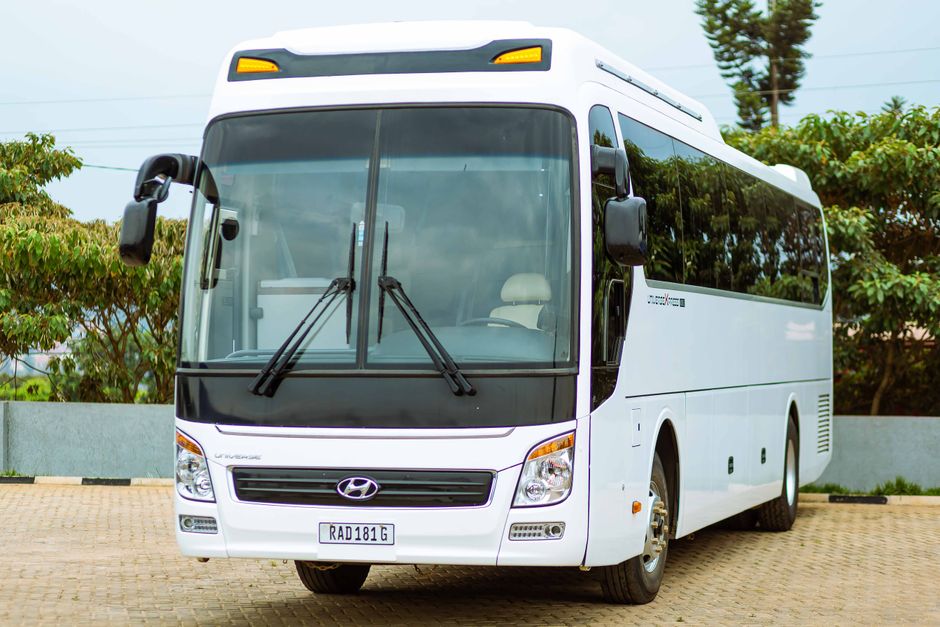
How to Negotiate a Better Charter Bus Price: A Complete Guide


Booking a charter bus for a school trip, wedding, corporate event, or family reunion can feel like navigating a maze of quotes, fees, and fine print. Prices swing wildly between companies for what looks like the same service, and most travelers simply accept the first number they’re given. But if you know how to negotiate a better charter bus price, you can often save hundreds or even thousands of dollars without sacrificing safety or comfort.
In this guide, you’ll learn exactly how charter bus pricing works, what factors give you leverage, and the specific negotiation tactics that experienced group travel planners use every day. You’ll also get a sample script for approaching bus companies, a list of questions to ask before you sign anything, and answers to the most common questions travelers have about charter bus costs.
Why Charter Bus Prices Vary So Much
If you’ve requested quotes from three or four charter bus companies for the same trip, you’ve probably noticed the numbers don’t match up at all. One company might quote $1,200 for a day trip while another quotes $2,400 for the exact same route and bus size. This isn’t random. Several factors drive these differences, and understanding them is the first step toward negotiating effectively.
Fleet Age and Availability
Companies with newer fleets often charge more because they factor in higher maintenance and financing costs. On the other hand, a company with an older bus sitting idle on your travel date may be more willing to offer a discount just to keep that vehicle generating revenue.
Distance, Route, and Fuel Costs
Fuel prices fluctuate, and many operators build a fuel surcharge into their quotes. Longer routes, mountainous terrain, or trips through high-toll states can also push prices up. If your trip involves scenic or remote routes, such as those covered in our guide to the best scenic routes for charter bus groups in Colorado, expect pricing to reflect the extra driving time and road conditions.
Seasonal Demand
Prom season, graduation weekends, major holidays, and summer months are peak periods for charter bus companies. Demand is high, and so is pricing. Booking during a slower season, or even a slower day of the week, can dramatically change what a company is willing to charge.
Group Size and Bus Type
A 15-passenger minibus costs less to operate than a 56-passenger motorcoach, but price per seat isn’t always lower on smaller vehicles. If you’re unsure what size bus fits your group, resources like our guides on the best charter bus for 25 passengers, the best charter bus for 35 passengers, and the best charter bus for 45 passengers can help you right-size your booking before you even start negotiating.
Understanding How Charter Bus Companies Price Their Services
Before you can negotiate a better charter bus price, you need to understand what actually goes into a quote. Charter bus companies typically calculate pricing using a combination of the following:
- Base hourly or mileage rate: Many companies charge either by the hour, by the mile, or a flat day rate, whichever is higher for that particular trip.
- Driver wages and overtime: Federal hours-of-service regulations limit how long a driver can be on duty, so long trips may require a second driver or an overnight stay, which adds cost.
- Fuel surcharges: These are often added separately and can vary week to week based on diesel prices.
- Tolls and parking fees: Some companies build these into the quote; others bill them separately after the trip.
- Driver accommodations: For multi-day trips, someone has to pay for the driver’s hotel room. If you’re unsure who’s responsible, our article on who pays for driver hotels breaks down the industry standard.
- Insurance and licensing costs: Reputable companies carry commercial insurance well above the legal minimum, and that cost gets baked into every quote.
- Cleaning and turnaround fees: Especially post-2020, many companies charge for enhanced cleaning between trips.
Once you understand these line items, you can start asking pointed questions about which ones are negotiable and which ones are fixed costs the company can’t budge on.
Step One: Get Multiple Quotes Before You Negotiate Anything
You can’t negotiate from a position of strength if you only have one quote in hand. As a rule, request pricing from at least three to five charter bus companies before making a decision. This gives you real market data and, more importantly, leverage.
When comparing quotes, don’t just look at the bottom-line number. Break each quote down into its components: base rate, fuel surcharge, gratuity, tolls, and any add-on fees. Our detailed walkthrough on how to compare charter bus quotes explains exactly what to look for line by line, which will make your negotiation conversations far more productive.
Ask for an Itemized Quote, Not Just a Total
A company that hands you a single number without breaking down costs is harder to negotiate with because you don’t know where the flexibility lies. Politely ask for an itemized breakdown. Most legitimate operators will provide one, and doing so often reveals fees you can question or ask to have waived.
Use a Standardized Request for Every Company
Send the exact same trip details, dates, times, pickup and drop-off locations, passenger count, and amenities needed, to every company you contact. This ensures you’re comparing apples to apples, and it prevents a company from later claiming their quote was based on different assumptions.
How to Negotiate a Better Charter Bus Price: Proven Tactics
Now that you understand pricing structure and have multiple quotes in hand, it’s time to actually negotiate. Here are the strategies that consistently work, whether you’re booking for a school district, a corporate retreat, or a family event.
1. Leverage Competing Quotes Directly
The single most effective negotiation tactic is transparency about competition. Once you have quotes from several companies, tell your top choice, “I have a quote from another licensed operator for this same trip at $X. I’d like to book with you, but I need you to match or beat that price.” Reputable companies expect this kind of conversation, especially during slower booking periods, and many have some room to adjust their quote rather than lose the booking entirely. The key is to be specific and honest. Don’t invent a competing quote, because experienced sales reps can often tell when a number doesn’t add up, and getting caught bluffing destroys your credibility for the rest of the conversation. Instead, have the actual quote in front of you, ready to reference dates, vehicle type, and total price so the comparison is legitimate.
2. Ask About Off-Peak Pricing and Flexible Dates
Charter bus pricing is heavily influenced by demand, and demand shifts dramatically based on the calendar. Friday and Saturday trips, especially during prom season, wedding season, and major holidays, command premium rates because every operator in the region is booked solid. If your event has any flexibility at all, ask the company directly, “Is there a day or time that would get us a better rate?” Weekday trips, especially Tuesday through Thursday, are often 10 to 20 percent cheaper than weekend bookings because buses and drivers would otherwise sit idle. Similarly, early morning or midday departures can be less expensive than trips that run into evening hours, since evening trips sometimes trigger driver overtime pay under federal hours-of-service rules.
If you’re planning a corporate event, school trip, or family reunion, building in a little scheduling flexibility can translate into real savings. Even shifting a Saturday wedding shuttle to a Friday rehearsal-adjacent schedule, or moving a corporate outing from a Friday to a Wednesday, can open up pricing that simply isn’t available during peak demand windows.
3. Negotiate the Add-Ons, Not Just the Base Rate
Many renters focus all their negotiating energy on the headline price per hour or per mile, but the base rate is often the least flexible part of a quote. Add-on fees, on the other hand, frequently have more wiggle room because they aren’t as tightly tied to fuel costs, driver wages, or vehicle depreciation. Ask specifically about:
- Cleaning fees: Some companies charge a flat cleaning fee regardless of trip length. Ask if this can be reduced or waived for shorter trips.
- Fuel surcharges: These are sometimes padded beyond actual fuel cost increases. Ask for the calculation behind the surcharge and whether it can be capped.
- Amenity fees: Wifi, restroom-equipped buses, and premium seating sometimes carry extra charges that can be bundled into the base rate instead of itemized separately.
- Overtime buffers: If your itinerary has some built-in slack, ask whether the company can adjust the estimated hours to avoid triggering an automatic overtime fee.
Because these fees are calculated with more internal flexibility than the base hourly or mileage rate, they are often the easiest place for an operator to say yes to a discount without cutting into their core margin.
4. Offer to Pay Faster or Book Further in Advance
Cash flow matters to charter bus companies just as much as it does to any other business. If you can offer a faster payment timeline, such as paying the full balance at booking instead of the standard 30 days before departure, some operators will shave a percentage off the total price in exchange for the certainty and improved cash flow. Similarly, booking three or four months ahead of your trip date, rather than three or four weeks, gives a company more scheduling certainty and reduces their risk of having an idle bus. Some companies offer an explicit early-booking discount, while others will apply one informally if you ask.
This tactic works especially well for large events like graduations, festivals, or corporate conferences that are planned well in advance. If you already know your dates six months out, use that lead time as a bargaining chip rather than waiting until the last minute, when your leverage disappears and operators know you have fewer options remaining.
5. Bundle Multiple Trips or Sign a Recurring Contract
If your organization needs charter bus service more than once, whether it’s a school district running weekly athletic trips, a corporation shuttling employees to a series of events, or a wedding party needing both a rehearsal dinner shuttle and a wedding day shuttle, bundling those trips into a single contract gives you significant negotiating leverage. Operators value repeat business because it reduces their own marketing and sales costs, and many are willing to offer a discounted rate per trip in exchange for a guaranteed volume of business over a season or year.
When approaching a company about a bundled contract, come prepared with a rough schedule of all the trips you anticipate needing, even if some details are still tentative. Ask directly, “If we commit to booking all of these trips with you, what kind of rate can you offer compared to booking each one individually?” Companies that manage recurring school, government, or corporate contracts often have tiered pricing structures ready to go, and are used to putting together custom package pricing for exactly this kind of request. If your organization frequently needs vehicles for official duties, our guide to charter bus service for government travel covers additional considerations around contracts, compliance, and procurement that are worth reviewing before you sign anything long-term.
6. Ask About Repositioning Fees and Deadhead Miles
One of the most overlooked line items in charter bus pricing is the cost of getting the bus to your pickup location and back to its home terminal afterward, often called a repositioning fee or deadhead charge. If your pickup or drop-off point is far from the bus company’s garage, this fee can add hundreds of dollars to your total quote. It’s worth asking directly whether a company with a closer terminal to your location might offer a lower total price simply because they have less deadhead mileage to cover.
This is also a good opportunity to negotiate. Ask if the repositioning fee is negotiable, especially if your trip falls on a day when the company already has other business in your area. Sometimes operators can combine repositioning with another job, reducing or eliminating the fee altogether, but only if you ask specifically rather than accepting the itemized fee at face value.
7. Negotiate Group Size Flexibility
Pricing per bus doesn’t scale perfectly with passenger count, which means the cost per person can vary widely depending on which size vehicle you book. If your group size is close to a breakpoint, such as 30 passengers when a standard motorcoach seats 56, ask the company whether a smaller vehicle, like a 35-passenger option, would come with meaningfully lower pricing. Our comparison guides on the best charter bus for 35 passengers and the best charter bus for 45 passengers can help you figure out which vehicle size actually matches your group, so you’re not overpaying for capacity you don’t need.
On the flip side, if you’re right at the edge of needing two smaller buses instead of one larger one, ask for pricing on both configurations. Sometimes a single larger vehicle costs less overall than two smaller ones, even though it might seem counterintuitive, because you’re only paying for one driver, one fuel surcharge, and one base rate instead of two of each.
8. Time Your Outreach Call Strategically
Believe it or not, when you call matters. Reaching out early in the week, particularly Tuesday or Wednesday mornings, tends to get you a more attentive sales representative than calling on a hectic Friday afternoon when staff are focused on finalizing weekend logistics. Representatives who aren’t rushed are more likely to spend time walking through your itinerary in detail and looking for ways to build a competitive quote, rather than giving you a quick, padded estimate just to get you off the phone.
Timing Strategies That Save Real Money
Beyond the specific negotiation tactics above, understanding the broader timing patterns in the charter bus industry can help you plan your outreach and booking schedule for maximum savings.
Book During the Off-Season When Possible
Charter bus demand isn’t steady throughout the year. Spring is dominated by prom season and school field trips, early summer sees a surge in graduation and wedding bookings, and fall brings corporate events and athletic team travel. Winter months, particularly January and February outside of the holiday travel window, tend to be the slowest period for most operators. If your trip has any date flexibility, targeting an off-season window can result in noticeably lower quotes simply because operators have more available inventory and are more motivated to fill their schedules.
Avoid Last-Minute Bookings Unless You Have No Choice
Booking a charter bus with only a few days’ notice puts you in the weakest possible negotiating position. Operators know that a renter who needs a bus in 72 hours has very few alternatives, and pricing for last-minute bookings often reflects that lack of leverage with rush fees or premium rates. If you can plan even a few weeks ahead, you dramatically expand your options and your ability to negotiate. For unavoidable last-minute situations, focus your energy on calling multiple companies quickly rather than trying to negotiate hard with just one, since availability, not price, becomes the primary constraint.
Watch for Seasonal Industry Shifts
The charter bus industry, like most transportation sectors, responds to broader economic trends including fuel prices, driver shortages, and shifting travel demand. Staying informed about these trends can help you time your negotiations more effectively. Our charter bus industry outlook breaks down what renters can expect in terms of pricing trends, driver availability, and vehicle demand in the coming years, which is useful context to bring into any negotiation, especially if you’re locking in a long-term or recurring contract.
Negotiating for Different Types of Groups
Not every charter bus rental looks the same, and your negotiating approach should reflect the specific needs and constraints of your group. Here’s how the strategy shifts depending on who you’re booking for.
School and Youth Groups
Schools and youth organizations often have strict budget approval processes and firm per-trip spending caps, which actually works in your favor during negotiations. Being upfront with an operator that your board or administration has approved a maximum budget of a specific dollar amount often prompts a company to work backward from that number to build a compliant itinerary rather than starting from their standard rate card. Schools should also ask specifically about safety certifications, driver background checks, and vehicle inspection records, since these factors matter more for youth transportation than almost any other category. If you’re organizing transportation that includes younger children, our guide on choosing the best charter bus for kids covers safety features and amenities worth prioritizing before you even get to the price conversation.
Corporate and Government Groups
Corporate travel planners often have more flexibility with budget but higher expectations around amenities, punctuality, and professionalism. When negotiating on behalf of a company, emphasize the potential for repeat business across multiple departments or annual events, since this is a strong incentive for operators to offer preferred pricing. Government agencies face additional procurement rules, competitive bidding requirements, and compliance standards that directly affect how negotiations unfold. Our detailed guide to charter bus for government travel walks through procurement procedures and compliance documentation that can streamline the negotiation and approval process considerably.
Weddings and Private Events
Wedding transportation is one of the more emotionally driven booking categories, and vendors sometimes price accordingly, assuming couples won’t push back during an already stressful planning period. Don’t fall into that trap. Treat your wedding shuttle negotiation exactly like any other business transaction: get multiple quotes, ask for itemized pricing, and don’t be afraid to negotiate simply because the word “wedding” is attached to the booking. If your wedding falls on a popular Saturday during peak wedding season, consider whether a Friday rehearsal dinner shuttle and Saturday wedding shuttle could be bundled with the same company for a combined discount. For inspiration on structuring transportation around a full event weekend, our listicle on the best charter bus for events covers a range of scenarios, including weddings, that can help you think through what you actually need before requesting quotes.
Senior and Accessibility-Focused Groups
Groups traveling with elderly passengers or individuals who require mobility accommodations should factor accessibility equipment directly into their negotiations, since ADA-compliant vehicles sometimes carry different pricing than standard motorcoaches. Rather than treating accessibility as a last-minute add-on that increases your price, mention it upfront when requesting quotes so operators can give you an accurate baseline from the start. Our guides on choosing the best charter bus for elderly travelers and understanding which charter buses have ADA lifts can help you ask more informed questions during the quoting process, ensuring you’re negotiating price on a vehicle that actually meets your group’s needs, not a stripped-down option that will require an expensive last-minute upgrade.
Red Flags That Signal a Deal Is Too Good to Be True
Aggressive negotiating is smart, but it’s important to recognize when a quote that seems unusually low is actually a warning sign rather than a win. Charter bus pricing has a realistic floor based on fuel, driver wages, insurance, and vehicle maintenance costs, and a company that drops far below that floor to win your business may be cutting corners in ways that could put your group at risk.
Watch for These Warning Signs
- No proof of USDOT or MC operating authority: Every legal interstate charter bus operator must be registered with the Federal Motor Carrier Safety Administration and carry a valid USDOT number. You can verify a company’s safety record and authority directly through the FMCSA Safety Measurement System before signing any contract.
- Refusal to provide a written contract: A legitimate operator will always put pricing, cancellation terms, and trip details in writing. Verbal-only agreements leave you with no recourse if something goes wrong.
- Unusually vague answers about driver qualifications: Ask directly about driver licensing, hours-of-service compliance, and background checks. Hesitation or vague answers here are a serious red flag.
- Demanding full payment far in advance with no formal contract: While deposits are standard, a company demanding 100 percent payment weeks before the trip with minimal documentation is a common pattern among unreliable brokers rather than actual carriers.
- Prices dramatically below every other quote: If one quote is 40 or 50 percent lower than every other quote you received for the identical itinerary, treat it with suspicion rather than excitement, and ask pointed questions about how they’re able to offer that rate.
Negotiating hard is about finding the real discount hiding within a legitimate quote, not about chasing the lowest number on the page regardless of what’s behind it. A bus that shows up late, breaks down, or is operated by an unqualified driver will cost you far more in the end, both financially and in terms of the disruption to your event.
Common Mistakes That Weaken Your Negotiating Position
Just as there are tactics that strengthen your position at the negotiating table, there are common missteps that undercut your leverage before the conversation even really starts.
Waiting Until the Last Minute
As mentioned earlier, time pressure kills negotiating leverage. The renter who calls three days before their trip has almost no room to negotiate because availability, not price, becomes the primary concern. Starting your search at least four to six weeks in advance, and ideally two to three months ahead for larger events, preserves your ability to compare options and push back on pricing.
Only Getting One Quote
Without a second or third quote to reference, you have no real basis for comparison and very little credibility when you ask a company to lower their price. Always request quotes from at least three different operators before entering serious negotiations.
Being Vague About Your Itinerary
Operators price conservatively when details are unclear, often padding estimates to account for unknowns like extra stops, longer wait times, or uncertain mileage. Providing a precise, detailed itinerary, including exact addresses, expected wait times at each stop, and a realistic total mileage estimate, removes the need for that padding and typically results in a tighter, more accurate quote from the start.
Focusing Only on the Bottom Line Number
A lower total price isn’t always a better deal if it comes with a less experienced driver, an older vehicle, or a company with a spotty safety record. Negotiate the price, but weigh it against the full picture, including the company’s reviews, safety history, and the specific vehicle being offered.
Not Asking About Cancellation and Refund Terms Before Signing
Price isn’t the only term worth negotiating. Cancellation policies vary significantly between operators, and a slightly higher quote with a more flexible cancellation window can actually be the better financial decision if your event has any uncertainty attached to it. Before finalizing any contract, review our charter bus refund policy guide so you understand what’s standard in the industry and can negotiate more favorable terms if the initial contract language is too rigid for your situation.
What You Should Never Sacrifice to Get a Lower Price
While there’s plenty of room to negotiate fees, timing, and add-ons, certain elements of a charter bus rental should never be compromised for the sake of a lower price.
Safety Compliance and Licensing
Never agree to a lower price in exchange for skipping proper documentation, insurance verification, or driver credential checks. A company willing to cut corners on safety compliance to win your business on price is a company you don’t want responsible for your group’s transportation.
Adequate Vehicle Capacity
Don’t let a lower price tempt you into booking a smaller vehicle than your group actually needs. Overcrowding isn’t just uncomfortable, it can violate seating regulations and create safety hazards. If you’re unsure what size vehicle fits your group, resources like our guide to the best charter bus for 25 passengers and the best charter bus for 15 passengers can help you match your group size to the right vehicle before you start negotiating price.
Realistic Trip Timing
Don’t agree to an unrealistic schedule just because it comes with a lower price tag. Federal hours-of-service regulations limit how long a driver can be on duty, and a company offering a deeply discounted rate that requires cutting corners on required rest breaks is putting your group at risk. If overnight travel is part of your itinerary, our guide on who pays for driver hotels explains how legitimate multi-day trip costs are typically structured, which is useful context if a suspiciously cheap quote seems to be skipping this requirement entirely.
A Sample Negotiation Script You Can Use
If you’re not naturally comfortable negotiating, having a script or template to work from can make the process much easier. Here’s a sample structure you can adapt when reaching out to a company after receiving their initial quote:
“Thank you for sending over the quote for our trip on [date]. We’re currently comparing a few options for this same itinerary, and we’ve received a quote from another licensed operator at $[amount] for a comparable vehicle. We’d really like to work with your company based on [specific reason, such as reviews, vehicle type, or past experience], but we need the pricing to be more competitive. Is there any flexibility on the total price, or on fees like [specific fee], to help us make this work?”
This kind of message accomplishes several things at once. It’s polite and professional, it references a specific competing number rather than a vague claim, it gives the company a reason beyond price to want your business, and it asks a direct, answerable question rather than making a demand. Most sales representatives respond well to this approach because it respects their time while still making clear that you’re a serious, informed shopper.
Frequently Asked Questions About Negotiating Charter Bus Prices
Is it actually possible to negotiate charter bus prices, or are they fixed?
Charter bus prices are rarely completely fixed. While base rates tied to fuel and driver wages have less flexibility, fees, timing, and package pricing often do have room for negotiation, especially when you have competing quotes and some flexibility in your dates.
How many quotes should I get before negotiating?
Aim for at least three quotes from licensed, insured operators for the exact same itinerary. This gives you a reliable price range to reference and strengthens your position when asking any single company to improve their offer.
Does booking early actually save money on charter bus rentals?
In most cases, yes. Booking several weeks or months in advance gives operators more scheduling certainty and often unlocks early-booking discounts, while last-minute bookings typically come with premium pricing due to limited availability.
What’s the biggest mistake people make when negotiating charter bus prices?
The most common mistake is accepting the first quote without comparison shopping, or negotiating aggressively on price while ignoring the fine print around cancellation policies, driver qualifications, and included fees, which can end up costing more in the long run.
Should I be suspicious of a quote that’s much lower than all the others?
Yes. A quote that’s dramatically lower than every other legitimate offer for the same itinerary often signals a company that’s unlicensed, uninsured, or cutting corners on safety and maintenance. Always verify a company’s USDOT number and safety record before accepting an unusually low price.
Final Thoughts
Negotiating a better charter bus price isn’t about finding a trick or a secret discount code, it’s about doing the groundwork of comparing multiple quotes, understanding exactly what goes into a fare, and asking clear, specific questions that give an operator a real reason to work with your budget. The renters who consistently get the best deals aren’t the ones who simply demand a lower number, they’re the ones who show up informed, flexible on timing when possible, and ready to make a decision once a fair price is on the table.
Use the tactics in this guide as a starting point, adapt them to your specific group and event, and don’t be afraid to walk away from a quote that doesn’t add up, whether the concern is price, safety, or simple gut instinct about the company you’re talking to. With a little preparation and the right questions, you can secure a charter bus rental that fits your budget without compromising on safety, comfort, or reliability for your group.