Can Charter Buses Go to National Parks? A Complete Guide

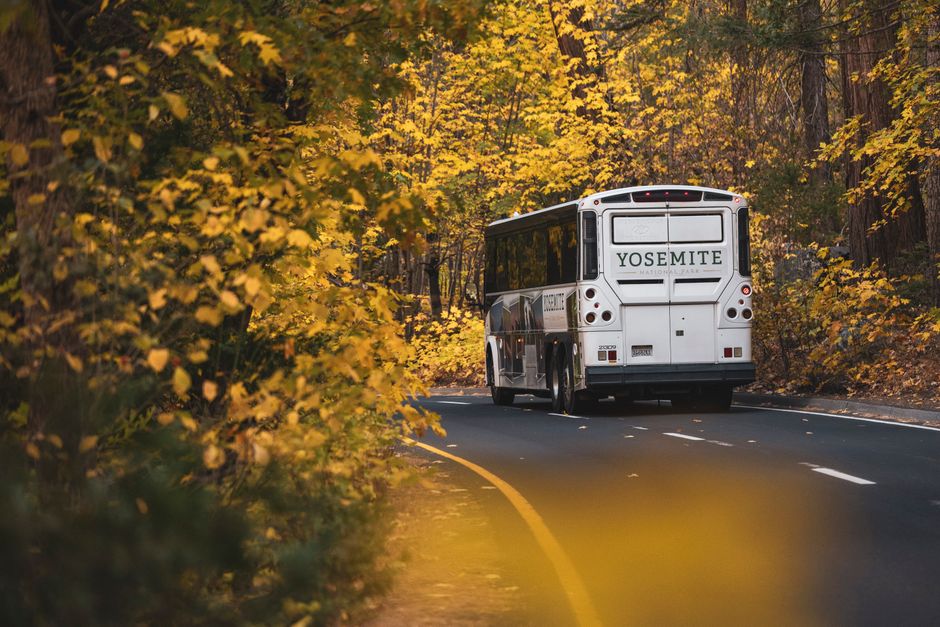
Every year, millions of visitors flock to America’s national parks, and many of them arrive together on a bus rather than in a caravan of separate cars. If you’re planning a group trip to a park like Yellowstone, Zion, or the Great Smoky Mountains, you’re probably wondering: can charter buses go to national parks? The short answer is yes, but the full answer involves permits, road restrictions, seasonal rules, and some planning that most travelers never think about until it’s too late.
In this guide, we’ll walk through exactly how charter buses to national parks work, which parks are easiest (and hardest) to navigate with a large vehicle, what permits your operator needs, and how to plan a smooth, stress-free group trip. Whether you’re organizing a school field trip, a family reunion, a corporate retreat, or a tour for retirees, this article covers everything you need to know before you book.
Yes, Charter Buses Can Go to National Parks
Charter buses are allowed in the vast majority of national parks across the United States. In fact, group bus travel is one of the most common and efficient ways to visit high-traffic parks, since it reduces the number of individual vehicles competing for limited parking spaces. The National Park Service (NPS) actively accommodates commercial motorcoaches, tour buses, and charter vehicles, though it does regulate how, when, and where they can operate.
That said,
For related reading, see our guide on Charter Bus Rental for Theme Parks: The Complete Planning Guide.
there are a handful of important restrictions and logistics that every group leader, tour operator, and driver needs to understand before rolling up to a park entrance with a 40-foot motorcoach. Some parks limit motorcoach access to certain roads, some require advance notice or commercial vehicle permits, and a few have seasonal closures that can catch first-time planners off guard. Understanding these rules ahead of time is the difference between a smooth, scenic group trip and a frustrating scramble at the gate.
Permits and Regulations Charter Bus Operators Need
Most national parks fall under the jurisdiction of the National Park Service, and the NPS requires commercial vehicles, including charter buses, motorcoaches, and tour vans, to obtain a Commercial Use Authorization (CUA) or an Incidental Business Permit (IBP) before operating within park boundaries. These permits are typically held by the charter bus company or tour operator, not the individual passengers, so travelers generally don’t need to worry about the paperwork themselves. However, it’s worth confirming with your bus provider that they hold valid permits for the specific park (or parks) you plan to visit, since permits are park-specific and don’t automatically transfer from one location to another.
A Commercial Use Authorization is required when a business is providing a service to visitors inside the park, such as guided tours, transportation, or lodging drop-offs, and the business benefits financially from that access. An Incidental Business Permit, on the other hand, applies when a commercial vehicle simply needs to pass through or make a brief stop inside the park as part of a broader itinerary, such as a bus traveling between two towns that happens to cut through park land.
In addition to CUAs and IBPs, some parks require entrance fee payments for commercial vehicles based on seat capacity. For example, a 25-passenger bus might be charged a different commercial entrance rate than a 50-passenger motorcoach. These fees are usually built into the trip cost by your charter bus company or tour operator, so you won’t be handed a surprise bill at the gate, but it’s smart to ask your provider how park fees are handled when you’re comparing quotes.
Reputable charter bus companies that regularly run national park routes will already have this permitting process down to a science. If you’re working with a company that has little or no experience with national park itineraries, it’s worth asking directly whether they’ve secured the necessary authorizations, or whether you’ll need to help coordinate that paperwork with the park’s commercial services office.
Road and Size Restrictions to Know Before You Go
Not every road inside a national park is built with a 45-foot motorcoach in mind. Many park roads were constructed decades ago, long before modern charter buses existed, and they wind through narrow canyons, over historic bridges, and around hairpin turns that were designed for passenger cars, not full-size coaches. Because of this, several parks impose specific restrictions on vehicle length, height, and weight for certain roads or tunnels.
Some of the most notable examples include:
- Zion National Park: The Zion-Mount Carmel Tunnel has height and width restrictions that require oversized vehicles, including most full-size buses, to pay an escort fee and travel through during specific windows when oncoming traffic is temporarily halted.
- Yosemite National Park: Certain roads, like sections of Tioga Road, have vehicle length limits, and some scenic pullouts simply cannot accommodate large motorcoaches, even if the main road technically allows them.
- Great Smoky Mountains National Park: Popular routes such as Clingmans Dome Road and Newfound Gap Road can handle motorcoaches, but narrower spur roads and some overlooks are off-limits to full-size buses.
- Acadia National Park: The Park Loop Road has sections where oversized vehicles need to use alternate pull-offs, and Cadillac Mountain Road restricts certain vehicle sizes during peak season.
Because of these variations, it’s essential that your charter bus company research the specific roads you plan to use well before the trip. Experienced operators will already know which routes are motorcoach-friendly and which ones require alternate arrangements, like transferring passengers to smaller shuttle buses or vans for the final stretch into a scenic overlook.
This is one of the biggest reasons group leaders should avoid booking a generic transportation service without confirming national park experience. A driver unfamiliar with a park’s road restrictions could end up stuck at a tunnel, turned away at a checkpoint, or forced to take a lengthy detour that eats into your group’s sightseeing time.
National Parks That Are Easy to Visit by Charter Bus
While every park has its quirks, some are especially well-suited for large group bus travel thanks to wide entrance roads, ample commercial vehicle parking, and established shuttle systems that work in tandem with private charter buses. If your group is flexible on destination, these parks tend to offer the smoothest charter bus experience:
- Yellowstone National Park: With multiple large entrances and wide loop roads, Yellowstone is one of the most charter-bus-friendly parks in the country. Its size also means there’s plenty of room for buses to park near major attractions like Old Faithful and the Grand Canyon of the Yellowstone.
- Grand Canyon National Park (South Rim): The South Rim has dedicated motorcoach parking areas and a well-developed shuttle system, making it easy for buses to drop passengers near the visitor center and rim trails.
- Great Smoky Mountains National Park: As one of the most visited parks in the country, it has infrastructure built to handle large tour groups, including bus parking at Sugarlands Visitor Center and Cades Cove.
- Everglades National Park: Flat terrain and wide entrance roads make this park especially accommodating for full-size motorcoaches.
- Shenandoah National Park: Skyline Drive is wide and well-maintained, and most overlooks have space for buses to pull off safely.
These parks are popular choices for school trips, senior group tours, and corporate outings specifically because they minimize the logistical headaches that come with navigating tighter, more mountainous terrain.
National Parks With Bus Restrictions or Challenges
On the other end of the spectrum, some parks require extra planning, alternate transportation for certain sections, or advance coordination with park rangers. This doesn’t mean these parks are off-limits, but it does mean your group should set realistic expectations and work closely with an experienced charter bus provider.
- Zion National Park: Beyond the tunnel restrictions mentioned earlier, Zion Canyon itself is only accessible via the park’s own shuttle system during peak season, meaning private charter buses typically drop passengers at the visitor center rather than driving the scenic canyon road themselves.
- Bryce Canyon National Park: Narrow park roads and limited parking at popular overlooks mean large buses often need to drop groups at designated points rather than stopping at every viewpoint.
- Yosemite National Park: While the valley floor is accessible, some of the higher-elevation roads and narrower stretches require careful route planning, and certain seasonal closures (especially in winter) can eliminate access entirely.
- Acadia National Park: Cadillac Mountain Road’s seasonal vehicle reservation system adds an extra layer of planning for large groups trying to catch sunrise or sunset views.
None of these restrictions should discourage your group from visiting; they simply mean your itinerary needs to be built around the realities of each park’s infrastructure. A charter bus company with national park experience will know how to structure the day so your group still sees the highlights, even if the bus itself can’t drive every single mile of the route.
Seasonal Considerations for Charter Bus Trips to National Parks
Timing your trip matters just as much as choosing the right park. National parks experience dramatic seasonal shifts that directly affect road access, crowd levels, and even whether a charter bus can enter certain areas at all.
Winter: Many high-elevation roads close completely during winter months. Yosemite’s Tioga Road, portions of Trail Ridge Road in Rocky Mountain National Park, and sections of Going-to-the-Sun Road in Glacier National Park are all seasonally closed due to snow. If your group is planning a winter trip, confirm road status well in advance, since some closures last from October through late May or even June.
Spring: Spring can bring snowmelt flooding, rockslide cleanup, and ongoing road construction as parks prepare for the summer rush. Roads may reopen gradually, section by section, so early spring trips require extra flexibility.
Summer: This is peak season for nearly every major national park, which means heavier traffic, fuller parking areas, and longer wait times at entrance gates. Charter buses can actually be a major advantage here, since they reduce the number of individual vehicles your group needs and often qualify for priority or designated parking that regular cars don’t have access to.
Fall: Fall foliage season is enormously popular in parks like Great Smoky Mountains, Shenandoah, and Acadia, which means booking your charter bus well ahead of time is critical, as both buses and lodging near these parks fill up months in advance.
Because weather and road conditions can change quickly, it’s wise to build a small buffer into your itinerary and stay in close contact with your charter bus provider in the weeks leading up to your trip, especially if you’re visiting during shoulder seasons when conditions are less predictable.
Parking and Drop-Off Logistics at National Parks
Parking is one of the most overlooked details when planning a national park trip by bus, yet it can make or break your group’s day. Many parks have designated motorcoach parking areas separate from standard car lots, and using them correctly is essential for both convenience and compliance with park rules.
Here’s what typically happens at most major parks:
- Buses drop passengers at a visitor center, trailhead, or main attraction area.
- The bus then proceeds to a designated commercial vehicle lot, which is sometimes located a short distance away from the drop-off point.
- Drivers coordinate a pickup time and location with the group leader, often adjusting based on how long the group needs at that stop.
- For parks with shuttle systems, passengers may switch to a smaller park shuttle for the most congested or narrow sections, then reconvene with the charter bus at a central pickup point.
Because parking regulations vary so much from park to park, and even from one entrance to another within the same park, it’s worth reviewing our detailed guide to charter bus parking rules to understand how commercial vehicle parking generally works and what questions to ask your provider before the trip.
Group leaders should also confirm ahead of time whether the park requires advance reservations for motorcoach parking during peak season. Some of the busiest parks, including Zion and Yosemite, have started implementing timed-entry or reservation systems that apply to commercial vehicles just as much as personal cars, so checking the park’s official website before finalizing your itinerary is a smart extra step.
Planning Tips for a Smooth National Park Group Trip
A successful national park trip by charter bus comes down to preparation. Here are some of the most important steps group organizers should take:
1. Book Early, Especially During Peak Season
Charter bus availability tends to shrink fast during summer and fall, particularly for trips to popular parks. Booking three to six months in advance is a good rule of thumb, and for major holiday weekends or peak foliage season, even earlier is better.
If you’re also managing deposits and potential date changes, it helps to understand how cancellation policies typically work before you commit. Our charter bus deposit and cancellation policy guide breaks down what to expect so there are no surprises if your plans shift.
2. Choose a Bus Size That Matches Your Group and the Park’s Layout
Larger parks with wide roads can typically accommodate full-size 55-passenger motorcoaches without issue. Smaller parks, or parks with narrow, winding roads, may be better suited to a mid-size 25 to 35-passenger bus that offers more maneuverability. If your group is on the smaller side, it’s worth reviewing options for choosing the best charter bus for small groups so you’re not paying for unused seats or dealing with a vehicle that’s larger than the terrain calls for.
3. Confirm Restroom and Comfort Amenities for Long Drives
Many national parks are located hours away from major cities, meaning your group could spend three, five, or even eight hours on the road each way. Comfort matters over that kind of distance. Before booking, ask whether the bus includes an onboard restroom, especially for long, rural stretches where rest stop options are limited. Our guide on whether charter buses have bathrooms covers exactly what to expect and which bus types typically include this feature.
4. Ask About Wi-Fi and Power Outlets for Longer Trips
Long drives through remote areas can mean spotty cell service, but having Wi-Fi and charging outlets onboard still makes a noticeable difference for passenger comfort, especially for school groups, families with kids, or business groups who want to stay productive during travel time. Check out our breakdown of Wi-Fi and power outlet availability on charter buses to see what’s typically offered.
5. Confirm Pet Policies Before the Trip
Most national parks have strict rules limiting pets to paved areas, parking lots, and campgrounds, and pets are generally not allowed on hiking trails or in the backcountry. If any members of your group were hoping to bring a service animal or pet along for the ride, it’s important to understand both the park’s pet rules and your charter bus company’s policies. Our guide on whether pets are allowed on charter buses is a helpful resource for setting expectations before travel day.
6. Build in Time for Multiple Stops
Most national park itineraries aren’t a single point-to-point trip. Groups often want to stop at multiple overlooks, visitor centers, trailheads, and photo spots throughout the day. The good news is that charter buses are well-equipped to handle multi-stop itineraries, but it helps to plan your route in advance rather than deciding on the fly. Our article on whether a charter bus can make multiple stops explains how this typically works and what to coordinate with your driver ahead of time.
7. Prioritize Safety, Especially on Mountain Roads
Many park roads involve steep grades, sharp switchbacks, and high-altitude driving conditions that require an experienced commercial driver. Before booking, it’s worth understanding the safety standards professional charter bus companies are held to. Our guide on charter bus safety outlines the regulations, driver requirements, and vehicle maintenance standards that reputable companies follow.
Amenities That Make a Big Difference on Park Trips
Because national park trips often involve long stretches of highway driving followed by extended outdoor time, comfort features matter more than they might for a short local trip. When comparing charter bus quotes, consider asking about:
- Reclining seats: Especially important for trips longer than three or four hours each way.
- Climate control: Parks can range from desert heat to mountain chill, sometimes within the same day, so reliable air conditioning and heating matter.
- Large luggage storage: Hiking gear, coolers, camera equipment, and layers of clothing add up fast for outdoor trips.
- Panoramic or large windows: A big part of the appeal of a national park trip is the scenery, so buses with larger windows enhance the experience during transit.
- Onboard restroom: As mentioned earlier, this is especially valuable for parks located far from urban centers.
Not every charter bus includes every amenity, so it’s worth being specific about your group’s priorities when requesting quotes from providers.
Sample Itinerary Ideas for a Charter Bus National Park Trip
To give you a sense of how these trips typically come together, here are a few sample itinerary structures group leaders commonly use:
One-Day Trip: Great Smoky Mountains National Park
- 6:00 AM: Depart from a central meeting point
- 9:30 AM: Arrive at Sugarlands Visitor Center for orientation and restroom break
- 10:00 AM: Drive to Cades Cove for a scenic loop and wildlife viewing
- 12:30 PM: Lunch stop at a picnic area or nearby town
- 2:00 PM: Hike or visit Clingmans Dome
- 4:30 PM: Depart park for the return trip
- 8:00 PM: Arrive back at meeting point
Multi-Day Trip: Yellowstone and Grand Teton
- Day 1: Travel day, arrive near West Yellowstone, check into lodging
- Day 2: Full day touring Yellowstone’s Lower and Upper Loops, including Old Faithful and the Grand Canyon of the Yellowstone
- Day 3: Travel south to Grand Teton National Park, scenic stops along Jenny Lake and Jackson Lake
- Day 4: Return travel day
Multi-day trips like this are common for school groups, senior tours, and family reunions, and they typically require the charter bus and driver to stay with the group for the duration, following federal hours-of-service rules that govern how long a driver can operate the vehicle each day.
How to Choose the Right Charter Bus Size for Your Park Trip
Group size plays a huge role in determining which bus makes the most sense for a national park itinerary. A group of 15 people has very different needs than a group of 55, both in terms of vehicle size and cost efficiency.
For mid-size groups, it’s worth reviewing our guide to charter bus rental for 40 people, which covers typical vehicle configurations and cost expectations for that group size. Larger organizations planning bigger outings might find our charter bus rental for 60 people guide more relevant, while smaller organizations, clubs, or family groups may want to check out our charter bus rental for 20 people guide instead.
If you’re unsure where your group falls, our broader guide to choosing the best charter bus for large groups can help clarify which vehicle type fits your headcount, budget, and itinerary best.
Cost Considerations for National Park Charter Bus Trips
Pricing for a national park charter bus trip depends on several factors, including distance traveled, trip duration, bus size, season, and whether the trip is a single day or multi-day excursion. Generally speaking, group leaders should expect to budget for:
- Base rental cost: Typically calculated by mileage, hours, or a flat day rate, depending on the company.
- Driver gratuity and lodging: For multi-day trips, drivers often need overnight accommodations, which may be included in the quote or billed separately.
- Park entrance fees: Commercial vehicle entrance fees vary by park and passenger count.
- Fuel surcharges: Especially relevant for trips to remote parks that require significant highway mileage.
- Parking fees: Some parks charge separate fees for motorcoach parking beyond the standard entrance fee.
Because national park trips often involve longer distances than a typical local charter, it’s worth requesting a detailed, itemized quote from your provider rather than a flat estimate, so you know exactly what’s included before your group commits.
Working With Schools, Nonprofits, and Tour Groups
National parks are a favorite destination for school field trips, scouting organizations, church groups, senior centers, and nonprofit outdoor programs, largely because they offer an educational, low-cost way to expose large groups to nature and history at the same time. If your organization frequently plans outdoor group trips, it’s worth building a relationship with a charter bus company that has specific experience with national park logistics, since they’ll already understand permit requirements, seasonal road closures, and the best drop-off points at popular parks.
Many charter companies also offer multi-trip discounts or seasonal contracts for organizations that plan recurring outdoor education trips, which can be worth exploring if your group visits parks annually or seasonally.
Frequently Asked Questions About Charter Buses and National Parks
Do national parks charge extra fees for charter buses?
Yes, most national parks charge a separate commercial vehicle entrance fee based on the bus’s passenger capacity. These fees are typically handled by the charter bus company or tour operator and built into your overall trip cost, but it’s always a good idea to confirm this with your provider ahead of time.
Can a full-size motorcoach drive through Zion National Park?
Full-size motorcoaches can enter Zion, but they are subject to size restrictions at the Zion-Mount Carmel Tunnel and are generally not permitted to drive the Zion Canyon Scenic Drive during peak season, when that road is limited to the park’s own shuttle system. Most charter buses drop passengers at the visitor center, where they transfer to the park shuttle for the canyon portion of the visit.
Is it cheaper to take a charter bus to a national park than to drive separately?
For groups of 15 or more, a charter bus is often more cost-effective than multiple personal vehicles once you factor in gas, individual parking fees, and vehicle wear and tear. It also simplifies logistics significantly, since the entire group arrives and departs together rather than coordinating multiple cars.
Do charter bus drivers know the park roads in advance?
Experienced charter bus companies that regularly run national park routes typically research road restrictions, height and length limits, and seasonal closures before the trip. This is one of the most important reasons to book with a company that has specific national park experience rather than a general transportation provider with no history of park routes.
Can charter buses visit multiple national parks in one trip?
Yes, multi-park itineraries are common, especially for parks located relatively close together, such as Yellowstone and Grand Teton, or Sequoia and Kings Canyon. These trips require more detailed route planning and typically span multiple days, but they’re a popular option for groups wanting to maximize their travel investment.
What happens if a road is closed on the day of our trip?
Experienced charter bus operators build flexibility into national park itineraries specifically because road closures due to weather, wildlife activity, or maintenance can happen with little notice. A good driver and tour coordinator will have backup routes or alternate stops ready to keep the day on track.
Final Thoughts: Planning Your National Park Charter Bus Trip
So, can charter buses go to national parks? Absolutely, and for many groups, it’s one of the smartest, most stress-free ways to experience some of the most breathtaking landscapes in the country. From reducing the number of vehicles competing for limited parking to eliminating the stress of navigating unfamiliar mountain roads, a charter bus takes the logistical burden off your shoulders so your group can focus on the experience itself.
The key to a successful trip lies in the details: booking early, choosing the right bus size, confirming your provider’s permits and park experience, and building a realistic itinerary around each park’s specific road restrictions and seasonal quirks. With the right planning and the right charter bus partner, your group can roll straight into some of America’s most iconic landscapes without ever worrying about where to park, how to navigate a mountain tunnel, or what to do if a road closes unexpectedly.
Whether you’re headed to the geysers of Yellowstone, the red cliffs of Zion, or the misty ridgelines of the Great Smoky Mountains, a well-planned charter bus trip can turn a complicated group outing into a smooth, memorable adventure for everyone on board.